Best Garage Floor Epoxy Cost Per Square Foot
- William McKracherne
- 5 minutes ago
- 8 min read

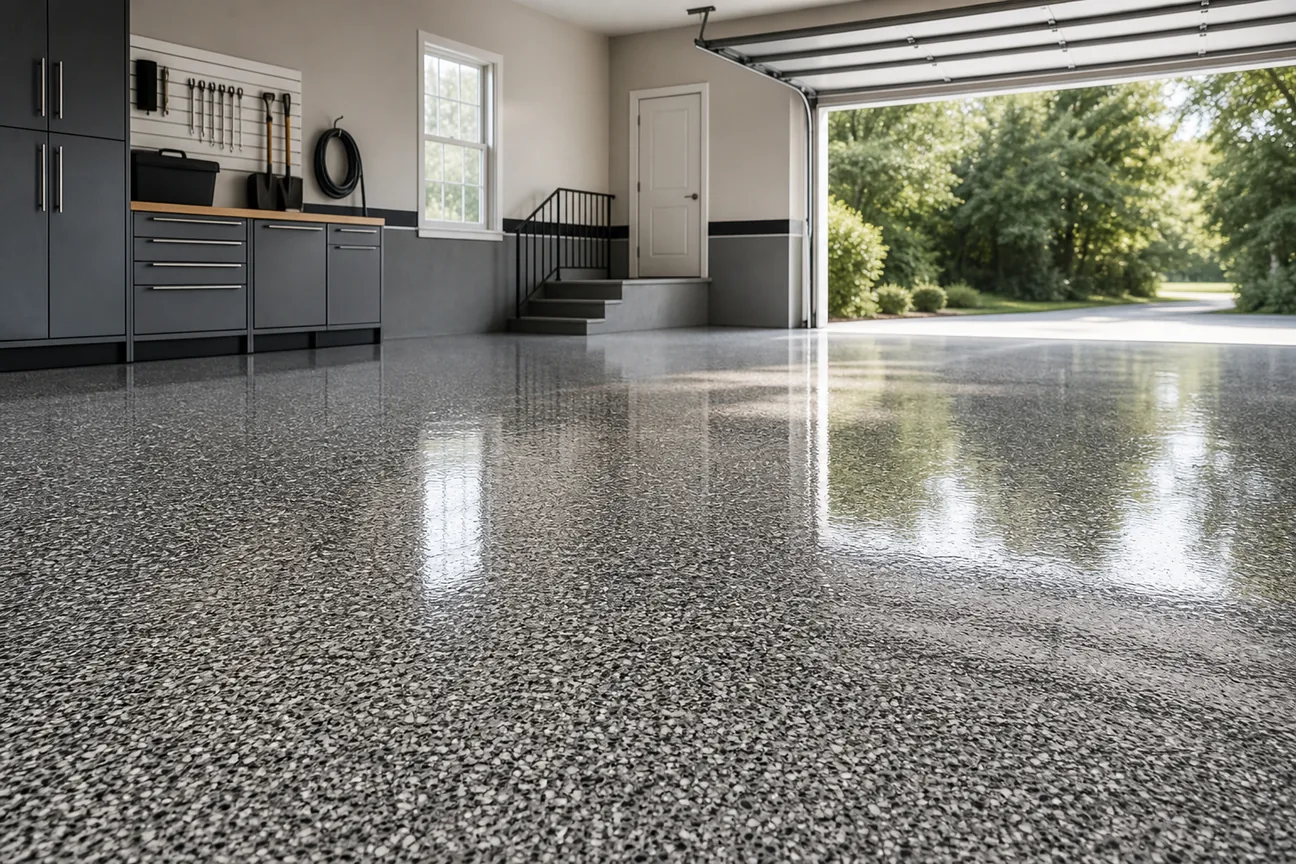
The cheapest garage coating can cost less upfront and fail years sooner. DIY water-based epoxy runs about $1.50 to $2.50 per square foot for materials, while professional systems often cost more installed. Here are the main options, what each costs, who it's for, and where the trade-offs show up.
Table of Contents
1. LGFMH Construction
LGFMH Construction is the best fit when you want a contractor to assess the garage, handle repair work, and plan the coating as part of a larger home project. The company handles interior and exterior repairs and replacements, so it can look at the floor condition before a coating goes down.
That matters because coating cost starts with the concrete. Oil, cracks, damaged areas, moisture, or an old coating can change the work needed before installation. A low quote that skips prep may look good on paper but leave the new surface with weak adhesion.
LGFMH Construction is also a sensible first call when the garage needs more than a fresh finish. For example, the floor may need repair before the coating, or a broader garage update may involve several trades. A contractor can review the full scope instead of pricing the resin alone.
Ask for a written breakdown that separates surface prep, repairs, base coats, flakes, topcoats, labor, and cure time. That makes it easier to compare a professional quote with DIY material pricing.
The limitation is simple: LGFMH Construction's exact coating system and price must be confirmed for your garage. Square footage alone can't show the condition of the slab.
2. DIY Water-Based Epoxy Kits, Lowest Material Cost
DIY water-based epoxy kits are the lowest-cost choice for homeowners who want to handle the work themselves. Their material cost is about $1.50 to $2.50 per square foot, but that figure leaves out your time, tools, prep, and the risk of an early redo.
These kits work best on a clean, dry garage floor with modest traffic. They can improve the look of a sound slab without the labor cost of a professional install. If the floor is used mainly for parking and storage, the lower entry price may be enough.
The film is thin. Reported service life is about one to three years, and hot tires can pull up weak areas. The coating may also yellow in UV light and has poor chemical resistance. A spilled fluid or harsh cleaner can expose the limits of a low-cost film.
Material cost is only part of the garage floor epoxy cost per square foot. You may need a grinder, vacuum, degreaser, patch material, rollers, mixing tools, and protective gear. Poor prep can cost more than the money saved on labor.
Epoxy is a resin made by reacting epoxide groups with another compound. The chemistry doesn't remove the need for a sound surface or the need to follow the kit instructions.
Choose this option when price matters most and you accept a shorter service life. For a larger garage or a floor with stains and cracks, get a professional assessment first.
3. Flake Epoxy System, Slip Resistance and Imperfection Coverage
Flake epoxy systems suit garages needing better slip resistance and a finish that hides imperfections. Material cost runs about $1 to $3 per square foot before labor and other installation costs.
Flakes can help hide minor imperfections that would stand out under a plain coat. The texture can also provide more grip than a smooth surface.
Application takes longer because the flakes must be spread while the base remains ready to bond. That extra work affects labor and the time your garage stays out of use.
The surface can trap dirt if the flake texture isn't sealed with a smooth topcoat. A rough finish may feel useful at first, but it can make sweeping harder. Ask what topcoat is included and how the finished floor will be cleaned.
This system often makes sense for a garage that needs slip resistance and better coverage of imperfections.
Its trade-off is higher material cost than the most basic kit and a longer application window. If the garage needs a polished decorative look, metallic epoxy may be a better visual match.
4. Metallic Epoxy, High-Impact Decorative Finish
Metallic epoxy is the pick for a decorative floor with bold movement and depth. Material cost is about $3 to $8 per square foot, making it the most expensive epoxy option in this shortlist.
The finish is meant to be seen. It can turn a garage into a display space, home gym, workshop, or clean entry area. The final pattern depends on the base color, metallic pigment, application method, and the installer's control of the material.
This isn't a good place to cut corners. Metallic effects are hard to make look even across a large floor, and the surface needs careful prep. A skilled installer also has to manage the blend so the pattern looks planned rather than patchy.
Repairs are the main warning. A damaged area can be difficult to blend back into the original pattern. A plain flake system is easier to patch without drawing the eye to one spot.
Metallic epoxy earns its place when appearance leads the decision. It doesn't make sense if your first goal is the lowest garage floor epoxy cost per square foot or the fastest return to parking.
5. Traditional Epoxy, Familiar Installed Coating Option
Traditional epoxy is the familiar professional coating for homeowners who want a solid-color floor at a lower installed price than premium systems. Research in the supplied cost set places a standard installed epoxy system at about $7 per square foot.
A professional epoxy install can produce a clean, hard surface when the slab is properly prepared. It also gives the owner more control over color and finish than bare concrete. The main cost advantage is the lower starting price.
The cure time is the catch. One reported generic epoxy system can take up to seven days to cure, while faster systems may return the garage to use sooner. During that time, foot traffic and vehicles may be restricted.
Traditional epoxy is rigid and lacks strong UV stability. It can yellow in sunlight and may become brittle. That matters when the garage door stays open for much of the day or when the slab sees repeated temperature shifts.
The final quote should explain how the contractor will profile the concrete, repair cracks, remove contamination, and test the surface. The coating can only bond as well as the slab allows.
For a garage that stays shaded and has moderate use, traditional epoxy can be a fair value. For strong sun, heavy traffic, or a short downtime window, compare it with faster-curing alternatives.
6. Polyurea Coating, Fast Cure and Long-Term Performance
Polyurea coatings fit commercial workshops and high-traffic areas where fast cure matters. Professional rates are available on request, and the coating can cure in about one day.
Polyurea is a strong choice for commercial workshops and high-traffic areas that need a fast cure. Polyaspartic topcoats are used for UV resistance and abrasion protection over epoxy bases.
That changes the cost discussion. A system with a longer service life has a lower simple upfront cost per square foot per year. A $2 per square foot DIY coating lasting two years works out to about $1 per square foot per year before tools and rework.
That calculation isn't a promise. Actual service life depends on the system, prep, traffic, moisture, and care. Still, it shows why the cheapest material price may not be the cheapest long-term choice.
Fast-curing coatings leave less time to fix a mistake once the material is mixed. Professional equipment and a trained crew are recommended for these systems, so DIY savings are harder to capture.
A more complex coating system may cost more than pure epoxy. The extra money may reflect added system complexity rather than a longer life.
For a high-use residential garage, LGFMH Construction can help assess whether a faster premium system fits the slab and project schedule. Ask for the exact layer plan, cure rules, warranty terms, and prep work in writing.
Polyaspartic is usually the stronger long-term value when the garage needs UV stability and limited downtime. Polyurea deserves a closer look when fast cure and heavy use lead the brief.
Garage Floor Epoxy Cost Comparison by System
The table below separates sticker price from the decision factors that tend to drive satisfaction. The listed figures are material or installed figures where the research provided them. They aren't interchangeable.
System | Cost basis | Reported cost | Reported cure or life | Best fit |
DIY water-based epoxy | Materials | $1.50-$2.50 per sq. ft. | 1-3 years | Budget-first homeowners |
Flake epoxy system | Materials | $1-$3 per sq. ft. | — | Slip resistance and flaw coverage |
Metallic epoxy | Materials | $3-$8 per sq. ft. | — | Decorative impact |
Traditional epoxy | Installed | About $7 per sq. ft. | Up to 7 days to cure | Lower-cost professional coating |
Polyurea Polyaspartic floor coating | Installed | About $8 per sq. ft. | About 1 day to cure | Fast return to use |
Polyaspartic topcoat | Professional system | Rates available on request | — | UV exposure and long service life |
Across the entries with installed prices, reported costs vary by system. That distinction matters: DIY figures cover material only, while installed figures include labor and the contractor's process.
Surface prep deserves its own line in every quote. Before planning grinding work yourself, review the official construction silica guidance .
For a useful quote, measure the floor, note cracks and stains, and ask how long the garage will be unavailable. Then compare cost per year, not only cost per square foot. The right system is the one that matches use, slab condition, and the time you can give the project.
FAQ
What is the average garage floor epoxy cost per square foot?
DIY water-based kits cost about $1.50 to $2.50 per square foot for materials alone. Prep, labor, repairs, and tools can change the final total.
Is DIY epoxy cheaper than professional installation?
DIY epoxy is cheaper at the material stage, with kits around $1.50 to $2.50 per square foot. That price doesn't include prep tools, repairs, labor value, or future recoating. The reported lifespan is about one to three years, so a professional system may cost less per year when it lasts much longer.
How long does a garage epoxy floor take to cure?
A garage epoxy floor can take about one day for a Polyurea Polyaspartic floor coating or up to seven days for a water-based and solid epoxy system. Cure time depends on the product, temperature, slab condition, and application method. Ask when foot traffic and vehicles can return, not only when the coating feels dry.
Is polyaspartic worth the higher garage coating cost?
Polyaspartic can be worth the higher cost when you need UV resistance and abrasion protection. It costs more upfront than basic epoxy, but the cost per year may be lower if the system performs as expected.
What makes garage floor epoxy cost more?
Concrete repairs and surface preparation are the biggest cost variables beyond the coating itself. Oil contamination, cracks, old coatings, moisture, rough concrete, and difficult access can add work. Decorative flakes or metallic effects also change the material and labor needs. Request a line-by-line quote before comparing totals.
Conclusion
Choose DIY water-based epoxy only when the low upfront price and short service life fit your plans. For most high-use garages, compare a professional epoxy quote with polyurea or polyaspartic pricing on a cost-per-year basis. LGFMH Construction can review the floor condition and give you a clearer starting point. Measure the space first, then ask for prep, system layers, cure time, and total cost in writing.


header.all-comments