How to Fix Foggy Double Pane Windows: A Step-by-Step Guide
- William McKracherne
- Mar 13
- 9 min read

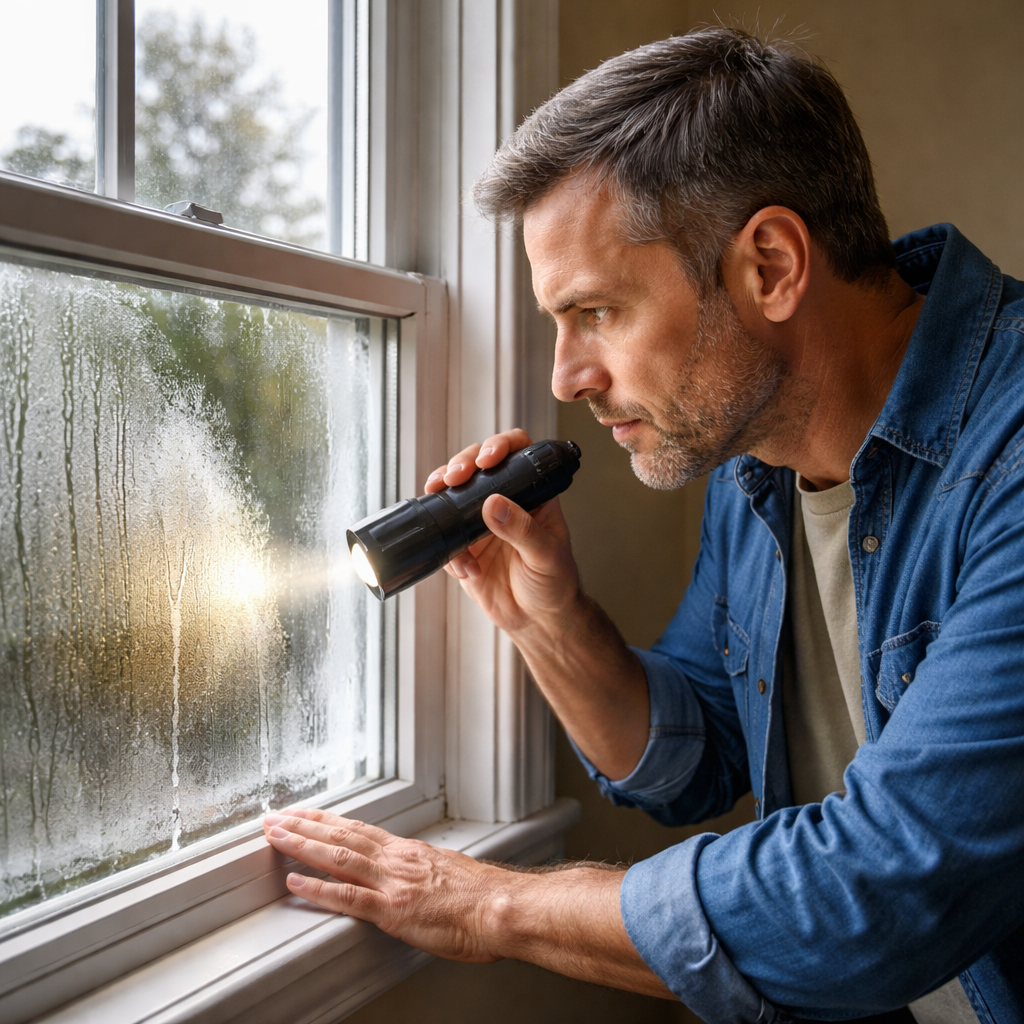
Foggy double‑pane windows feel like a tiny cloud stuck in your living room. The glass looks dull, the heat bill climbs, and you wonder why it happened.
Most of the time the seal has let moisture in. You can often fix it without tearing out the whole window. First, check the glass for cracks – a crack means the unit needs replacing. If the glass looks solid, you can try a DIY seal‑repair kit. Gather a silicone sealant, a putty knife, and a clean cloth. Wipe away any old seal, apply a thin bead of fresh sealant around the edge, and smooth it out. Let it cure for a few hours before testing for drafts.
Here’s a quick checklist you can follow:Inspect the frame for rot or damage.Remove any loose seal material.Apply new sealant evenly.Allow proper curing time.Check for condensation after a day.
If the fog stays, the gas inside the pane is probably gone and the whole unit should be swapped. That’s when a pro comes in handy. LGFMH Construction can handle the removal and install a fresh, energy‑saving window, keeping the job neat and sealed right.
While you’re fixing the windows, think about what to do with the space once it’s clear. Adding a piece of coastal wood flower art can bring a fresh vibe to the room. Learn how to style it here.
Need more background on window types, budgeting, or common pitfalls? Our detailed guide Windows: A Practical Guide to Choosing, Installing, and Maintaining Your Home walks you through everything you’ll need before you start.
Step 1: Identify the Cause of Fogging
Foggy double pane windows aren't just an eyesore; they waste heat and raise bills. Before you reach for a replacement, you need to know why the glass is misted.
First, look at the pane. Any cracks or chips? The seal is broken and the unit needs swapping. No crack? Shine a flashlight from outside; light leaking around the edge shows a faulty seal.
Run a soap test. Mix a drop of dish soap with water, brush it on the frame, and watch for bubbles. Bubbles mean air is still getting through the seal.
High indoor humidity can cause condensation that looks like fog. If humidity is above 60 %, you’re probably seeing sweat on the glass.
If the pane stays cloudy after the soap test and humidity check, the gas inside has probably escaped. That's when a pro from LGFMH Construction can replace the whole window.
Want to keep humidity low? The Romanian site Aquatia offers practical tips on home moisture control that work well in any climate.
When you label the parts you remove, a quick print job from Jiffy Print Online saves you mix ups and speeds up the job.
After the fix, think about fresh décor. A coastal wood flower piece can brighten the room, see ideas on Wood‑N‑Wares for styling tips.
Step 2: Gather the Right Tools and Materials
Before you start fixing foggy double pane windows, you need the right gear. A good toolbox saves time and keeps the job tidy.
Here’s a short list of must‑haves:
Putty knife, to scrape old sealant.
Silicone sealant (clear, weather‑proof), the new seal.
Utility knife, cuts tape and trims excess sealant.
Caulking gun, spreads sealant evenly.
Rags and a mild cleaner, wipes dust and oils.
Gloves and safety glasses, protect your hands and eyes.
Do you have these on hand? If not, a quick trip to the local hardware store will set you up.
When you pick sealant, look for a product labeled “U‑value rated” or “low‑E compatible.” That way the new bead won’t interfere with the window’s energy rating.
Need a deeper dive on sealing? Check out our guide on how to fix rotted window sills – the same tools work for most window repairs.
Once you’ve gathered everything, lay out each item on a clean towel. This keeps the work area organized and helps you see if you missed anything before you start.
Before you pull the old seal, wipe the glass with isopropyl alcohol. A clean surface lets the new silicone bond better. Let the glass dry completely, a damp spot can trap bubbles later.
If you have a heat gun, a quick warm‑blow over the seal helps the silicone flow into tiny cracks. Just keep the gun moving so you don’t scorch the frame.
When everything’s in place, you’re ready to seal the pane and clear the fog.
Tool | Purpose | Tip |
Putty knife | Remove old sealant | Use a flexible blade for tight edges |
Silicone sealant | Re‑seal the pane | Apply in a smooth, thin bead |
Caulking gun | Control sealant flow | Cut nozzle at a 45° angle |
Step 3: Remove the Interior Glass Pane Safely
Now the seal is clean, it’s time to take the pane out. The glass can be heavy, so protect yourself first.
Gear up
Wear gloves and safety glasses. A soft cloth or cardboard under the pane stops scratches. Have a helper if the pane feels big.
Loosen the pane
Start at the top edge. Gently tap a putty knife between the glass and the frame. The knife slides in a bit, breaking the old seal.
Work your way around clockwise. If the seal is stubborn, a hair‑dryer on low heat can warm it just enough to soften the glue.
Lift the glass
When the seal feels loose all the way, slide a suction cup or a piece of strong tape onto the glass. Pull slowly, keeping the pane level.
If it sticks, wiggle the knife a little more – don’t force it. You want the glass to come out clean, not cracked.
Set it aside safely
Place the pane on the padded cloth. Keep it upright so the edges don’t hit the floor.
Check the frame for any leftover bits of sealant. A quick scrape with the flexible blade removes the rest.
Give the frame a quick wipe with a damp rag. This clears dust that could trap air bubbles later.
Once the pane is out, you’re ready to apply fresh sealant and reinstall. Need more detail on the next step? See our guide on replace a broken window pane for the full re‑install process.
Step 4: Clean, Dry, and Re‑seal the Gap
Now the old glass is out, the real work begins. If the frame still feels sticky, you’ll end up with a new foggy pane.
Wipe out the old residue
Grab a clean rag and a little dish soap. Wet the rag, wring it well, then run it along the whole edge where the old seal sat. Scrape any bits that cling with the flexible putty‑knife blade. A quick rinse with plain water removes soap.
Dry every nook
Drying matters. A dry surface lets new silicone stick. Take a dry microfiber cloth and pat the frame until no moisture shows. For tight corners, a small handheld blower or even a hair‑dryer on cool blows works great. Check the glass edge too, any water droplet can trap air later.
Apply fresh sealant
Load a clear, weather‑proof silicone into a caulking gun. Cut the tip at a 45° angle and make a thin, even bead all around the frame. Use a wet finger or a sealant‑smoothing tool to press the bead into the gap and smooth it out. Don’t overfill, a small line is enough.
Let the seal cure for at least three hours before you put the pane back. Some silicone needs 24 hours for a full cure, so plan your day accordingly.
Need more tips on keeping windows clear year‑round? Check out our full window maintenance guide for the best practices.
When the seal is solid and dry, slide the pane back in, press it gently, and you’ll see the fog disappear. You’ve just fixed a common cause of foggy double‑pane windows without calling a pro.
Step 5: Reinstall or Replace the Pane and Test
Now the seal is dry, slide the glass back into the frame. Hold the pane level and guide it into the groove until it sits snug.
Take a step back and look around the edge. If the glass meets the frame evenly, you’ve got a good fit. If you see a gap, wiggle the pane a bit and press until the gap closes.
Re‑attach any clips or screws you took out earlier. Tighten them just enough so the pane stays put but doesn’t strain the seal.
Give the window a quick test. Run your hand along the edges; you shouldn’t feel a draft. Then let the window sit for a few hours and peek for any new fog or moisture.
If you still see fog, the pane itself may be compromised or the seal didn’t hold. In that case you’ll need to replace the whole pane – see our guide on how to replace a broken window pane for the next steps.
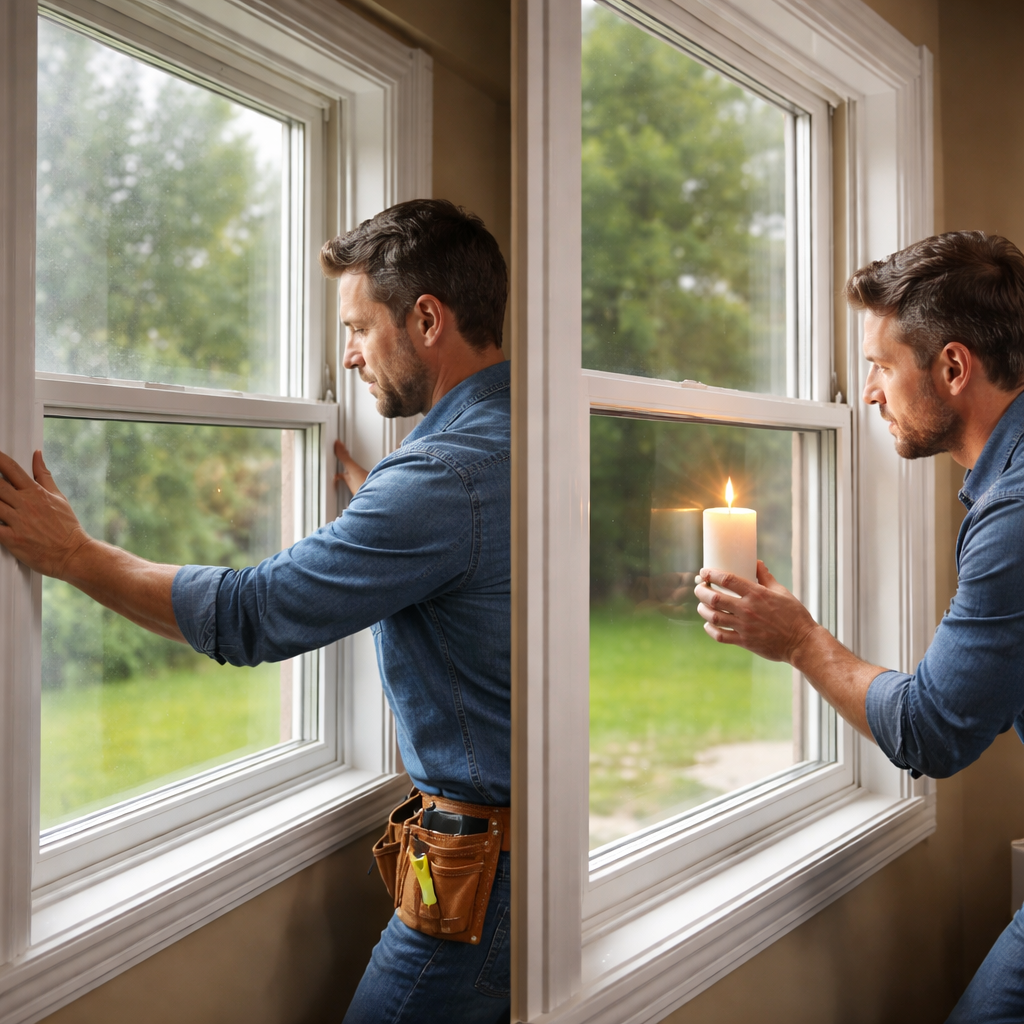
One handy trick: light a small candle and hold it near the corners. If the flame flickers, air is still leaking and you may need to reseal.
After you’re happy with the fit, wipe any excess sealant off the glass with a damp cloth. Then close the window and watch the view for a full day. If the pane stays clear, you’ve solved the fog problem without a pro.
Finally, double‑check that any weather‑stripping around the sash is still in good shape. Replace cracked strips to keep drafts out and keep your energy bills low.
Conclusion
Fixing foggy double pane windows is easier than you think once you know the steps.
First, spot a seal problem, then clean, dry, and reseal the gap. If the fog stays, swapping the IGU saves you from future drafts.
Remember to press the silicone bead, test with a candle, and give the seal time to cure. A quick check after a day tells you if the repair held.
So, what's the next move? Grab your sealant kit, follow the checklist, and watch the pane clear up. If you run into a stubborn seal or cracked glass, a pro like LGFMH Construction can handle the swap fast.
With a clear window, your home stays warm, your energy bill drops, and you avoid costly replacements. Give it a try, your view will thank you.
FAQ
Can I fix foggy double pane windows myself?
Yes, you can try a DIY fix if the seal looks broken but the glass isn’t cracked. First, clean out the old seal, dry the gap, then apply a clear silicone bead around the edge. Let it cure for at least four hours before testing with a candle. If fog stays after a day, the gas inside is gone and you’ll need a new IGU or a pro.
What tools do I really need for the repair?
You only need a few basic items: clear silicone sealant, a putty knife or scraper, rubbing alcohol, a lint‑free cloth, and a pair of suction cups. Gloves and goggles keep you safe. A hair dryer can speed up drying, but it’s optional. Gather everything on a clean drop cloth so you don’t spill sealant on the floor, and you’ll have everything ready before you start.
How do I know if the seal is the problem or a cracked pane?
Look closely at the glass. Any crack, even a hairline, means the whole unit should be swapped. If the glass is solid, shine a flashlight from outside; scattered light inside the pane points to a broken seal. You can also feel the edge for dampness. You can also check for moisture by feeling the frame for cold spots. When the seal is bad, fog stays even after you clean the interior.
How long should I wait before testing the seal?
After you put the new silicone bead, give it at least four hours to cure in a warm room. Cooler temps need more time. Once cured, close the window and hold a lit candle near the edge. If the flame stays steady and no draft feels, the seal is holding. Check again the next morning; if fog returns, replace the IGU.
When is it worth calling LGFMH Construction?
If you find a cracked pane, the seal won’t hold no matter how many times you re‑seal. Also, if fog returns after a full day of curing, the gas inside is likely gone. A pro can safely remove the old unit and install a fresh double pane, saving you time and avoiding future leaks. A professional can also guarantee a proper warranty and match the exact glass rating for your home.
Will fixing the fog improve my energy bill?
Yes. A clear seal stops cold air from sneaking in and warm air from escaping. After a proper repair, you should notice a steadier indoor temperature and a modest drop in heating costs. The exact saving varies, but many homeowners see a noticeable difference in the first month. A tighter seal also reduces noise from outside and can improve comfort in each room.


Comments