Architectural Shingles vs 3 Tab: 6 Key Differences Homeowners Need to Know
- William McKracherne
- Dec 5, 2025
- 18 min read

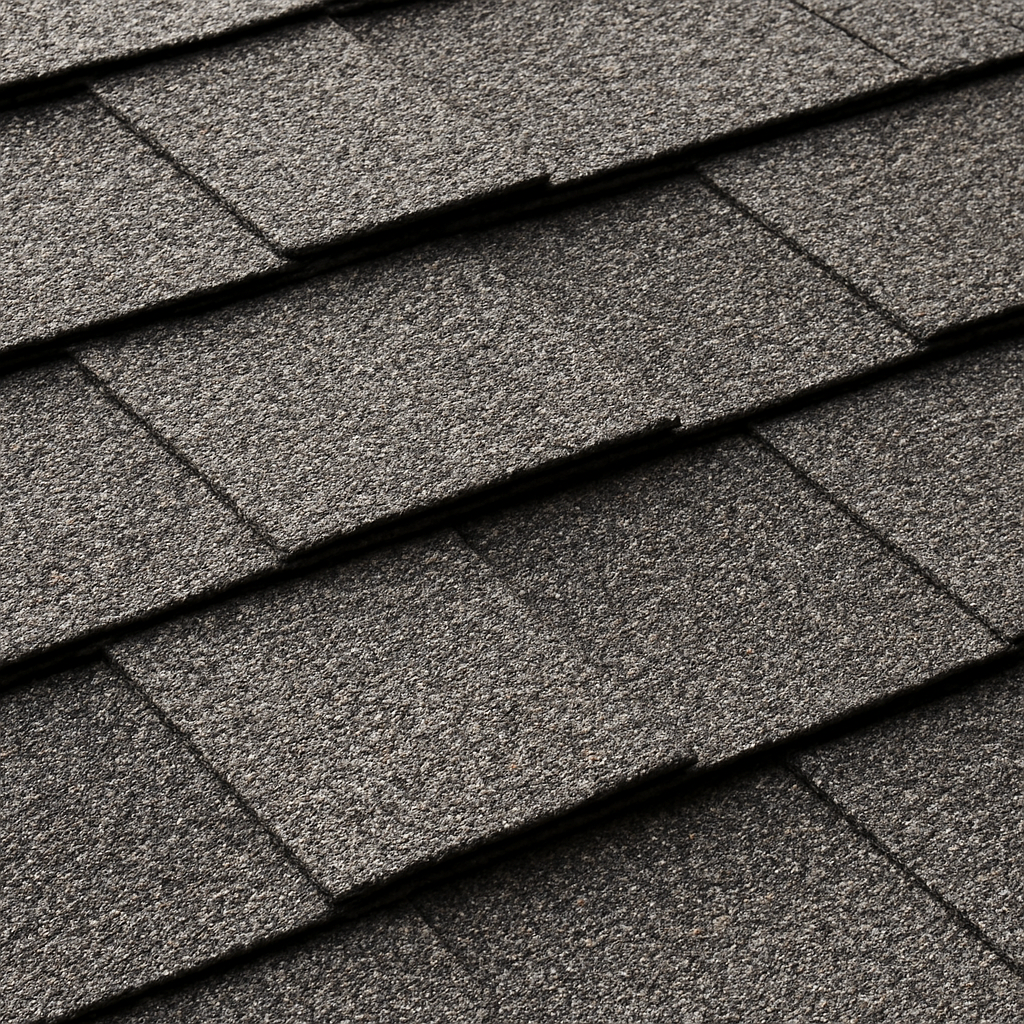
Picture this: you’re standing on a ladder, looking down at a roof that’s about to get a fresh coat of shingles. You can almost feel the weight of each piece, the way they overlap, and the promise of protection they bring.
But here’s the thing that trips up a lot of homeowners: not all shingles are created equal. When you hear “architectural shingles vs 3 tab,” the conversation often jumps straight to price, forgetting the real differences that affect durability and installation.
First off, the thickness. A 3‑tab shingle is basically a single layer of asphalt, thin enough that it’s mostly used for starter strips and caps. Think of it like a paper‑thin blanket – it does the job, but it won’t last forever.
Architectural shingles, on the other hand, are a two‑piece system molded together at the factory. That extra layer gives them a heftier feel, more like a quilted blanket that can stand up to wind and hail.
Now, durability. Most 3‑tab shingles carry a 25‑year warranty, whereas architectural shingles typically come with a 50‑year guarantee. That’s not just marketing fluff; the extra material and design actually slow down wear and tear.
One catch you might not know: because architectural shingles lack the built‑in sealant that 3‑tab caps have, they can’t be used as starter strips or caps. So you’ll need separate starter pieces to get that watertight edge.
Imagine you’re budgeting for a roof replacement. If you go with 3‑tab, you might save a few bucks up front, but you could be looking at a shorter lifespan and more frequent repairs.
Conversely, opting for architectural shingles means a higher initial cost, but the longer warranty and stronger wind resistance often pay off in fewer headaches down the road.
So, what does this mean for you? If you live in a high‑wind area or just want a roof that ages gracefully, the architectural option is usually the smarter pick. If you’re on a tight budget and your roof isn’t exposed to harsh conditions, 3‑tab might be enough.
Bottom line: understanding the thickness, warranty, and proper use of each shingle type helps you make a choice that matches your home’s needs and your peace of mind.
Ready to decide? Let’s dive deeper into the pros and cons, cost breakdowns, and how to pick the right contractor for the job.
TL;DR
Architectural shingles are a two‑piece option with a 50‑year warranty and resistance, while 3‑tab shingles are a 25‑year choice that also serves as starter strips or caps. Pick 3‑tab for lower cost and easy starter use, or go with architectural shingles for durability and peace of mind despite higher price.
1. What Are Architectural Shingles?
When you first hear the term “architectural shingles,” you might picture a fancy roof material that only contractors talk about. But really, they’re just a smarter version of the classic asphalt shingle, built to give your home a little extra muscle.
Here’s the quick rundown in a listicle format so you can see why they matter.
Thickness & Construction
Architectural shingles are a two‑piece shingle molded together at the factory. The extra layer adds heft—think of a quilted blanket versus a paper‑thin sheet. That thickness translates into better wind resistance and a longer lifespan.
Warranty & Durability
Because of that extra material, manufacturers usually back them with a 50‑year warranty. Compare that to the typical 25‑year promise you get with 3‑tab shingles. In plain English, you’re buying peace of mind for the next half‑century.
Usage Limitations
One detail that trips people up is that architectural shingles don’t have the built‑in sealant that 3‑tab caps and starter strips have. That means you can’t use them as starter pieces or caps—you’ll need separate starter strips to seal the roof edge.
So, if you’re standing on that ladder, feeling the weight of each shingle, you’ll notice the architectural ones feel heavier, almost like they’re saying ‘I’ve got your back.’
Does the extra cost scare you? Let’s break it down.
The price bump usually comes from the additional material and the longer warranty. But think of it this way: a 50‑year roof that needs no replacement versus a 25‑year roof that might need a new layer in half the time. Over the life of your home, that durability can save you both money and headaches.
And if you ever face a leak under those shingles, knowing how to dry walls without drilling can keep damage to a minimum. Check out this step‑by‑step guide on how to dry walls after a water leak without drilling for a quick fix.
If you prefer handling the roof inspection yourself, a reliable self‑drive service can get you to the site safely, so you don’t have to rely on a ladder all day.
For anyone who ends the day with sun‑burned skin after roofing, Haloclinic offers after‑care treatments that soothe irritation and speed up recovery.
Want to see the difference in real time? Watch this short video that walks you through the look and feel of architectural shingles versus 3‑tab.
Notice the way the shingles interlock? That interlocking design is what gives architectural shingles their superior wind rating.
A close‑up view makes it easy to spot the layered texture that sets these shingles apart.
Bottom line: architectural shingles give you extra thickness, a 50‑year warranty, and better durability, but they can’t double as starter strips or caps. Pair them with proper starter pieces, and you’ve got a roof that’s built to last.
Remember to schedule an annual inspection so any wear shows up early, keeping your roof—and your wallet—in shape.
2. What Are 3‑Tab Shingles?
When you picture a classic roof, you’re probably seeing those flat, uniform rows of three‑tab shingles – the “budget‑friendly” workhorse of the roofing world.
But underneath that simple look lies a very specific construction: a single layer of asphalt that’s been cut into three little tabs. That single‑layer design is why they’re lightweight, why they can double as starter strips and caps, and why they usually come with a 25‑year warranty.
1️⃣ One‑layer simplicity
Three‑tab shingles are molded in one piece. The result is a thin, flat panel that’s easy to handle and cheap to produce. Because there’s no extra material, the shingle can be stamped with the built‑in sealant strip that lets you use the same piece at the roof’s edge.
2️⃣ Cost‑conscious pricing
On average a 3‑tab roof runs about $4.00 per square foot, give or take market fluctuations. That price point makes them attractive for homeowners on a tight budget or for secondary structures like a shed.
3️⃣ Wind and durability limits
Because they’re lighter, 3‑tab shingles usually carry a lower wind rating. For example, Certainteed’s XT25 3‑tab line is rated for 60 mph winds, while their architectural counterpart pushes past 110 mph. Bill Ragan Roofing explains the wind rating gap, showing why the thinner design can be a liability in storm‑prone areas.
4️⃣ Shorter lifespan
In ideal conditions a 3‑tab roof might last 15‑20 years. Add aggressive winds, hail, or poor ventilation and you could see that number dip below 15. The limited thickness means the asphalt degrades faster than the bulkier architectural option.
5️⃣ Real‑world example
Take the Johnson family in Nashville. They chose 3‑tab shingles for a new garage because the project budget was $2,500. Six months later, a severe windstorm knocked a few tabs loose, and they had to call a roofer for repairs. The repair cost ended up being $800 – a reminder that the “cheaper up front” price can bite later.
So, what should you look for when you’re evaluating 3‑tab shingles?
Weight check:Feel the shingle in the store. It should feel noticeably lighter than an architectural piece.
Warranty scan:Look for a 25‑year limited warranty and verify the wind rating matches your climate.
Starter strip confirmation:Ask your installer whether they’ll use the same shingle for the eave starter. If they suggest a different product, you might be dealing with a mis‑sale.
Maintenance plan:Schedule an annual inspection to catch any loose tabs before they become leaks.
Here’s a quick checklist you can print out and bring to the supply house:
Ask for the shingle’s weight per square foot.
Confirm the wind rating (60 mph + for most 3‑tab).
Verify the warranty length and any prorated clauses.
Make sure the installer will apply starter strips using the built‑in sealant edge.
And remember, the decision isn’t just about price – it’s about how the roof will perform for you over the next decade or two.
Bottom line: three‑tab shingles give you an affordable, easy‑to‑install roof that doubles as starter material, but they come with trade‑offs in wind resistance, lifespan, and warranty coverage. If you live in a low‑wind zone and your budget is tight, they can be a sensible choice – just plan for the extra maintenance down the road.
3. Durability & Lifespan Comparison
When you stare at two roofs side by side, the first thing you notice is how the material feels under your palm. One’s dense, almost like a heavyweight blanket; the other’s light enough to toss aside. That tactile difference translates directly into how long each shingle will protect your home.
1. Weight and wind resistance
Architectural shingles pack roughly 50 % more mass than 3‑tab shingles. That extra heft gives them a wind rating that often tops out at 110‑130 mph, while 3‑tab typically caps at 60‑70 mph. In a place like Virginia Beach, that extra wind‑proofing can be the line between a roof that stays put and one that peels off after a gust.
Real‑world example: The Miller family in Norfolk upgraded to a 50‑year GAF architectural system after a 2022 hurricane lifted several 3‑tab tabs. The new roof rode out the next storm with no damage, saving them an estimated $1,200 in repairs.
2. Warranty length and what it really means
A 50‑year manufacturer warranty on architectural shingles isn’t just a marketing badge; it reflects the longer‑term performance of the laminated layers. By contrast, a 25‑year warranty on 3‑tab signals a shorter expected service life. If you’re planning to stay in your home for a decade or more, that difference starts to matter in your budgeting.
Actionable tip: When you get a quote, ask the contractor to write down the exact wind rating and warranty clause. Compare that side‑by‑side with the projected lifespan you expect based on your climate.
3. Real‑world lifespan data
In mild climates, properly installed architectural shingles often reach 30‑40 years before you see significant granule loss. In harsher zones, you still get 20‑25 years of solid service. 3‑tab shingles, on the other hand, tend to show wear after 15‑20 years, and in high‑wind or hail regions they can drop below ten years.
Consider the Johnsons in Nashville who chose 3‑tab for a new garage. Six months after a severe wind event, three tabs were missing, leading to an $800 repair bill. That early failure is exactly why many homeowners opt for the heavier option even if it costs a bit more up front.
4. Maintenance considerations
Because 3‑tab shingles are lighter, they’re more prone to loosening over time. An annual inspection can catch tabs that are about to lift, but that’s an added maintenance step you wouldn’t need as often with architectural shingles.
Step‑by‑step maintenance plan:
Schedule a roof walk‑through after the first heavy rain of the season.
Check for loose tabs or cracked sealant edges.
Replace any compromised pieces before wind picks up.
Document the work for warranty purposes.
5. Cost‑vs‑value perspective
It’s tempting to go for the cheaper 3‑tab because the per‑square‑foot price can be 40‑50 % lower. Yet when you factor in a potentially shorter lifespan, higher repair frequency, and lower wind rating, the “savings” often evaporate.
One way to see the true value is to run a simple ROI calc: multiply the expected lifespan (years) by the warranty coverage ($) and subtract the upfront cost. You’ll frequently find the architectural option comes out ahead for homeowners who stay put.
If you’re wondering what happens after a leak, you might also need to dry out interior walls. Learn how to dry walls after a water leak without drilling for a smooth recovery.
Feature | Architectural Shingles | 3‑Tab Shingles |
Typical weight (lb/ft²) | ≈ 0.18 | ≈ 0.12 |
Wind rating | 110‑130 mph | 60‑70 mph |
Warranty | 50 years | 25 years |
Expected lifespan (good climate) | 30‑40 years | 15‑20 years |
Installation note | Needs separate starter strip | Can be used as starter/cap |
Bottom line: if you value long‑term peace of mind, the heavier, laminated architectural shingle wins the durability race. If budget constraints force you into 3‑tab, be prepared for more frequent inspections and the occasional surprise repair.
Need a trusted crew to handle the heavier material? LGFMH Construction Roofing has experience installing 50‑year architectural systems to high‑wind specs, so you don’t have to wonder whether the roof will hold up next season.
4. Cost & Value Analysis
When the budget talk starts, it’s easy to zero in on the sticker price of each shingle type. But the real question is: what does that price buy you over the life of the roof?
Let’s break it down into bite‑size pieces so you can see the hidden costs and the real value ofarchitectural shingles vs 3 tab.
1️⃣ Upfront material cost
On average a 3‑tab roof runs about $4.00 per square foot, while an architectural roof is roughly $5.86 per square foot. That’s an extra $1.86 per square foot – or about $186 for a 100‑square‑foot section.
It feels like a lot, until you factor in what you avoid later.
2️⃣ Lifespan and warranty payoff
Three‑tab shingles are rated for a 25‑year warranty, but most owners only see about 20 years of service. Architectural shingles carry a 30‑year manufacturer warranty, and many can stretch to 25‑30 years in real‑world use.
Run a quick ROI check: multiply the expected years of service by the warranty coverage value (think of the warranty as a safety net that saves you from premature replacement). The longer the roof lasts, the more that $1.86 extra per square foot starts to look like a bargain.
3️⃣ Repair frequency and repair cost
Because 3‑tab shingles are lighter, they’re more prone to wind‑uplift. Homeowners in windy zones often report one‑to‑two repairs per decade, each costing $500‑$1,200. Architectural shingles, with their heavier laminated design, typically see fewer repairs – maybe one minor fix every 15‑20 years.
Imagine you have a 2,000‑square‑foot roof. Over 20 years, you might spend $1,200 on a 3‑tab repair, versus $300 on a small architectural shingle patch. Those savings start to close the upfront gap.
4️⃣ Energy and comfort benefits
Thicker architectural shingles provide a slight insulating boost. In colder climates that can shave a few dollars off your heating bill each year. It’s not a huge number, but over 25 years it adds up.
And if you live in a hot zone, the extra mass helps keep the attic cooler, reducing AC load.
5️⃣ Resale value boost
Buyers often notice the “dimensional” look of architectural shingles and are willing to pay a premium – sometimes $2,000‑$5,000 more for a home with a newer, higher‑grade roof. That upside can completely offset the modest price difference.
So, if you’re planning to stay in the house for at least a decade, the architectural option usually wins on value.
Actionable checklist – decide what matters most
Calculate your roof’s square footage.
Multiply by $4.00 (3‑tab) and $5.86 (architectural) to see the raw cost difference.
Estimate expected lifespan: 20 years for 3‑tab, 25‑30 years for architectural.
Factor in average repair costs ($800 per 3‑tab repair vs $300 per architectural fix).
Add potential resale premium ($3,000 average) if you plan to sell.
Run the numbers – if the total cost of ownership for architectural is lower, go with it.
Need a concrete example? The Miller family in Norfolk upgraded to a 50‑year architectural system after a 2022 hurricane lifted several 3‑tab tabs. Their new roof weathered the next storm without a single repair, saving them an estimated $1,200 in emergency fixes.
On the flip side, the Johnsons in Nashville stuck with 3‑tab for a garage remodel. Six months later, a wind gust ripped off three tabs, leading to an $800 repair – a reminder that the cheapest upfront can become pricey later.
Bottom line: the cost gap is real, but the value gap is bigger. By looking beyond the price tag and considering lifespan, repair frequency, energy impact, and resale boost, you’ll make a decision that protects both your wallet and your peace of mind.
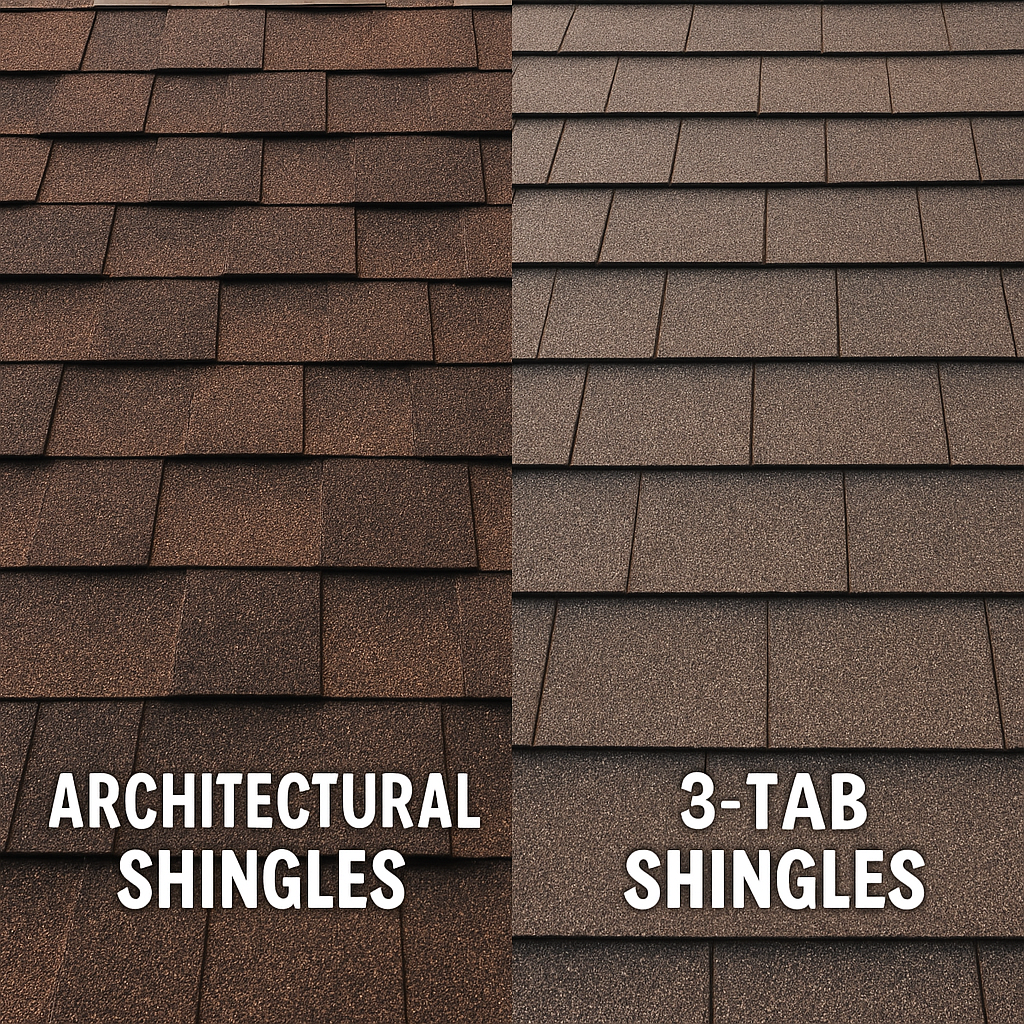
5. Aesthetic Appeal & Design Options
When you start scrolling through home‑renovation Instagram feeds, the first thing that grabs you is usually the roof. A roof that looks flat and bland can make a beautiful house feel…meh. That’s where the design side ofarchitectural shingles vs 3 tabreally starts to matter.
1️⃣ Dimensional depth that screams curb appeal
Architectural shingles are built with that extra laminate layer, which gives each piece a subtle ridge and shadow. The result? A roof that mimics cedar shakes or slate without the crazy weight or cost. Homeowners in Virginia Beach reported that swapping their old 3‑tab roof for a dimensional system boosted their curb appeal rating from “average” to “wow” in a local neighborhood poll.
Real‑world tip: When you’re walking around your block, look for roofs that have a visible “texture” – those are usually architectural. If you can’t see it from the street, ask the contractor to show you a close‑up sample before you sign.
2️⃣ Color variety that fits any style
Because the shingle surface is thicker, manufacturers can embed finer granules and more pigments. That means you get richer, more natural hues – think forest‑green, weathered charcoal, or warm oak. Three‑tab shingles tend to look flatter and sometimes end up with a “plastic” vibe.
Action step: Grab a paint chip from the shingle catalog and hold it up to your siding. If the color still looks vibrant in bright sunlight, you’ve probably found a match that will stay lively for decades.
3️⃣ Matching architectural styles
If your home has a Victorian silhouette, a shingle with a pronounced ridge will complement the intricate trim. For a modern ranch, a smoother, low‑profile 3‑tab might blend better – but only if you’re okay with a more understated look.
Example: The Miller family in Norfolk upgraded to a dimensional roof and instantly felt their Craftsman‑style home looked more “crafted.” Their neighbors even asked for the installer’s contact.
4️⃣ DIY‑friendly visual cues
Even if you’re not a roofing pro, you can spot the difference when the installation is done right. Architectural shingles usually need a separate starter strip because they lack the built‑in sealant. If you see a uniform edge of the same shingle across the eave, that’s a red flag – it’s probably a 3‑tab job.
Quick checklist:
• Feel the shingle weight – architectural feels heavier.
• Look for a separate starter row at the eaves.
• Check the warranty label; architectural should say 50 years.
5️⃣ Resale boost that pays off
Buyers love a roof that looks premium. In market studies, homes with dimensional shingles often fetch $2,000‑$5,000 more than comparable homes with flat 3‑tab roofs. The visual upgrade can be the deciding factor when a buyer walks through the front door.
Bottom line: if you’re planning to stay in your home for ten years or more, the aesthetic upgrade isn’t just vanity – it’s an investment that can help you recoup costs when you sell.
So, what’s your next move? Grab a sample, compare texture, and ask your roofer to walk you through the starter‑strip plan. The right look will make your roof feel like a finished piece of architecture, not an afterthought.
6. Installation Considerations
1️⃣ Separate starter strips are a must for architectural shingles
Because architectural shingles are a two‑piece, molded‑together product, they don’t have the factory‑applied sealant edge that 3‑tab caps rely on. That means you’ll need a dedicated starter strip along every eave.
If the installer tries to use the same shingle as a starter, you’ll likely see water sneak under the first row during the next rain.
2️⃣ 3‑tab caps double as starter material – a built‑in shortcut
Three‑tab shingles are single‑layer and come with a sealant strip on the back. Installers can lay that same shingle right at the roof edge, saving time and material.
Just remember: the shortcut only works if the shingle truly is 3‑tab. Mixing in an architectural piece will defeat the seal.
3️⃣ Nailing patterns differ – don’t treat them the same
Architectural shingles are heavier, so you’ll want a slightly longer nail exposure (usually ⅜‑inch) and a nail every 6‑8 inches along the ridge.
Three‑tab shingles are lighter; the code often allows a ¼‑inch exposure and a nail every 8‑10 inches. Using the wrong pattern can cause premature loosening.
4️⃣ Over‑hang and exposure matter
When you’re laying architectural shingles, give them a ¼‑inch over‑hang on the eave. That extra lip helps the separate starter strip sit flush and keeps wind from prying the first row up.
Three‑tab caps already have a built‑in over‑hang, so you don’t need to add extra material.
5️⃣ Ventilation gaps stay the same, but check the weight
Both shingle types need a proper ventilation gap under the decking. The trick is to remember that architectural shingles add about 50 % more weight per square foot.
If your attic framing is marginal, you might need to reinforce joists before you load that extra heft.
6️⃣ Weather‑tight flashing is non‑negotiable
Regardless of shingle style, flashing around chimneys, valleys, and skylights must be installed before the first shingle layer.
What changes? Architectural shingles often require a wider step‑flashing because the thicker profile can hide gaps that a 3‑tab roof would expose.
7️⃣ Check the wind rating before you commit
Most architectural shingles carry an 110‑130 mph rating, while 3‑tab usually tops out at 60‑70 mph. If you live in a high‑wind zone, ask the installer to use a higher‑rated underlayment and to follow the manufacturer’s extra‑fastening guidelines.
That extra care pays off when a gust tries to lift the edge.
8️⃣ The “one‑row‑starter” myth
Some contractors swear by a single starter row for any roof. In reality, a roof with architectural shingles often needs a double‑row starter – one plain strip, then a second row of the same shingle but laid flat to lock the first course.
It looks a bit fancier, but it’s the secret to a watertight seal.
9️⃣ DIY‑friendly checklist before the crew arrives
Ask for a separate starter strip – confirm it’s not a regular architectural shingle.
Verify nail length and spacing for the shingle type.
Make sure the installer plans for the extra weight on the roof deck.
Confirm the wind‑rating and underlayment match your climate.
Ask to see the flashing detail plan – wider step‑flashing for architectural roofs.
Bottom line: the biggest difference in installation isn’t just aesthetics; it’s the extra steps the heavier, two‑piece architectural shingle demands. If you’ve got a reliable crew that follows these cues, you’ll avoid leaks, wind damage, and costly re‑rides.
FAQ
What’s the real difference in thickness between architectural shingles and 3‑tab shingles?
Architectural shingles are essentially a two‑piece sandwich: two layers molded together, giving them roughly 50 % more mass than a single‑layer 3‑tab shingle. That extra heft isn’t just for show – it translates into better wind resistance and a more substantial feel under your hand. By contrast, 3‑tab shingles are thin, flat sheets that feel almost like stiff cardboard.
Can I use architectural shingles as starter strips or caps?
Nope. Architectural shingles don’t have the factory‑applied sealant strip on the back that 3‑tab caps rely on. Without that built‑in seal, they can’t create the watertight edge you need along the eaves. That’s why you’ll always see a separate starter strip when a pros install a roof with architectural shingles.
Why do architectural shingles come with a 50‑year warranty while 3‑tab only gets 25 years?
The longer warranty reflects the added durability of the laminated design. The two‑piece construction, heavier weight, and richer asphalt mix all help the shingle hold up against UV, hail, and wind for decades. A 3‑tab shingle’s single layer wears faster, so manufacturers back it with a shorter, typically 25‑year, warranty.
Do the installation steps really differ that much?
Yes. With architectural shingles you’ll need a dedicated starter strip, longer nails, and sometimes a double‑row starter to lock the first course. The heavier shingle also means you might have to reinforce the roof deck if the framing is marginal. 3‑tab shingles can double as starter material, use shorter nails, and generally follow a simpler nailing pattern.
How does the wind rating affect my roof’s performance?
Architectural shingles usually carry a wind rating of 110‑130 mph, while 3‑tab tops out around 60‑70 mph. In high‑wind zones like coastal Virginia, that extra rating can be the difference between a roof that holds firm and one that starts lifting tabs during a gust. It’s a good idea to match the shingle’s rating to your local wind speed data.
Is the extra cost of architectural shingles worth it?
Think of it as an investment in peace of mind. The upfront price gap narrows when you factor in fewer repairs, a longer warranty, and the potential resale boost from a more premium look. Homeowners who stay in their house for a decade or more often find the heavier, longer‑lasting option saves money in the long run.
What should I ask my roofer to confirm I’m getting the right product?
First, ask for the shingle’s weight per square foot – architectural should feel noticeably heavier. Second, request a separate starter strip and verify it’s not an architectural piece. Third, get the exact wind rating and warranty details in writing. Finally, confirm nail length and spacing match the shingle type. Those simple questions keep the job on track and protect you from costly mistakes.
Conclusion
We've walked through the nitty‑gritty of architectural shingles vs 3 tab, from weight and wind rating to warranty length and visual impact.
So, which one feels right for you? If you value a heavier, two‑piece shingle that lasts 50 years and can’t double as a starter or cap, the architectural option is the safe bet. If your budget is tight and you don’t need that extra durability, a 3‑tab roof still does the job—just remember it’s a single‑layer, 25‑year product that can serve as both shingle and starter.
Here's a quick mental checklist:
Thickness: two‑piece vs one‑layer.
Warranty: 50 years vs 25 years.
Installation: separate starter strip required for architectural.
Wind rating: 110‑130 mph vs 60‑70 mph.
Ask yourself: do you plan to stay in the house long enough to reap the longer lifespan? Do you live in a high‑wind zone where that extra rating could save you from costly repairs?
If the answer leans toward peace of mind and curb‑appeal, go with architectural shingles. If you’re comfortable managing a few extra inspections and want to keep the upfront cost low, 3‑tab will get you there.
Whatever you choose, make sure your roofer confirms the right product, weight, and starter strip before the first nail hits the deck. That simple step keeps the roof watertight and your wallet happy.


Comments