Average Gutter Cleaning Cost: What Homeowners Really Pay
- William McKracherne
- Dec 9, 2025
- 19 min read

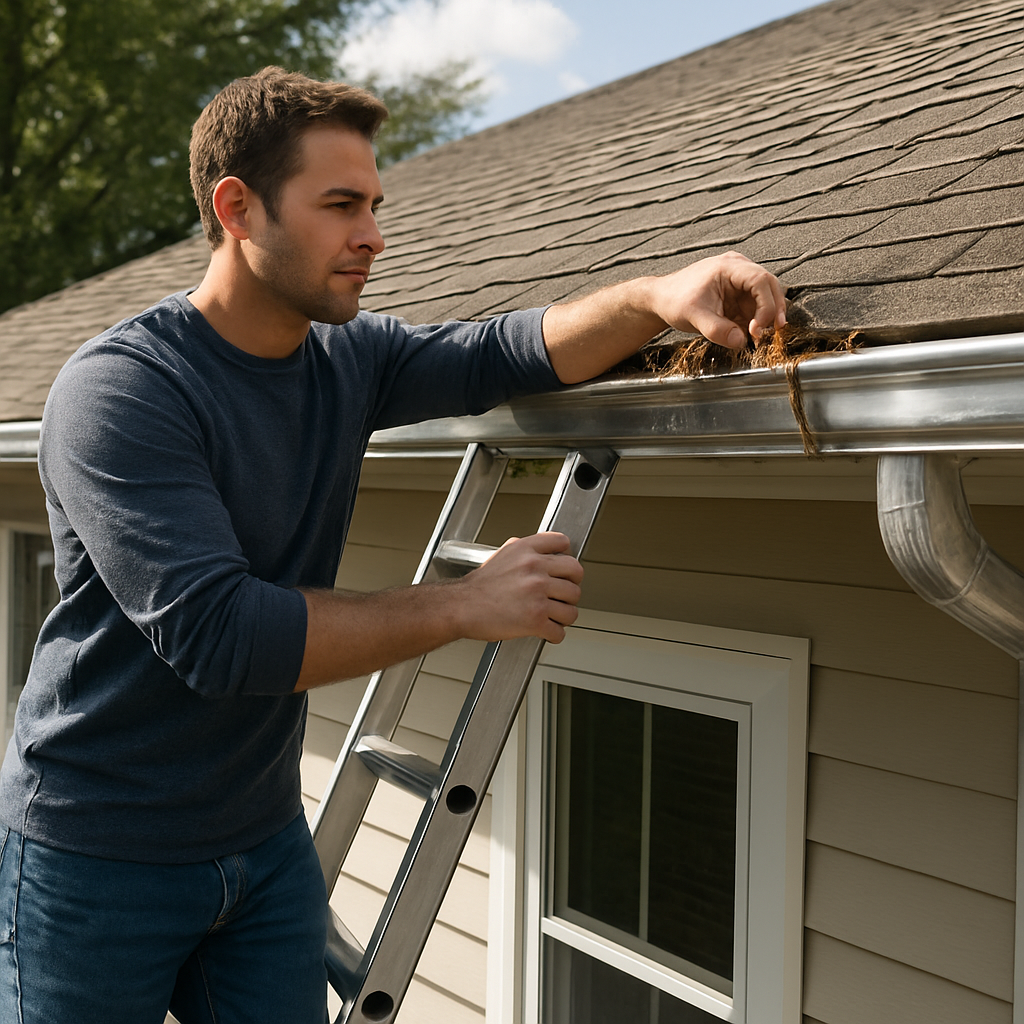
Ever stared up at those clogged gutters and thought, “How much am I really going to spend to get this sorted?” You’re not alone. That moment of dread—when you realize the gutters you’ve ignored for months might be leaking into your foundation—is something most homeowners have felt.
We get it. The average gutter cleaning cost isn’t a one‑size‑fits‑all number. It shifts with the size of your home, the height of your roof, how many stories you’ve got, and even the season you choose to tackle the job. A modest‑sized, single‑story house might see a modest bill, while a sprawling two‑story property with long runs can push the price up.
So, why does it matter? Because knowing what to expect helps you plan, budget, and avoid those surprise invoices that make you question every DIY project you ever attempted. And trust me, we’ve all been there—thinking a quick clean will save money, only to discover water damage that costs a fortune.
Here’s the thing: gutter cleaning isn’t just about removing leaves. It’s about protecting your home’s structure, preventing mold, and keeping your landscaping from turning into a swamp. When you factor in the potential cost of water damage, the price of a professional clean starts to look like a smart investment.
Feeling a little overwhelmed? Don’t worry. We’ll walk through the key factors that drive the average gutter cleaning cost, break down what you can expect for different home types, and share some practical tips to keep those numbers in check. By the end, you’ll have a clear picture of what you’re looking at and how to make the most of your budget.
Ready to demystify the cost and take control of your home’s health? Let’s dive in and explore the details together.
TL;DR
The average gutter cleaning cost ranges from $80 to $250, depending on home size, roof height, and whether you hire a pro or DIY.
Understanding these factors lets you budget smartly, avoid surprise repairs, and decide the best maintenance schedule for your home, whether you’re a busy homeowner or a DIY enthusiast looking to save cash.
Understanding What Influences the Average Gutter Cleaning Cost
Ever wonder why two neighbors can get such different quotes for the same job? It usually comes down to the little details that most people overlook until the bill arrives.
First off, the size of your home is a big driver. A modest 1,500‑sq‑ft single‑story house with short runs of gutter will cost a lot less than a sprawling 3,000‑sq‑ft two‑story property with long, winding gutters that snake around every corner.
Roof Height and Accessibility
Think about the height of your roof. The higher you have to climb, the more labor‑intensive (and risky) the job becomes. That’s why a ladder‑only job on a one‑story home can be $80‑$120, while a multi‑story home often jumps to $180‑$250.
And don’t forget about accessibility. If your gutters are tucked behind shrubs, or you have a steep slope that makes ladder placement tricky, a professional will need extra equipment – maybe a lift or scaffolding – and that adds to the total.
Material Matters
Aluminum gutters are the most common and generally the cheapest to clean because they’re light and the debris slides out easily. Vinyl or copper gutters can be heavier or have tighter seams, meaning you might need more time, specialized tools, or even gentle handling to avoid damage.
We’ve seen DIY‑ers try to clean copper gutters with a garden hose and end up scratching the finish, which then requires a costly repair later. That’s why understanding material can save you money in the long run.
So, does the season affect the price? Absolutely. During peak summer months, contractors are booked solid, and rates can creep up. In the off‑season, you might snag a discount or get a faster turnaround.
Here’s a quick way to gauge your own situation: make a list of three factors – home size, roof height, and gutter material – and assign a low, medium, or high cost tier to each. Add them up, and you’ll have a ballpark figure before you even pick up the phone.
Now, let’s talk about related exterior projects. If you’re already planning to improve drainage around a new pergola or patio, you might want to coordinate with a professional who can handle both gutter cleaning and the water‑management aspects of those outdoor structures. For a deeper dive on pergola permits and how they tie into drainage, check out this guide from Texas Pavers Outdoor Living.
On the flip side, if you’re looking into water‑efficient solutions for your home, Aquamoto offers advanced water‑filtration systems that can complement your gutter maintenance routine. Learn more about their offerings here.
And if you need a step‑by‑step rundown on cleaning gutters safely – especially if you have a steep roof – our Essential Guide to Gutter Cleaning Virginia Beach walks you through the tools, safety gear, and best practices to keep the job painless.
Below is a short video that walks through the typical workflow of a professional gutter cleaning crew, highlighting where costs can shift based on the variables we just discussed.
Watch the video, then pause and compare it to your own home’s layout. Does the crew in the video need a lift? Are the gutters they’re cleaning the same material as yours? Those visual clues help you anticipate extra charges before they appear on the invoice.
Finally, remember that the lowest price isn’t always the best value. A cheap quote might mean the crew skips hard‑to‑reach spots, leaving debris that could cause water damage later. Investing a bit more in a thorough clean can protect your roof, siding, and foundation – ultimately saving you from expensive repairs.
Take a moment now to jot down those three cost drivers, compare a few local quotes, and decide if you want to DIY or call in a pro. With a clear picture, you’ll feel confident that you’re budgeting wisely and protecting your home’s health.
How Gutter Size and Pitch Impact Cleaning Prices
Gutter Length and Linear‑Foot Pricing
When you start looking at the average gutter cleaning cost, two things instantly stand out: how long the gutter runs and how steep the roof is. Those two variables are the math behind most quotes you’ll see.
Longer runs mean more foot‑by‑foot work. Most contractors charge roughly a dollar per linear foot of gutter, so a 250‑foot system can easily hit $250 before any other factors come into play.
That $1‑per‑foot rule isn’t a myth – it’s pulled straight from industry surveys that break down pricing by length according to Liberty Home Guard’s cost guide .
Roof Pitch and Labor Surcharge
Now picture the same house but with a roof that drops sharply. A steep pitch (over 30°) forces the crew to set ladders at awkward angles, use extra safety gear, and spend more time positioning themselves. Expect a 15‑20% bump on the labor bill.
If your roof is only a gentle 10°, that premium disappears and the base price stays close to the linear‑foot estimate. That’s why two neighbors on the same street can see wildly different totals – one lives under a low‑slope bungalow, the other under a two‑story colonial with a 35° roof.
Story Height and Access
Story height adds another layer. Every additional story usually adds 5‑10% to the overall cost because the crew has to haul equipment higher and work longer on each rung. Multi‑story homes often end up paying $300‑$400 for a standard clean, even if the gutter length isn’t massive.
Access issues are the sneaky culprits that can surprise you on the final invoice. A deck, narrow siding, or a line of overgrown trees can force extra ladders or even scaffolding. Liberty Home Guard notes that limited access can tack on 5‑10% more.
Combine steep pitch, extra stories, and tough access, and you’re looking at a 30‑40% increase over the base $1‑per‑foot price. That’s where the average gutter cleaning cost can climb toward the $500 ceiling you sometimes hear about.
Debris Volume and Gutter Guards
Heavy debris is another game‑changer. If the gutters are choked with compacted leaves, pine sap, or even small branches, the crew may need to break up the blockage before they can flush it out. That scenario can add 10‑50% to the job, sometimes pushing the total close to $500.
On the flip side, if you’ve invested in gutter guards, the clean‑up time drops dramatically. Guards typically cost $6‑$8 per linear foot up front, but they can shave as much as half of the cleaning fee later on.
Turning Numbers into a Predictable Budget
So, how do you turn those variables into a predictable budget? Start by measuring your gutter run – a quick tape measure from the downspout back to the farthest elbow does the trick. Then note the roof pitch: flat (under 15°), moderate (15‑30°), or steep (over 30°). Finally, walk around the house and spot any obstacles that could slow down a crew.
Take those numbers to a few local pros and ask for a line‑item quote. When you see “$1 per foot” plus “15% roof slope surcharge” and “5% access fee,” you’ll instantly know whether the estimate is fair.
Seeing the math in action can be reassuring. The video below walks through a real‑world example, showing how a contractor breaks down the cost based on length, pitch, and access. It’s a quick visual that reinforces what we’ve just discussed.
Bottom line: gutter size and roof pitch are the two biggest levers on the average gutter cleaning cost. Measure, categorize, and ask for transparent line items, and you’ll avoid surprise add‑ons while keeping your home protected.
Regional Price Variations for Gutter Cleaning
Ever wonder why your neighbor in the same zip code gets a quote that's $50 higher than yours? The answer usually lives in the region where you hang your hat.
Different parts of the country face different weather patterns, labor rates, and even building styles. All of those variables feed into theaverage gutter cleaning costyou’ll see on a local contractor’s estimate.
What drives regional price swings?
First up, climate. In the Pacific Northwest, relentless rain means gutters fill up faster and get clogged with moss, so crews often charge a “wet‑weather” premium. Up in the Northeast, you’re battling leaf‑laden oaks and snow‑melt, which can add a seasonal surcharge.
Second, labor costs. States with higher minimum wages or strong union presence—think Washington or Massachusetts—naturally see higher hourly rates. That trickles down to a steeper per‑foot charge.
And then there’s housing stock. Older colonial homes with multiple roof pitches are common in the Midwest, while many Southwest houses are single‑story ranches with shallow roofs. The more complex the roof, the more time (and safety gear) the crew needs, and the price reflects that.
So, does that mean you can’t find a good deal if you live in a pricey region? Not at all. Knowing the regional benchmarks lets you spot outliers and negotiate smarter.
Typical price ranges by region
Below is a quick snapshot of what homeowners typically pay, based on a blend of industry surveys and the cost guidance you’ll find on sites like HomeSmiles. Keep in mind these are ballpark figures; your exact quote will depend on the factors we just talked about.
Region | Typical Price Range (single‑story) | Key Influencers |
Northeast | $120 – $250 | Leaf load, snow melt, higher labor rates |
Midwest | $100 – $220 | Mixed roof pitches, moderate wages, seasonal wind‑blown debris |
Southwest | $80 – $180 | Shallow roofs, dry climate, lower labor costs |
Notice the spread? Even within a region, a steep‑roofed two‑story home can push you toward the top of that range, while a simple bungalow with easy access sits near the bottom.
Quick tip: Use the table as a sanity check
When you get a quote, line it up with the regional band. If a contractor in the Southwest tells you $300 for a modest ranch, ask for a breakdown. You’ll likely see an “access fee” or “safety surcharge” that you can discuss.
Another thing to watch is bundled services. Some companies throw in gutter guard inspection or a minor repair for “free.” It sounds nice, but it can be a way to inflate the base price. Ask for a pure‑clean line item if you only need the cleaning.
And don’t forget the off‑season advantage. In many areas, the lull after the first frost or before the first leaves drop can shave 10‑15% off the price. It’s the same principle as a “shoulder‑season” airline ticket.
Finally, always get at least three written quotes. When you compare them side by side, you’ll see which provider is really charging for the work versus which is padding the bill with vague “travel” or “equipment” fees.
Bottom line: regional differences are real, but they’re also predictable. By understanding the climate, labor market, and typical house styles in your area, you can gauge whether a quote is fair, negotiate where you can, and keep the average gutter cleaning cost well within your budget.
Take these insights, compare your options, and schedule a clean before the next storm hits.
Average Cost Breakdown: Labor, Materials, and Equipment
Okay, let’s get into the nitty‑gritty of what actually makes up theaverage gutter cleaning cost. When you look at a quote and see a single lump sum, it’s usually a mash‑up of three things: labor, materials (like cleaning solutions or sealants), and the equipment the crew brings.
Labor – the biggest piece of the puzzle
Most of the dollars you pay go to the people climbing ladders, scooping debris, and making sure the water flows again. The hourly rate can swing a lot depending on where you live, but a useful rule of thumb is to think in linear‑foot terms. Homewyse reports that in October 2025 the cost per linear foot sits between $1.09 and $1.33 . That means a 250‑foot gutter run on a modest ranch could start around $272 and climb to $332 before any extras.
Why does labor fluctuate? Steeper roofs demand more careful positioning of ladders and safety gear, which bumps the rate by roughly 10‑20%. If you’ve got a two‑story house, expect another 5‑10% for the extra height. And don’t forget accessibility – a deck, narrow siding, or a line of overgrown trees can add a $50‑$100 “access fee.”
Materials – often overlooked, sometimes optional
Materials aren’t always a separate line item, but when they are, they’re usually things like gutter sealant, rust remover, or a quick‑dry protective coating. These items are cheap in bulk – a tube of sealant might be $5‑$10 – but if the crew needs to patch holes or replace sections, the material cost can jump to $30‑$60 per affected area.
One trick to keep material costs down is to ask whether the contractor will use any of the homeowner’s own supplies. If you already have a high‑quality cleaning solution or sealant on hand, you can often save a few bucks.
Equipment – the hidden expense behind the scenes
Equipment covers everything from ladders and safety harnesses to power washers and specialized scoops. Professional crews usually own this gear, so you don’t see a line item for “rental.” However, if the job calls for heavy‑duty pressure washing or a cherry picker, you might see an “equipment surcharge” of $25‑$75.
For most single‑story homes, the equipment cost is baked into the labor rate. But on larger, multi‑story properties, you might notice a separate charge for a telescoping ladder or scaffolding. That’s why you’ll sometimes see a quote break down “labor $200, equipment $50, materials $15.”
Putting the pieces together
Let’s walk through a quick example. Imagine a 1,800‑sq‑ft ranch with 220 linear feet of gutter, a gentle roof pitch, and easy access. Using the Homewyse per‑foot range, labor would be roughly $240‑$290. Add $15 for a sealant and $30 for a basic pressure‑wash setup, and you’re looking at a total of about $285‑$335. That aligns nicely with what OC Window Washing notes as typical single‑story pricing ($100‑$250), especially once you factor in the extra safety gear for a professional crew.
Now, bump the house up to two stories, add a steep roof, and throw in a few tree branches that need to be cleared. Labor climbs to $350‑$400, equipment surcharge adds another $50, and you might need $40 worth of extra sealant. Suddenly you’re near the $500 ceiling that many homeowners cite as the high‑end of theaverage gutter cleaning costspectrum.
Quick checklist to decode any quote
Does the quote list a per‑linear‑foot labor rate?
Are there separate line items for “access fee,” “equipment surcharge,” or “materials”?
Is there a clear explanation for any premium (steep roof, height, debris level)?
When you see those three categories broken out, you can spot the padding and negotiate where you have wiggle room.
Bottom line: theaverage gutter cleaning costisn’t a mystery once you understand the labor‑materials‑equipment split. Ask for the breakdown, compare it to the $1.09‑$1.33 per foot benchmark, and you’ll know whether you’re getting a fair deal.
Ready to take the next step? Grab a tape measure, jot down your linear footage, and call a few local pros for line‑item quotes. You’ll be armed with the numbers you need to keep the bill honest.
Remember, a clean gutter today saves you a soggy basement tomorrow.
DIY vs Professional Gutter Cleaning: Cost Comparison
Ever stood on a shaky ladder, scooping leaves while the sky threatens a drizzle, and wondered if you’re really saving money? That moment of doubt is the first clue that the trueaverage gutter cleaning costisn’t just a price tag—it’s a balance between time, risk, and long‑term value.
What DIY really costs you
At first glance, DIY looks cheap: a ladder, a garden hose, maybe a cheap scoop you found in the garage. That equipment alone can be under $50. But then you add the hours you spend climbing, cleaning, and hauling debris. Most homeowners spend 2‑4 hours on a single‑story house and double that on a two‑story property. Multiply that by your hourly wage (or the value you place on free time) and the “free” price starts to climb.
There’s also the hidden price of safety gear—gloves, goggles, a harness if you’re brave enough to use one. A basic harness set runs $30‑$60, and you’ll likely need a sturdy ladder that can safely reach higher roofs, which can be $150‑$300 if you don’t already own one. Add a few gallons of cleaning solution, and you’re already looking at $100‑$150 before you even start scrubbing.
And let’s not forget the risk factor. A slip or a missed nail can turn a simple clean into a costly medical bill or a damaged roof. According to a 2021 study by the National Home Protection Agency, homes with unclean gutters saw 35% more foundation repairs over five years—repairs that often start at $1,000.
Professional cleaning: what you’re actually paying for
When a pro shows up, the invoice usually breaks down into three parts: labor, equipment surcharge, and materials. Labor is typically billed per linear foot—around $1.09‑$1.33 according to industry data—so a 250‑foot run lands you between $272 and $332. Equipment surcharges (think safety harnesses, scaffolding, or a pressure washer) add $25‑$75, while materials like sealant or rust remover might be another $10‑$30.
That means a straightforward, single‑story clean can sit comfortably in the $300‑$350 range. Add a steep roof, extra stories, or heavy debris, and you’ll see the total inch toward the $500 ceiling we’ve mentioned earlier. The upside? You get trained crews, liability insurance, and a quick inspection that flags hidden issues before they become expensive repairs.
Side‑by‑side snapshot
DIY upfront cost: $100‑$150 for tools + your time.
Professional upfront cost: $300‑$500, all‑in.
Risk factor: High (ladder accidents, missed damage).
Long‑term savings: Potentially lower if you avoid future repairs, but only if you clean thoroughly and safely.
When DIY actually makes sense
If you have a small, single‑story home, easy access, and only light leaf buildup, the DIY route can be a reasonable weekend project. Just be honest about the time you’ll spend and double‑check that your ladder is stable on level ground. A quick rinse with a hose afterward can keep things running for a few months without extra cost.
When hiring a pro pays off
As soon as you add any of these variables—multiple stories, a steep pitch, clogged gutters that look more like a swamp, or a schedule that doesn’t allow you to climb a ladder safely—the professional price tag starts to look like an investment. A pro will flush downspouts, spot hidden rust, and apply sealant that can extend gutter life by months, which translates into fewer replacement cycles.
Remember, the average gutter cleaning cost isn’t just about the dollar amount on the receipt; it’s about protecting your roof, foundation, and peace of mind. If you’re on the fence, run a quick cost‑benefit check: multiply your hourly rate by the estimated hours, add tool wear‑and‑tear, then compare that sum to the quoted professional price. If the pro quote is lower, you’ve got a clear signal to call LGFMH.
Bottom line: DIY can be cheap, but only when the job is simple, safe, and you value your time low. For most homeowners, especially those with multi‑story homes or tricky roofs, the professional average gutter cleaning cost delivers a safer, faster, and ultimately more economical outcome.
How to Get Accurate Quotes and Save Money on Gutter Cleaning
Okay, so you’ve scoped out the size of your house, you know the roof’s pitch, and you’re wondering why the numbers on those quotes look so different. Trust me, you’re not the only one feeling that pinch.
Step 1: Do the math before you call anyone
Start by measuring the linear footage of your gutters. A quick tape‑measure run from the farthest elbow back to the downspout usually does the trick. Once you have that number, multiply it by the industry‑standard rate of $1.00‑$1.50 per foot. That gives you a baseline range that most pros should fall within according to Paradise Ridge Builders. If you’ve got a 250‑foot system, you’re looking at roughly $250‑$375 as the starting point.
Does that match the quote you got? If it’s way higher, you now have a solid reason to ask for a line‑item breakdown.
Step 2: List the variables that matter
Grab a notepad (or a phone note) and jot down the things that can bump the price: number of stories, roof steepness, any trees or bushes that crowd the gutters, and whether the downspouts need unclogging. Those are the exact factors contractors cite when they add a “access fee” or “downspout surcharge.”
Having that list in front of you turns a vague conversation into a data‑driven one. You’ll hear, “We need $50 extra for the steep roof,” instead of a vague “extra labor.”
Step 3: Request a line‑item quote
When you call a service, ask them to break the estimate into three buckets: labor per linear foot, any access or equipment fees, and materials like sealant or rust remover. A transparent quote will look something like:
Labor: $1.10/ft × 250 ft = $275
Access fee (tight landscaping): $60
Materials (sealant, cleaning solution): $25
If the total jumps far beyond your baseline, you now have a specific line to negotiate or question.
Step 4: Play the “multiple‑quote” game
Don’t settle on the first number you hear. Get at least three written estimates. When they’re side by side, the outlier usually sticks out like a sore thumb. That’s also the moment you can say, “I’ve got a $300 quote from Company A; can you match or beat it?” Most local pros are happy to adjust a few dollars rather than lose a job.
Pro tip: Mention any pre‑identified issues (like a clogged downspout) up front. It prevents surprise add‑ons later.
Step 5: Factor in the cost of NOT cleaning
It’s easy to think, “I’ll save $200 by skipping the pro.” But neglect can lead to foundation cracks, mold, and even roof rot. Those hidden costs quickly dwarf a $300 cleaning bill. Guaranteed Gutters warns that ignored gutters often cause severe water damage and costly repairs. In other words, the cheapest quote now can be the most expensive mistake later.
Ask yourself: would you rather spend a weekend on a ladder or a few hundred dollars now to avoid a $1,000 foundation repair down the road?
Step 6: Seal the deal with a smart schedule
Most contractors offer discounts for off‑season work—think winter or early spring when demand dips. If you can be flexible, you might shave 10‑15% off the final price. Also, ask about maintenance plans: two cleanings a year for a flat rate often works out cheaper than paying per visit.
Bottom line: you control the quote by doing the math, listing the variables, demanding a line‑item breakdown, and comparing at least three offers. Add the long‑term savings of preventing water damage, and you’ve got a solid formula for getting an accurate quote while keeping your wallet happy.
Conclusion
We've walked through every little thing that can push the average gutter cleaning cost up or down, from the length of your runs to the steepness of your roof and even the season you choose.
So, what does that mean for you? It means you now have a simple formula: measure, note the variables, ask for a line‑item quote, and compare at least three offers. If a contractor throws in a vague "access fee" without explaining why, you know exactly where to push back.
Remember the cost of skipping a clean – water damage, mold, foundation repairs – can easily eclipse a few hundred dollars you spend today. Think of it like an insurance premium you control yourself.
Ready to take the next step? Grab a tape measure, jot down your linear footage, and head over to LGFMH’s online booking page to schedule a free estimate. A quick call can lock in an off‑season discount and give you that transparent, itemized quote you deserve.
Bottom line: the average gutter cleaning cost isn’t a mystery; it’s a set of predictable pieces you can manage. Use the checklist, negotiate smartly, and keep your home safe without breaking the bank.
And when you’re done, enjoy the peace of mind that comes with dry gutters.
FAQ
What is the average gutter cleaning cost for a single‑story home?For most homeowners with a one‑story house and easy‑access gutters, the average gutter cleaning cost falls between $180 and $250. That range reflects the typical $1‑per‑foot labor rate plus a modest materials or equipment surcharge. If your linear footage is around 200‑250 ft, you’ll likely see a quote near the middle of that band, assuming no steep roof or extra obstacles.
How does roof pitch affect the average gutter cleaning cost?A steeper roof means the crew has to set ladders at awkward angles, use extra safety gear, and spend more time positioning themselves. Most pros add a 10‑20% premium for pitches over 30°, so a $250 job could climb to $300 or more. On a low‑slope roof the extra charge disappears, keeping the cost close to the base per‑foot rate.
Do I really need to pay an access fee, and when is it justified?An access fee is justified when the crew has to bring additional ladders, scaffolding, or spend extra time navigating around decks, narrow siding, or overgrown trees. If your gutter line is clear and the house has a standard ground‑level entry, you can push back on that fee. Ask the contractor to itemize the fee and explain exactly what extra work it covers.
Can I lower the average gutter cleaning cost by doing any prep myself?Yes. Removing large branches, trimming back bushes, or clearing obvious leaf piles before the pros arrive can shave $20‑$50 off the bill. Just be sure you don’t compromise safety—use a stable ladder and wear gloves. When you hand the crew a tidy work area, they can focus on the actual cleaning, which often reduces the labor surcharge.
How often should I schedule gutter cleaning to keep the average cost low?Most experts recommend a twice‑year routine—once in late spring after the big leaf fall and once in early fall before winter rains. Scheduling during the off‑peak months, like late winter, can net a 10‑15% discount. Regular cleanings also prevent heavy debris build‑up, which otherwise triggers higher labor rates and possible equipment surcharges.
Is it worth paying more for a professional service instead of DIY?Professional cleaning costs $300‑$500 for a typical two‑story house, but you gain safety, liability coverage, and a quick inspection that spots rust or cracks you might miss. DIY might save a few dollars on tools, yet the hidden costs of your time, potential injuries, and missed damage often outweigh the price difference.
What red flags should I watch for in a gutter cleaning quote?Beware vague line items like “travel fee” without mileage details, or a single lump‑sum price that doesn’t break down labor, materials, and equipment. Extremely low quotes can hide hidden fees that appear later. A trustworthy contractor will provide a per‑linear‑foot rate, list any access or steep‑roof surcharges, and explain why each charge exists.


Comments