Best Paint for Exterior Stucco in Humid Climates: A Complete How‑To Guide
- William McKracherne
- Jun 27
- 8 min read

Finding the right paint for exterior stucco in humid climates can save you thousands in repairs. Most think any paint will do, but moisture can sneak behind cheap coats and cause mold, peeling, and costly fixes.
You need a paint that breathes, repels water, and sticks well to rough surfaces. A breathable acrylic latex with a mildewcide does exactly that. It lets the wall release trapped humidity while forming a tough shield against rain and salty sea air.
That's why many pros recommend a high-quality elastomeric paint for stucco. Elastomeric paint stretches with the wall, filling tiny cracks that appear when wood expands in the heat. The result is fewer cracks, less water intrusion, and a finish that lasts longer in humid tide of places like Virginia Beach.
In this guide we'll walk through how to pick the best paint for exterior stucco in humid climates, what features to look for, and how to prep and apply it so you get a smooth, long-lasting coat. By the end you'll feel ready to protect your home without hiring a paint pro.
Step 1: Inspect Your Stucco Surface
Before you pick the best paint for exterior stucco in humid climates, you need to see what the wall is dealing with.
A quick visual scan tells you if water has already found a way in. Look for dark streaks, bubbling spots, or any flaky paint.
Next, feel the surface. Press a fingernail into a corner; if it sinks, the stucco may be soft or cracked. Small hairline cracks are common, but wider gaps let moisture crawl behind the coat.
After the video, grab a flathead screwdriver and gently pry at a peeled area. If paint lifts easily, the old coat isn’t adhering and you’ll need to scrape it off before you even think about a new layer.
Clean any dust or mildew with a mild detergent and a soft brush. Let the wall dry fully – a damp surface will trap humidity even after you paint.
When you’ve cleared loose paint and repaired cracks, you’re ready for the next step. If the job feels too big, LGFMH Construction offers expert stucco inspection and repair so you can trust your paint will last.
A quick moisture meter check can save you from painting over a wet spot. Aim for a reading below 12% before you roll on any paint.
Step 2: Select the Ideal Paint Type
Most paint on stucco in a humid zone will start to peel or mold in just a few years if you pick the wrong kind.
You want a paint that lets the wall breathe, blocks water, and stretches a bit when the surface moves. That’s why an elastomeric paint is a top choice. It forms a rubbery film that fills tiny cracks and still lets moisture escape.
Acrylic latex paint with a built‑in mildewcide works well, too. It’s thin enough to soak into the rough stucco yet strong enough to form a protective skin. Look for the words “breathable” and “mildewcide” on the label.
Read the label carefully. If it says “elastomeric” or “flexible acrylic,” you’re on the right track. Avoid any paint that calls itself “seamless” or “ultra‑smooth” – those tend to trap water.
Before you buy a full bucket, tape a 2‑by‑2 inch square on a hidden spot and paint a small swatch. Let it dry for 24 hours. If it stays smooth and doesn’t blister, it’s a good match for your climate.
For more details on picking the right coat, see our Exterior Painting Virginia Beach guide. It walks you through the exact specs you need for salty, humid air.
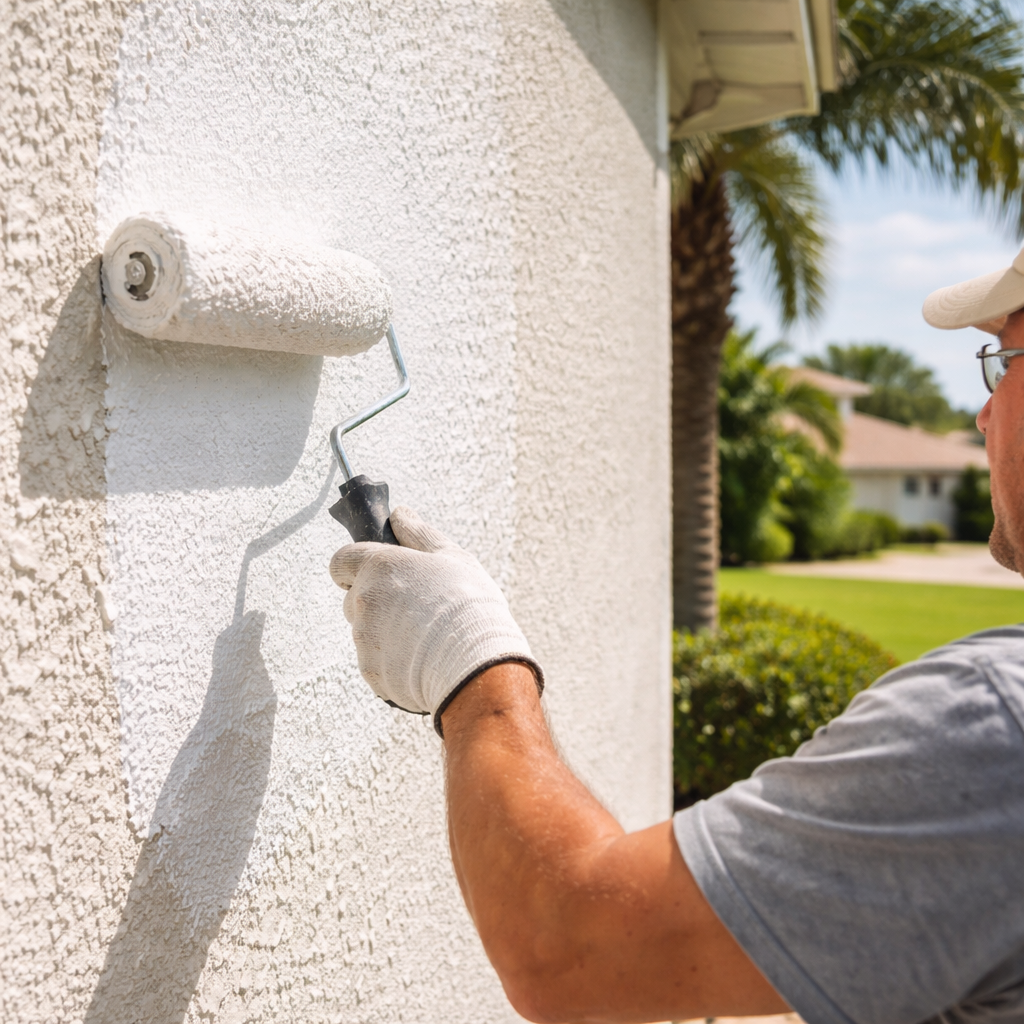
Take these steps, pick a breathable elastomeric or mildewcide‑rich acrylic, and your stucco will stay fresh longer, even when the sea breeze is strong.
Step 3: Prepare and Prime the Surface
First, clean the wall. A pressure washer removes salt, algae, and loose paint, but don’t blast so hard you carve the stucco. Let the surface dry at least 24 hours. If you live in Virginia Beach, the humidity can keep the wall damp longer, so a quick check with a moisture meter is worth it.
Next, patch any cracks. Hair line cracks (under 1/16") can be covered by an elastomeric coat, but anything bigger needs a proper stucco patch. Fill the gap, smooth it, and let it cure per the product directions.
Now comes the primer. A mildewcide primer blocks mold before it starts and seals chalky spots. BEHR® Multi‑Surface Stain‑Blocking Primer works well on uncoated or patched stucco. Apply a thin coat with a 3/4-inch nap roller, then let it dry until it feels dry to the touch, usually 30‑45 minutes in warm weather.
Tip: Tape a 2‑ft square, paint it, and check the dry to touch feel. If it’s still tacky, give it more time. A firm but not sticky surface means the primer is ready for the topcoat.
When you’re ready, you can read more about the whole painting process in Exterior Painting Virginia Beach: A Practical Guide for Homeowners. That guide walks you through tool selection, weather windows, and cleanup.
Step 4: Apply Paint Correctly
The paint will only last if you lay it on right.
Start with a clean roller. A 3/4‑inch nap works best on stucco because it holds enough paint to fill the texture without drips. Dip the roller, roll it off the tray, then roll a thin, even coat across the wall. Keep a wet edge so you don’t leave lines.
Do you wait for the right weather? Yes. Aim for a day when the temperature sits between 50°F and 80°F and the humidity is under 70%. If the air is too damp, the paint will stay tacky and may peel later.
Apply the first coat in one direction, then let it dry to the touch – about 30‑45 minutes in warm weather. Lightly sand any rough spots with a fine‑grit pad, then wipe away dust before the second coat.
When you add the second coat, work in the opposite direction. This helps the paint settle into the ridges and gives a smoother finish. Use a light touch; you don’t need a heavy buildup.
Tip: Paint a 2‑ft square on a hidden spot and feel it after it dries. If it’s firm but not sticky, you’re good to go.
For more details on tools, weather windows, and clean‑up, check the painting techniques and tips guide.
Step 5: Compare Top Paint Brands
Now that you know how to prep and apply, it’s time to pick a paint that will stand up to humid air and stucco texture.
Look for three things: the paint must breathe, it should push water away, and it needs a little stretch so cracks don’t show. Brands that hit all three tend to last longer on coastal walls.
When you walk the aisle, check the label for 'breathable' or 'mildewcide'. Feel the can – a thick, smooth coat usually means the paint will sit well on uneven stucco. Also note the warranty; a longer warranty often means the maker expects the paint to survive harsh weather.
Here’s a quick side‑by‑side view of three top choices you’ll see in most home‑center aisles.
Brand | Type | Why it fits humid stucco |
BEHR® Premium Elastomeric | Elastomeric | Stretches with wall, lets moisture escape |
Sherwin‑Williams Duration | Acrylic latex | Breathable, has mildewcide built in |
Benjamin Moore Aura® Exterior | Hybrid acrylic | Resists salt spray, holds color well |
Pick the one that fits your budget and the look you want. All three work well on rough stucco, but the elastomeric option gives the most flexibility on moving walls.
Before you buy, compare price per gallon and the recommended number of coats. In humid zones you may need two thin coats instead of one thick coat. That saves money and lets the wall breathe better.
Pick the brand that matches your style and let the paint protect your home for years. If you want more detail on how each finish works with siding, check the essential siding guide for a deeper dive.
Step 6: Maintenance and Longevity Tips
Good paint stays good when you give it a little love. A thin coat will crack if dust builds up, so keep the surface clean.
First, walk the house once a month. Look for water spots, peeling edges, or mold. If you see a speck, wipe it with a mild soap and water mix. Dry it well before the next rain.
Second, touch up any scratches right away. A small dab of the same paint can stop water from slipping behind the finish. Keep the original can for easy touch‑ups.
Third, check the caulk around windows and doors. In humid air, old caulk can shrink and let moisture in. Pull the old line and apply a fresh, paint‑ready sealant.
Seasonal care helps too. In the spring, give the wall a light rinse with a garden hose to remove salt spray. In the fall, make sure the gutters are clear so water doesn’t run down the stucco.
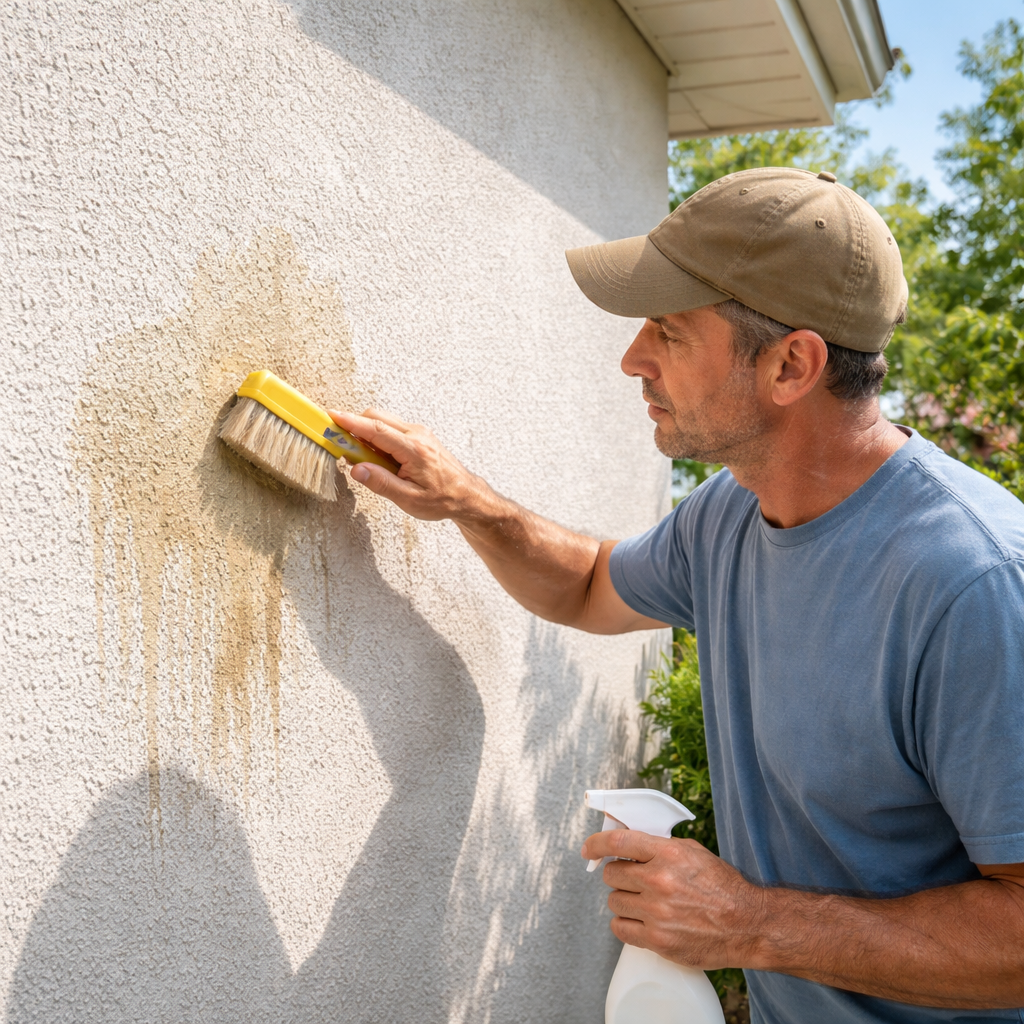
Finally, plan a full repaint every five to seven years. Even the best paint loses flexibility over time. When you’re ready, follow the steps in our siding maintenance guide for a smooth re‑coat.
Tip: store a spare quart of paint in a cool, dry spot. It’s handy for quick fixes and saves a trip to the store.
FAQ
What makes a paint the best choice for stucco in humid areas?
When the air is damp, the paint needs to let water vapor out while keeping rain out. Look for a breathable acrylic latex or an elastomeric formula that stretches with the wall. A mildewcide additive helps stop mold before it starts. These traits keep the coating flexible, dry, and long‑lasting even when the sea breeze is strong.
How often should I repaint a stucco wall in a coastal climate?
Most experts suggest checking the paint every five years. If you see chalky spots, peeling, or mold, a touch‑up is needed right away. A full repaint is usually best after ten years, but that can change if the house gets a lot of salt spray. Keeping a simple log of dates and products makes the schedule easy.
Can I use a regular interior paint on exterior stucco?
No. Interior paint isn’t made to handle sun, rain, or salt. It will trap moisture and peel quickly. Exterior paints are formulated with UV blockers and a film that breathes. Even a cheap exterior paint works better than any interior brand on a wall that faces the ocean.
Do I need a special primer before the top coat?
Yes, especially if the stucco is new or shows signs of mold. A mildewcide primer seals the surface and kills spores. It also helps the top coat stick, so you get a smooth finish. One coat is enough; just let it dry until it feels dry to the touch before you roll on the paint.
How can I tell if the paint is letting moisture out?
After the coat dries, press a dry cloth on a small hidden spot. If the cloth stays dry, the paint is breathing well. If it feels damp, the film may be too thick or not designed for humid air. A light back‑roll while the paint is still wet can help keep it thin enough to breathe.
What maintenance steps keep the paint looking good longer?
Walk the house twice a year with a soft brush and low‑pressure hose. Spot‑clean any algae or salt with a mild soap solution. Fix roof leaks and clean gutters before the rainy season. A yearly mist of mildewcide spray adds extra protection in the most damp corners.
Conclusion
Picking the best paint for exterior stucco in humid climates isn’t a guess; it’s a simple plan that stops mold, cracks, and costly repairs.
First, check the surface for cracks or salt. Then choose a breathable acrylic latex or an elastomeric coat with mildewcide primer. Roll on thin layers, let each dry, and keep a quick monthly walk‑around to catch any chips.
Follow these steps and you’ll see a smooth, long‑lasting finish that lets the wall breathe even when sea breezes roll in.
Need a hand? LGFMH Construction can prep the stucco and apply the paint so you skip the hassle and keep your home looking fresh.
Now you’ve got the know‑how—grab the right paint, prime right, and protect your house for years to come. Enjoy peace of mind every time the tide rolls in.


Comments