Chimney Flashing Repair Cost Guide: What to Expect in 2026
- William McKracherne
- Mar 13
- 8 min read

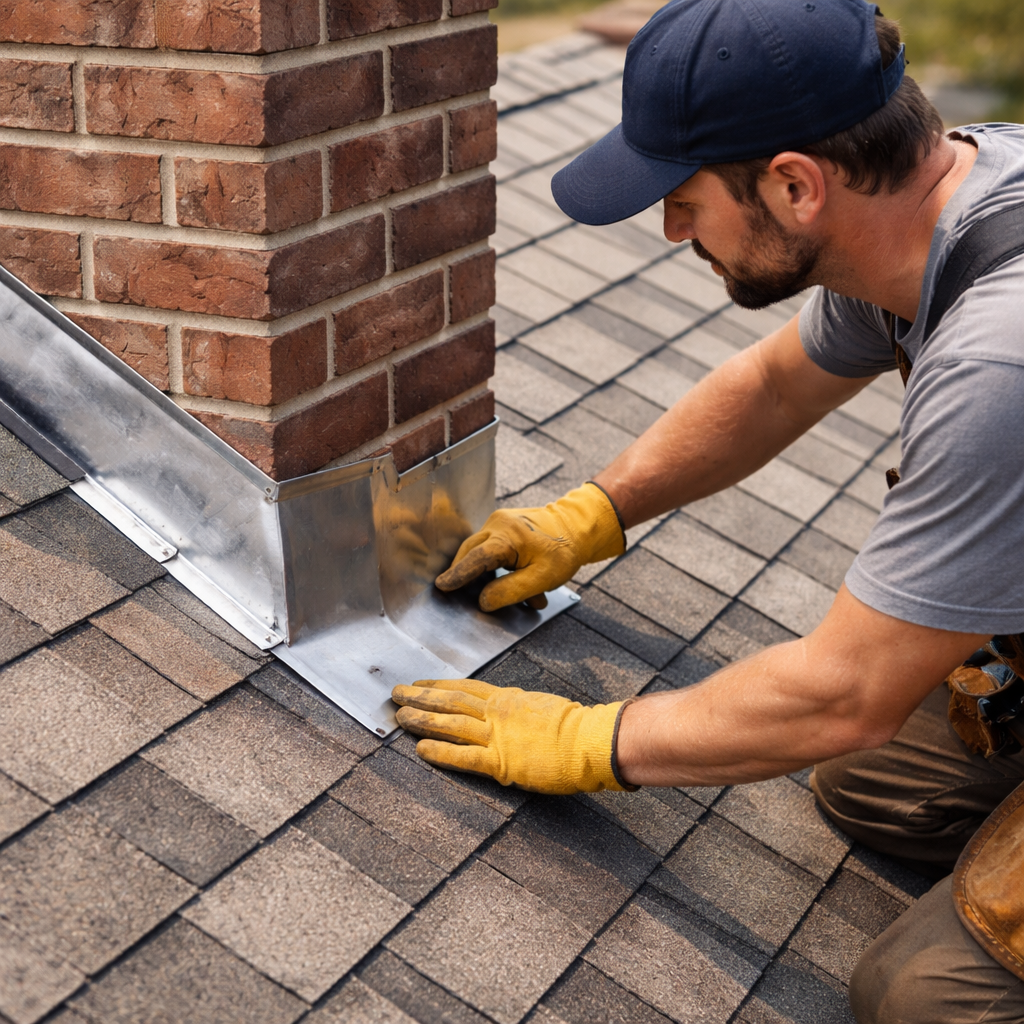
Chimney flashing repair cost can hit you out of the blue, and most homeowners don't see it coming until water starts seeping in.
A cracked or rusted flash means warm air escapes, cold drafts slip in, and the structure around the chimney gets soggy.
Fixing it right now saves you from bigger repairs later, like roof leaks or mold growth that can cost several thousand dollars.
Most of the time, the price breaks down into three parts: the material you need, the labor to take it off and put on new flash, and any extra work to seal the area properly.
In our area, a simple repair can run from $300 to $800, while a full replacement might climb to $1,200 or more, depending on how high the chimney sits and how accessible the roof is.
If you spot rust, gaps, or water stains around the chimney, call a trusted pro like LGFMH Construction. They’ll check the flash, give a clear quote, and fix it so you won’t worry about it later.
Remember, the cheapest fix isn’t always the best. Cheap materials can rust fast, forcing you back to the contractor in months. Investing a bit more now means a solid seal that lasts years.
What Is Chimney Flashing and Why It Matters
Chimney flashing is the thin metal sheet that seals the gap where the chimney pierces the roof. It sits under the shingles and over the roof deck, directing water away from the joint. Without it, rain finds its way straight into the house.
It matters because a failed flash lets warm air slip out and cold air pour in. That means higher heating bills, drafts in the living room, and moisture that can rot wood, rust metal, or grow mold in the attic. In short, it protects both comfort and structure.
Common signs of a bad flash are rust spots, cracked seams, or water stains on the ceiling directly beneath the chimney. When you spot these, the repair cost can rise quickly if the damage spreads to the roof decking. Typical chimney flashing repair cost includes the metal sheet, labor to remove old flash, and sealant to finish the job. Choosing a durable metal like copper or stainless steel may add a few hundred dollars, but it saves you from re‑doing the work in a few years.
The flash works with the roof’s slope, guiding water down the shingles and out the gutters. If the metal isn’t correctly bent or sealed, water can sit on the roof, freeze, and push the flash away.
Quick tip: check the flash each spring after the snow melts. Look for loose edges or rust, and wipe away debris. If anything looks off, call a trusted pro like LGFMH Construction. A proper inspection now can keep the chimney flashing repair cost low and your home safe.
Typical Chimney Flashing Repair Costs Explained
A busted flash can hit your wallet fast. Most jobs fall into three price buckets.
Simple repairs, usually a patch or a new piece for a low spot, run about $300 to $800. Labor makes up most of that bill because the roofer has to climb up, scrape off old metal, and seal every seam.
Partial replacements, swapping out a section that’s rusted or cracked, typically cost $800 to $1,200. The extra price comes from needing more material and a bit more time to fit the new flash to the roof’s angle.
Full replacements, taking off the whole flash and installing a brand-new one, can climb to $1,500 or more. Height, roof pitch, and how hard it is to reach the chimney all push the price up.
Tip: Ask for a written breakdown that shows material, labor, and any sealant fees. That way you can see where the big numbers are coming from.
If you’re curious about how flashing on windows compares, check out our window flashing repair cost guide. The same factors, material, labor, access, apply.
In coastal areas like Virginia Beach, salty air can speed up metal corrosion, so you might see the higher end of each range. On a steep roof, crews may need extra safety gear, which adds a few hundred dollars.
Cost breakdown at a glance
Repair type | Typical cost | What drives the price |
Simple patch | $300-$800 | Labor + small metal piece |
Partial replace | $800-$1,200 | More material + fitting time |
Full replace | $1,500+ | Height, roof pitch, full removal |
Bottom line: Spot rust or gaps early and you’ll likely stay in the simple-patch range. Waiting until water stains appear can push you into a full-replace bill.
DIY vs. Professional Chimney Flashing Repair
You can patch a rust spot yourself, but most flashing jobs end up costing more when you skip the right tools.
Climbing a roof, handling sheet metal, and sealing every seam takes skill and safety gear. If you’re not comfortable working at height or don’t have a proper ladder, the risk can outweigh any savings.
When DIY might work
Inspect the flash for cracks or rust; if damage is limited, clean the spot, apply a rust‑inhibiting primer, and seal it with high‑temp roofing tape or a thin metal patch.
You’ll need a sturdy ladder, safety harness, metal snips, drill and a quality sealant. Follow the cure time and make sure the patch sits flush with the roof slope.
DIY fixes usually keep the chimney flashing repair cost under $300, but a botched seal can cause water damage that quickly outweighs that saving.
Why a pro often makes sense
Professional crews bring experience, proper flashing materials, and warranty‑backed workmanship. They can replace a worn section, adjust the flash to match roof pitch, and apply a seamless seal that stands up to wind and rain.
Because labor and correct material make up most of the bill, hiring a pro usually lands you in the $800‑$1,200 range for a partial replacement—much less than paying for water damage later.
LGFMH Construction offers a service that includes inspection, safe removal, and a flash. For a deeper look at the process, see our essential chimney repairs guide.
Bottom line: If the flash is cracked, warped, or hard to reach, call a professional. If it’s a tiny rust patch you feel confident fixing, DIY can save a few bucks—but only if you do it right.
Additional Factors That Influence Repair Pricing
Beyond the basic material and labor, the real price driver is how hard it is to get to the flash.
Think about a chimney that sits on a steep roof. The crew needs extra safety gear, longer ladders, maybe a roof‑anchor system. Those items add a few hundred dollars to the bill.
And the type of metal matters. Aluminum is cheap, but in salty air it rusts faster, so pros often suggest galvanized steel or copper. Those metals cost more, but they keep the repair from becoming a repeat job.
Roof pitch and height
When the roof pitch is steep, the flash has to be bent to match the angle. Bending takes time and skill, which pushes up labor costs. A tall chimney means the crew works longer at height, which can also raise the price.
But it’s not just the roof. Local weather patterns matter too. In coastal towns like Virginia Beach, the salty breeze accelerates corrosion, so many contractors add a corrosion‑resistant coating. That extra step can add $150 to $300.
And don’t forget permits. Some cities require a permit for any work that touches the roof structure. Permit fees can be $50 to $100, and the paperwork adds a bit of admin time.
Finally, disposal of old metal isn’t free. Recycling fees or haul‑away charges often appear as a line item on the invoice. It’s a small cost, but it shows up in the final total.
Want a deeper look at how roof shape and local climate affect the bill? Check out our guide on roof repair considerations in Virginia Beach.
Saving Money: Tips and When to Call a Pro
First, look for the low‑cost fixes you can do yourself. Small rust spots can be scrubbed with a wire brush, then a bead of roof sealant can be applied. That simple step often keeps thechimney flashing repair costunder $100.
Check for hidden damage
Before you grab a brush, walk the roof and feel for soft spots around the chimney. If the decking feels spongy or you see water stains inside the attic, the problem is bigger than a patch. A hidden rot can add $500‑$1,500 to the bill.
One homeowner I talked to (hypothetical) found a damp spot after a storm, cleaned the flash, and still saw water. The fix turned out to be a rotted shingle deck, which required a pro to replace. That extra work pushed the total up by a few hundred dollars.
When a pro saves you money
Call a pro if any of these are true:
Cracks longer than a quarter inch.
Metal is bending or flaking.
You need safety gear for a steep roof.
Professional crews bring proper tools, safety lines, and know local code requirements. They can also spot extra issues—like a missing roof underlayment—that you might miss, avoiding future repair bills.
Experts also warn against unnecessary upsells. Chimney Bear notes that some companies add extra services that don’t actually lower thechimney flashing repair costbut just raise the price according to industry watchdogs. Ask for a line‑item breakdown and compare it to a second quote.
Action plan
1. Inspect after each big rain. 2. Scrub and seal small rust spots. 3. Write down any soft spots or leaks. 4. Call LGFMH or another trusted pro if you see any of the red flags.
Even your wardrobe can benefit from smart budgeting—see Fresh Fall Outfit Ideas to Elevate Your Autumn Style for a quick tip on stretching dollars.
Need a deeper dive on flashing signs? Yeager Roofing lists the classic clues to watch for in their guide. Follow the steps, and you’ll keep the chimney flashing repair cost low while staying safe.
For more on overall chimney upkeep, check the Essential Chimney Repairs Guide.
Conclusion
Keeping an eye on your chimney flash pays off. Spotting rust, cracks, or missing metal early keeps the chimney flashing repair cost low. A quick visual check after a storm can save you hundreds.
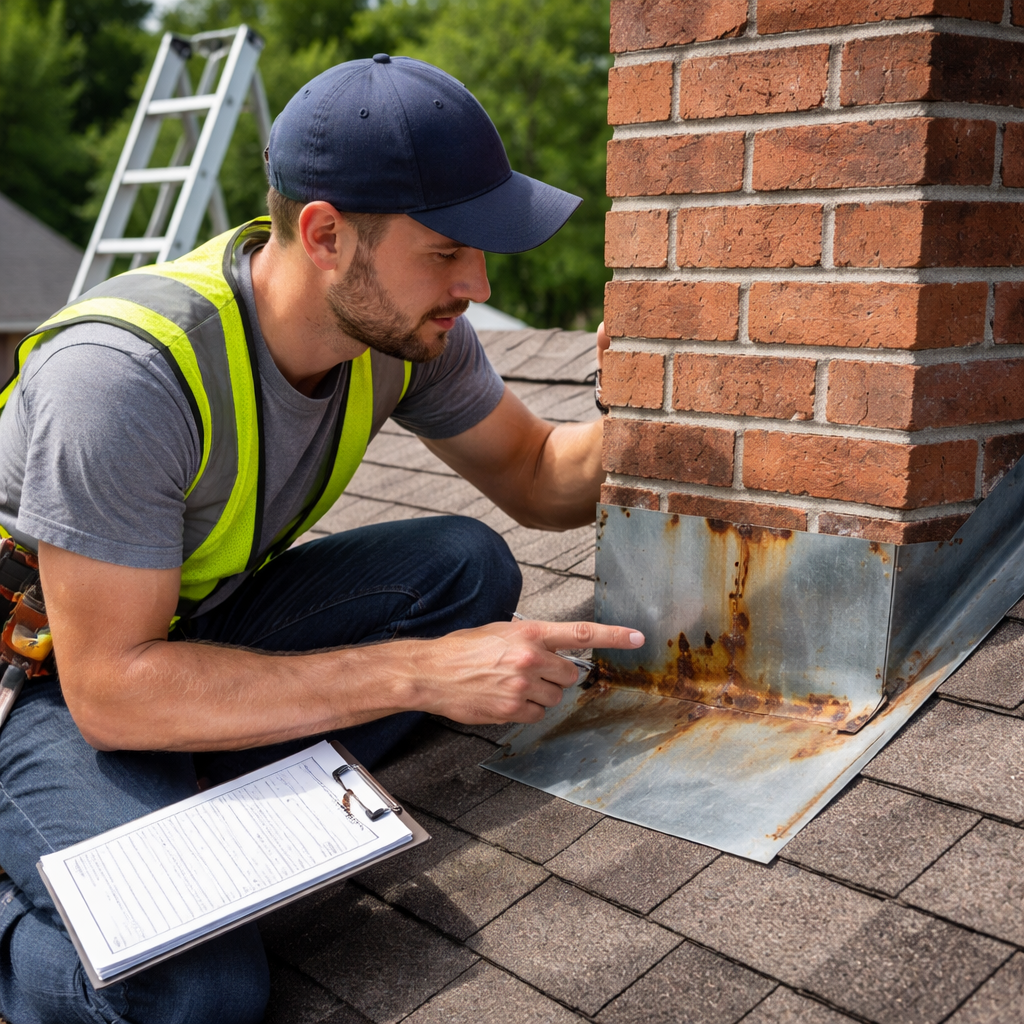
If you see any red flags, like a crack longer than a quarter inch, bent metal, or water stains, call LGFMH Construction. Their crew brings the right tools, safety gear, and code know‑how so the fix lasts. Remember to write down what you find and get a line‑item quote before work starts.
Take the habit of checking your roof each spring, wiping away debris, and sealing tiny rust spots. A little upkeep now means fewer surprise bills later and a safer home. Ready to protect your roof? Schedule a free inspection today.
FAQ
What factors affect chimney flashing repair cost?
The price changes based on three things: metal type, how hard the flash is to reach, and extra work needed. Galvanized steel is cheapest; stainless or copper cost more but last longer. A steep roof or tall chimney adds labor, and if safety lines or decking repairs are required, the bill climbs. Knowing these drivers lets you budget before a quote.
How often should I inspect my chimney flashing?
Do a quick visual check each spring and after any big storm. Look for rust, cracks longer than a quarter inch, or water stains on the ceiling. Note the size and call a pro within a week if you see anything. Checking twice a year usually catches wear early enough that a simple seal or small metal patch keeps the chimney flashing repair cost low.
When is it better to call a pro instead of DIY?
DIY works for a tiny rust spot you can see from the ground, but once metal bends, cracks, or is hard to reach, risk rises. A pro brings safety gear, proper fasteners, and knows local codes, saving you hidden damage later. If the issue is bigger than a quarter‑inch crack or you must lift shingles, call LGFMH Construction for a safe, code‑compliant fix.


Comments