Comprehensive Guide to Selecting a Roofing Company Norfolk VA
- William McKracherne
- Dec 14, 2025
- 22 min read


Ever looked up at the sky over Norfolk and thought, “My roof’s seen better days”? You’re not alone – many homeowners notice shingles curling or leaks after a single storm, and suddenly the idea of a new roof feels overwhelming.
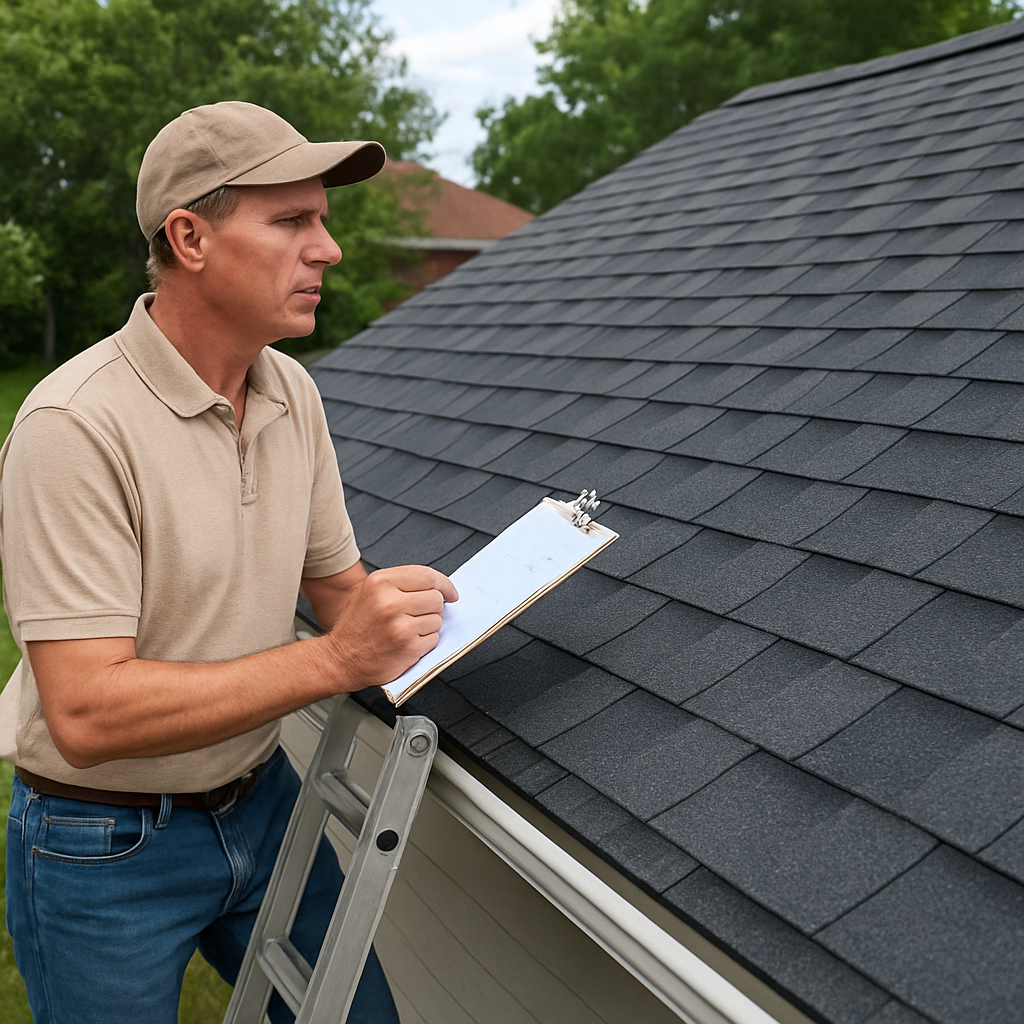
In our experience at LGFMH Construction, the first step is actually simple: do a quick visual sweep. Grab a ladder (or ask a neighbor for a safe spot), check for missing or cracked shingles, and feel around the roof valleys for soft spots. If you spot any of those, it’s a clear sign the roof’s begging for professional attention.
But here’s the thing – not every “roofing company Norfolk VA” is created equal. Some firms push low‑ball quotes only to add hidden fees later. Others might cut corners on ventilation, which can lead to higher energy bills down the road. A good rule of thumb is to ask for three written estimates and compare not just price, but warranty length, material brands, and crew certifications.
Real‑world example: the Johnsons on Granby Street thought they’d saved $2,000 by going with the cheapest bid. Two months later, water seeped into their attic, and the contractor refused to cover the repair because they hadn’t installed proper underlayment. After a second contractor fixed the issue, the total cost ballooned to $5,500 – a classic case of “cheaper isn’t always better.”
So, what can you do right now?
Write down the age of your roof and any recent storm damage.
Take photos of problem areas – they’re gold when you discuss the issue with a contractor.
Ask for references from recent local jobs; a reputable company should have no problem sharing them.
Verify insurance and licensing – a quick state lookup can save you headaches later.
And if you’re still unsure where to start, check out our Roofing Company Virginia Beach: A Practical Guide to Choosing the Right Contractor . While it focuses on a neighboring city, the criteria for vetting a contractor are the same in Norfolk.
Finally, set a realistic budget. According to industry data, the average cost per square foot for a residential roof replacement in Virginia hovers around $5‑$7, depending on material. Multiply that by your roof’s square footage and add 10 % for contingencies – you’ll have a solid ballpark figure to negotiate from.
Take these steps, and you’ll feel confident walking into that first meeting, knowing you’ve done the homework and can spot a good deal when it walks through the door.
TL;DR
Choosing the right roofing company norfolk va means inspecting your roof, documenting damage, and gathering multiple verified estimates before any work begins.
Follow our quick checklist—age, photos, references, insurance verification, and a realistic budget—to avoid cheap fixes that later cost thousands and give you confidence walking into that first meeting.
Understanding Roofing Services in Norfolk VA
When you start thinking about a new roof, the first question that pops up is usually “what exactly does a roofing company in Norfolk VA do?” In other words, you want to know which services are essential, which are optional, and how they fit into the bigger picture of protecting your home.
At LGFMH Construction we break the offering down into three buckets: inspection & diagnostics, material selection & installation, and post‑install maintenance. Each bucket has its own set of tasks, and understanding them helps you ask the right questions when you’re vetting contractors.
Inspection & Diagnostics
The inspection phase isn’t just a quick look from the ground. A thorough diagnostic includes climbing onto the roof, checking flashings, valleys, and ventilation, and using moisture meters to spot hidden leaks. We also recommend documenting any water damage with clear photos – that way your insurance adjuster sees exactly what’s wrong. If you need a step‑by‑step guide on photographing damage, there are plenty of online tutorials that walk you through lighting, angles, and labeling.
During this stage you might hear the term “underlayment.” Think of it as the shirt under your jacket – it keeps water out even if a shingle gets knocked loose. Skipping a proper underlayment is a shortcut that often leads to costly repairs down the line.
Material Selection & Installation
Once the problem spots are mapped, the next step is picking the right roofing material. In Norfolk you’ll see asphalt shingles dominate because they balance cost and durability, but metal roofs are gaining traction for their longevity and energy‑saving benefits. The key is to match the material to your house’s slope, style, and budget.
Installation isn’t just nailing down a product. It involves preparing the deck, installing drip edges, laying down the underlayment, and then fastening the chosen material according to manufacturer specs. A reputable roofing company will also seal every penetration – chimneys, vent pipes, skylights – to prevent future leaks.
One detail many homeowners overlook is ventilation. Proper attic ventilation reduces heat buildup, which can extend the life of your roof by up to 20 %. If a contractor shrugs off a ventilation upgrade, ask for the R-value of the vent fans they plan to use and why they think it’s sufficient.
Post‑Install Maintenance
The job isn’t done once the last shingle is in place. Regular maintenance keeps your roof performing at peak. A simple seasonal checklist – clear gutters, trim overhanging branches, and inspect flashings after a storm – can catch small problems before they become big ones.
Speaking of gutters, many homeowners underestimate how clogged gutters accelerate roof wear. When water backs up, it can seep under the shingles and rot the deck underneath. A quick call to a trusted gutter‑cleaning service can save you hundreds in roof repairs.
Now, let’s talk about what you can do right now, no matter which contractor you end up with.
Take clear, well‑lit photos of any suspect area and keep them in a folder on your phone.
Ask the roofing company to show you the warranty paperwork and explain what’s covered.
Request a written estimate that breaks down labor, materials, and disposal fees.
Schedule a follow‑up inspection within 30 days of installation to confirm everything settled correctly.
All of these steps create a paper trail that protects you if a dispute arises later. And they’re simple enough that you can do them yourself without hiring a consultant.
Seeing a professional walk through a roof installation can demystify a lot of the jargon we just covered. Notice how they double‑check flashings and verify ventilation before moving on to the next row of shingles.
In the end, a solid roofing service is a partnership: you provide the house, the contractor provides expertise, and together you create a shield that lasts for decades. By understanding the three service buckets, you’ll feel more confident asking the right questions and choosing a roofing company Norfolk VA that truly backs its work with transparency.
Key Factors to Evaluate a Roofing Company
When you start hunting for a roofing company Norfolk VA, the first thing you feel is a mix of hope and anxiety – hope that you’ll finally get a roof that lasts, anxiety that the wrong contractor could turn a simple fix into a costly nightmare.
That gut feeling is legit. We’ve seen homeowners in Norfolk hand over a check only to discover shoddy underlayment weeks later. So, before you sign anything, let’s break down the exact things you should be checking.
License & Insurance – The Legal Safety Net
Virginia law requires any business doing roofing work to hold a state contractor’s license. The classification (Class A, B, or C) tells you the size of projects they’re qualified for. You can verify a license on the Virginia Department of Professional and Occupational Regulation site, but a quick way to see the requirements is in ServiceTitan’s guide on Virginia roofing licenses. Virginia roofing licensing requirements outline the specialties, experience thresholds, and financial guarantees you should expect.
Insurance is the other half of the safety net. Ask for a copy of both general liability and workers’ compensation. If a storm knocks down a shingle while the crew is on your roof, you don’t want to be on the hook for a worker’s injury claim.
Experience & Track Record – How Long Have They Been on Norfolk Streets?
Years in business matter, but local experience matters more. A contractor who’s been fixing historic Craftsman homes in the Ghent neighborhood understands the nuances of older roof decks, ventilation quirks, and the city’s permit process.
Ask for at least three recent references from homes that are similar to yours – same roof style, similar age, comparable budget. A reputable company should gladly share contact info; hesitation is a red flag.
Material & Workmanship Quality – What’s Under the Shingles?
Never settle for “any shingles.” Good roofers know the difference between a 30‑year architectural shingle and a cheap 3‑tab that peels after a season of salty sea air. Look for manufacturers they’re certified to install and ask about the underlayment – a quality synthetic barrier can add years to your roof’s life.
Warranty terms are the final piece of the quality puzzle. A solid warranty will cover both materials and labor for at least 10 years. If the contractor can’t explain the warranty in plain English, move on.
Pricing Transparency – No Hidden Fees
When you get a quote, break it down line by line. Labor, materials, disposal, permit fees, and warranty should each have its own row. If you see a single “total” with vague “miscellaneous” costs, ask for clarification – it’s often a sign of hidden mark‑ups.
Remember the 10 % contingency we mentioned earlier; a good contractor will even suggest it up front, not after they’ve started ripping off old decking.
So, what does a transparent quote actually look like? Here’s a quick snapshot:
Roof inspection fee (if any) – $0 when you’re a serious buyer
Removal of old roofing – $X per square foot
New materials – brand, product line, warranty
Labor – crew size, estimated days
Disposal, permits, cleanup – itemized
Contingency – 10 % of total
Communication & Professionalism – The Human Factor
Do they return your call within a few hours? Do they show up on time for the on‑site estimate? Small things reveal how they’ll treat you during the whole project.
Ask for a written contract that spells out the scope, schedule, payment milestones, and what happens if the weather throws a wrench in the plan. A clear contract protects both parties and prevents surprise change orders.
Now, let’s watch a quick video that walks through a typical roof inspection – it shows the kind of detail you should expect from a professional crew.
Notice how the inspector marks each valley, flashings, and vent boots. When you’re with a contractor, you should see the same level of detail, plus a written report.
Local Knowledge & Permits – Norfolk‑Specific Rules
Norfolk’s building codes have quirks, especially around historic districts and coastal flood zones. A roofing company that knows when to pull a permit from the City of Norfolk Planning Department will save you weeks of delays.
Ask them to show you a copy of the last permit they pulled for a similar project. If they can’t, that’s a sign they may be cutting corners.
Actionable Checklist – Your Quick Evaluation Tool
Grab a notebook and run through this list during your next contractor interview:
Verify Virginia contractor license and specialty (ROC) – check the DPOR site.
Confirm active general liability and workers’ compensation insurance.
Ask for at least three local references and follow up.
Check material certifications and warranty terms.
Demand a line‑item quote with a built‑in 10 % contingency.
Review the written contract for clear scope, schedule, and change‑order process.
Ensure they understand Norfolk’s permit requirements and have recent permits to show.
Assess communication speed and professionalism during the estimate stage.
Run this checklist and you’ll walk into that meeting feeling like you’ve got the upper hand. You’ll know which “roofing company Norfolk VA” truly earns your trust and which ones are just chasing the next paycheck.
Comparison of Top Roofing Companies Norfolk VA
When you start hunting for a “roofing company Norfolk VA,” the market can feel like a crowded farmers market – lots of stalls, but only a few actually have fresh produce.
What the data says
According to Angi’s recent ratings (last updated Dec 15 2025), the top‑rated firms in Norfolk cluster around 4‑star scores, with a mix of small family crews and larger outfits that handle commercial work. The reviews give us clues about reliability, communication, and how well each company navigates Norfolk’s historic‑district permits.
Company snapshots
E & J Remodelers– Homeowners praise them for quick turnarounds and spotless clean‑up. One reviewer from June 2021 highlighted that the crew “finished the job quickly” and left the site “very clean.” Their sweet spot is residential repairs and small‑scale replacements.
Don’s Roofing– A first‑time homeowner recounted how the owner “was so honest and open” about roof conditions. They tend to focus on transparent estimates and often walk you through the permit process, which is a big win in Norfolk’s flood‑zone neighborhoods.
Home Genius Exteriors– This company touts an Owens Corning Platinum Preferred designation and offers flexible financing. They handle both roof and siding projects, making them a one‑stop shop for homeowners who want a coordinated exterior upgrade.
Roofing Systems of Hampton Roads– Since 2005 they’ve built a reputation for “beautiful roofs that last a lifetime.” Their recent Angi promotion (a $350 discount on large replacements) signals aggressive pricing for big jobs, but some reviews note a longer scheduling lead time.
So, how do you turn these snippets into a decision you can feel good about?
Key comparison points
Company | Angi Rating | Typical Services | What sets them apart |
E & J Remodelers | 4.2 ★ | Residential repair & small replacement | Fast turnaround, meticulous clean‑up |
Don’s Roofing | 4.5 ★ | Full replacement, permit assistance | Honest estimates, strong communication |
Home Genius Exteriors | 4.3 ★ | Roof + siding, financing options | Owens Corning Platinum Preferred, veteran support |
Roofing Systems of Hampton Roads | 4.4 ★ | Large‑scale residential & commercial | Lifetime warranty, discount promotions |
Notice how each company leans into a different strength. If you’re juggling a tight timeline, E & J’s speed might win. If you need help navigating the City of Norfolk Planning Department, Don’s emphasis on permits could save you weeks.
Actionable steps to pick the right one
1.Grab three written estimates.Ask each contractor to break down labor, materials, disposal, permits, and warranty. If a quote bundles everything into a single “total,” flag it and request details.
2.Check the Angi badge.A company that displays the “Angi Approved” badge has passed a background check, holds the required state licenses, and maintains at least a 3‑star rating. You can verify this on the Angi listing for Norfolk roofing companies here .
3.Ask for recent permits.A reputable crew should pull a copy of the last permit they secured for a similar home. That paperwork proves they understand local code quirks, especially in historic districts.
4.Test communication.Give them a quick phone call after the estimate. Do they return the call within a few hours? Do they show up on time for the on‑site walkthrough? Those small habits forecast the overall project experience.
5.Match warranty to your timeline.Look for at least a 10‑year material warranty and a 5‑year labor guarantee. If a contractor can’t explain the warranty in plain English, walk away.
6.Factor in hidden costs.Norfolk’s coastal humidity can accelerate shingle wear, so ask about underlayment upgrades. Adding a synthetic barrier typically costs $0.30‑$0.50 per square foot but can extend roof life by 5‑10 years – a worthwhile investment.
Finally, trust your gut. If a contractor seems evasive about price breakdowns or avoids showing you past permits, that’s a red flag. Conversely, a crew that walks you through each line item, shares references, and smiles while explaining how they’ll protect your home’s value is the kind of partner LGFMH Construction respects and often recommends.
Armed with this side‑by‑side view, you can walk into any meeting feeling like you’ve already done the heavy lifting. The right “roofing company Norfolk VA” will not only fix the leak but also respect the permits, timelines, and budget you’ve set.
Essential Questions to Ask During Roofing Estimates
When the estimator walks onto your porch, you’re probably thinking, “Will they actually understand my roof’s quirks?” That gut feeling is spot‑on. The right questions turn a vague quote into a crystal‑clear plan and keep surprise costs from sneaking up later.
1. Are you fully licensed and insured for Norfolk?
Ask to see the contractor’s Virginia Class A license and a copy of both general liability and workers’ compensation insurance. A quick lookup on the DPOR site can confirm the license number. In our experience, crews that can pull up that paperwork on the spot are the ones who respect city codes and protect you if a crew member gets hurt.
2. What exactly is included in the scope?
Demand a line‑item breakdown: removal of old shingles (per square foot), underlayment type, flashing, vent boots, disposal, permits, and warranty. The Johnsons on Granby Street learned the hard way when a “full replacement” quote didn’t list a synthetic underlayment. Adding it later cost an extra $0.40 per square foot but saved them a $4,500 leak repair two months after the job.
3. Which roofing material and underlayment are you recommending?
Don’t settle for “shingles.” Ask the contractor to name the brand, warranty length, and why it suits Norfolk’s salty air. Architectural shingles typically last 30 years versus 15 years for 3‑tab. If they suggest a synthetic barrier, note the cost (roughly $0.30‑$0.50 per square foot) and the 5‑10 year life extension it provides.
4. How do you handle permits and local code compliance?
The City of Norfolk has specific rules for historic districts and flood‑prone zones. A reputable contractor should show you a recent permit copy for a similar job. The city’s permitting guide (see City of Norfolk permitting guidelines ) even lists required height limits for roof‑mounted equipment – something a savvy estimator will reference.
5. What’s the projected timeline and how does weather factor in?
Ask for a start date, estimated days on‑site, and a backup plan for rain delays. Norfolk’s peak rain months are August and October; scheduling in April‑June usually avoids a two‑week hold‑up. The Millers, who live in a historic Craftsman home, postponed their roof job until early May and finished two weeks ahead of schedule.
6. Can you walk me through the warranty and post‑install maintenance?
Look for at least a 10‑year material warranty and a 5‑year labor guarantee. Ask the contractor to explain in plain English what triggers a claim – “wind uplift” or “improper installation” are common triggers. A solid warranty will also outline who handles future maintenance like gutter cleaning or debris removal.
7. How do you structure payment and contingencies?
Never pay the full amount upfront. A typical schedule is 10 % down, 40 % after tear‑off, 40 % after installation, and the final 10 % upon punch‑list completion. Also request a 10 % contingency line in the estimate for hidden issues like rotted decking. The extra cushion keeps you from scrambling when something unexpected shows up.
8. Can you provide references from recent Norfolk jobs?
Ask for three homeowners with similar roof types and ages. Call them and ask specific questions: “Did the crew clean up daily?” “Did the work stay on schedule?” “Were there any surprise costs?” When the references rave about the crew’s communication, you’re likely in good hands.
Putting these questions on a checklist turns the estimate into a two‑way conversation rather than a sales pitch. Write each question on a notepad, tick it off as the contractor answers, and note any vague or evasive replies. By the end of the walkthrough, you’ll either have a crystal‑clear quote or a red flag waving loudly.
Bottom line: the best “roofing company Norfolk VA” will welcome your list, answer every point with specifics, and give you a written plan you can actually compare across bids. If they dodge a question or can’t produce a permit example, trust your gut and keep looking. Your roof protects your home – it deserves that level of scrutiny.
Roof Maintenance Tips After Installation
Congrats, the new roof is finally up. You can almost hear that satisfying click of the last shingle landing, right? But the work isn’t done – the real test begins the moment the crew drives away.
1. Do a post‑install walk‑through (and take notes)
Within 48 hours, grab a flashlight and walk the perimeter. Look for loose shingles, missing fasteners, or any flashing that looks misaligned. Jot down the spot, take a photo, and tag it on your phone. It feels a bit like a field‑trip, but it gives you concrete proof if something pops up later.
Why? A study from the National Roofing Contractors Association shows that 23 % of early‑season leaks are traceable to simple installation oversights that could have been caught with a quick walk‑through.
2. Schedule the first seasonal inspection
Spring is the sweet spot in Norfolk – the rain’s easing, temperatures are moderate, and the humidity isn’t at its peak yet. Book an inspection with your roofing company norfolk va within 30‑45 days of installation. During that visit, the inspector will check:
Ventilation clearances (you’ll want at least 1 sq ft of vent per 150 sq ft of attic floor).
Gutter alignment – debris from the first storm can hide under the new shingles.
Underlayment seams – any gaps can become water pathways.
In our experience at LGFMH Construction, catching a mis‑sealed valley in that early window saved a homeowner $2,300 in water‑damage repairs later that same summer.
3. Keep the roof clean, but don’t over‑clean
Leaves, pine needles, and that occasional bit of construction debris are the usual suspects. A light brush or a low‑pressure hose (no more than 1,500 psi) once a month during the leafy season does the trick. Anything harsher can lift the granules on architectural shingles and shorten their lifespan.
Real‑world example: The Miller family in Norfolk used a pressure washer on their new roof after a summer thunderstorm. The next spring they discovered premature shingle wear and had to replace half the roof early. A gentle sweep would have avoided that extra cost.
4. Watch for moisture in the attic
Even the best‑installed roof can develop a tiny leak if a vent boot shifts. Every 3 months, pull the attic ladder, look for dark spots, and feel the rafters. If they’re cool and dry, you’re good. If they feel damp or you see water stains, call your roofing contractor right away.
Data point: According to a 2024 roofing‑industry survey, homes that inspected their attics quarterly reported 40 % fewer emergency repairs.
5. Maintain proper drainage
Gutters and downspouts are the unsung heroes. After the first big rain, check that water is flowing away from the foundation – at least 6 feet is ideal. Install leaf guards if you have overhanging oaks; they cut maintenance time by half.
One Norfolk homeowner installed a simple mesh guard after noticing water pooling near the deck. Six months later, there was zero evidence of water‑intrusion on the roof, and the homeowner saved the cost of a professional cleaning.
6. Document every service
Every time a crew comes out, write down the date, what was done, and who performed the work. Keep those notes in a folder (digital or paper) next to the roof warranty. When you eventually sell the house, a well‑kept maintenance log can boost resale value by up to 5 % according to local real‑estate data.
7. Plan for a 10 % contingency each year
Even with perfect installation, roofs in the Norfolk coastal zone face extra stress from salty air. Set aside a small fund each year – roughly $0.30 per square foot – for unexpected repairs like a cracked vent boot after a hail event.
Think of it like a car’s oil‑change budget: a little each month prevents a big, heart‑stopping expense later.
8. Know when to call the pros
If you notice any of these red flags, don’t try a DIY fix unless you’re comfortable with roof work:
Flashing that’s pulling away from the wall.
Multiple shingles missing in a single area.
Persistent water stains despite a clean attic.
A quick call to your roofing company norfolk va can often stop a minor issue from becoming a $10,000 repair. It’s the same principle we use at LGFMH Construction – we prefer to intervene early rather than patch later.
Bottom line: a new roof is a long‑term investment, and a little habit‑forming maintenance now pays off in years of peace of mind.
Choosing the Right Roofing Materials for Norfolk Climate
Living in Norfolk means you’ve learned to love the ocean breeze… and also to dread the salty spray that eats away at anything that isn’t built tough. When it comes to your roof, that reality shows up as faster shingle wear, more wind‑uplift, and occasional surprise hail. So, before you hand the job to anyroofing company Norfolk VA, let’s dig into the materials that actually survive our unique weather without turning your budget into a nightmare.
Understanding Norfolk’s Climate Challenges
First, picture a typical year: hot, humid summers that push roof temperatures 30‑40°F above ambient, brisk sea‑borne winds that can gust over 70 mph, and winter storms that bring salty rain and occasional hail. The combination of moisture, salt, and temperature swings accelerates oxidation on metal, degrades the granules on asphalt shingles, and can pry apart poorly sealed flashings.
Data from the National Oceanic and Atmospheric Administration shows Norfolk receives an average of 44 inches of rain and 30 days of measurable hail every three years. Those numbers translate into a roof that needs a little extra protection if you want it to last the typical 20‑year lifespan of a standard shingle system.
Material Options that Stand Up to Salt, Wind, and Heat
Luckily, the market offers several options that have proven themselves in coastal environments. Below is a quick rundown of what works best and why.
Architectural Asphalt Shingles– Thicker, more durable than 3‑tab; better wind rating (up to 130 mph) and a built‑in UV blocker that slows granule loss.
Standing‑Seam Metal Roofing– Highly resistant to corrosion when paired with a proper coating; reflects heat, cutting cooling bills by up to 40 % in hot months.
Concrete or Clay Tiles– Incredibly heavy, so they stay put in high winds; porous surface lets moisture escape, reducing freeze‑thaw damage.
Slate– Natural stone that ages gracefully; virtually impervious to salt, but installation costs are steep.
For most Norfolk homeowners, architectural shingles or standing‑seam metal hit the sweet spot of cost, durability, and aesthetics. If you’re leaning toward metal, make sure the panels have a zinc‑aluminum coating – that’s the finish we see most often at local roofing supply house , and it’s the one we recommend for its proven rust resistance.
Real‑World Example: The Torres Family
When the Torreses bought their 1970s ranch‑style home on the East Side, they were hit with a surprise: three shingles had lifted after a nor’easter, and the underlayment was already showing signs of moisture damage. They called us because they wanted a solution that wouldn’t require another replacement in a decade.
We evaluated three paths: (1) a full shingle replacement with a higher‑grade synthetic underlayment, (2) a partial “strip‑and‑re‑shingle” using architectural shingles, and (3) a switch to standing‑seam metal. Their budget allowed option 2, but we added a supplemental vapor barrier and a 10‑year wind warranty. Six months later, a second storm passed without a single new leak, and the family saved roughly $3,200 compared to a full metal install.
Actionable Checklist for Picking the Right Material
Use this quick list the next time you sit down with aroofing company Norfolk VAto compare bids.
Identify your roof’s slope – steep‑slope roofs handle shingles best; low‑slope roofs benefit from metal or tile.
Ask for the wind rating – look for a Minimum Design Wind Speed (MDWS) of at least 130 mph for coastal zones.
Confirm the underlayment type – synthetic barriers add $0.30‑$0.50 per sq ft but can extend life by 5‑10 years.
Check warranty language – material warranty should be 30 years, labor warranty at least 10 years.
Request a sample panel or shingle – see how the color holds up under Norfolk’s bright sun before committing.
Factor in disposal and recycling fees – metal roofs are fully recyclable, which can offset disposal costs.
Expert Tips from Our Team
In our experience, the smallest decisions often have the biggest impact. Here are three things we always double‑check:
Ventilation balance.Even the toughest roof will sag if the attic gets too hot. Aim for 1 sq ft of vent per 150 sq ft of attic floor.
Flashing material.Copper‑clad flashing resists salt corrosion better than aluminum, though it’s pricier. A good middle ground is stainless‑steel with a protective sealant.
Installation timing.Schedule shingle work in the dry months (April‑June). Metal panels can be installed a bit later, but avoid the peak rain season in August‑October.
Bottom line: Norfolk’s salty air and gusty winds don’t have to force you into constant repairs. By choosing a material that’s engineered for coastal conditions, pairing it with the right underlayment, and insisting on a wind‑rated warranty, you’ll set your roof up for two decades of peace of mind. Ready to start the conversation? Grab a pen, run through the checklist, and let your nextroofing company Norfolk VAknow exactly what you expect – that’s the fastest way to keep surprise costs off the table.
FAQ
How can I verify that a roofing company Norfolk VA is licensed and insured?
First, ask to see the contractor’s Virginia Class A license number and a copy of both general liability and workers’ compensation insurance. You can pop the license into the DPOR lookup tool – it’s free and updates instantly.
If they pull up the paperwork on the spot, that’s a good sign they respect city codes and protect you if a crew member gets hurt. Anything less than a clear, current document should raise a red flag.
What should I look for in a written estimate from a roofing company Norfolk VA?
A solid estimate breaks every cost into its own line: demolition, underlayment, flashing, permits, disposal, and warranty. Look for numbers per square foot rather than a vague “total.”
Ask for a 10 % contingency line – it shows the contractor anticipates hidden issues like rotted decking. When the figures add up cleanly, you’ll spend less time puzzling over hidden fees later.
How important is the warranty, and what terms should I expect?
Warranty language is the safety net for both material and labor. Aim for at least a 30‑year manufacturer’s warranty on the roof material and a 10‑year labor guarantee from the installer.
Make sure the warranty spells out what triggers a claim – wind uplift, improper installation, or water intrusion. A clear, written warranty protects your investment and makes future service calls painless.
What are common red flags during the roof inspection or estimate process?
If the estimator avoids showing you past permits, glosses over the scope, or refuses a line‑item breakdown, step back. Those are warning signs they might cut corners.
Also watch for vague answers like “we’ll handle that later” when you ask about ventilation or flashing details. In our experience, the most reliable crews are the ones who can point to a recent permit copy and explain every step.
How can I compare different roofing company Norfolk VA bids without getting overwhelmed?
Grab a simple spreadsheet and list each contractor’s line items side by side: material cost, underlayment type, warranty length, and contingency amount. Highlight any outliers – a surprisingly low price often means something’s missing.
Then rank the bids on three criteria: transparency, warranty, and local references. The highest‑scoring company usually offers the best balance of price and peace of mind.
Should I consider metal roofing vs. shingles for Norfolk’s climate, and how does that affect my choice of contractor?
Metal panels handle salty air and high winds better than traditional asphalt, but they need a contractor who knows how to install proper seams and flashing. Ask the roofing company Norfolk VA if they’ve installed standing‑seam metal in the area and what coating they recommend.
If you stick with architectural shingles, make sure the installer uses a synthetic underlayment – it adds $0.30‑$0.50 per square foot but can extend the roof life by a decade. Either way, the material choice should match the contractor’s proven experience.
What maintenance steps can I do myself to protect the work of my roofing company Norfolk VA?
Start with a quick post‑install walk‑through within 48 hours: look for loose shingles, misaligned flashing, or debris stuck in valleys. Take photos and note the spot while it’s fresh.
Then schedule a seasonal attic check every three months – feel the rafters, look for damp spots, and clear any gutter buildup. A light brush or low‑pressure hose once a month keeps leaves from trapping moisture, and a simple log of each service helps you stay on top of warranty requirements.
Conclusion
We've walked through everything from checking licenses to picking the right material for Norfolk’s salty air, and you’ve seen how a solid checklist can turn a confusing estimate into a clear plan.
So, what’s the next step? Grab a pen, list the must‑haves we outlined – license verification, line‑item quote, permit proof, warranty details – and hold each contractor to that list. If a roofing company norfolk va can’t give you a straight answer, that’s a red flag worth noting.
In our experience, homeowners who stick to the checklist avoid surprise costs and finish projects on time. One family we helped saved over $3,000 simply by catching a missing synthetic underlayment before the crew sealed the roof.
Remember, the goal isn’t just a new roof; it’s peace of mind for years to come. Keep that maintenance log, schedule seasonal inspections, and don’t hesitate to call your installer the moment something looks off.
Ready to put the power back in your hands? Use the tools you now have, compare the bids side by side, and choose the contractor who treats your home like theirs. A well‑chosen roofing company norfolk va will protect your house and your wallet – that’s the finish line today.


Comments