Door Guide: How to Choose the Best Doors for Style, Material, and Security
- William McKracherne
- Jan 29
- 16 min read

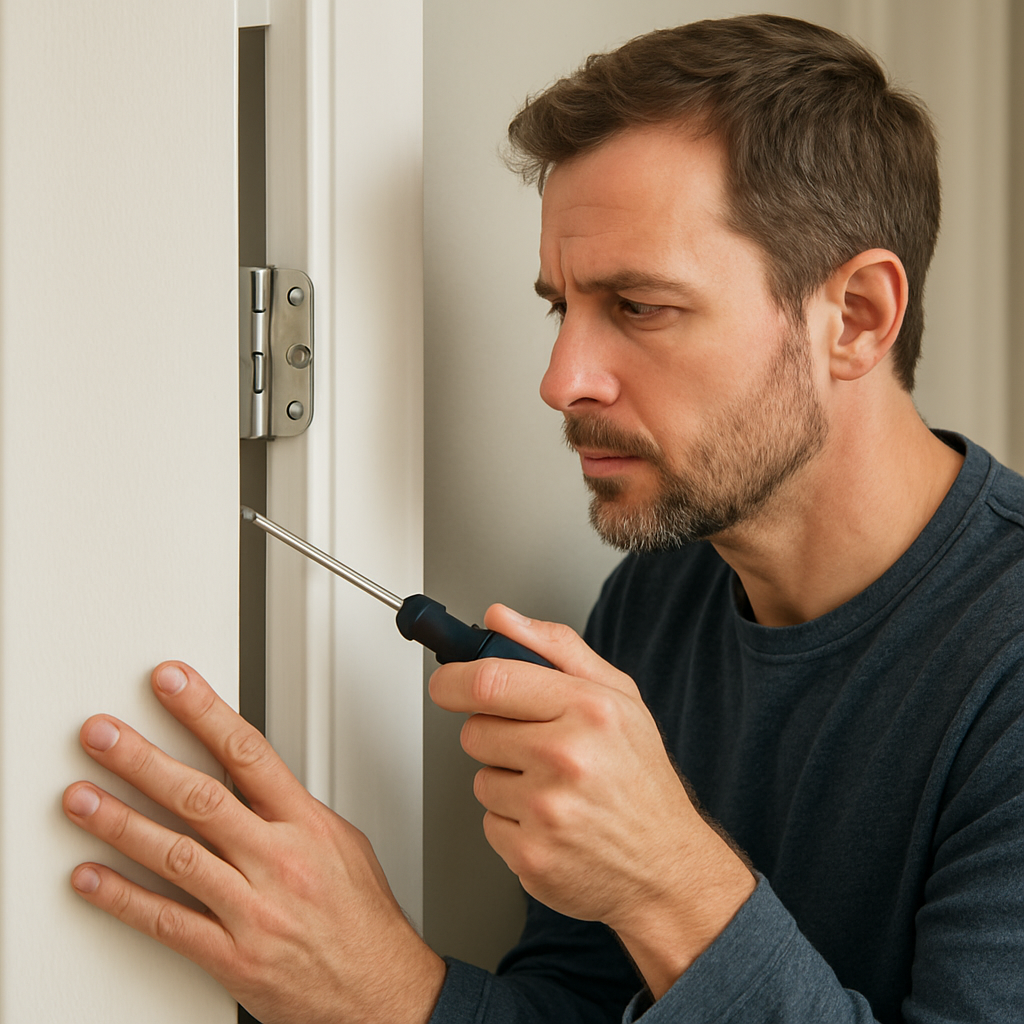
When you walk into a home, the first thing that catches your eye is usually the door. It’s the silent gatekeeper, the front line of protection, and honestly, the first thing people notice when they visit.
Ever stop and think about how a door sets the tone for the space it guards? Does a sleek, modern entryway feel warmer than a worn, creaky threshold?
In this guide we’ll peel back the layers of what makes a door more than just wood or metal. We’re not talking about generic home improvement fluff; we’re talking real, everyday choices that affect your safety, energy use, and curb appeal.
We’ll walk through the most common door dilemmas—warping, drafts, broken hinges—and show you how to spot them before they turn into costly headaches.
In our experience, a well-chosen door can cut down on heating bills and boost a home’s resale value. The right frame and finish can also prevent the dreaded “noisy night” that keeps you up.
First, let’s break down the types: solid wood, steel, glass, and composite. Each has its own personality and set of pros and cons. For example, a solid wood door feels cozy but needs more upkeep, while a steel door offers top-tier security and minimal maintenance.
Next up, the real pain points: warped frames, uneven gaps, and rusted hinges. These small imperfections can cause big problems—water leaks, drafts, and even structural stress. Spotting them early saves money and hassle.
We’ll also share quick maintenance hacks: a simple sealant touch-up can seal a draft, a quick tightening of hinges stops squeaks, and a periodic check of the strike plate keeps the latch tight.
Before you buy or repair, take a quick inventory. Measure your doorway, note the current finish, and jot down any quirks. This baseline will guide you through the rest of the process and keep you from buying a door that just isn’t right.
Ready to make your door work for you, not against you? Let’s dive in and uncover the secrets to a door that’s sturdy, stylish, and stress‑free.
TL;DR
If a door feels like a gatekeeper, the right choice can slash heating bills, boost resale value, and keep that nightly squeak from draining your peace. By spotting warped frames, sealing drafts, and tightening hinges early, you turn maintenance into a breeze, ensuring your home stays secure, warm, and guests.
Choosing the Right Door Style for Your Home
We’ve already walked through what makes a door more than just a threshold. Now it’s time to pick the style that feels like a natural fit for your space.
Solid wood: the classic that whispers warmth
Imagine walking in on a hand‑crafted oak door. The grain speaks of heritage, and the weight feels reassuring. Solid wood is perfect when you want a touch of character, but you’ll need to keep the finish alive. Think regular sealant and a little oil to stop cracks from creeping in. If you’ve got kids or pets, a heavier door can help keep out the noise.
Steel: the silent guardian
Steel is the go‑to when safety is king. A steel door can stand up to the weather, resist forced entry, and it doesn’t war—at least, not in the same way wood does. The downside? It can feel cold and a little sterile if left bare. A paint job in a warm tone can soften that vibe while keeping the protective edge.
Glass: when you want to let light in
Glass panels can make a foyer feel airy, but they’re a double‑edged sword. Drafts can sneak through the gaps, and glare can be a nightmare on a sunny day. If you go this route, make sure you’ve got a good sealant and consider frosted or textured glass to keep privacy in check.
Composite: the hybrid that balances
Composite doors blend the strength of metal with the aesthetics of wood. They’re low‑maintenance and tend to stay true to their dimensions even when the humidity shifts. A good composite door can be a sweet spot if you’re looking for durability without the upkeep of solid wood.
Now, how do you know which one will feel right for you? Start with the feel of the space. Does it lean formal or casual? Think about the sound you want when you open—crackling? Crisp? And of course, check the budget: the simplest oak may cost less upfront, but a steel door can save on repairs.
When you’re ready, run a quick test: stand in front of the door and close it. Does it feel solid? Does the latch slide smoothly? If you can’t answer “yes” to both, it’s time to tweak or choose another style.
And here’s a quick checklist to keep in mind:
Measure the doorway’s width and height accurately.
Consider the surrounding décor and your lifestyle.
Plan for maintenance—do you want a low‑care option?
Think about security and insulation needs.
Set a realistic budget that includes installation.
Once you’ve walked through those points, the right door style will reveal itself like a friend you’ve been waiting to meet. Pick the one that speaks to both your heart and your home’s practical needs.
Understanding Door Materials and Their Pros & Cons
When you’re scouting for the next door, it’s more than a wood‑or‑metal choice—it’s a decision that balances style, safety, and the quiet comfort of your home. Let’s break down the main options so you can feel the difference before you pick.
Solid Wood
Wood feels like a warm hug the moment you swing it open. The grain speaks to heritage, and the weight signals sturdiness. But that charm comes with a touch of extra care: sealant, occasional oil, and a good paint job to keep moisture from seeping in. If you’ve got kids, pets, or a home that gets a lot of traffic, the heft of a solid‑wood door can actually help muffle unwanted sounds.
Pro tip: Look for doors that have been treated with water‑resistant finishes. Manufacturers such as Simpson use technologies like WaterBarrier® and UltraBlock® to keep water out while still letting the wood breathe. Simpson’s comparison explains how modern wood doors can last a lifetime with proper maintenance.
Steel
Steel is the fortress of the door world. It resists dents, doesn’t warp, and gives you top‑tier security right out of the box. The downside? It can feel a bit sterile, especially if left bare. A fresh coat of paint in a warm tone can soften that vibe, making the steel look almost like a sleek, low‑maintenance cousin to the classic wood.
Energy wise, steel is a champion. It typically comes with a polyurethane foam core that gives you R‑values of about R‑5 to R‑6—well above what a solid‑wood door can offer. That’s why many new homes opt for insulated steel entry doors. DOE’s energy guide highlights that these doors keep heat in during winter and out during summer, saving on heating and cooling bills.
Glass
If you’re after light, glass panels can make a foyer feel airy and inviting. But remember, glass is a poor insulator, so single‑pane or low‑quality glass can let in drafts that hurt your energy bill. Look for multi‑layer glass with low‑e coatings or thermal breaks if you want a glass door that stays stylish without sacrificing comfort.
Composite
Composite is the hybrid that blends the best of wood and metal. Think a metal frame with a wood‑grain finish, or a wood core wrapped in a durable polymer. It resists warping, keeps dimensions steady in humid climates, and usually requires minimal upkeep. Many composite doors come pre‑finished, so you can skip the paint job and focus on installation.
Which door is right for you? Consider the climate (steel and composite are great for extreme weather), your aesthetic (wood offers classic charm, glass brings brightness), and your budget (steel is often the most cost‑effective long term). Remember, the goal isn’t just a pretty door—it’s a practical investment that protects, insulates, and enhances your space.
Quick Decision Checklist
How much maintenance are you willing to do?
What security level do you need?
Will the door’s aesthetic fit the room’s vibe?
What’s the climate impact on the material?
Do you want an energy‑efficient solution?
When you line up those answers, the right door will feel like the missing piece of a puzzle you’ve been looking for all along.
Step-by-Step Door Installation Guide
Let’s cut through the jargon and get right to the meat of installing a door. Whether you’re swapping out a worn door or putting in a brand‑new frame, a solid plan keeps the job smooth.
Gather Your Toolkit
Before you even touch a nail, make sure you have the right tools: a level, measuring tape, drill, screwdrivers, a hammer, shims, and a good pair of safety glasses. If you’re installing a heavy metal or composite door, you’ll also want a power drill with a screwdriver bit and a masonry bit for the jamb screws.
Prep the Opening
Measure the doorway’s width and height, then subtract a few millimeters so the door doesn’t bind. Clear any old door, hinges, and trim. Clean the jambs—dust and grease can prevent a snug fit. A quick wipe with a damp cloth makes a big difference.
Hang the Door First
Hold the door by the hinges and lift it into the frame. Use shims to level it on all sides—this gives you a firm base for the hinges. A level in the vertical and horizontal axes will save you headaches later.
Secure the Hinges
Once the door is in position, drill pilot holes for the hinge screws. Tighten them snugly, but avoid overtightening that could crack the frame. Re-check the level after each hinge is fastened. A tiny wobble now means a bigger wobble in the future.
Seal the Gap
Apply a bead of caulk or weatherstripping around the jamb. For metal or composite doors, use a flexible sealant that can bend with temperature shifts. This step stops drafts and keeps your energy bill in check. Have you noticed that cold spot near the sill? This is where the seal makes a difference.
Test the Fit
Close the door a dozen times, listen for squeaks, and watch the latch line up. If it sticks, gently tap the jamb to adjust. A door that swings freely is a sign you got the shims right. What if it still feels a little stiff? Reassess the shims—sometimes a tiny adjustment clears the whole issue.
Finish the Look
Trim the edges with a fine file or sandpaper for a smooth surface. Paint or stain the new frame only after the door is hanging and sealed. If you’re on a tight budget, a simple primer coat will do the trick. Remember, a finished trim not only looks better but also protects the jamb from moisture.
And that’s it. With a clear plan, the right tools, and a steady hand, you can swap a door like a pro. Need a hand with the heavy lifting or want a quick check on your frame before you start? Reach out—LGFMH Construction can give you a free assessment so the job stays on point.
Security Considerations: Comparing Lock Types and Door Reinforcements
When you step up your home security game, the first thing you’ll notice is the lock. It’s not just a metal snip—it’s the first line of defense.
Lock Types
Think of a deadbolt as the heavy artillery. It slides straight into the jamb, giving you that “no‑peeking” feel. A single‑barrel deadbolt is the simplest, while a double‑barrel adds an extra lock for extra peace of mind.
Then there’s the latch‑bolt, which is great for quick, everyday use but not as strong when someone is trying to force a way in. A latch‑bolt is cheaper, but if you’re worried about a break‑in, you’ll want at least a deadbolt.
Keyless entry is a modern twist. It can be a keypad, a smart lock, or a biometric reader. The convenience is obvious—you never have to fumble for a key. But the tech can fail; a battery backup is essential. So, does the extra tech feel worth the trade‑off?
Door Reinforcements
Even the best lock can be bypassed if the door itself is weak. That’s where reinforcements come in. A steel core adds mass, making it harder to kick or pry open.
Wooden doors can be reinforced with metal plates glued to the inside. These plates are usually 1/4 inch thick and are the secret sauce that turns a flimsy panel into a sturdy wall.
Some doors come pre‑reinforced, often marked “B‑rated” for fire or security. That rating means the door can withstand a certain amount of force or heat—useful if you have a busy kitchen or a high‑traffic entryway.
Choosing the Right Combo
Start with the threat level. If you’re in a low‑risk area, a latch‑bolt plus a steel core might be enough. If you live in a neighborhood with higher burglary rates, pair a double‑barrel deadbolt with a reinforced steel core.
Next, consider convenience. A keyless lock paired with a steel core gives you the best of both worlds: easy access and tough protection. But remember the battery backup and the fact that you’ll need to keep the system charged.
Finally, budget. Reinforcements add cost, and a smart lock can be pricey. You can often find a decent deadbolt that offers solid security for less than a high‑end smart lock.
Feature | Deadbolt | Keyless Entry | Reinforced Core |
Security Level | High | High (if battery good) | High |
Convenience | Low | High | Medium |
Cost | Mid | High | Mid‑High |
Installation Complexity | Easy | Moderate | Moderate |
Now that you’ve got a quick rundown, pick the combo that fits your style, your safety needs, and your wallet. Remember: the right lock and a solid door go hand‑in‑hand for the best protection. Ask a pro to double‑check the installation for extra peace of mind.
Maintenance and Care: Keeping Your Doors Looking Fresh
We’ve walked you through picking the right door and the lock that makes sense for your life. Now it’s time to keep that beauty—and that safety—on point. Think of door care like the daily coffee you need: a quick splash of attention keeps it smooth.
First up: the obvious—dust and grime. Every month, grab a microfiber cloth, wipe the frame, and spot‑clean any marks. A dirty door feels worn even if the wood is still solid. For a quick refresher, add a light coat of polyurethane on the edges; it protects against moisture and makes future cleaning a breeze.
Next, the hinges. Those little metal bones are the unsung heroes. Tighten them every two months with a socket wrench. If a hinge feels loose, replace the screw with a longer one so the pin stays firmly in place. A squeaky hinge can be a sign of a missing or cracked screw—replace it before it turns into a loud complaint.
Do you notice a draft when you open? That’s a gap between the door and jamb. Use a high‑quality weatherstripping roll—rubber or felt—to seal the bottom and top edges. Test it by walking through with a feather; if you feel the feather drift, add a bit more strip. A tight seal saves on heating bills and keeps your living space cozy.
Now for the big one: the lock and strike plate. Over time, the metal plate can loosen, making the latch wobble. Every six months, tighten the four screws on the strike plate with a torque wrench set to 6–8 ft‑lb. If you’re lucky, the plate will stay snug for years.
One of the easiest, most overlooked steps is to clean the door’s threshold. Sweep out dust, then wipe with a vinegar‑water solution. This removes grime that can trap moisture, preventing rot in the jamb’s wood or corrosion in a metal frame.
For those with kids or pets, a quick paint touch‑up keeps scratches from turning into cracks. Use a quick‑dry enamel in a color that matches the door. Just a single pass can mask years of wear.
Do you have a DIY spirit? If so, set a monthly calendar reminder to go through these steps. If you prefer a more hands‑off approach, consider scheduling a yearly professional inspection. Our Repairs Soffit Fascia - Lgfmh Construction crew can evaluate your doors and fix any hidden issues before they become expensive problems.
If you’re looking to stay organized while tackling door upkeep, a handy interval timer can keep you on schedule—see this guide on using an interval timer for workouts to see how the same timing logic can help you manage maintenance tasks.
And remember, maintenance isn’t just a chore—it’s a way to protect your home’s value and your peace of mind. Treat it like you would a favorite piece of furniture: give it love, keep it clean, and listen for any signs of wear.
Energy Efficiency: Choosing Insulated Doors and Reducing Drafts
Picture this: you swing your front door open on a brisk winter morning and feel that icy bite crawl up the hallway. That chill isn’t just a draft; it’s a silent drain on your heating bill.
What if you could cut that draft in half with a simple upgrade? That’s where insulated doors step in, turning your threshold from a leak into a fortress.
Why Insulation Matters
Insulated doors keep the temperature inside your home steady by blocking the flow of cold or hot air. The key metric is the door’s R‑value—think of it as the door’s “heat‑retention score.” An R‑value of 6 means the door resists heat loss better than a plain wood door with R‑5.
Modern insulated steel or fiberglass doors can hit R‑6 or higher, especially when paired with a polyurethane foam core. That extra bump can shave a few hundred dollars off your yearly heating bill in a cold climate.
Choosing the Right Material
When the weather is a factor, pick a door that’s built to hold its shape. Steel frames with an insulated core stay rigid in humidity swings, while a solid wood core can warp and open up gaps.
Composite doors—think steel frame with a wood‑grain finish—offer the best of both worlds. They keep the aesthetic of wood but resist moisture and expansion, making them a top pick for coastal homes where humidity is high.
Glass Panels? Mind the Gap
Glazed doors look great but let a lot of heat escape unless they use double‑pane glass with low‑e coating. The extra glass layer and a vacuum barrier keep air from slipping through, but you still need good weatherstripping around the edges.
Low‑e coatings reflect radiant heat back inside, so you feel warmer in winter and cooler in summer. If you love the look of a glass entryway, opt for a full‑frame unit with multiple insulating layers.
Weatherstripping: The Unsung Hero
Even the best insulated door can lose its edge if the seal is broken. A good roll of rubber weatherstripping around the jamb and a door sweep at the bottom create a tight barrier.
Check the strip once a year: does a feather glide through the gap? If yes, replace the weatherstrip. A fresh seal can reduce draft by up to 15% in the most exposed areas.
Installation Is Everything
Don’t DIY the framing—misaligned jambs open the door to leaks. Hire a professional to ensure the frame sits level and the door swings with a smooth gap of just 1/8 inch.
After the door is hung, install a threshold with a thermal break. A low‑profile metal threshold can block a surprising amount of heat loss through the bottom 12 inches of the door.
Maintenance Checklist
Check weatherstripping yearly.
Test the door sweep for gaps.
Inspect the jamb for rot or corrosion.
Re‑seal the frame with a flexible caulk if you notice a draft.
Keep the door clean; a fresh coat of primer protects the jamb from moisture.
These small steps add up to a noticeable drop in energy bills and a noticeably warmer home.
So, what’s the quick win? Replace that old single‑pane entry door with a modern insulated model, install proper weatherstripping, and schedule a yearly check-up. A little upfront investment pays off in comfort and savings.
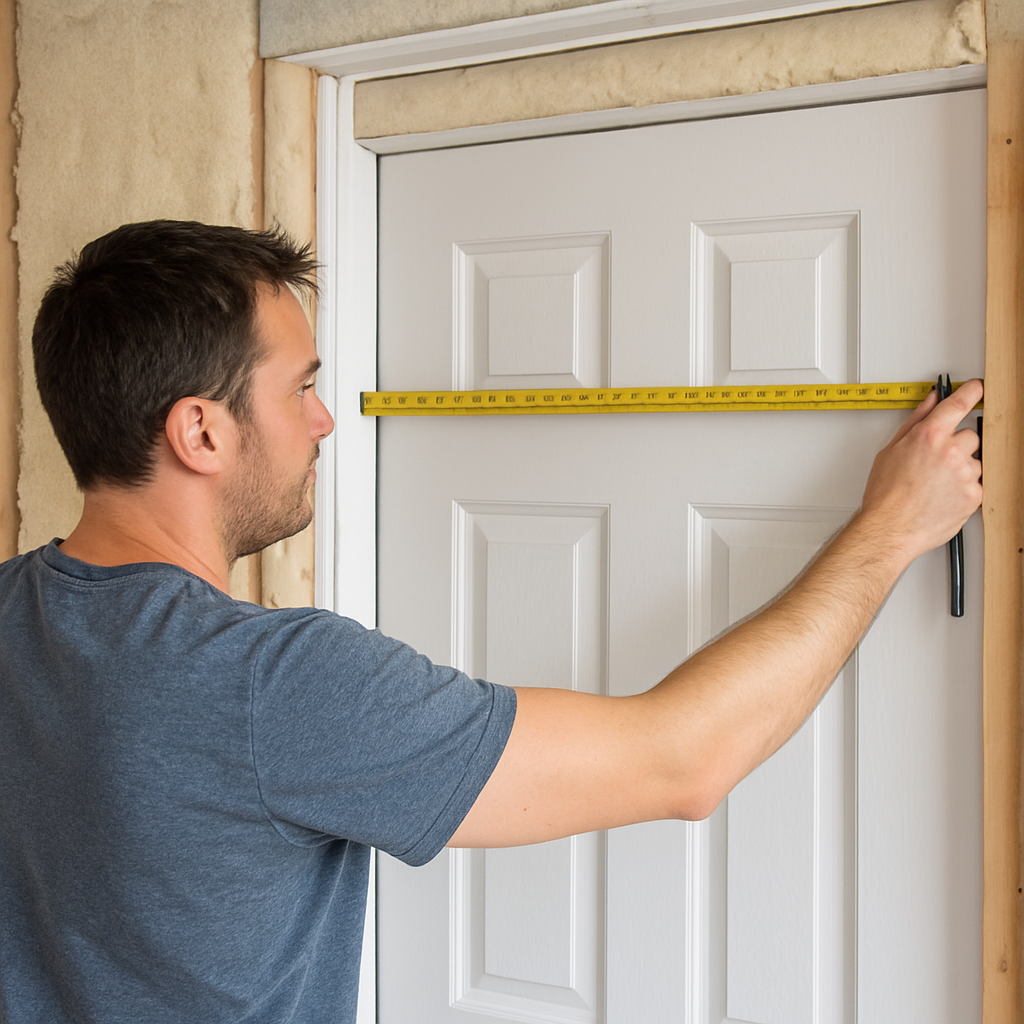
Remember, the first draft you feel is the door’s invitation to the outside. Let’s make sure it’s an invitation to a cozy, efficient home.
Conclusion
When you step back and look at all the doors you’ve installed or repaired, you’ll notice one common thread: every solid entry starts with a clear plan, a good seal, and a little love. We’ve walked you through choosing styles, materials, and the right insulation, then drilled into the nuts and bolts of installation and maintenance.
Now, the real takeaway? Your door is a living thing—if you treat it right, it’ll keep you cozy, safe, and your bills lower. Keep the weatherstripping tight, tighten those hinges every few months, and don’t ignore the first draft that sneaks in. Those small habits add up to big comfort and savings.
So, what’s the next step? Take a quick inventory: measure the jamb, check the seal, and note any gaps. Then schedule a yearly check—whether you do it yourself or call a pro. A fresh inspection can spot hidden rot or shifting frames before they become headaches.
In short, doors are more than wood and steel—they’re the first line of defense and the first impression. Treat them well, and they’ll keep your home warm, secure, and welcoming for years to come.
FAQ
What should I look for when inspecting a door for potential problems?
Start with the frame—check for cracks, wobble, or uneven gaps. A door that swings, rattles, or sticks often signals a warped frame or misaligned hinges. Feel the jamb for rot or moisture; a soft spot can mean long‑term damage. Don’t forget the edges—scratches or missing paint can allow drafts. Finally, test the latch: it should slide smoothly without resistance.
How can I tell if a door is properly insulated?
Look for an R‑value label or manufacturer’s spec; insulated doors usually list R‑5 to R‑6. Feel the bottom: a draft feels like a cold breeze, a solid seal feels like a tight blanket. Inspect the weatherstripping—if it’s cracked or missing, the door is letting air in. A quick test is to run a finger along the jamb; if it slides easily, you’re probably losing heat.
When should I replace a door instead of repairing it?
If the door is warped, the wood is rotting, or the frame is warped beyond correction, replacement is the smart choice. Also replace a door when its insulation has degraded or when you’re upgrading security, as old doors often lack modern deadbolt mounting or reinforced cores. A fresh door gives you better energy performance and a cleaner look, and it can raise your home’s resale value.
What are the best weatherstripping options for a front entry door?
Flexible rubber or felt rolls are the most reliable for the top and bottom of a door. For the threshold, a rubber sweep that compresses with foot traffic keeps a tight seal. If you live in a cold climate, choose a thicker, multi‑layer strip that can handle temperature swings. Replace the strip every two to three years or when you notice a draft.
How often should I tighten door hinges and why?
Every two to three months is a good rule of thumb. Over time, the screw threads can loosen from repeated opening and closing. A loose hinge can cause the door to sag, create gaps, or even become a safety hazard. Tightening the screws restores alignment and keeps the door operating smoothly.
Can a door’s paint or finish affect its durability?
Absolutely. Paint acts as a moisture barrier; a fresh coat of exterior paint can protect the wood from rain and sun. For interior doors, a quick touch‑up prevents scratches from turning into cracks. If you notice chips or peeling, repainting can stop water from seeping into the wood, prolonging the door’s life and maintaining its appearance.
What steps should I take if I notice a draft around my door?
First, check the weatherstripping for cracks or gaps—replace it if necessary. Next, look at the threshold; a missing or broken sweep allows air in. Finally, test the door’s swing: if it sticks, adjust the hinges or shims to eliminate a larger gap. A tight seal can cut draft energy losses by 15% or more.
Is it worth investing in a door with a steel core?
For many homeowners, yes. A steel core adds mass, making it harder to force open and reducing noise. It also resists warping in humid climates. The initial cost is higher, but the savings on heating and cooling, plus the extra security, often outweigh the price difference over the door’s life.


Comments