Essential Guide to Gutter Cleaning Virginia Beach
- William McKracherne
- Dec 5, 2025
- 17 min read

Ever looked up at your house after a rainstorm and thought, “Those gutters are about to overflow and ruin my porch”? You’re not alone—most Virginia Beach homeowners have that sinking feeling when they see leaves and debris piling up.
That moment of recognition is exactly why gutter cleaning Virginia beach is more than a chore; it’s a small act of protection that keeps your home dry and safe. Imagine the peace of mind knowing water flows right where it’s supposed to, no soggy foundations, no mold creeping into the walls.
Here’s how we at LGFMH Construction handle each job, step by step, so you can picture what actually happens when we show up at your door.
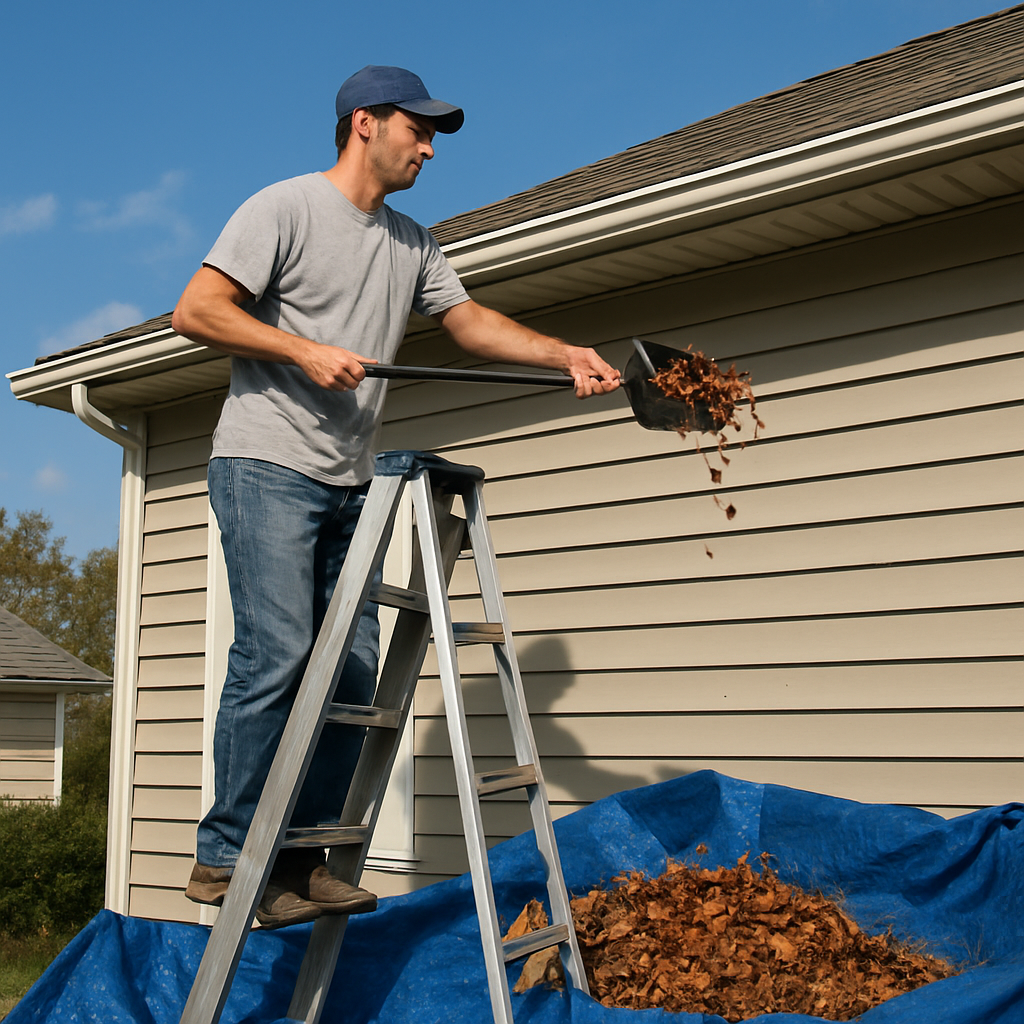
First, we give you a quick call—about thirty minutes before we arrive—just to confirm we’re on the way. When the truck pulls up, we unload the ladders and spread out tarps around the house, creating a safe work zone.
Next, we climb up and snap photos of your gutters, whether they have guards or not. If there are guards, we carefully remove them, take another set of pictures, and then get to the gritty part: hand‑scooping every leaf, twig, and pine‑needle out onto the tarp.
After the debris is cleared, we fire up a blower to whisk away any remaining bits from the gutters and downspouts. When a downspout is still clogged, we run a garden hose through it, flushing out the stubborn muck.
Once everything is spotless, we take a final “after” photo. If we removed guards, we reinstall them and snap another picture to prove the job’s done. Then we load the ladders, tarps, and all the debris back into the truck and head home.
So, why does all this detail matter to you? Because a thorough, documented process means you get proof that the job was done right, and you avoid hidden damage that could cost you later. Plus, the visual record helps you see the condition of your gutters over time, making future maintenance easier.
Ready to stop worrying about overflowing gutters? Let’s dive into the next steps and see how a simple, regular cleaning routine can save you time, money, and stress.
TL;DR
Our step‑by‑step gutter cleaning Virginia Beach service removes leaves, debris, and blockages, captures before‑and‑after photos, and reinstalls guards so you get proof of a spotless system and peace of mind.
Schedule a call, watch us set up tarps, scoop, blow, and flush the downspouts, then relax knowing your home stays dry and protected.
Step 1: Assess Your Gutters and Gather Supplies
Ever stood on a ladder, stared at a clogged gutter, and thought, “If this overflows, my porch is about to turn into a pond”? Yeah, we’ve all been there. That uneasy feeling is the perfect cue to pause, take a breath, and plan the clean‑up before the next rain hits.
Inspect the gutters first
Before you grab a scoop, give the system a quick visual check. We call you about thirty minutes before we arrive, pull the ladders off the truck, and spread tarps around the house to keep the work zone tidy. Once we’re up, we snap a before photo of each section—guards on, guards off, you name it. Those pictures become the baseline for the whole job.
If you notice water stains on the siding or signs of mold, you might already be dealing with a leak. In that case, it helps to know how to dry walls without causing more damage. This step‑by‑step guide on drying walls after a water leak walks you through the safest way to keep your interior dry while you work on the exterior.
Gather the right tools
Here’s a quick checklist that keeps the process smooth:
Ladders (sturdy, with slip‑resistant feet)
Heavy‑duty tarp (to catch all the debris)
Gloves and safety goggles
Hand scoop or small shovel
Leaf blower
Garden hose with a nozzle
Optional: a portable patio heater if you’re working late and want to stay warm—check out these gas heater tips for cozy evenings outdoors .
Once you’ve got everything laid out on the tarp, you’ll see the job’s scope at a glance. That’s why we always take that first “empty” photo—so you can compare the before and after later.
Watch the short video above for a visual walkthrough of the inspection phase. It shows how we position the tarp, take the initial photos, and identify any hidden blockages before the heavy lifting begins.
Now that the area is set, it’s time to start scooping. We hand‑scoop every leaf, twig, and pine needle onto the tarp. It feels a bit like cleaning out a giant, outdoor pantry—messy, but oddly satisfying.
After the bulk of the debris is off the gutter, we fire up the blower to clear the remaining bits from the downspouts. If a downspout is still stubborn, we run a garden hose through it, letting the water pressure push out any lingering muck.
When everything’s spotless, we snap an “after” photo. If the home had gutter guards, we reinstall them and capture a final set of images so you can see the complete transformation.
And remember, a clean gutter isn’t just about aesthetics. It protects your home’s foundation, prevents mold, and even saves you money on future repairs. If you’re feeling a bit wiped after the job, don’t forget to take care of yourself— some simple self‑care tips after home maintenance can make a big difference.
Ready to get started? Grab your ladder, lay out the tarp, and let’s make those gutters flow like they should.
Step 2: Safely Remove Debris and Leaves
Now that the ladder is steady and the tarp is tucked, it’s time to actually get the gunk out of those gutters. You’ve already scoped the scene, taken photos, and pre‑positioned your gear – the next move feels a lot like a mini‑adventure, except the treasure is a clear water path.
Grab the right tools
First, grab a sturdy hand scoop or a small garden trowel. A pair of rubber‑gripped gloves keeps your hands from slipping on wet leaves. A cordless leaf blower is a lifesaver for those hard‑to‑reach corners, and a garden hose with a spray nozzle helps you flush the downspouts. If you live near the ocean, keep a bucket of fresh water handy so you can rinse any salty residue off the metal after you’re done.
Start at the high point
Begin at the highest end of the gutter run. Scoop out the bulk of the material and toss it onto the tarp – think of it as moving a pile of autumn leaves from your yard to a compost bin. Work your way down, shaking the scoop a little so any clingy bits fall off before you reach the lower sections.
Real‑world example: The Johnsons on Atlantic Avenue have a roof that catches oak leaves all fall. When we started at the far‑right corner, we cleared about 30 pounds of leaves in the first ten minutes, and the water started flowing freely almost immediately.
Mind the tight spots
When you hit a gutter elbow or a narrow downspout opening, swap the scoop for a garden trowel. The smaller head slides into the curve, lets you scrape out compacted debris, and reduces the chance of scratching the metal. A quick tip: tap the trowel lightly with a rubber mallet if a stubborn piece won’t budge – the vibration often loosens it.
Safety and disposal
Even though you’re on solid ground, the debris can be sharp. Keep your gloves on, watch for protruding nails, and never stand on a ladder to reach the very tip of the gutter – shift the ladder instead. Once the tarp is full, roll it up and place the bagged material in your truck. Virginia Beach makes disposal easy; you can drop the bag at the local Resource Recovery Center, which accepts household debris free of charge according to the city’s waste program .
Blow away the leftovers
After the bulk is gone, fire up the leaf blower. Hold it a few inches above the gutter and sweep from one end to the other. The air pressure dislodges fine shingle grit, pine needles, and any dust that the scoop missed. If you notice a pocket of material that refuses to move, pause, scoop it out, then resume blowing.
On a two‑story home in Kempsville, the blower cleared a lingering layer of pine needles that had settled in the lower half of the gutter – a job that would have taken an extra thirty minutes by hand.
Flush the downspouts
Now grab the hose, set the nozzle to a strong stream, and run water through each downspout. Start at the top and watch the water surge out the bottom. If the flow slows, back‑up a few feet and apply more pressure. A stubborn blockage often clears after a minute of steady flow.
We once tackled a downspout at a condo where a seed pod had cemented itself to the interior wall. Running the hose for two minutes broke the seal, and the water rushed out, confirming the path was clear.
Final check and clean‑up
Take a step back and walk the length of the gutters, looking for any low spots where water might pool. A quick “thumb test” – press your thumb against the gutter – tells you if the pitch is correct. Once you’re satisfied, fold the tarp, load the debris into the truck, and give the area a final sweep.
When you finish, you’ve not only prevented a future leak, you’ve also earned a small sense of victory – like you just solved a puzzle that nature set up for you.
That’s the whole safe‑removal process in a nutshell. Ready to move on to the next step? Let’s keep the momentum going and make sure every drop of rain finds its way where it belongs.
Step 3: Clean and Inspect Gutter Channels
Now that the debris is out and the downspouts have been flushed, it’s time for the part that makes all that effort pay off: cleaning and inspecting the gutter channels themselves.
First, give each run a quick visual sweep. Look for rust spots, cracks, or any places where the metal has pulled away from the fascia. Those little defects are the first signs that water might start seeping behind the gutter and into your walls.
Grab a garden hose with a spray nozzle and run a steady stream from the high point toward the low point. The water will highlight low spots – you’ll see it linger or pool instead of racing off the edge. A quick “thumb test” (press your thumb against the bottom) confirms whether the pitch is right.
If you spot a sag, pop a wooden shim or a gutter hanger underneath to lift it back into place. It’s a cheap fix that prevents the gutter from pulling away under the weight of future rain.
Next, check the seams where sections meet. Tighten any loose screws or brackets you find. A loose joint can let water slip behind the gutter, creating hidden rot that’s costly to repair later.
Spotting common issues
In coastal Virginia Beach the salty breeze accelerates metal fatigue. If you notice chalky white residue, that’s salt corrosion starting to eat away the coating. Lightly scrub those spots with a soft‑bristle brush and a mix of water and mild dish soap. For stubborn rust, a rust‑inhibiting primer can be applied after the gutter is dry – it’s a small step that adds years to the system’s life.
Now, turn your attention to the downspout outlets. Make sure the exit is clear of leaves, mulch, or debris that could back‑up into the pipe. A simple “finger sweep” inside the opening removes what a hose might miss.
While you’re at it, think about where that water ends up. The City of Virginia Beach recommends directing downspouts away from paved surfaces and toward a rain garden or permeable area to protect stormwater quality. Follow those best‑practice tips to keep your yard and the local streams healthier.
A quick sanity check: grab a piece of string or a level and confirm the gutter’s slope is about 1/4 inch per 10 feet. If it’s flatter, water will sit and eventually overflow – the exact problem you were trying to avoid.
Take a final walk‑around with the ladder down. Scan the roof edge for any missed debris, especially around the corners where leaves love to hide. A brief visual once more saves you from a surprise next rain.
When everything looks clean and straight, snap an “after” photo of each section. This visual proof is part of LGFMH’s process and gives you a clear before‑and‑after record you can refer back to each season.
Protecting your gutters long‑term
Consider installing a simple rain barrel or a rain garden at the base of a downspout. Not only does it capture water for later use, it also reduces the volume that hits the pavement, keeping stormwater runoff cleaner. And remember to repeat this inspection every spring and after any major storm – a quick 10‑minute check is all it takes to catch a problem before it becomes a leak.
If you have gutter guards, remove them again and give the channel a gentle rinse with a hose set to low pressure. A spray bottle of diluted vinegar can dissolve mineral buildup from hard water, especially after a salty ocean breeze.
Ready to lock down your gutter system for the next rainy season? Schedule a professional visit or set a reminder on your calendar now – the peace of mind is worth the few minutes you spend today.
Step 4: Flush Downspouts and Check for Blockages
Now that the gutters are clear, the real test is the downspout. If water can’t escape, the whole system backs up and you’re back to soggy decks. That’s why we always end the job with a thorough flush and a quick blockage check.
Why a flush matters
Even after you’ve scooped out the bulk of the debris, tiny bits of twine, seed pods, or sand can still linger inside the pipe. A steady stream of water forces those stubborn pieces out, and it also reveals any hidden bends or cracks that you might have missed during the visual sweep.
TaskRabbit notes that clogged downspouts are a common extra charge, often ranging from $50 to $100, because they require extra time and tools to clear according to industry cost data .
Step‑by‑step flushing routine
1.Position the hose.Connect a garden hose to a faucet, set the nozzle to a strong, focused jet, and start at the highest point of the downspout. If the downspout is on the roof edge, you can coil the hose around the pipe to keep the pressure steady.
2.Run water for at least 30 seconds.A quick blast might look impressive, but give the water time to travel the full length. You’ll see a steady stream exiting the bottom—if the flow sputters or stops, you’ve found a blockage.
3.Backtrack if needed.When the water slows, step back a foot, increase the pressure, and aim the nozzle directly into the opening. For especially stubborn spots, you can insert a flexible plumber’s snake or a long‑handled brush and twist it while the water runs.
4.Check the exit.Once water is flowing freely, crouch down and inspect the base of the downspout. Look for signs of erosion, rust, or debris that may have accumulated at the outlet.
5.Repeat on every downspout.Even if one pipe looks perfect, the next could be partially blocked. Consistency prevents future surprises when a storm hits.
So, what if you still see water pooling at the bottom?
Real‑world examples
The Martinez family on Atlantic Avenue thought their downspout was fine because water was dripping out. After we ran a 2‑minute flush, a handful of pine cones and sand emerged from the base, revealing a half‑inch blockage that would have caused an overflow the next heavy rain.
In another case, a condo complex in the Oceanfront district had a decorative downspout with a 90‑degree elbow. The tight turn trapped a clump of mulch that our hose couldn’t dislodge. We used a ¼‑inch auger, turned it a few rotations, and the water burst out like a fire hose. The owners saved a potential $75 emergency repair.
Does this sound like a lot of work? Not really.
Pro tips to make flushing easier
• Use a nozzle with a “turbo” setting. The extra pressure helps break up compacted debris without damaging the pipe.
• If you live near the ocean, rinse the downspout with fresh water after the flush to wash away salty residue that can accelerate corrosion.
• For taller homes, a 25‑foot extension ladder with a stabilizer makes reaching the top of the downspout safer than standing on a shaky step.
• Consider attaching a short piece of PVC pipe to the bottom of the downspout during the flush. The pipe catches the expelled debris, keeping your garden beds clean.
According to the Virginia Beach gutter experts, a quick visual inspection after each flush—looking for water pooling, rust stains, or misaligned brackets—can catch problems before they become expensive repairs as recommended by local professionals.
Quick checklist before you call it a day
☑️ All downspouts produce a steady, uninterrupted stream.
☑️ No visible debris at the outlet.
☑️ Brackets and hangers are tight, and the pipe maintains its slope.
☑️ You’ve taken “after” photos of each downspout for your records.
When you tick those boxes, you know the system will handle the next Virginia Beach rainstorm without a hitch. And if anything feels off, that’s the perfect moment to schedule a professional visit—because a small blockage today can become a costly repair tomorrow.
Step 5: Maintenance Tips and Choosing a Professional Service
Alright, you’ve just cleared the gutters, flushed the downspouts, and taken a victory snap. The next question is: how do you keep that win from slipping away before the next storm rolls in?
Create a simple maintenance rhythm
Think of your gutters like a car’s oil change – you don’t wait until the engine seizes. A quick visual check every 30 days, especially after big leaf‑fall or a windy weekend, catches early build‑up. Look for water pooling at the brackets, rust spots, or a sagging run. If anything feels off, jot it down and set a reminder.
For Virginia Beach homeowners, the city’s street‑sweeping program helps keep sidewalks clear, but it won’t clean the roof‑edge debris that clogs gutters. That’s why a personal “gutter glance” is still essential.
Actionable weekly checklist
Walk the perimeter and spot‑check each downspout opening – a quick thumb press tells you if water is draining.
Snap a photo of any section that looks uneven; compare it to last month’s pic.
Clear leaf‑guards of obvious debris with a garden trowel; don’t over‑tighten the screws.
Run a garden hose through each downspout for 10‑15 seconds; listen for a steady rush.
And if you notice a stubborn clog, don’t panic – a 2‑minute blast with a nozzle set to “turbo” usually does the trick.
When DIY stops being enough
Sometimes the problem is deeper than a surface blockage. Corroded seams, cracked sections, or a mis‑aligned downspout elbow need a professional’s eye. Here’s a quick way to decide:
Issue | DIY Feasibility | When to Call a Pro |
Leaf buildup | Easy – scoop, blow, flush | Never, unless safety is a concern |
Rust or corrosion | Light sanding, rust‑inhibitor | When metal is pitted or flaking |
Sagging gutter | Adjust brackets or add shims | When brackets are bent or missing |
Notice how the “When to Call a Pro” column is a red flag list? If you tick any of those, it’s time to bring in the experts.
Choosing the right professional service
Virginia Beach has a handful of gutter specialists, but not all treat your home like a partner. Look for these three tell‑tale signs:
Transparent pricing.A reputable crew will give you a written estimate before climbing.
Documentation habit.The same process we use – before/after photos, guard removal and reinstall – shows they care about proof.
Local knowledge.They should reference city storm‑water guidelines and know how salty ocean air affects metal.
One local company we trust actually aligns with those criteria and makes booking a breeze: Book Online | Lgfmh Construction . Their team calls 30 minutes before arrival, spreads tarps, photographs each stage, and cleans up everything – just like we described earlier.
But don’t just take my word for it. The Martinez family, after a heavy August downpour, called a pro because water was seeping behind their fascia. The contractor spotted a tiny crack that a DIY eye missed, sealed it, and saved them $800 in future water damage.
Long‑term protection ideas
Beyond routine cleaning, consider adding a rain barrel at the base of a downspout. It captures water for garden use and reduces runoff pressure. A simple leaf‑guard upgrade can also cut debris by up to 70 % according to local installers.
And if you ever do get a leak inside the house because a gutter overflowed, you’ll want to know how to mitigate interior damage. A quick read on how to dry walls after a water leak can save your drywall from mold.
So, what’s the next step? Schedule a 30‑day reminder, do the quick visual check, and keep the professional contact info handy. When the season changes, give LGFMH a call and let them handle the heavy lifting while you enjoy the peace of mind.

Conclusion
We’ve walked through every step—from the quick visual assess to the final after‑photos—so you know exactly why gutter cleaning Virginia Beach matters. It’s not just about keeping leaves out; it’s about protecting your foundation, your walls, and your peace of mind.
Think about the last time a storm caught you off guard. That surge of water on the porch, the damp smell in the basement—yeah, we’ve all been there. The good news is you can stop that cycle with a simple, repeatable routine and a trusted pro when the job gets too tough.
Here’s the quick cheat sheet: schedule a 30‑day reminder, do the visual check, call LGFMH when you need a ladder, tarp, and documented before‑and‑after photos. Let us handle the heavy lifting while you sip coffee and watch the rain roll right off the roof.
And if you’re still on the fence, ask yourself: would you rather spend a few minutes now or face costly water damage later? The answer is usually crystal clear.
Ready to lock in that protection? Hit the phone, set your calendar, and let us take care of the rest. Your gutters—and your sanity—will thank you.
And remember, a clean gutter is the cheapest insurance policy you can buy.
FAQ
How often should I schedule gutter cleaning in Virginia Beach?
Because we get a mix of oak, pine, and salty sea breezes, most homeowners find a 90‑day schedule works best. After a big fall‑leaf event you’ll want to check within a week, then set a reminder for every three months. The rhythm keeps debris from building up enough to sag the gutters or overflow onto your porch, and it’s easy to automate with a calendar alert.
What signs tell me my gutters need cleaning right now?
If you notice water spilling over the edge during a light rain, that’s a red flag. Look for sagging sections, rust spots, or a pool of water at the base of a downspout. You might also see moss or a musty smell near the fascia. Those clues mean water isn’t flowing freely and the system is begging for a quick hand‑scoop and flush.
Can I clean my gutters myself, or should I hire a pro?
You can DIY if you’re comfortable on a ladder, have a sturdy tarp, and know how to safely scoop and blow debris. But the real time‑saver is a pro who calls 30 minutes before arriving, spreads tarps, documents before/after photos, and handles stubborn downspout blockages with a hose. For multi‑story homes or roof pitches that feel unsafe, letting LGFMH handle the heavy lifting protects both you and your gutters.
What does LGFMH do during a gutter cleaning appointment?
First we give you a quick call, then unload ladders and tarps. We climb, snap photos of the gutters with and without guards, remove the guards if needed, and hand‑scoop every leaf onto the tarp. A blower clears the remaining bits, and we run a garden hose through each downspout to flush out hidden debris. After the job, we reinstall the guards, take “after” photos, and load everything back into the truck.
How much does gutter cleaning typically cost in Virginia Beach?
Pricing varies by home size, number of stories, and whether guards need removal. Homeowners usually see a range between $150 and $300 for a standard two‑story house, with extra fees for ladder rentals or complicated roof angles. Many companies, including LGFMH, provide transparent estimates before they start, so you know exactly what you’re paying for and can compare it to the cost of potential water damage.
Will gutter guards eliminate the need for regular cleaning?
Gutter guards dramatically reduce the amount of leaf litter, but they don’t make the system maintenance‑free. Fine pine needles, twine, and sand still find their way through the mesh, especially after a windy storm. Most experts recommend a quick visual check and a light blow‑out at least twice a year, even with guards, to keep the flow unobstructed.
What maintenance steps can I take between professional cleanings?
Set a 30‑day calendar reminder to walk the perimeter and press a thumb against each downspout opening – a steady flow means it’s clear. Snap a quick photo of any sagging gutter segment and note it for the next pro visit. If you see a small pile of leaves on the tarp after a light rain, give the gutters a brief hand‑scoop and a short hose flush to stay ahead of bigger problems.


Comments