Essential Roof Cleaning Guide for Homeowners
- William McKracherne
- Feb 19
- 18 min read

Ever looked up at your roof after a rainstorm and thought, "Did I just sign up for a new water feature?" You’re not alone. Most homeowners notice that stubborn moss, lingering debris, or those unsightly dark streaks are more than just an eyesore – they’re early warnings that something’s off.
Think about the last time you tried to clean the gutters yourself. You probably realized that the grime on the roof is even worse, right? That’s because roof cleaning isn’t just a cosmetic task; it’s a protective ritual that stops moisture from seeping into shingles, reduces algae growth, and keeps your home’s energy efficiency on point.
In our experience at LGFMH Construction, we’ve seen a simple roof‑cleaning routine add years to a roof’s lifespan. For example, a family in Virginia Beach who ignored a buildup of pine needles found their roof started leaking within six months. After a professional clean and a quick inspection, they avoided a costly repair that would have run into the thousands.
So, how do you turn that dread of climbing ladders into a manageable habit? Start with a quick visual scan from ground level – look for dark patches, moss, or any debris sliding off the eaves. If you spot anything, schedule a cleaning before the next seasonal change. A good rule of thumb is to clean twice a year: once in early spring, once in late fall.
When you’re ready to take action, gather the basics: a sturdy ladder, a soft‑bristle brush, a garden hose with a spray nozzle, and a gentle, biodegradable roof‑cleaning solution. Avoid harsh chemicals; they can damage shingles and harm surrounding plants. Work from the top down, rinsing each section thoroughly to prevent streaks.
If you’re unsure about safety or the right products, our maintenance services can handle the whole job, from inspection to final rinse, ensuring no hidden damage goes unnoticed.
And remember, a clean roof isn’t just about looks – it improves curb appeal, boosts resale value, and can even lower your energy bills by reflecting more sunlight. So, next time you hear that drip‑drip from the gutters, ask yourself: "Is my roof ready for a refresh?" Then take the first step toward a healthier home.
TL;DR
Regular roof cleaning protects your home, boosts curb appeal, and can lower energy bills by reflecting sunlight easily.
Schedule a bi‑annual clean or call LGFMH Construction for professional service to keep shingles healthy, avoid costly repairs, inspect gutters, remove moss, ensure proper drainage, and give you peace of mind today.
Step 1: Inspect Your Roof for Debris
Let’s get real for a moment: debris on your roof tends to hide in plain sight until a big rainstorm exposes it. Leaves, pine needles, and that stubborn moss aren’t just unsightly—they can trap moisture, shade shingles, and mess with drainage. And when drainage is off, you wind up with a bigger problem later on.
From the ground, you can spot the obvious trouble: dark patches, clumps of leaves along the ridges, or debris that looks ready to slide off. You don’t need to climb up there just yet—a quick ground-level scan with a pair of binoculars or a long-handled camera can flag where to focus your roof cleaning efforts.
Before you grab the ladder, pause and think safety: roofs are slick after rain, and a fall isn’t worth the payoff of a cleaner look. If you’ve got a steep pitch or aging shingles, that’s a signal to call in a pro rather than DIY a risky climb. A safer approach is to start with a thorough ground check, then plan the next steps accordingly.
What to look for during your visual check
Look for moss growth that looks like it’s trying to break through the granules. Check for dark streaks or staining that suggests algae or lichen taking hold. Notice trees or branches overhanging the roof—these are frequent debris culprits that rain can wash onto the surface. And don’t forget gutters: a clogged gutter is often the first sign that debris is already affecting drainage to the point where roof cleaning becomes essential.
To give yourself a clear plan, make a simple debris map: note the area where you see the most leaves, needles, or moss, and jot down whether gutters are holding water or if downspouts look clogged. This is your guide for a targeted roof cleaning session, so you don’t miss spots that will bite you back later.
Safety aside, a quick DIY triage can save you a lot of money. If the debris is light and you have a low-pitched roof, you may clear the gutters and visible surface debris from the ground with a soft roof rake and a gentle sweep. If the debris is heavier, or if you notice damaged shingles or soft spots, that’s your cue to Bring in a professional—roof cleaning still helps, but proper inspection saves you from chasing bigger repairs down the road.
One more thing before you proceed: grab a notebook or your phone and capture a few close-ups of any suspicious areas. Photos will help you and a potential pro spot issues you might miss from the ground, and they make scheduling a cleaning or maintenance visit that much easier.
For reference, a comprehensive debris-removal and roof-maintenance guide emphasizes safety, proper technique, and the importance of not overdoing the pressure when cleaning roof surfaces. It’s a solid reminder that roof cleaning is part of a broader routine to protect your investment. Read more from Fixr’s roof-maintenance guide and use their tips as a safety-first checklist. This same guide also warns against high-pressure washing and recommends gentler methods for older shingles .
So, what should you do next? Tidy the visible debris and map out your plan for a proper roof cleaning session, then decide whether to tackle it yourself or schedule a maintenance visit.
After you’ve watched the video and finished the quick visual scan, you’ll have a clearer sense of how simple or involved your roof cleaning needs are. If you spot signs of deeper damage, LGFMH Construction’s maintenance services can handle inspection and cleaning together, helping you maintain shingles’ health and your home’s curb appeal.
Step 2: Choose the Right Cleaning Method
Let’s be honest: you want a clean roof without turning it into a science experiment or a costly mistake. The method you pick should respect your roof’s material, your safety, and your time. In short, there’s no one-size-fits-all here.
Here’s how we decide the best approach, based on what your roof can handle and what you’re comfortable doing. We’ll break it down into practical, do-this-now steps you can actually follow.
Match the method to your roof type
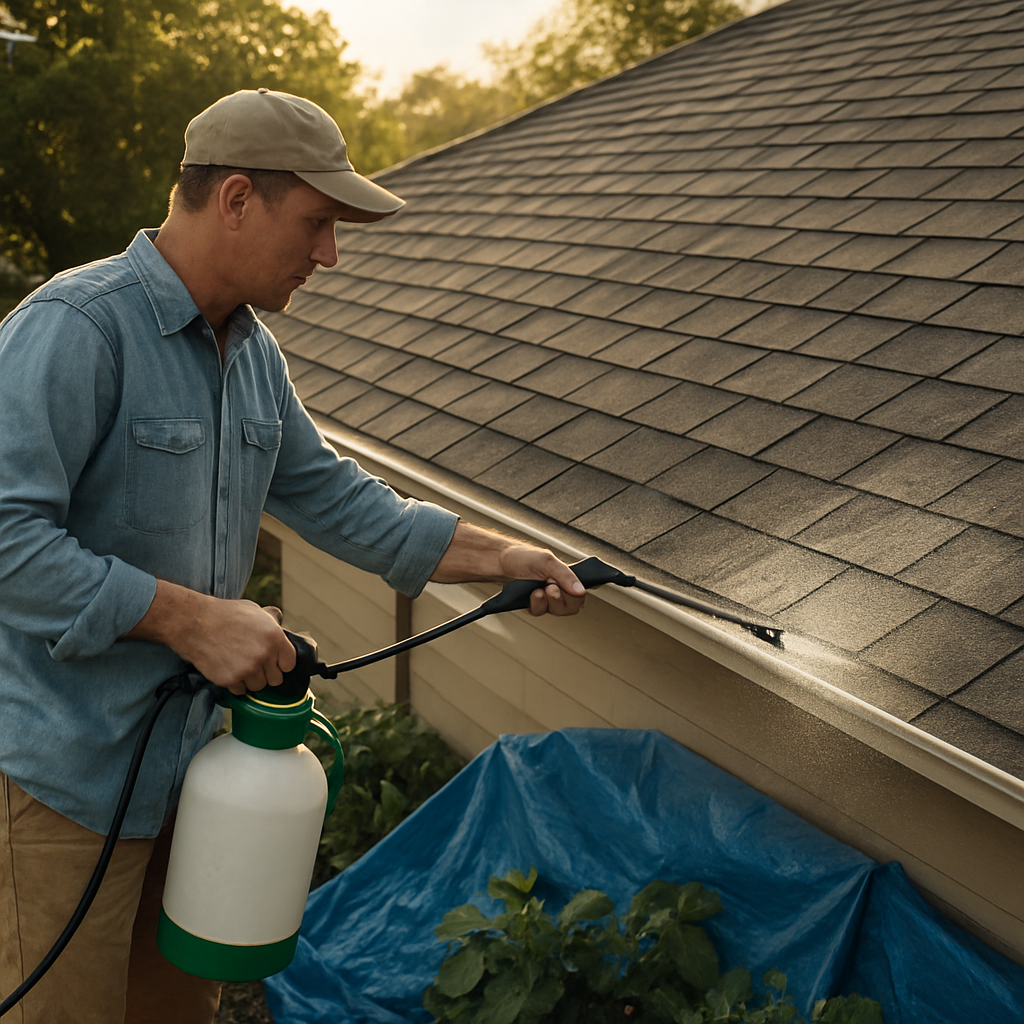
Asphalt shingles are the most common, but they’re also the most sensitive to aggressive cleaning. Our go-to: start with a low-pressure chemical wash rather than a power wash. Work from the top down, apply the solution with a garden sprayer, let it dwell for 15 to 20 minutes, and then rinse with a light spray. No scrubbing hard, no blasting away granules.
Cedar or wood shingles need even gentler care. Bleach can dry them out, so we often recommend milder cleaners and plenty of rinse water. If the shingles look weathered or you see soft spots, that’s a cue to call in a pro rather than DIY in earnest.
Debris removal basics
Before you tackle stain and growth, clear loose debris. A roof rake from the ground is your friend here—no need to risk a fall. Remove pine needles, leaves, and small branches that trap moisture. Clean gutters so water can drain away freely; improper drainage is a silent roof killer.
Does this really work? You’ll see better results when debris is gone, because washing won’t hide grime behind clogged troughs and clogged gutters.
Chemical washes: how to apply safely
Keep it safe. Use a garden sprayer for the cleaner, not a pressure washer. Start near the peak and move downward in even sections. Let the solution sit for 15–20 minutes, then rinse with a low-pressure spray. If you have heavy algae, you may repeat once after a short dwell, but avoid re-saturating the same areas twice in a row.
Protect plants and landscaping. Water them before you start, cover nearby shrubs with plastic sheeting, and rinse the soil nicely after you’re done to reduce chemical runoff.
Safety first and timing
Roof cleaning isn’t a weekend sport—safety matters. If you’re on a steep slope, have weak shingles, or feel uneasy about heights, call a pro. A professional can assess roof integrity and apply the right method without risking you or the roof.
In our experience, maintenance scheduling helps catch issues early and makes a bigger difference than a one-off scrub. If you’d rather not DIY the whole thing, LGFMH Construction can coordinate a clean plus inspection as part of our maintenance services.
So, what’s next? Pick a method aligned with your roof type, prepare your safety plan, and set up a realistic timeline. With the right method, roof cleaning becomes a straightforward task that protects your investment rather than a daunting chore.
Step 3: Prepare Safety Gear and Equipment
Alright, you’ve picked your method and scoped the roof – now it’s time to suit up. Think of it like gearing up for a bike ride: you wouldn’t hop on without a helmet, right? The same idea applies to roof cleaning.
Essential Personal Protective Equipment (PPE)
First, grab a pair of slip‑resistant shoes or boots. A sturdy tread keeps you steady on shingled slopes, especially when a bit of moisture lingers from your earlier rinse.
Next, a well‑fitted safety harness is non‑negotiable if you’re working on a pitch steeper than 4:12. Clip it to a secure anchor point – a roof‑rated ladder rung or a temporary roof bracket works.Don’t forget eye protection. A pair of wrap‑around safety glasses shields against splashing chemicals and debris. If you’re using a garden sprayer, a simple face shield adds a layer of confidence.
Gloves matter, too. Nitrile or rubber gloves protect your hands from the cleaning solution and any sharp bits of broken shingle you might encounter.
Toolbox Checklist
Here’s a quick rundown of the tools you’ll actually need, not the “nice‑to‑haves” that sit in the garage.
Light‑weight telescoping ladder – aluminum, rated for at least 300 lb.
Soft‑bristle roof brush or a 12‑inch broom with plastic bristles.
Garden‑sprayer (10‑15 L capacity) for applying the cleaning solution.
Low‑pressure hose with a spray nozzle set to “mist” or “shower.”
Plastic drop‑cloths or tarps to protect nearby plants and siding.
Why a soft brush? Hard‑bristle tools can gouge shingles, turning a simple clean into a repair nightmare.
Real‑World Example: The Suburban Homeowner
Take Jamie from a suburban cul‑de‑sac in Virginia. He thought a cheap, generic ladder would do, but when he tried to climb, the rung slipped under his weight. After swapping to a ladder with a built‑in stabilizer and adding a harness, he finished his roof cleaning without a single scare. The lesson? Investing in proper gear pays off in peace of mind.
Safety First: Quick Pre‑Job Checklist
Item | Must‑Have? | Tip |
Slip‑resistant boots | Yes | Look for ASTM‑rated soles. |
Safety harness | Yes | Clip to a roof‑rated anchor; double‑check the latch. |
Soft‑bristle brush | Yes | Plastic bristles won’t scrape granules. |
Garden sprayer | Yes | Adjust to a fine mist for even coverage. |
Protective tarp | Optional | Use if you have landscaping directly below. |
Run through this table before you step onto the ladder. If anything’s missing, pause – go get it.
Getting the Right Chemicals Without the Risk
When it comes to the cleaning solution, choose a biodegradable, low‑phosphate product. These formulas clean without eating away at the shingle’s protective coating. Mix according to the label – usually one part concentrate to four parts water.
Never pour the mixture directly onto the roof; always use the sprayer. That way you control the amount and avoid runoff that could harm your garden.
What If You’re Not Confident?
Honestly, if the thought of a harness or a sprayer makes you uneasy, you’re not alone. In our experience, many homeowners opt to call a pro for the first clean, then use that knowledge for future DIY sessions. A quick call to LGFMH Construction can get you a safety inspection and a brief walkthrough, so you’re set up for success next time.
So, what’s the next move? Grab your checklist, double‑check the gear, and only then step up. With the right safety gear and equipment, roof cleaning becomes a low‑risk, high‑reward routine that protects your home for years to come.
Step 4: Apply Cleaning Solution Correctly
Now that you’ve double‑checked your ladder, harness, and brush, it’s time to actually get that cleaning solution onto the roof without turning the job into a chemistry experiment.
Mixing the solution the right way
Grab the biodegradable, low‑phosphate concentrate you chose earlier and follow the label – most products call for one part concentrate to four parts water. Pour the water into a clean bucket first, then add the concentrate while stirring gently; this helps the mix stay evenly suspended.
If you’re looking for an eco‑friendly option that works on asphalt, metal, tile, or wood shakes, consider Wash Safe’s Roof Wash. It’s formulated with oxygen‑bleach and sodium carbonate, so it breaks down moss and algae without harming plants or pets eco‑friendly roof wash solution .
Once mixed, give the bucket a quick shake and transfer the liquid into a garden‑style pump sprayer. A 10‑15 L capacity sprayer is perfect – it lets you control the flow and keeps you off the roof while you’re loading the product.
Spraying technique that protects your roof and garden
Start at the ridge and work your way down in overlapping 3‑foot bands. Hold the sprayer about 12‑18 inches from the shingles and use a gentle, even mist. You want the solution to coat the surface, not puddle and run off the edges.
Let the mixture sit for 10‑15 minutes. That dwell time lets the oxygen‑bleach break down the stubborn spores, but it’s short enough that you won’t risk any discoloration of the shingles. If you notice a particularly dark patch, give it an extra minute – just keep an eye on it.
After the dwell, rinse with a low‑pressure hose set to a “shower” spray. Begin at the top again and let the water flow down, carrying the lifted grime with it. Avoid high‑pressure washers; they can strip granules from asphalt shingles and create tiny cracks.
Protecting plants and pets while you work
Before you start, wet the garden beds and lawn below the roof with a hose. That creates a barrier so any runoff gets diluted immediately. Lay down plastic drop‑cloths or old tarps around delicate shrubs if you have a lot of foliage close to the house.
When you’re done rinsing, give the soil a final light spray with fresh water. This extra rinse helps wash away any residual cleaning agents that might linger in the root zone.
Quick checklist before you step off the ladder
Solution mixed to 1:4 ratio?
Sprayer set to fine mist, not stream?
Dwell time 10‑15 minutes per section?
Low‑pressure rinse started from peak?
Plants watered and protected?
If any of those boxes are unchecked, pause, adjust, and then continue. It’s better to spend an extra minute than to risk streaks or damage that will need a second round of cleaning later.
And remember, the goal isn’t to scrub every shingle until it shines like new – it’s to break the cycle of algae, moss, and debris so water can flow freely and your roof stays healthy for years.
So, what’s the next move? Grab your sprayer, follow the band‑by‑band method, and let the eco‑friendly formula do the heavy lifting while you stay safely on solid ground.
Step 5: Rinse and Inspect the Finished Roof
Let’s be honest: washing the roof was the easy part. The real payoff shows up in what you notice after the last misting and the sun hits the shingles just right. This is where you confirm you did more good than a quick cosmetic wipe.
First, give the whole surface a careful once-over from the ground. Look for streaks, missed patches, or areas where moss stubbornly clung on. If you see anything, re-rinse only those sections with a gentler angle and a light mist. No scrubbing needed—just another pass to even out the finish.
Now, pay attention to the rhythm of the water running off your roof. Does the gutter system shed the water cleanly, or are you still seeing pooling in valleys? Streaks along the rake edges can indicate residual algae or mineral deposits that need a touch more attention. Remember, the goal isn’t absolute perfection; it’s clear water flow and a roof that’s ready to face the next season.
Next, inspect the shingles themselves. Look for any granule loss, soft spots, or lifted edges that might have been masked by grime. If a shingle looks questionable, walk through a quick test: gently press near the edge to see if it’s firm. If it yields, that’s a sign to flag for a closer look later or call in a pro before a minor problem becomes a leak.
Gutters and flashing deserve a careful check too. Are downspouts clear and directing water away from the fascia? If the gutters are still damp after the rinse, there’s a chance debris lingered in the troughs. A quick sweep from the ground with a roof rake or a light extension tool can finish the job without putting you in danger.
Does this really work? Yes, when you’ve paired the rinse with a thorough surface inspection. The water should sheet away cleanly, not bead with debris or algae. If it does, you’ve probably caught every major hotspot and spared yourself future maintenance headaches. For a balanced view on roof cleaning methods, see this guide on safe and effective roof maintenance. Safe and effective roof maintenance guidance.
To keep a repeatable, safe process, some crews document every step. That’s where a structured roofing-cleaning process helps—think checklists, dwell times, and rinse sequences. If you’re curious about turning your routine into a repeatable plan, you can explore a documented approach like this template. Roofing-roof-cleaning process template can be a helpful starting point.
Now, what happens after you’ve finished the inspection? A quick note: protect nearby plants and soil from any residual runoff. A final sweep of the soil with a light mist of water helps dilute lingering cleaner and keeps your landscaping safe. And if you’re doing this as part of a broader home-maintenance plan, you’ll want to schedule a post-clean check to catch anything that wasn’t obvious from the ground.
At LGFMH Construction, we’ve found that pairing a careful rinse with a deliberate inspection dramatically reduces call-backs. If you’d rather not DIY the final checks, our maintenance services can coordinate a thorough inspection and follow-up clean to keep shingles healthy and your curb appeal high. But even if you’re DIY-ing, this last step is where you really protect your investment.
So, take a breath, walk the perimeter, and confirm the path of water flow. A finished roof that’s dry, stain-free, and well-draining is a roof that will keep performing well through 2026 and beyond.
Step 6: Prevent Future Dirt and Moss
Now that the roof is clean, the real trick is keeping it that way. Think about it like you’d treat a favorite pair of shoes – you don’t just wash them once and expect them to stay spotless forever.
Trim, Thin, and Let the Sun In
Overhanging branches are the silent culprits that shelter moss and algae. A quick walk around the house, snipping back any limbs that hug the roof, does two things: it lets sunlight dry the shingles and stops fresh debris from raining down.
Jamie from a coastal Virginia neighborhood learned this the hard way. After a season of heavy pine‑needle fallout, his roof sprouted black streaks in just three months. He trimmed the maple that shaded his north‑facing slope, and the next rain washed away the remaining spores without a second cleaning.
So, grab a pair of pruning shears, aim for a 12‑inch clearance, and set a reminder to check the canopy every spring.
Install Zinc or Copper Strips
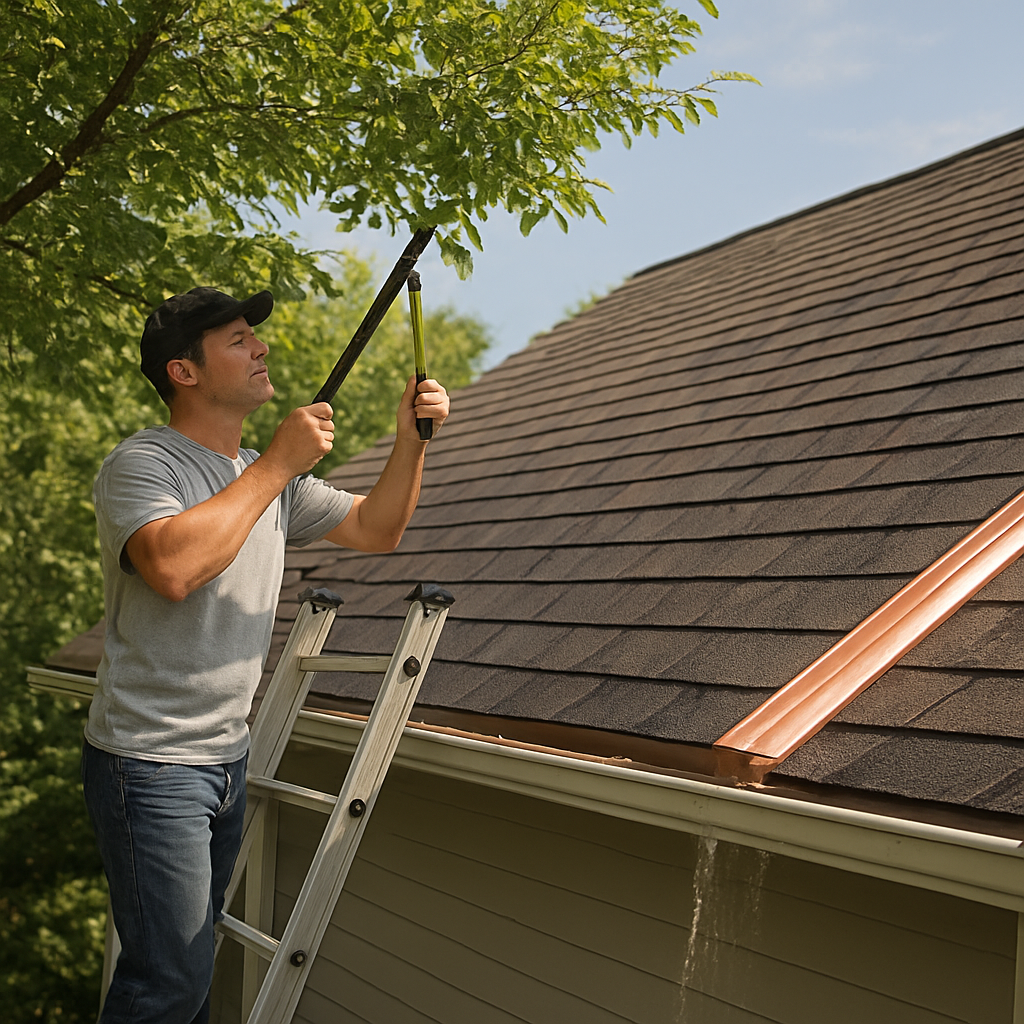
Metal strips along the ridge act like a natural “no‑moss” barrier. As rain runs over copper or zinc, it releases ions that inhibit algae and moss from taking hold. This is the same principle behind the 3M™ copper granules built into many premium shingles.
Malarkey’s own Algae Resistance (AR) technology uses those copper granules to keep roofs looking fresh for years learn more about AR shingles . If you’re not ready to replace your shingles, a DIY copper strip kit costs under $30 and lasts a decade.
Guard the Gutters and Downspouts
Even a clean roof can get dirty again if water backs up in the gutters and splashes debris back onto the shingles. After every heavy rain, give the gutters a quick visual check – any standing water? Any clumps of leaves?
When you spot a blockage, clear it with a gutter scoop or a garden hose. A simple tip: run a garden hose from the downspout upward; the reverse flow pushes the clog out without you having to climb up.
Schedule a Mini‑Check After Every Storm
Storms are nature’s way of testing your roof. Within 48 hours, walk the perimeter and look for fresh debris or water pooling in valleys. If you see a dark patch re‑forming, a light spray of a biodegradable cleaning solution can nip it in the bud before it becomes a full‑blown moss patch.
In the Pacific Northwest, where rain is a year‑round habit, homeowners who perform this quick post‑storm glance cut their moss‑related repair bills by up to 70%.
Use a Preventive Cleaning Solution Quarterly
Instead of waiting until moss is visible, treat the roof gently every three to four months. Mix a cup of white vinegar with a gallon of water, spray it lightly, let it sit for 15 minutes, then rinse with a mist‑setting hose. The acidity discourages spores without harming the shingle granules.
Remember, the goal isn’t a glossy shine – it’s a roof that stays dry, drains well, and resists organic growth.
Keep a Simple Maintenance Log
Grab a notebook or a phone note and jot down three things after each clean: date, any trimming done, and any observations (e.g., “new moss on north side”). Over a few years you’ll spot patterns – maybe the south side never gets moss, but the east side does after July.
This log becomes a low‑effort cheat sheet for future cleaning cycles and a useful hand‑off if you ever hire a pro.
By weaving these habits into your home‑maintenance routine, you’ll spend less time scrubbing and more time enjoying a dry, stain‑free roof that protects your home through 2026 and beyond.
Ready to lock in the plan? Set a calendar reminder for each of the steps above, and you’ll never wonder why that dark streak reappears again.
Conclusion
We've walked through everything from spotting moss to protecting your gutters, and the thread that ties it all together is simple: consistent roof cleaning saves you headaches and money.
Remember, the biggest enemy is moisture trapped by debris. A quick visual scan, a gentle low‑pressure wash, and a rinse that lets water flow freely are the three steps that keep shingles healthy.
So, what’s the next move? Grab that notebook, jot down the date of your next clean, and set a calendar reminder. A five‑minute check after each storm can catch a fresh patch before it spreads.
Key takeaways
Why it matters: When you keep the roof clean, you protect your home’s interior, boost curb appeal, and even shave a few dollars off your energy bills because reflected sunlight does its job.
And if you ever feel the job is getting too big or risky, LGFMH Construction is ready to step in with a professional inspection and cleaning – no pressure, just peace of mind.
Bottom line: a habit of roof cleaning today means fewer leaks tomorrow. Stick with the routine, and your roof will stay dry and sturdy well beyond 2026.
Give yourself a pat on the back for taking care of the house you love; you’ve earned a roof that works as hard as you do.
FAQ
How often should I schedule roof cleaning for a typical Virginia home?
Most homeowners in Virginia find that a twice‑a‑year rhythm works best – once in early spring after the last frost and again in late fall before the first big snow. This timing catches spring pollen and summer moss before they settle, and it clears fallen leaves that can trap moisture over winter. If you have a lot of trees nearby, add a quick post‑storm glance to spot fresh debris.
Can I clean my roof myself without damaging the shingles?
Yes, you can DIY safely as long as you stick to low‑pressure methods and a soft‑bristle brush. Mix a biodegradable cleaner at a 1:4 ratio, spray from the ridge, let it sit 10‑15 minutes, then rinse with a mist‑setting hose. Avoid power washers; they can strip granules and shorten the roof’s life. If the pitch is steep or the shingles feel soft, it’s smarter to call a pro.
What’s the biggest mistake people make when cleaning roofs?
The most common slip‑up is using high pressure or harsh chemicals. A strong stream can lift granules, creating tiny pathways for water that later turn into leaks. Similarly, bleach or acidic cleaners can eat away at the protective coating and even harm nearby plants. Stick to low‑pressure water and a gentle, pH‑balanced solution, and always rinse thoroughly.
How do I know if moss or algae is really a problem?
If you see dark, almost black streaks that don’t wash away with a garden hose, that’s a sign algae or moss is feeding on the shingles. It not only looks unsightly but also holds moisture, which accelerates granule loss. A quick test is to spray a bit of water; if the spots stay damp longer than the surrounding area, they’re likely biological growth that needs treatment.
What safety gear should I never skip?
A slip‑resistant pair of boots, a harness if the roof is steeper than 4:12, and safety glasses are non‑negotiable. A sturdy ladder with a stabilizer prevents wobble, and gloves protect your hands from both the cleaner and any sharp shingle edges. Taking a few minutes to gear up can mean the difference between a clean roof and a nasty fall.
Will roof cleaning lower my energy bills?
Absolutely. A clean roof reflects more sunlight, which keeps your attic cooler in summer and reduces the load on your HVAC system. Homeowners who clean their roofs twice a year often see a 2‑5 % dip in energy costs because the roof isn’t working harder to shed heat trapped by algae or debris.
When should I call a professional instead of DIY?
Call a pro if you notice any soft spots, cracked shingles, or if the roof pitch exceeds a gentle slope. Also, if you’re uncomfortable with heights, lack the right equipment, or simply don’t have time for the prep and cleanup, a professional inspection can spot hidden damage before you spend money on a clean that won’t stick. LGFMH Construction offers a combined inspection‑and‑clean service that saves you the guesswork.


Comments