Essential Roof Repair Hampton VA Guide: Local Experts, Costs & Maintenance
- William McKracherne
- Dec 20, 2025
- 18 min read

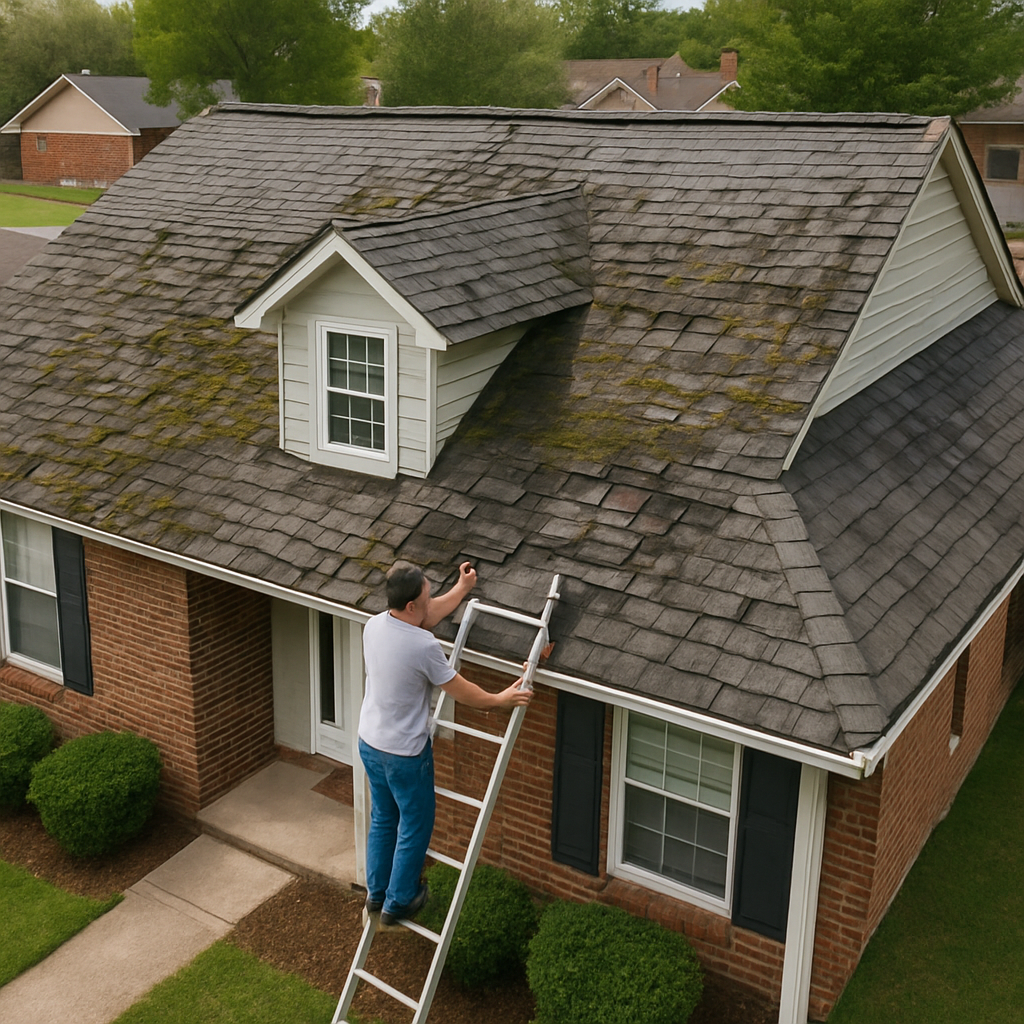
Ever stared up at a sagging shingle on a humid Hampton afternoon and felt that knot in your stomach? You’re not alone – a leaky roof can turn a cozy home into a source of constant worry.
That uneasy feeling is exactly why roof repair hampton va matters more than a fresh coat of paint; it’s the first line of defense against water, wind, and the inevitable wear that Virginia’s climate dishes out.
Picture this: you’re sipping coffee on the porch, hearing a faint drip from the ceiling above. You glance up, notice a dark spot, and realize the leak started weeks ago. By the time you call a contractor, mold may already be setting in, and repair costs can jump dramatically.
In our experience, the biggest mistake homeowners make is waiting until the damage is visible. Most roof issues start subtly – a cracked seal, a missing granule, or a tiny ridge vent that’s lost its shape. Those tiny signs are the early alarm bells that can save you hundreds.
So, what should you do the moment you suspect a problem? First, do a quick visual check from the ground – look for curled shingles, moss buildup, or any debris collecting in valleys. Next, grab a garden hose and gently spray the roof, watching for water that doesn’t run off cleanly. Those simple steps can pinpoint the trouble spot before you even step onto the ladder.
If the issue looks more serious – like a large hole or extensive water damage – it’s time to bring in a professional. A local contractor who knows Hampton’s weather patterns can recommend the right material, whether it’s a durable metal roof that handles salty sea breezes or an architectural shingle that blends with historic homes.
At LGFMH Construction we’ve helped dozens of Hampton families get their roofs back in shape without breaking the bank. We start with a thorough inspection, lay out a clear cost estimate, and then work efficiently so you can get back to enjoying your home.
Bottom line? Ignoring early signs of roof trouble can cost you far more in the long run. By staying alert, doing a quick DIY check, and calling a trusted local pro when needed, you protect both your home’s value and your peace of mind.
TL;DR
If you see curled shingles, moss, or water pooling on your Hampton roof, a visual check and hose test can spot roof repair hampton va issues before damage.
When damage looks serious, trust LGFMH Construction’s expertise to assess, estimate, and fix problem, protecting your home’s value and peace of mind.
Assessing Roof Damage in Hampton VA
Ever stood on your porch, feeling that uneasy tug in your gut when you see a shingle curling like a wilted leaf? You’re not alone. In Hampton’s salty breezes and summer heat, roofs get a beating, and the first clue is often right under your nose.
Start with a low‑key visual sweep from the ground. Scan the ridge line for missing or cracked shingles, watch for moss spreading like a green carpet, and check the valleys for debris that could trap water. Those little red flags are the early warning system you’ve been looking for.
When you feel comfortable climbing a ladder – and safety is non‑negotiable, so grab a sturdy ladder and a spotter – get up close. Look for granule loss (you’ll see the underside of the shingle looking like a sandpaper strip), examine flashing around chimneys and skylights for rust or gaps, and run your hand along the roof’s surface to feel soft spots that might indicate water soaking the deck.
But here’s a trick that saves you a lot of guesswork: grab a garden hose and simulate rain. Start at the lower edge and work your way up, watching where water pools or backs up. If you spot a leak inside, you’ve just pinpointed the trouble spot without breaking a sweat.
After you’ve identified the suspect area, give the roof a good cleaning before any repair work begins. A clean surface not only helps you see damage better but also ensures new materials adhere properly. If you need professional‑grade tools, consider checking out professional exterior cleaning equipment – a pressure washer can blast away moss and algae without damaging the shingles.
Now, imagine the worst‑case scenario: water has already seeped into your attic, soaking insulation and threatening mold. That’s when a water‑damage specialist steps in. A quick call to a trusted service can prevent costly remediation later. For a solid rundown on what to do after a roof leak, see this water damage restoration guide. Even though it’s geared toward Grand Rapids, the principles apply everywhere – dry the area, control humidity, and address any structural issues promptly.
One of the most effective ways to keep future surprises at bay is to follow a systematic inspection routine. Our team swears by the roof inspection checklist , which walks you through every nook, from vent boots to drip edges, and helps you prioritize repairs before they become emergencies.
To sum it up, here’s a quick cheat sheet: 1) Visual scan from the ground, 2) Ladder check for granule loss, flashing, and soft spots, 3) Hose test to locate leaks, 4) Clean the surface with proper equipment, 5) If water has entered, call a restoration pros, 6) Follow a detailed inspection checklist for ongoing maintenance. By treating your roof like a living part of your home – checking, cleaning, and fixing – you’ll dodge the costly fallout of a surprise collapse.
So, next time you hear that faint drip or notice a dark line on the ceiling, you’ll know exactly what to do and who to call. And remember, a little proactive love now can keep your Hampton home safe and dry for years to come.
Choosing the Right Roofing Materials for Hampton VA Homes
Why Hampton’s climate matters
First off, think about the last time a salty breeze hit your porch while the sun was blazing. That mix of humidity, occasional hurricanes, and the occasional freeze‑thaw cycle is a unique recipe that can chew up a roof faster than you’d expect.
In our experience, the materials that survive those conditions are the ones that either shed water like a duck’s feather or stand up to corrosion like a well‑maintained bike chain.
Asphalt shingles – the classic workhorse
Most Hampton neighborhoods sport three‑tab or architectural asphalt shingles. They’re cheap (often under $100 per square), easy to install, and come in a palette that matches anything from colonial whites to modern grays.
Real‑world example: the Miller family in West Ocean View installed a standard asphalt roof five years ago. After two strong nor’easters, the only thing they needed was a quick granule‑wash – no major leaks, no costly repairs.
But don’t ignore the downsides. In salty air, the granules can erode faster, shortening the typical 20‑year lifespan. If you’re on a tighter budget, plan for a mid‑life replacement or a protective coating.
Architectural (laminated) shingles – a step up
These are essentially thicker, multi‑layered asphalt shingles that look more like slate or wood. They add 30‑40% more curb appeal and can push the lifespan to 30 years.
Example: a homeowner on the Peninsula swapped his three‑tab roof for architectural shingles after a minor wind‑uplift incident. The new roof handled the next hurricane without any nail pops, and the insurance premium dropped a few hundred dollars because the material is rated higher for wind resistance.
Tip: ask for a warranty that covers wind speeds up to 130 mph – that’s the sweet spot for Hampton’s occasional gusts.
Metal roofing – the long‑term champion
Metal panels (steel, aluminum, or copper) are gaining traction in coastal Virginia. They’re non‑combustible, reflect heat (lowering cooling bills), and resist rust when coated properly.
Case study: the Johnsons on Olde Towne installed a standing‑seam steel roof 12 years ago. Their energy bills dropped 12%, and the roof is still looking brand‑new despite three major storms.
The trade‑off is cost – you’re looking at $150‑$250 per square – and the louder rain‑on‑metal sound, which some neighbors find “industrial.” Adding a solid underlayment can mute the noise.
Ceramic & clay tiles – for historic charm
If you own a historic bungalow in the Olde Towne district, clay tiles might be the only code‑approved option. They’re heavy (so your framing must be solid) but can last 50‑plus years.
Real‑world note: a restored 1920s home kept its original red clay tiles after a full roof inspection. The tiles survived a Category 1 hurricane with only a few cracked edges, which are cheap to replace.
Because the tiles are porous, they need a proper sealant in the humid months to avoid moss growth.
Synthetic slate & rubber roofing – the modern alternatives
These materials mimic the look of slate or wood shake without the weight. They’re UV‑stable, lightweight, and often come with a 30‑year warranty.
We recently helped a condo building switch to synthetic slate after the original slate cracked from thermal expansion. The new roof cut the building’s maintenance budget in half.
Actionable steps to pick the best material
1.Assess your home’s style and structural capacity.Older homes may need reinforcement before a heavy material like tile.
2.Set a realistic budget.Include not just material cost but also underlayment, flashing, and disposal fees.
3.Consider durability vs. climate.For salty air, metal or high‑quality architectural shingles are top choices.
4.Check local building codes.Some HOA’s in Hampton require specific colors or materials, especially in historic districts.
5.Ask about warranties and wind ratings.A 30‑year warranty with a 130 mph wind rating is a solid baseline.
6.Get a professional estimate.A quick on‑site measurement from a local crew (like ours) will reveal any hidden framing issues before you pick a material.
7.Think about energy efficiency.Light‑colored metal or reflective shingles can shave 5‑10% off cooling costs in the hot summer months.
Expert tip from LGFMH Construction
We always recommend pairing any roofing material with a high‑quality synthetic underlayment. It acts like a rain‑sweater for your roof, especially important when a storm sneaks in after a hot, humid day.
Bottom line? Choosing the right roofing material isn’t just about price tags. It’s about matching the material to Hampton’s salty, windy, and occasionally frosty personality while keeping your home looking great for years to come.
Cost Breakdown and Budgeting for Roof Repair in Hampton VA
When the first leak shows up, the panic usually isn’t about the water itself – it’s about the price tag. In Hampton, VA, a roof has to fight salty air, wind, and occasional freeze‑thaw cycles, so you want to know exactly where every dollar is going before you sign a contract.
What you’re really paying for
Most homeowners think the cost is just the shingles. In reality, a full roof repair breaks down into four major buckets: material, labor, hidden extras, and contingency.
Material:Asphalt shingles run about $90‑$130 per square (a “square” = 100 sq ft). Architectural shingles are $120‑$170, while metal panels can jump to $150‑$250. Don’t forget underlayment – a synthetic layer adds $15‑$30 per square and works like a rain‑sweater for your roof.
Labor:In Hampton, crews typically charge $1.50‑$3.00 per square‑foot for removal and installation. That’s $150‑$300 per square for a standard job, but steep roofs or difficult access can push rates higher.
Hidden extras:Flashing, vent boots, ridge caps, and disposal fees often appear as line‑item surprises. A set of new flashing around a chimney can be $150‑$250, and hauling away old roofing material might add $200‑$500 depending on volume.
Contingency:Unexpected framing issues, rotten rafters, or water‑logged insulation are the “gotchas.” We always recommend budgeting an extra 10‑15 % of the total estimate to cover those surprises.
Real‑world budgeting examples
Take the Miller family on Olde Towne Road. Their 1,800‑sq‑ft roof needed a patch after a storm ripped out a few shingles. Material (architectural shingles) cost $2,200, labor $1,800, flashing $300, disposal $250, and they set aside $600 for contingency. Their final bill landed at $5,150 – roughly $2.86 per square foot.
Contrast that with the Johnsons, who discovered water damage behind a ceiling after a minor leak. The repair turned into a partial roof replacement because the deck was compromised. Material (metal panels) $4,500, labor $3,200, extra underlayment $600, flashing $400, disposal $350, contingency $1,200. Total: $10,250 – about $5.70 per square foot. The big difference? The hidden structural issue that only showed up once they pulled back the old roofing.
Step‑by‑step budgeting checklist
1.Get at least three written estimates.Look for line‑item breakdowns – if a quote lumps everything into a single “total,” ask for details.
2.Measure your roof’s square footage.Most contractors will do this, but you can roughly calculate by multiplying length × width of each plane and dividing by 100.
3.Identify material preferences.Decide early whether you want the budget‑friendly three‑tab, the longer‑lasting architectural, or metal. Each has a distinct price range.
4.Ask about underlayment and flashing upgrades.A synthetic underlayment can add $0.30‑$0.50 per square foot, but it often prevents future leaks.
5.Set aside a contingency fund.Write down 10‑15 % of the summed estimate and keep it in a separate envelope or spreadsheet.
6.Verify warranty coverage.A 30‑year warranty that includes labor can save you thousands down the road. Make sure the warranty matches the material’s wind rating (130 mph is a good target for Hampton).
Quick comparison table
Item | Typical Cost (per sq ft) | What to watch for |
Asphalt shingles (3‑tab) | $1.00‑$1.30 | Shorter lifespan, granule loss in salty air |
Architectural shingles | $1.20‑$1.70 | Better wind rating, higher upfront cost |
Metal panels | $1.50‑$2.50 | Higher material cost, noise factor, excellent durability |
Once you’ve run the numbers, the next question is: can you afford to wait? In our experience, delaying a small repair often leads to a larger, more expensive job later – especially when humidity and salt speed up wood rot.
So, what should you do next? Grab a notebook, jot down the square footage of your roof, decide on a material, and call a few local pros for itemized quotes. When the estimates arrive, compare the line items, add a 10‑15 % buffer, and you’ll have a realistic budget that doesn’t leave you scrambling for cash mid‑project.
Remember, budgeting isn’t just about the dollars; it’s about protecting your home’s value and your peace of mind. A well‑planned roof repair in Hampton VA can keep the water out, the energy bills down, and the stress level low for years to come.
Hiring a Professional Roofer in Hampton VA
So you’ve done the math, jotted down the square footage, and you’re staring at that “call a pro” line in your notebook. That moment feels a little like picking a new doctor – you want someone who knows the local quirks, shows up on time, and actually fixes the problem without disappearing after the bill.
Why local expertise matters
Hampton’s salty breezes and occasional wind gusts up to 130 mph aren’t just headlines; they’re real wear‑and‑tear on shingles, flashing, and fasteners. A roofer who grew up on the Peninsula knows to use marine‑grade nails and to watch for salt‑induced corrosion. In our experience, crews that ignore those details end up back at the house a month later with a fresh leak.
Step‑by‑step vetting checklist
1. Verify license and insurance.Virginia requires a Class A roofing contractor license. Ask to see the license number and run it through the Virginia Department of Professional and Occupational Regulation website. Insurance is non‑negotiable – you don’t want a contractor’s workers’ comp claim hanging over your roof.
2. Scan online reviews.A quick glance at local roofing contractor reviews on Angi shows you who’s consistently delivering on time and who’s getting the “didn’t clean up” complaints. Look for a pattern of five‑star ratings over a six‑month period rather than a single glowing review.
3. Request at least three detailed estimates.Each quote should break down material, labor, disposal, and any extra work like flashing replacement. When the numbers look wildly different, ask why – sometimes a lower price means the contractor is cutting corners on underlayment.
4. Check references.Real‑world stories beat marketing copy. Call a past homeowner who had a similar roof type (architectural shingles, metal, etc.) and ask how the crew handled unexpected issues, whether they respected the schedule, and if the warranty paperwork was clear.
5. Talk warranty and post‑job support.A solid roof repair should come with a manufacturer’s material warranty plus a labor guarantee from the installer. We’ve seen homeowners lose a $5,000 repair because the contractor didn’t register the warranty, leaving the insurer to deny the claim.
Real‑world examples from Hampton
Take the Martinez family on Chesapeake Avenue. They called a “budget” roofer after a storm ripped a few shingles. The contractor quoted $1,200, used cheap underlayment, and finished in a day. Two weeks later, water seeped through the ridge and they faced $3,500 in water‑damage repairs. The lesson? The cheapest bid often skips the critical steps that keep water out.
Contrast that with the Patel household in Olde Towne. They followed the checklist above, chose a contractor with a 4.8‑star Angi rating, and got a written estimate that included a 30‑year wind‑rated shingle warranty and a synthetic underlayment upgrade. The job took four days, stayed on schedule, and six months later the roof is still dry despite another nor’easter.
Questions to ask during the on‑site visit
When a roofer climbs onto your roof, treat it like a job interview. Ask: “What underlayment do you recommend for salty air?” “How will you protect my landscaping while you work?” “Can I see a sample of the flashing you’ll install?” Their answers reveal whether they’ve actually studied Hampton’s climate or are just reading a script.
Also, request a written work plan that outlines daily milestones. That way you can track progress and spot any delays before they become a headache.
Final checklist before you sign
• License number matches state records
• Insurance certificate up to date
• Detailed, itemized estimate
• References confirmed
• Warranty terms written in plain language
• Signed contract with clear start and completion dates
If anything feels off, walk away. A reputable contractor will understand that you’re protecting your investment.
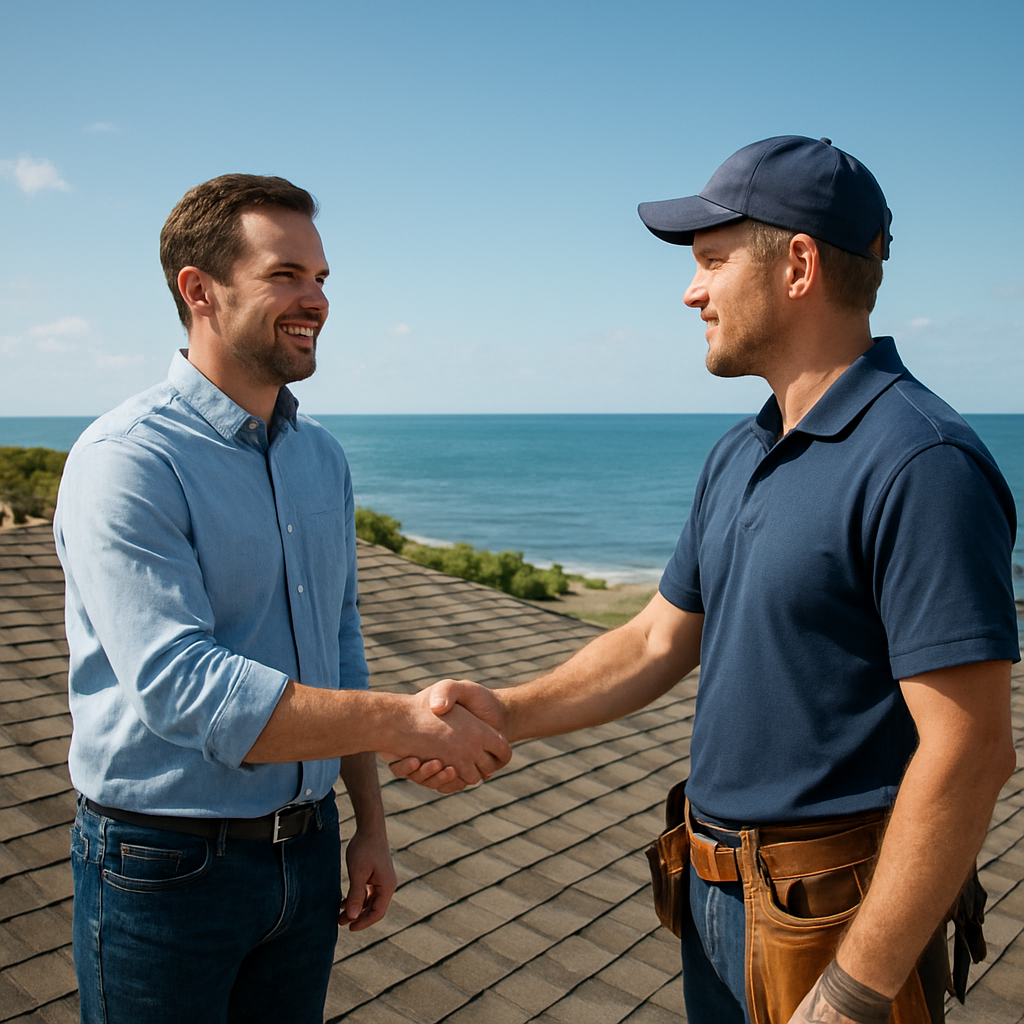
Bottom line: hiring the right professional isn’t just a box to check – it’s the difference between a roof that holds up for decades and a recurring cycle of patch‑ups. Follow the checklist, lean on trusted review sites, and you’ll walk into the next storm with confidence.
Preventive Maintenance Tips to Extend Roof Life in Hampton VA
Think about the last time a gust of salty sea air brushed your face while you were on the porch. That same breeze is silently chewing at your shingles, and if you don’t give it a little love, it’ll turn a solid roof into a patch‑work nightmare.
So, how do you keep your roof humming along for the long haul? The answer is simple: a routine of bite‑size, low‑cost habits that add up to years of protection. Below are the steps we swear by at LGFMH Construction, plus real‑world anecdotes from Hampton families who’ve saved big bucks by staying ahead of the problem.
1. Visual Scan Every Season
Spring, summer, fall, winter – pick a weekend when the weather’s mild and walk the perimeter of your house. Look for curled shingles, missing granules (they look like a fine powder on the ground), and any moss that’s turned your roof into a green carpet.
Example: The Turner family noticed a thin line of moss on their West Ocean View roof after a rainy spring. They gently brushed it off with a soft broom and sprayed a zinc‑copper solution. Six months later the moss was gone, and they avoided a costly underlayment replacement that would have been needed if the moisture had seeped in.
2. Clean Gutters and Downspouts
Clogged gutters are the silent killers of roof longevity. When water backs up, it can lift shingles and seep into flashings. Grab a garden trowel, pull out leaves, twigs, and any debris at least twice a year – after the fall leaf drop and after the summer storm season.
Pro tip: When you clear a gutter, run a hose through it to verify the water flows freely. If it pools, you’ve likely got a blockage farther down that needs a plumber’s attention.
3. The “Hose Test” – Your DIY Leak Detector
Just like you learned in the assessment section, a gentle hose spray can reveal hidden weak spots. Start at the lowest point, work upward, and keep a flashlight handy in the attic. When you see a drip, mark the spot with a piece of tape – that’s your repair to schedule.
Real‑world story: A homeowner in Olde Towne used the hose test after a windy night and found a tiny crack behind a vent boot. Fixing it right away saved them from a $4,200 water‑damage claim later that year.
4. Inspect Flashing and Roof Penetrations
Every vent, skylight, and chimney has flashing that can rust or crack over time. Give those seams a gentle tug with a screwdriver – you should feel a bit of resistance, not looseness. If you see rust, paint, or gaps, note them for a professional repair.
We’ve seen a pattern: homes that replace flashing every 7‑10 years rarely suffer storm‑related leaks. It’s a small investment that pays off when a hurricane hits.
5. Trim Overhanging Branches
Tree limbs that brush the roof act like a sandpaper, wearing down shingles and knocking loose granules. In Hampton’s humid climate, that wear accelerates. Trim any branches that come within six inches of the roof surface.
One case: The Garcia family let a large oak grow right over their roof for years. When a storm snapped a branch, it ripped a shingle strip, leading to a leak that cost $2,800 to fix. A quick prune would have prevented it.
6. Apply a Protective Roof Coating
For asphalt shingles, a clear acrylic coating can act like a rain‑sleeve, reflecting UV and resisting salt spray. It’s especially useful on south‑facing slopes that soak up the most sun.
Data point: Homeowners who added a coating in Hampton reported a 15‑20% reduction in heat‑related expansion cracks over a five‑year period.
7. Schedule Professional Check‑Ups After Major Storms
When a storm drops more than half an inch of rain or brings winds over 40 mph, call a local roofer within 48 hours. A quick inspection with moisture meters can catch hidden saturation before it turns into rot.
Our crew often finds “silent” damage – a few shingle lifts that look harmless but will let water in after the next rain. Fixing those early costs a fraction of a full roof replacement.
8. Keep a Maintenance Log
Grab a notebook or a notes app and jot down every inspection, the date, and what you did (cleaned gutters, brushed moss, replaced flashing). Include photos if you can. When it’s time to call a pro, you’ll have a clear history, and insurers love that kind of documentation.
Bottom line: roof repair hampton va isn’t just about fixing problems after they appear; it’s about building a habit of small, proactive steps. By walking the roof, cleaning gutters, checking flashings, and documenting everything, you’re giving your roof the kind of care that lets it weather salty breezes, heavy rains, and the occasional hurricane without begging for a major overhaul.
Conclusion
After all the digging, the message is simple: a roof that gets a little love now saves you a lot of headaches later.
Think about the last time a storm rattled your windows. If you’ve been checking shingle edges, clearing gutters, and noting anything odd in a log, you’ve already built a defense that most homeowners skip.
We’ve seen Hampton families avoid thousands of dollars by catching a loose shingle or a rusted flash before the next rain. Those tiny actions—quick hose tests, seasonal visual scans, and a 48‑hour pro check after a big storm—add up to a roof that lasts longer and keeps your home dry.
So, what’s the next step? Grab that notebook, jot down the date of your last inspection, and set a calendar reminder for the next seasonal walk‑around. If something looks off, give a local roofer a call sooner rather than later.
Remember, roof repair Hampton VA isn’t a one‑time project; it’s a habit. Let LGFMH Construction be part of that habit when you need a professional eye.
A well‑maintained roof also helps your home’s resale value and lowers insurance premiums.
Ready to give your roof the TLC it deserves? Reach out today and keep the peace of mind flowing year after year.
FAQ
What are the most common signs that I need roof repair in Hampton, VA?
Typical warning signs show up long before a leak. Look for curled or missing shingles, granule loss that leaves a dusty trail, water stains on the ceiling, and moss or algae growth in shady spots. In Hampton’s salty air, rusted flashing and loose vent boots pop up faster, too. If you notice any of these during a seasonal walk‑around, it’s a clear cue to schedule roof repair hampton va before water gets inside.
How often should I inspect my roof for potential repair needs in Hampton, VA?
Because the weather swings between hot, humid summers and occasional winter freezes, we recommend a quick visual check at least once every three months. Add a more thorough inspection after any storm that drops more than half an inch of rain or brings wind gusts over 40 mph. A simple hose test combined with an attic flashlight check takes under 30 minutes and can catch problems before they become expensive roof repair hampton va jobs.
Can I fix minor roof issues myself or should I always call a professional?
DIY fixes work for tiny things like clearing debris, tightening loose shingles, or applying a temporary sealant on a small crack. But once you spot damaged underlayment, rusted flashing, or multiple shingle lifts, the risk of missing hidden moisture spikes. In Hampton, salt accelerates corrosion, so a pro’s moisture meter and proper marine‑grade fasteners make the difference between a quick patch and a repeat roof repair hampton va call.
What is the typical cost range for roof repair in Hampton, VA, and how can I budget for it?
The price tag varies with material and extent of damage. A simple shingle patch can run $300‑$600, while a partial replacement of architectural shingles often lands between $2,000‑$4,500. Full roof replacements push $8,000‑$12,000 in the area. To budget, get three itemized quotes, add a 10 % contingency, and set aside funds for underlayment upgrades—those little extras save you from surprise expenses later on roof repair hampton va projects.
How does the salty coastal environment in Hampton affect roof longevity and repair needs?
Salty air acts like a slow‑acting sandblaster on metal and fasteners, speeding up rust on flashing and nail heads. It also encourages granule loss on asphalt shingles, making them look dull faster. That’s why we see more frequent underlayment checks and coating applications in Hampton. By scheduling a protective roof coating every five years, you can cut down on corrosion‑related repairs and keep your roof repair hampton va costs down.
What should I ask a roofing contractor during a roof repair estimate in Hampton, VA?
Start by confirming their Virginia Class A license and current insurance – that’s non‑negotiable. Ask how they handle underlayment in salty conditions and whether they use marine‑grade nails. Request a breakdown of material, labor, disposal, and any contingency line items. Also, probe about warranty coverage: does it include both material and workmanship for at least 10 years? Finally, get a timeline and ask how they protect your landscaping during the job.
How can I keep documentation of roof maintenance for insurance and resale purposes?
Create a simple maintenance log in a notebook or a cloud note app. Record the date of each visual scan, what you cleaned, any repairs performed, and attach photos of problem spots before and after fixing them. Keep receipts for materials and contractor invoices. When you store this file with your home’s important documents, insurers and potential buyers will see a clear, proactive history – a big plus for any roof repair hampton va discussion.


Comments