Essential Roofing Guide for Homeowners
- William McKracherne
- Dec 31
- 17 min read

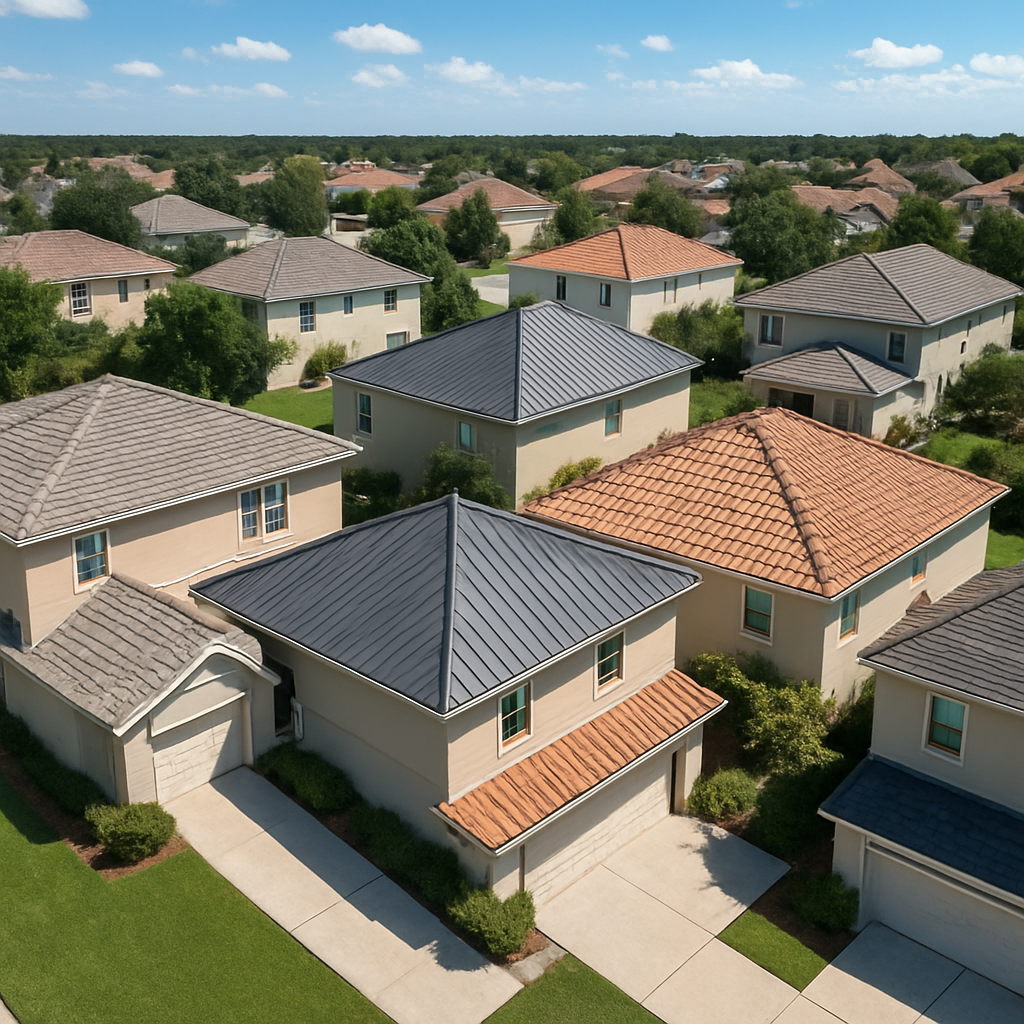
Picture this: you step outside on a rainy afternoon, hear that familiar drumming on the roof, and realize the old shingles are starting to whisper for help.
Does that feeling make you wonder if your roof is ready for the next storm, or if it’s silently plotting a bigger leak?
In our experience at LGFMH Construction, we’ve seen homeowners go from calm evenings to frantic calls the moment a single tile gives way. The good news? A little foresight can turn that panic into a simple checklist.
First, think about how your roof protects more than just the ceiling—it shields every memory made inside, from birthday cakes to late‑night movie marathons. When that shield weakens, the whole house feels the impact.
So, what should you actually look for? Start with the basics: are any shingles curled, cracked, or missing? Do you spot moss or algae staining the surface? Those are the low‑key red flags that most homeowners ignore until water starts dripping.
Here's a quick mental audit you can run while sipping coffee on the porch: glance at the roofline from ground level, note any uneven edges, listen for wind‑howl sounds that change after a storm, and check the attic for water stains after heavy rain.
If any of those signs ring a bell, you don’t have to panic. A focused inspection, followed by a conversation with a trusted contractor, can save you thousands down the line.
Let’s dive in and explore how to assess, maintain, and eventually upgrade your roofing so you can keep that cozy feeling year after year, without the surprise of a drip.
Remember, a roof isn’t just a slab of material; it’s the first line of defense for your home’s comfort, energy efficiency, and resale value. Treat it like you would any other major investment—regular check‑ups, timely repairs, and smart upgrades when the time comes.
TL;DR
Roofing health determines your home’s comfort, energy bills, and resale value, so spotting curled, cracked or missing shingles early can prevent costly leaks. Follow our quick visual checklist, trust a seasoned contractor when needed, and you’ll keep the roof protecting every memory for years ahead in your neighborhood and beyond.
Understanding Roofing Materials
When you think about a roof, you probably picture a simple blanket of shingles. In reality, it’s a toolbox of choices, each with its own personality, price tag, and lifespan. Figuring out which material fits your home is a bit like picking the right pair of shoes – you want comfort, durability, and something that matches your style.
First, let’s break down the big families of roofing materials you’ll encounter. We’ll cover the classic asphalt shingles, the long‑lasting metal options, the timeless clay and concrete tiles, and the newer synthetic alternatives that promise the look of slate or wood without the weight.
Asphalt Shingles – The All‑Rounder
Asphalt shingles dominate the market because they’re affordable (average install $7,300‑$10,600 for a typical home) and easy to install. They come in two flavors: the budget‑friendly 3‑tab and the more textured architectural version. The latter adds depth and can boost curb appeal, but it also nudges the cost up to $11,200‑$19,000.
Pros include quick installation and decent weather resistance. Cons? They can curl or crack after 15‑20 years, especially in harsh sun‑heavy climates. A real‑world example: a homeowner in Virginia Beach swapped out 3‑tab shingles after a summer of blistering heat, only to notice a noticeable drop in energy bills once the new architectural shingles reflected more sunlight.
Metal Roofing – The Heavy‑Duty Athlete
Metal roofs—whether steel, aluminum, copper, or zinc—are built to last 50 + years. They’re fire‑resistant, shed snow like a pro, and can reflect up to 70% of solar heat, which helps keep cooling costs down. Expect to spend $16,500‑$48,300 depending on the style (standing‑seam, screw‑down, or stone‑coated steel).
One homeowner in Norfolk installed a standing‑seam metal roof and reported a 12% reduction in their monthly electricity bill. The upfront cost is higher, but the long‑term savings and peace of mind often make it worthwhile.
Clay & Concrete Tiles – The Mediterranean Vibe
These tiles are heavy, durable, and perfect for homes that want a Spanish or Mediterranean flair. Clay tiles cost $35,200‑$69,800, while concrete runs a bit less, $33,700‑$65,500. Their lifespan can exceed 100 years if the roof deck is solid.
Because they’re so heavy, you need a structural engineer to verify your home can support them. In a recent project, we helped a client in Chesapeake reinforce their roof framing before installing clay tiles, avoiding a potential disaster down the line.
Synthetic Options – Light‑Weight Look‑Alikes
Today’s synthetic slate or wood shingles mimic the look of natural materials but weigh a fraction of the load. Prices sit between $49,500‑$65,000. They’re easier to handle and often come with long warranties.
Imagine you love the elegance of slate but can’t afford the 100‑year price tag. Synthetic slate gives you that aesthetic for a fraction of the cost and with less structural headache.
Here’s a quick checklist to help you decide:
Budget: What’s your comfortable spend range?
Climate: Does your area see lots of rain, snow, or intense sun?
Home Style: Does the material complement your architecture?
Longevity vs. Up‑front Cost: Are you willing to pay more now for less maintenance later?
Once you’ve answered those, you’ll have a clearer picture of the best fit.
If you’re still torn between options, our deep dive on architectural vs. 3‑tab shingles walks you through the visual and performance differences in detail.
And because every homeowner loves a good side read, you might enjoy Top 5 Banana Republic Eyeglasses Frames You’ll Love – a light‑hearted break that’s perfect while you sip coffee and compare roofing samples.
On a completely different note, if you have a curious cat at home, Understanding Calming Collar for Cats Side Effects offers some useful pet‑care insight – because a relaxed pet means fewer roof‑related mishaps (like a cat knocking over a ladder!).
Finally, remember that the material you pick is only half the story. Proper installation, regular maintenance, and timely inspections keep any roof performing its best. A well‑chosen material paired with skilled craftsmanship will protect your home for decades.
How to Inspect Your Roof for Damage
Let’s be honest: the last thing you want to think about on a sunny Saturday is climbing up onto your roof. Yet a quick, focused inspection can save you a cascade of water stains, costly repairs, and sleepless nights. In our experience at LGFMH Construction, a five‑minute visual check often catches problems before they become emergencies.
First things first—safety. Grab a sturdy ladder, wear non‑slip shoes, and never work alone. If the roof feels slick or the wind picks up, call a professional instead of risking a fall.
Here’s a minimalist toolbox you’ll need: a binoculars or a zoom‑lens camera for ground‑level spotting, a ladder that reaches at least three feet above the roof edge, a chalk line or a piece of string, a flashlight, and a notepad for jotting down observations.
Step 1: Ground‑Level Sweep
Stand on the porch or driveway and scan the roof from left to right. Look for obvious red flags: curled or missing shingles, dark streaks of algae, and any sections that look uneven or bulging. If you spot a pool of water after a rain, that’s a sign the drainage system isn’t doing its job.
Does this feel like a chore? Not really—just a few slow pans of your eyes while you sip coffee.
Step 2: Up‑Close Ladder Inspection
Once you’ve flagged suspect areas, set up your ladder securely and get up close. Start at the eaves and work your way up, using the chalk line to mark any straight‑line gaps where shingles have lifted. Press gently on each shingle; it should feel firm, not spongy.
Pay extra attention to roof valleys—the V‑shaped channels that direct water. Cracks or missing granules in these valleys are a fast track to leaks.
Step 3: Flashing and Seam Check
Flashing is the metal tape that wraps around chimneys, vent pipes, and roof‑wall intersections. If the metal looks rusted, warped, or loose, water can sneak behind it. In a recent Virginia Beach project, a homeowner noticed a rusted flash around a skylight; a quick reseal saved them from a ceiling leak that would have cost over $3,000 to fix.
Look for gaps where the flashing meets the roof surface—those are the places water loves to gather.
Step 4: Ponding Water
After a heavy rain, walk the perimeter (from the ground) and watch for standing water that doesn’t drain within 15‑20 minutes. Persistent ponding can weaken the membrane on flat roofs and eventually cause a rupture.
Even a small dip can indicate an underlying slope issue that needs professional correction.
Step 5: Inside the Attic
Head upstairs and pop the attic hatch. Scan the underside of the roof deck for water stains, moldy spots, or damp insulation. A dark line running from a roof seam is a dead‑giveaway that water is finding its way in.
Do you hear a faint drip after a storm? That’s your cue to call a roofer before the problem spreads.
Real‑World Examples
Picture a family in Norfolk who noticed a few shingles curling after an unusually hot summer. They climbed up, found the edges lifting, and replaced those shingles within a week. Their energy bill dropped by 8% because the new shingles reflected more sunlight.
On the commercial side, a small office in Kansas City discovered a tiny rip in its EPDM rubber membrane during a routine inspection. The rip was less than an inch wide, but if left untreated, it could have led to a roof‑wide leak that shut down operations for days.
Expert Tip: Seasonal Timing
Schedule two inspections per year: one after the leaf‑fall season and another after the first heavy rain of spring. This timing aligns with the natural wear patterns and gives you a clear picture of any emerging issues.
Quick Inspection Checklist
Check for curled, cracked, or missing shingles.
Inspect flashing for rust, looseness, or gaps.
Look for algae, moss, or dark streaks.
Spot ponding water after rain.
Examine attic for stains or damp insulation.
Listen for new dripping sounds during storms.
Now that you’ve got the steps down, set a reminder on your phone for the next seasonal check. A half‑hour effort now can prevent a full‑day headache later. And if anything feels beyond your comfort zone, give a trusted roofing pro a call—better safe than sorry.
Step-by-Step Roof Repair Process
Alright, you’ve spotted that shingle that’s starting to curl or a membrane tear that’s getting bigger. Let’s walk through a repair process that feels doable even if you’re not a pro.
First thing’s first—safety. Grab a sturdy ladder, wear shoes with good grip, and never work alone on a windy day.
If anything feels slick or the roof looks unstable, call us at LGFMH Construction. A quick professional visit can save a lot of hassle.
Assuming you’re good to go, gather your toolbox. You’ll need a utility knife, pry bar, roofing nails, a hammer, a sealant or roofing cement, and a pair of gloves.
A chalk line or a piece of string works wonders for keeping new material straight. And a flashlight is a lifesaver when you’re under the eaves.
Step 1: Do a close‑up visual check. Walk the ladder slowly, looking for cracked shingles, lifted edges, or torn flashing.
Take notes or snap a photo of each spot. That way you won’t forget a hidden leak when you get back on the ground.
Step 2: Mark the repair zone. Use a piece of chalk to outline where you’ll cut or remove material.
A clear line helps you cut only what you need and keeps the surrounding area intact.
Step 3: Remove the damaged piece. Slip the pry bar under the shingle or membrane and lift gently.
If you hit resistance, back off a little—forcing it can break the surrounding pieces.
Now that the broken part is out, you can see the substrate underneath.
That video shows the exact motion of lifting a shingle without cracking the ones beside it.
Step 4: Clean the area. Sweep away old nails, debris, and any loose granules. A clean surface lets the new material adhere properly.
If you’re working on a flat roof, make sure the membrane is dry before you apply anything new.
Step 5: Prep the replacement. Cut a new shingle or a patch of roofing membrane to match the size of the opening.
A little overlap—about an inch—on all sides gives you room for the sealant and prevents water from sneaking in.
Step 6: Apply roofing cement. Spread a generous bead under the new piece, then press it down firmly.
Nail it in place using corrosion‑resistant roofing nails. Space the nails about six inches apart for even holding power.
If you’re repairing flashing, slide the new metal under the existing layers, then seal the seams with a high‑temperature silicone.
Step 7: Seal the edges. Run a smooth line of sealant around the perimeter of the repair to create a watertight barrier.
Don’t forget the corners—water loves to pool there. A quick tap with a caulking gun does the trick.
Step 8: Let it cure. Most roofing cements need at least 24 hours before you expose the area to rain.
Check the weather forecast, and if a storm is brewing, hold off until the sky clears.
Step 9: Final inspection. Walk the ladder again, looking for any loose nails or gaps in the sealant.
If everything feels solid, give the repaired spot a gentle spray with a garden hose to test for leaks.
A few drips? Apply a bit more sealant and re‑test. Otherwise, you’re good to go.
Cleanup matters, too. Collect all nail heads, scrap material, and tools before you descend. A tidy job means no surprises later.
Lastly, schedule a follow‑up check in a month. Even the best repair can settle, and a quick glance will catch any movement early.
Remember, regular maintenance—like clearing gutters and trimming overhanging branches—keeps your roof from needing frequent repairs.
And if a repair ever feels beyond your comfort zone, give LGFMH Construction a call. We’re happy to step in and make sure the job is done right.
Comparing Roofing Options: Cost, Durability, and Energy Efficiency
When you start weighing roof materials, the numbers on a price tag are only half the story. You also want to know how long that material will hold up when the next hurricane rolls in, and whether it will keep your AC humming less loudly in the summer.
So, what does a realistic comparison look like?
Up‑front cost vs. life‑cycle value
Asphalt shingles feel cheap for a reason—average install runs around $7,300 to $10,600 for a typical home. Metal roofing jumps to $16,500‑$48,300, while clay tiles can climb past $35,000. Florida Roof comparison
But think of it like buying shoes. You might splurge on a pair that lasts 30 years, versus a budget option that needs a new pair every 10 years. Over 30 years, the higher‑priced roof often ends up cheaper because you avoid repeated labor and material costs.
Does that change your budget mindset?
Durability in the real world
We’ve seen a Norfolk family replace their 3‑tab shingles after a blistering summer. Within a year, the new architectural shingles stopped the curling, and their roof held up through a Category 3 storm without a single leak.
Metal roofs can last 50 + years, but in coastal Virginia they’re prone to denting from flying debris and occasional rust if the coating wears thin.
Clay tiles, according to the same Florida study, survive 50 + years with minimal maintenance and shrug off wind‑driven rain like they’re made of stone.
Which durability profile matches the climate you live in?
Energy efficiency matters more than you think
Ever notice how a house with a light‑colored roof feels cooler? That’s the solar reflectance index at work. Clay tiles naturally reflect sunlight, cutting cooling loads. The U.S. Department of Energy and the Cool Roof Rating Council both note that reflective roofs can lower indoor temperatures by up to 50 °F. EcoWatch energy‑efficiency guide
Metal roofs can be coated to achieve similar reflectivity, but dark‑colored metal absorbs heat after sunset, raising night‑time cooling costs. Asphalt shingles, unless you buy a “cool‑shingle” version, typically add to your AC bill.
Imagine trimming $500 off your yearly electric bill just by swapping to a cooler roof—that adds up fast.
Quick decision checklist
Budget: Can you afford a higher upfront cost for long‑term savings?
Climate: Is your area prone to high winds, salt air, or scorching sun?
Style: Do you want a Mediterranean look (clay) or a modern sleek finish (metal)?
Energy goals: Are you aiming to lower cooling costs or qualify for green‑building incentives?
Take a moment now—grab a pen and jot down which of these matters most to you.
Real‑world cost‑durability‑efficiency matrix
Material | Typical Cost (per sq ft) | Durability | Energy Efficiency |
Asphalt Shingles | $3‑$5 | 15‑20 years | Low (unless “cool” variant) |
Metal Roofing | $7‑$12 | 40‑70 years | High with reflective coating |
Clay Tiles | $12‑$18 | 50‑+ years | Very high natural reflectivity |
Notice how the higher‑cost options also bring longer life spans and better energy performance.
Now, how do you move from numbers to a solid choice?
Actionable steps you can take today
Get three quotes that break down material, labor, and warranty.
Ask each contractor to run a simple energy‑savings model—most will show you potential $/year savings.
Check local building codes; some HOA rules restrict metal or tile colors.
Schedule a professional wind‑uplift test if you live near the coast.
Factor in resale impact: homes with premium roofs often sell 5‑10 % faster.
In our experience, homeowners who run through this checklist end up feeling confident about the trade‑off they’re making.
And remember, a well‑chosen roof isn’t just a shield—it’s a silent energy saver and a curb‑appeal booster.
Ready to compare actual numbers for your house? Grab a notebook, call a trusted local contractor, and start the conversation.
Hiring a Professional Roofing Contractor
You've done the homework—checked costs, durability, and energy savings. Now the big question is who you trust to actually put that roof on your house.
And if the thought of a crew climbing up your roof makes you uneasy, you're not alone. In our experience at LGFMH Construction, the right contractor feels less like a stranger and more like a partner who shows up on time, explains every step, and leaves your yard as tidy as it was before.
What to look for before you pick up the phone
First, verify the basics: a physical address (not just a PO box), a valid state roofing license, and both workers' compensation and liability insurance. A contractor who can't point you to a license number is probably not worth the risk.
Second, ask about their warranty. Good roofers stand behind both the materials and their workmanship, often offering a manufacturer’s material warranty plus a separate workmanship guarantee. That double layer can save you thousands if something goes wrong years down the road.
15 questions that separate the pros from the wannabes
Angi recommends a solid questionnaire to cut through the marketing fluff. Here are the ones we swear by:
How long have you been in business, and can you share references from recent projects nearby?
Are you a member of the Owens Corning Roofing Contractor Network or another reputable manufacturer’s program? Read more about what that means .
Do you handle all work in-house, or do you subcontract parts of the job? If you subcontract, will those teams carry the same insurance and licenses?
What is included in your written estimate—material costs, labor, disposal fees, permit fees?
How do you protect my landscaping during the install? Do you use foot‑traffic patterns or protective boards?
What is your plan for unexpected weather delays? Will you adjust the schedule without extra cost?
Can you walk me through the ventilation and underlayment choices you recommend for my climate?
Do you offer financing options, or partner with lenders that can streamline the process?
How long will the project take from start to final inspection?
What steps do you take to ensure debris—nails, scraps, old shingles—are cleared away safely?
Will you provide a detailed final inspection checklist and sign‑off form?
How do you handle change orders if we decide to upgrade material mid‑project?
Do you secure the necessary building permits, or is that on me?
What is your policy for post‑install warranty claims?
Can you give me a copy of your insurance certificates and licensing information?
Ask these questions during your first two or three meetings. If a contractor dodges any, that’s a red flag worth noting.
Red flags you shouldn’t ignore
Beware of companies that give you a vague “we’ll call you back” after you request a quote, or those that pressure you into signing a contract before you’ve seen a written estimate. Also, if they can’t name a local office or their online presence is just a single page with no reviews, walk away.
Another tell‑tale sign: a contractor who offers a rock‑bottom price far below the market average. Cheap often means corners cut on underlayment, flashing, or proper ventilation—issues that will bite you later.
Putting it all together: Your hiring checklist
Get at least three detailed, written estimates.
Verify license, insurance, and workers’ comp numbers with state databases.
Confirm membership in a reputable manufacturer’s network ( Owens Corning’s contractor network ).
Ask the 15 questions above and take notes.
Inspect their past work—look for clean job sites and well‑installed flashings.
Make sure you receive a written warranty covering both material and workmanship.
Sign a contract that spells out timeline, payment schedule (usually <30% down), and cleanup responsibilities.
When you’ve crossed every box, you’ll feel that quiet confidence that comes from knowing your roof is in capable hands. And if you ever wonder whether you made the right call, just glance up at your freshly installed roof and remember the peace of mind that comes with a solid contract.
Ready to start the conversation? Grab a notebook, list the contractors you’ve heard about, and begin asking the right questions. Your roof—and your wallet—will thank you.
Frequently Asked Questions
How often should I have my roof inspected?
Most experts recommend a professional check‑up twice a year—once after the leaves fall and once after the first heavy spring rain. Those seasons reveal wind‑driven debris and water‑damage that can hide in the winter. If you’ve had a major storm, add an extra inspection within a week. Spotting a lifted shingle or a cracked flashing early can save you hundreds in repairs.
What are the red flags that a roofing contractor isn’t trustworthy?
Look for vague estimates, no written contract, or a price that’s dramatically lower than the market. A contractor who can’t point you to a physical office, a license number, or insurance certificates is a big warning sign. Also, beware of anyone who pressures you to sign on the spot or refuses to let you check references. In our experience, the best pros are transparent and happy to answer every question.
Do I really need a roof warranty, and what does it cover?
A warranty protects both the material and the workmanship. Material warranties—often 20‑30 years—come from the shingle manufacturer and cover defects like blistering or delamination. A workmanship warranty, usually 5‑10 years, guarantees the install was done right, covering issues like improper flashing or underlayment. Keep a copy of both and note the claim process; a simple phone call can prevent a costly leak from turning into a full‑home repair.
How can I tell if my roof ventilation is adequate?
Good ventilation lets warm air escape from the attic, preventing moisture buildup and ice dams. A quick test: open a front‑door and a window in the attic, then feel the airflow near the ridge vent—if you can feel a gentle draft, you’re probably okay. Look for signs of excess heat like shingles that age faster on one side, or dark stains on the attic ceiling. Adding soffit vents or a ridge vent can balance the system.
What’s the difference between “cool” shingles and regular asphalt?
Cool‑shingle products have a higher solar reflectance rating, meaning they bounce more sunlight back into the sky. That can shave 5‑10 °F off your roof surface, which translates to lower cooling bills in summer. They’re installed just like regular asphalt shingles, so you don’t need a special contractor, but the upfront cost is a bit higher. If you live in a hot, sunny climate, the energy savings often pay for the extra expense within a few years.
Should I repair a small leak myself or call a professional?
Tiny leaks can be tempting to patch with a roll of roofing tape, but those fixes rarely hold up under wind or rain. A proper repair involves removing the damaged shingle, checking the underlayment, and resealing the flashing—a job that’s safest on a ladder with the right tools. If you’re uncomfortable working at height or can’t guarantee a dry day, it’s wiser to call a pro. The cost of a professional fix now is far less than water damage later.
How do I choose the right roofing material for my Virginia Beach home?
Start by weighing three factors: budget, climate, and style. Asphalt shingles are budget‑friendly and work well in moderate weather, while metal roofing offers long‑term durability and reflects heat—great for hot summers. Clay or concrete tiles give a Mediterranean look and can survive 50+ years, but they’re heavier and need a stronger roof deck. Ask your contractor for a cost‑vs‑life‑cycle analysis; that simple spreadsheet often reveals the true value.
Conclusion
What you’ve learned
We’ve walked through everything from spotting trouble spots to picking the right material for Virginia Beach weather. You now know how a quick visual check can save you thousands, and why a higher‑upfront cost on metal or clay often pays off in durability and energy savings.
Does any of this feel overwhelming? It shouldn’t. Break the process into bite‑size steps: inspect twice a year, note any lifted shingles, and get at least three written quotes before you sign.
In our experience, the biggest mistake homeowners make is waiting for a leak to appear. A proactive inspection and a solid warranty are your safety nets.
Next steps
Grab a notebook, jot down the checklist items we covered, and schedule your first seasonal inspection. If you hit a snag—like a stubborn flash or an unexpected roof dip—consider reaching out to a trusted pro like LGFMH Construction. We’ll help you stay on track without the guesswork.
Remember, a well‑maintained roof isn’t just a roof; it’s peace of mind for you and your family for years to come.
Take a moment now to picture your home with a roof that looks great, runs cooler in summer, and never surprises you with hidden leaks. That vision is within reach when you follow the plan we’ve laid out.


Comments