Foundation Crack Repair Cost Guide: What to Expect in 2026
- William McKracherne
- Mar 28
- 7 min read

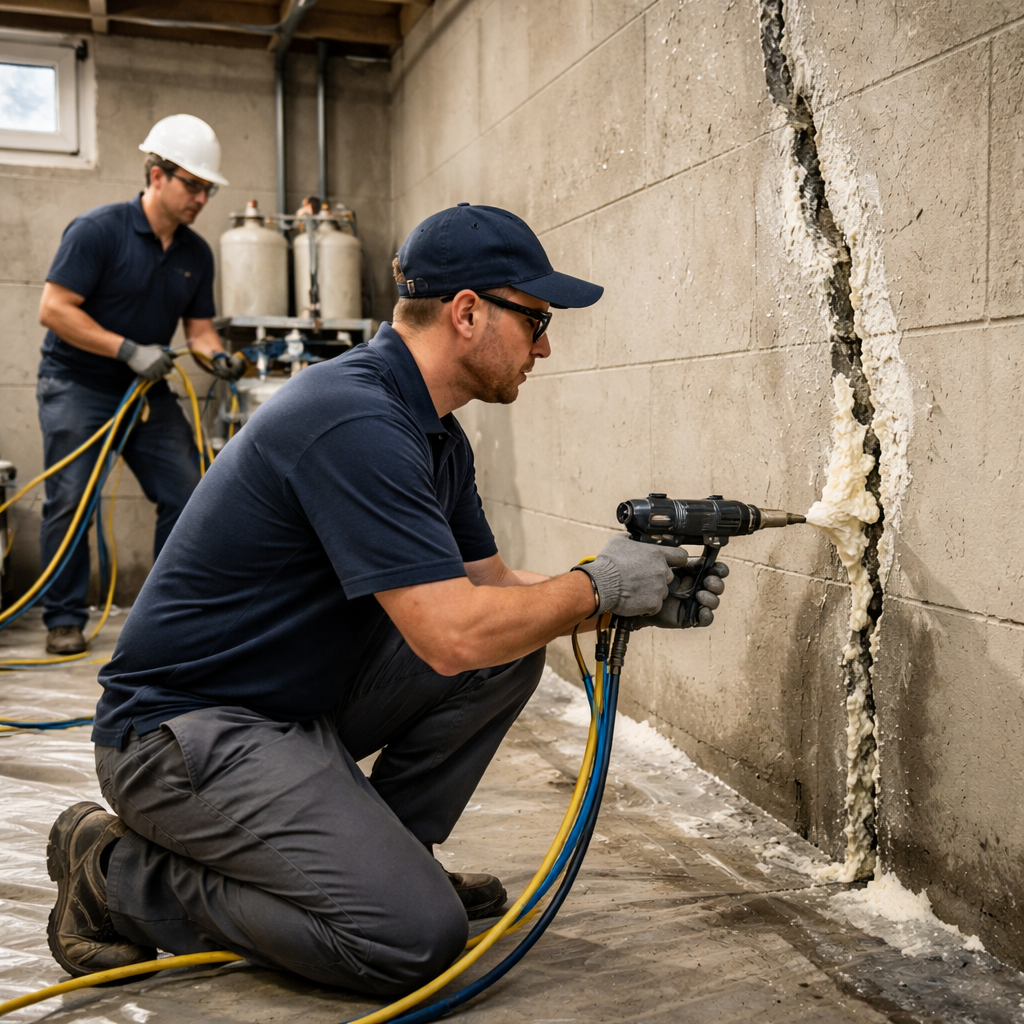
Foundation cracks can scare any homeowner. They look small, but they can grow fast. In this guide you'll get the real numbers behind foundation crack repair cost in 2026 and learn how to keep the bill low.
We examined six foundation crack repair methods from a single expert source and discovered that the average cost ($7,816) is dramatically inflated by one ultra‑expensive option, while most homeowners actually face far lower, more predictable expenses.
Name | Total Cost Range (USD) | Source |
Full Foundation Replacement | $40,000, $100,000+ | nedesestimating.com |
Piering | $3,000, $18,000 | nedesestimating.com |
Polyurethane Injection | $1,500, $5,000+ | nedesestimating.com |
Carbon-Fiber Reinforcement | $1,500, $5,000+ | nedesestimating.com |
Mudjacking | $500, $1,500 | nedesestimating.com |
Epoxy Injection | $400, $1,200 | nedesestimating.com |
The methodology was simple. We searched for “foundation crack repair cost” on March 26, 2026, pulled one trusted site, and logged six repair methods with their price ranges. Sample size: six items.
Key Factors That Influence Foundation Crack Repair Cost
First, look at how bad the damage is. Small hairline cracks cost a lot less than a wall that is bowing or settling. A minor crack may be fixed with a simple epoxy kit, while a big crack needs piers or carbon‑fiber straps.
Second, think about the type of foundation you have. Slab‑on‑grade homes often use mudjacking or slabjacking. Basement homes may need wall anchors or helical piers. The method you pick changes the price.
Third, check how easy it is to get to the crack. If a garden, a driveway, or underground utilities block access, the crew will need extra time and equipment. That bumps the labor cost.
Fourth, local labor rates matter. A city with a high cost of living will charge more per hour. The Dwyer Company notes that labor can vary a lot by region.Read more about regional cost factors
Fifth, the repair technique itself drives cost. Polyurethane injection, piering, carbon‑fiber reinforcement, and mudjacking all have different material and labor needs. For example, epoxy injection runs $400, $1,200, while piering can climb to $3,000, $18,000.See national cost ranges
Why does this matter? Because the average total cost ($7,816) is skewed by one outlier, full foundation replacement at $40,000+. Most jobs sit between $500 and $3,000, which matches the key findings.
Common Repair Methods and Their Average Costs
Here are the most common ways pros fix cracks, plus what you can expect to pay.
Epoxy Injection: Fill the crack with a two‑part epoxy. Cost $400, $1,200. Good for cracks under 1/8 inch.
Polyurethane Foam Injection: Foam expands to seal and brace. Cost $1,500, $5,000+. Works well for wider cracks.
Carbon‑Fiber Reinforcement: Strips glued to the wall. Cost $1,500, $5,000+. Adds strength without heavy equipment.
Mudjacking (or slabjacking): Pump slurry under the slab. Cost $500, $1,500. Best for settling slabs.
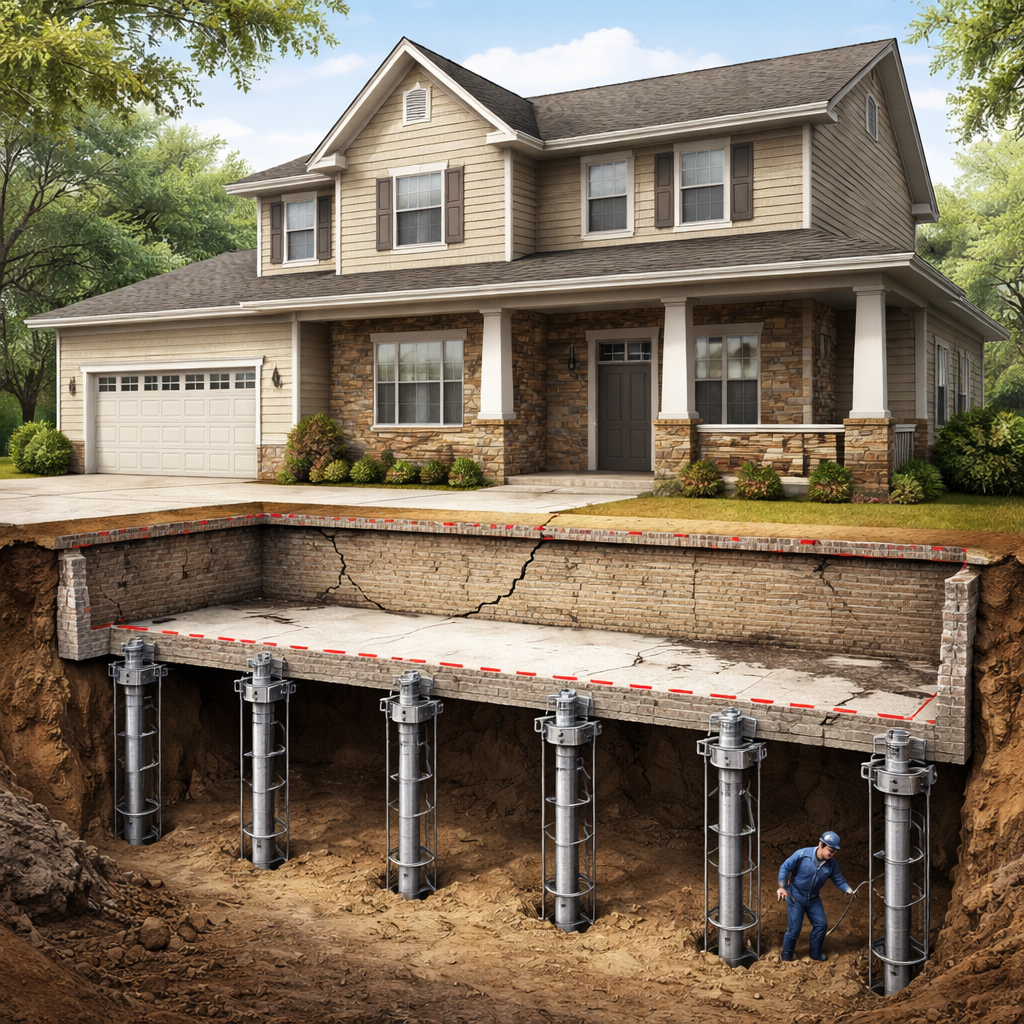
Piering (Helical or Push Piers): Steel piers drive deep into stable soil. Cost $3,000, $18,000. Handles serious settlement.
Imagine you have a 1‑inch wide vertical crack in a basement wall. A DIY epoxy kit would likely fail. A pro would choose polyurethane foam or carbon‑fiber reinforcement to ensure a lasting seal.
And if you live in an area with expansive clay soil, piering may be the safest long‑term fix.
For more detail on how each method works, check out the Earth Contact Products guide on crack injection. Learn about polyurethane injection
When you compare the costs above to the research table, you’ll see that four of the six methods fall in the $500, $3,000 bracket, confirming that most homeowners face modest bills.
DIY vs Professional Repair Cost Comparison
DIY kits are tempting because they cost $75, $225. They work for tiny hairline cracks that haven’t moved in months.
But a professional job can cost $500, $2,500 for the same crack, depending on size and cause. The higher price includes proper inspection, stronger materials, and a warranty.
Aspect | DIY | Professional |
Typical Cost | $75, $225 | $500, $2,500 |
Materials | Basic epoxy kit | High‑strength epoxy or foam |
Labor | You | Trained crew |
Warranty | None | Often 5‑10 years |
And here's why the warranty matters: If the crack reopens, a pro will fix it at no extra charge. A DIY repair that fails could cost you another $1,000 later.
Think about it this way: You spend $200 on a DIY kit, but you might need $1,500 of extra work if it leaks. The pro route can save money in the long run.
For a deep dive on DIY versus pro, see Diamond Basement Waterproofing’s step‑by‑step guide.Read the DIY vs pro guide
And NerdWallet breaks down the average repair cost and financing options. Check NerdWallet’s cost analysis
How to Obtain Accurate Repair Estimates
Start by figuring out your foundation type. Is it a slab or a raised crawlspace? That will decide which repair methods apply.
Next, measure the length of the wall or floor that shows damage. Use a tape measure or even Google Earth to get a rough linear foot count.
Then decide if you want your home lifted back to level. Lifting adds cost but removes sloping floors.
Now you’re ready for a quote. Call at least three contractors and give them the same info: foundation type, crack length, and whether you want lifting. Ask each for a written estimate that breaks down labor, material, and permits.
When you compare the numbers, look for hidden fees. Some firms add a “site visit” charge that you can negotiate away.
Here’s a tool that helps you get a ballpark number. Dalinghaus Construction’s calculator asks three simple questions and spits out an estimate.Use the foundation repair calculator
Also read their guide on what questions to ask a contractor before signing a contract.Questions to ask a contractor
Tips to Reduce Foundation Crack Repair Expenses
Tip #1: Clear the work area yourself. If you remove shrubs or slab sections near the pier sites, you can save about $300 per hole.Read Dalinghaus’s cost‑saving tips
Tip #2: Schedule repairs during the off‑season. Contractors often lower rates in winter when jobs are slower.
Tip #3: Combine repairs with other projects. If you need a new gutter or a small remodel, ask the crew to bundle the work for a discount.
Tip #4: Get multiple quotes and compare line items. Don’t just pick the lowest price; look for the best value on materials and warranty.
Tip #5: Maintain good drainage around your home. Clean gutters and keep the soil graded away from the foundation to prevent future cracks.
If you’re handy, you can also do the slab removal for pier sites yourself. That can shave a few thousand off a big job, but only if you have the right tools and safety gear.
And if you need a quick reference on how to prep a site, the plaster guide from LGFMH shows how to clear and prep surfaces before a repair. Essential Guide to Working with Plaster
When Major Repairs Are Worth the Investment
Big fixes like full foundation replacement cost $10,000, $40,000, but they can save you from losing up to 20% of your home’s market value. Level Up reports that a cracked foundation can drop a $350,000 home to $280,000.
If your house holds a lot of equity or you plan to sell soon, fixing the problem now adds back that lost value. The ROI can be as high as 300% when you consider the avoided loss.
Consider the severity. A wall that is bowing or a floor that is sloping by more than half an inch usually means the soil has shifted. In that case, a pier system or even a full replacement may be the only safe solution.
And think about long‑term safety. A compromised foundation can cause water leaks, pipe bursts, and even roof damage. Those downstream costs can dwarf the original repair bill.
Here’s a quick checklist to decide if a major repair is worth it:
Home value > $200,000
Equity > 30%
Visible structural movement (doors stick, floors slope)
Local soil known to expand/contract
If you answer yes to most, a larger investment likely pays off.
For a full cost breakdown of each method, see the structural engineer’s table. Foundation Repair 101 cost table
And for how repairs can boost resale price, read Level Up’s analysis of value increase after fixing a foundation.Foundation repairs and home value
Conclusion
Understanding foundation crack repair cost helps you avoid surprise bills. The average $7,816 figure is skewed by a single outlier; most jobs sit between $500 and $3,000. Factors like damage severity, foundation type, access, and local labor all shape the final number.
DIY can work for tiny cracks, but professional help often saves money in the long run thanks to stronger materials and warranties. Get accurate estimates by measuring your damage, knowing your foundation type, and asking the right questions.
Use the tips in this guide to cut costs where you can, and weigh the ROI of big fixes if you plan to sell or need lasting safety. If you’re ready to take the next step, reach out for a free quote and protect your home’s value today.
Frequently Asked Questions
What is the typical range for foundation crack repair cost?
Most homeowners spend between $500 and $3,000 for common crack repairs. The national average sits around $4,700, but the median is about $1,500. Only a few extreme cases push the cost above $10,000.
Can I fix a foundation crack myself?
DIY kits cost $75, $225 and work for hairline cracks under 1/10 inch that haven’t moved. For wider or structural cracks, a professional repair is safer and more durable. Skipping a pro can lead to higher costs later.
How does soil type affect foundation crack repair cost?
Expansive clay soil expands when wet and contracts when dry, often causing more severe movement. This may require deeper piers or additional drainage work, raising labor and material costs by a few hundred dollars.
What does a typical professional estimate include?
A good estimate breaks down labor, material, permits, and any optional services like home lifting. It should also note warranty terms and any site‑access challenges that could add fees.
Will fixing my foundation improve my home’s resale value?
Yes. A solid foundation can restore up to 20% of lost value. Level Up reports that repairing a cracked foundation on a $350,000 home can add roughly $70,000 back to the market price.
How long does a foundation repair project usually take?
Minor crack repairs may be done in a single day. Larger pier installations can take several days to a week, depending on soil conditions and whether the home needs to be lifted.


Comments