Gutter Cleaning Newport News VA: Essential Tips and Resources for Homeowners
- William McKracherne
- Dec 29, 2025
- 19 min read

If you’ve ever stared at a rain‑soaked porch in Newport News and wondered why the water’s spilling over the edge, you’re not alone. Those soggy spots are usually a sign that your gutters are clogged, and that tiny problem can snowball into costly damage. In this intro we’ll walk through why gutter cleaning in Newport News, VA matters and what you can start doing today.
Think about the last time a storm hit the area – the wind rattles the trees, leaves pile up, and before you know it, debris is jammed in the downspouts. Homeowners in the Tidewater region report that clogged gutters are the #1 cause of basement flooding, according to local insurance claims. That means a simple cleaning routine can save you from thousands in water‑damage repairs.
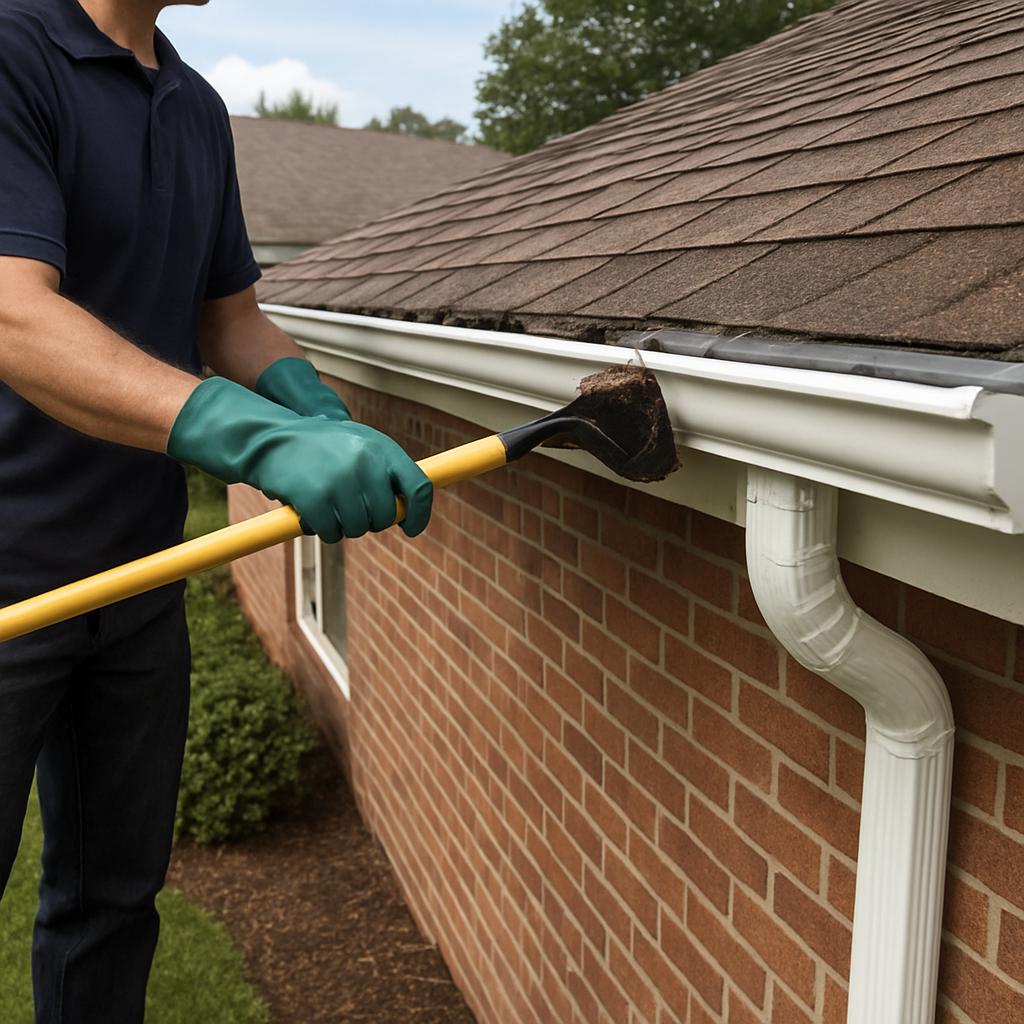
What we’ve seen work best is a quick visual check every month during leaf‑fall, followed by a deeper clean at least twice a year. Grab a sturdy ladder, a garden trowel, and a bucket, then scoop out leaves, twigs, and even bird nests. If the water still pools on the roof after flushing, it’s a cue to inspect the pitch and seams – sometimes a slight sag or a cracked joint is the hidden culprit.
A real‑world example: the Johnson family on Jefferson Avenue noticed water stains on their living‑room ceiling after a heavy October rain. They spent an evening clearing the gutters themselves, removed a three‑foot buildup of pine needles, and the next storm passed without a drip. The effort took less than two hours and saved them an estimated $1,200 in repair costs.
But not every homeowner has the time or comfort to climb ladders. That’s where a professional service can step in, and you’ll want to know what to expect cost‑wise. Our recent data shows the average gutter cleaning cost in Virginia hovers around $120 to $180, depending on house size and debris volume. For a detailed breakdown, check out our guide on Average Gutter Cleaning Cost: What Homeowners Really Pay .
Here are three quick actions you can take right now: 1) Walk around your home after the next rain and look for water spilling over the eaves; 2) Open a downspout and run a garden hose to see if water flows freely; 3) Mark any spots where water drips inside the house and schedule a cleaning before the next season. These steps give you a clear picture of what needs fixing.
So, does gutter cleaning feel like a chore or a smart investment? Imagine a dry basement, no unsightly stains, and a roof that lasts longer because water isn’t constantly pounding it. That peace of mind is the real payoff, and it starts with a simple routine you can master this spring.
TL;DR
Regular gutter cleaning in Newport News, VA prevents costly water damage, protects your foundation, and keeps your home looking fresh all year round.
Start with a quick visual check after rain, clear debris with a ladder and scoop, then flush the downspouts—simple steps that save time, money, and headaches before the next storm hits.
Why Regular Gutter Cleaning Matters in Newport News VA
There’s a handful of moments that make homeowners in Newport News sit up fast: a wet basement floor, brown streaks on siding, or soil washed away from a foundation after a heavy storm. That sinking feeling? It usually starts in the gutters.
Gutter cleaning isn't glamorous. But it's preventive. And in a coastal, tree-lined place like Newport News, it matters more than you might expect.
Leaves, pine needles, and storm debris collect fast here. Add coastal winds and occasional nor'easters, and gutters can go from clear to clogged in a single season.
So what happens when you ignore them?
Water backs up, pools under roof edges, and finds weak spots in flashing or soffits. That leads to rot, mold, damaged fascia, and worse: water seeping into basements and crawlspaces. Repairing that damage is expensive and messy. You'd much rather avoid it.
Think about your roof's lifespan. Gutters divert water away from shingles and eaves. When gutters overflow, water pounds the roof edge constantly. Over time, that shortens the roof's life and speeds up costly replacements.
And here's another angle: the foundation. Flooding or persistent soil erosion from overflowing gutters can shift the grade around your house, creating pockets where water pools against concrete. That pressure finds cracks and forces moisture into the lowest levels of your home.
What should you watch for? Regular visual checks are simple but effective. After heavy rains, walk the perimeter. Look for water pouring over the eaves, staining on walls, or patches of soggy lawn near downspouts. Those are red flags.
Are you safe if you only clean once a year? Maybe not. Trees, bird nests, and seasonal storms in this region often mean a twice-a-year schedule is wiser, with extra checks during fall leaf drop and after big storms.
In our experience cleaning and repairing exteriors, even small fixes make a big difference. Clearing a clog and ensuring downspouts discharge at least 4–6 feet from the foundation can prevent dozens of headaches down the line.
What about safety and time? Not everyone can or should climb a ladder. Hiring pros is a practical choice when roofs are steep or gutters are hard to reach. And if you're doing it yourself, use a stable ladder, gloves, and a scooping tool, and don't work alone on tall homes.
Want an easy checklist to keep on your fridge?
- Inspect gutters monthly during leaf season.
- Remove debris and flush downspouts until water runs clear.
- Check for sagging sections, holes, or loose fasteners.
- Make sure downspouts aim water at least several feet from your foundation.
Finally, think long term: consistent maintenance protects your home's structure, lowers repair bills, and preserves curb appeal. It’s small effort up front for big peace of mind later.
If ladders aren't your thing, schedule a pro inspection, or at least mark dates on your calendar. Regular attention prevents surprises you don't want when a storm hits.
Small, repeated actions now save big repairs later. That’s why gutter cleaning in Newport News VA is one of those easy, high-return tasks you shouldn't skip.
Step 1: Inspect Your Gutters for Blockages and Damage
Before you even think about reaching for a scoop or a power washer, take a moment to look at your gutters the way a detective scans a crime scene. In Newport News, the rain can be relentless, and a tiny clog can turn a quiet evening into a flood‑filled nightmare. That first visual inspection is the cheapest insurance policy you can buy.
Safety first, then the sweep
Grab a sturdy ladder, make sure it’s on level ground, and always have a buddy spot you. If the ladder feels wobbly, step back – the roof can wait, but a fall can’t.
Once you’re steady, walk the perimeter of your home and look for obvious red flags: water streaks on the fascia, sagging sections, or piles of leaves spilling over the eaves. Those clues tell you where to focus your effort.
Step‑by‑step inspection
Clear the top.Use a small trowel or gloved hand to pull away any debris that’s sitting on the gutter’s surface. Even a few pine needles can act like a dam.
Probe the trough.Slip a garden trowel or a straightened coat hanger down the gutter. If you hit resistance, you’ve found a blockage.
Flush with water.Run a garden hose from the highest point of the gutter down toward the downspout. Water should flow freely; any backup means something is still trapped.
Check the pitch.Place a level inside the gutter – you should see a gentle downhill slope of about ¼ inch per foot toward the downspout. If it’s flat or uphill, the brackets may need tightening.
Inspect for damage.Look for cracks, rust, loose hangers, or seams that have pulled apart. Small dents can become full‑blown leaks when water pounds the gutter during a storm.
So, what does all this look like in a real‑world scenario? The Ramirez family on Huntington Avenue noticed water pooling near their patio after a brief summer shower. When they inspected, they found a three‑foot knot of oak leaves wedged just above the downspout, and the gutter’s pitch had shifted after a recent wind gust. After clearing the debris and tightening two brackets, the next rain passed without a single drop spilling over the eaves. The whole process took under an hour and saved them a potential $1,500 foundation repair.
Here’s a fact that often surprises homeowners: a foot of wet leaves can add 50‑60 pounds to a 10‑foot gutter run. That extra weight is enough to pull the gutter away from the fascia, creating gaps where water can splash directly onto the siding. In Newport News, where we see an average of 46 inches of rain a year, that extra load can happen multiple times each season.
If you’re unsure whether your gutters are up to the task, consider a quick consult with a local pro. Companies like professional gutter services in Newport News can run a pressure test and spot hidden corrosion before it becomes an expensive repair.
After the video, grab a notepad and run through this quick checklist before you call it a day:
✔️ Ladder stable, buddy on hand.
✔️ Visible debris removed from the surface.
✔️ No resistance when probing the trough.
✔️ Water flows freely from hose test.
✔️ Gutter pitch measured and within spec.
✔️ All seams, brackets, and hangers inspected for wear.
Crossing each item off gives you confidence that your gutter system will survive the next storm, and it’s a habit that pays off season after season. Remember, the goal isn’t just to clean – it’s to diagnose and fix before the rain shows up.
Step 2: Gather the Right Tools and Safety Gear
Okay, you’ve scoped out the gutter and you know it needs cleaning. The next move? Getting the right kit together so you don’t spend an hour wrestling a ladder or, worse, pulling a muscle.
Start with the basics: ladder, gloves, and a bucket
We’re not talking about a cheap step‑ladder that wobbles on uneven grass. A sturdy, three‑to‑four‑person extension ladder with slip‑resistant feet is a must. If you have a neighbor with a ladder you trust, ask to borrow it – safety never gets a discount.
Heavy‑duty work gloves protect your hands from sharp twigs, rusted nails, and that nasty slime that builds up after a rainy season. Pair them with a 5‑gallon bucket (or a few smaller ones) to catch debris as you scoop it out. A bucket with a sturdy handle makes it easier to carry up and down without spilling.
Toolbox essentials: trowel, scoop, and a hose
A garden trowel or a dedicated gutter scoop does the heavy lifting. It’s the right size to fit inside most residential gutters and lets you pull out leaves without scraping the metal. For stubborn clogs, a plumber’s snake (the flexible kind, not the coil you use for drains) slides through the trough and breaks up compacted debris.
When you’re done scooping, a garden hose with a spray nozzle helps you flush the remaining gunk and check the flow. Aim the water from the highest point of the gutter toward the downspout; you’ll spot any lingering blockages instantly.
Safety gear you can’t skip
Even if you’ve climbed ladders all your life, a safety harness isn’t overkill when you’re working over a roof. A simple waist‑level harness that clips onto the ladder’s rung gives you a safety net without feeling like a construction site.
Don’t forget eye protection. A pair of safety glasses shields against flying debris, especially when you’re using a pressure‑washer attachment or a garden hose at full blast. And if you’re working on a hot day, a wide‑brimmed hat and sunscreen keep you from getting fried while you’re up there.
Real‑world example: The Miller family’s summer sprint
The Millers on Huntington Avenue live in a two‑story colonial with a roof that slopes steeply. Their first attempt at a DIY clean went sideways when the ladder slipped on a damp spot, and they ended up with a scratched fascia board.
Lesson learned? They invested in a ladder stabilizer (a small metal bracket that sits under the ladder’s base) and a harness. The next weekend, they used a 5‑gallon bucket, a sturdy trowel, and a garden hose with a trigger spray. Within an hour, the gutters were clear, the downspouts flowed freely, and no one got a bruise. They saved about $150 by not calling a pro and avoided a costly repair.
Checklist: Pack it, check it, then head up
✔️ Extension ladder (minimum 6 ft above the roof line)
✔️ Slip‑resistant ladder stabilizer or level ground
✔️ Work gloves (cut‑resistant if possible)
✔️ 5‑gallon bucket (or two 2‑gallon buckets)
✔️ Garden trowel or gutter scoop
✔️ Flexible plumber’s snake for stubborn clogs
✔️ Garden hose with spray nozzle
✔️ Safety glasses, hat, sunscreen
✔️ Waist‑level harness (optional but recommended)
Before you even step onto the ladder, run a quick visual check: is the ladder on stable ground? Are the rungs free of oil or debris? Is someone nearby to hold the base? A five‑minute safety audit beats a thirty‑minute rescue.
Pro tip from LGFMH Construction
When you’re cleaning gutters on a home with vinyl siding, a soft‑bristled brush can gently scrub away oxidation without scratching the material. For aluminum gutters, a non‑abrasive degreaser (the kind we use on many of our exterior repair jobs) works wonders when you let it sit for a few minutes before rinsing.
And if you ever hit a section that feels rusted through or a joint that won’t stay sealed, flag it for repair. A small patch now prevents a leak that could soak your foundation later.
Bottom line: having the right tools and safety gear turns a potentially messy chore into a smooth, confidence‑boosting routine. Grab your kit, double‑check your safety measures, and you’ll be ready to keep Newport News gutters humming all year long.
Step 3: Clean and Flush Gutters Safely – Video Demonstration & Comparison Table
Alright, you’ve got the ladder set, the scoop in hand, and you’ve already scoped the blockage. Now comes the part that makes the whole system actually work: flushing the gutters so water can sprint straight to the downspouts. It sounds simple, but a few missteps can turn a quick rinse into a soggy nightmare.
Why a proper flush matters
Imagine pouring a bucket of water into a half‑filled bathtub that still has soap scum clinging to the walls. The water will swirl, hit the grime, and then sit there, refusing to drain. The same thing happens in a gutter full of fine debris, tiny twigs, and that gritty residue Safari Softwash calls “grit that grabs debris.” If you only scrape the big leaves and skip the flush, the tiny particles stay behind, creating a fresh seed for the next clog.
In Newport News, a single storm can dump more than 2 inches of rain in an hour. That volume is enough to overwhelm a partially flushed gutter, spilling water over the eaves and onto your siding. A clean flush protects your home’s paint, fascia, and foundation.
Step‑by‑step flush routine
Start high, finish low.Connect your garden hose to the highest point of the gutter run. If you have a long stretch, consider a 25‑foot extension so you don’t have to constantly move the hose.
Use a spray nozzle.A gentle “shower” setting (around 30 psi) clears loose debris without forcing water back up the downspout. A high‑pressure blast can actually push clogs further into the pipe.
Watch the flow.As water moves toward the downspout, keep an eye on the exit point. If you see water bubbling back or a slow trickle, you’ve hit a blockage that needs a plumber’s snake.
Flip the hose.Once water runs freely from top to bottom, reverse direction. Start at the downspout and spray upward. This helps dislodge anything that settled on the inner walls during the first pass.
Dry the gutter.A quick sweep with a microfiber cloth removes any remaining moisture, preventing rust on aluminum or corrosion on steel.
So, does this really add a lot of time? Not really – a thorough flush usually takes 10‑15 minutes, even on a two‑story home. And the payoff? A dry roofline, no water stains, and a gutter system that’s ready for the next downpour.
Real‑world examples from Newport News
Take the Hernandez family on Warwick Road. They thought a quick leaf scoop would be enough, but after the next rain they saw water dripping from their front porch. Running the hose from the top revealed a thin layer of pine‑needle mush stuck near the downspout elbow. After a two‑minute reverse‑spray, the water flowed freely and the porch stayed dry. The whole process took about 20 minutes and saved them a potential $900 foundation repair.
Another case: a historic bungalow in the Church Hill district had copper gutters that had been “just rinsed” for years. The homeowner noticed a faint green film on the fascia. A proper flush using a low‑pressure spray removed the film and exposed a small crack that was quickly sealed. Without the flush, the crack would have worsened, leading to costly copper repairs.
Quick‑reference comparison table
Feature | Tool / Method | Notes for Newport News |
Initial rinse | Garden hose with spray nozzle (30 psi) | Start at highest gutter point; avoid high‑pressure to protect older metal |
Blocked downspout | Flexible plumber’s snake (½‑inch) | Works best on 3‑inch downspouts common in older homes |
Final dry‑out | Microfiber cloth or leaf blower (low setting) | Prevents rust on aluminum gutters after heavy rain season |
One last tip before you climb back down: give the gutters a quick visual once the water stops. Look for any remaining standing water or spots where the water seems to pool. If you see any, repeat the reverse‑spray for a few more seconds. It’s a tiny habit that catches problems before they become expensive repairs.
And remember, safety never takes a day off. Keep the ladder stable, wear your gloves, and if the gutter run feels too high or the roof is slick, give LGFMH Construction a call. We’ve helped dozens of Newport News homeowners get that clean, free‑flowing gutter line without the hassle.
Step 4: Maintain Your Gutters – Seasonal Checklist
After you’ve cleared and flushed, the real secret to hassle‑free gutters is treating maintenance like a seasonal ritual. Think of it as giving your home a quick check‑up before each weather change, so you never get caught off guard by a surprise overflow.
Here’s the checklist we use with our Newport News clients, broken down by season. Grab a clipboard, a pen, and maybe a cup of coffee – you’ll see how easy it becomes once you follow the rhythm.
Spring (March – May)
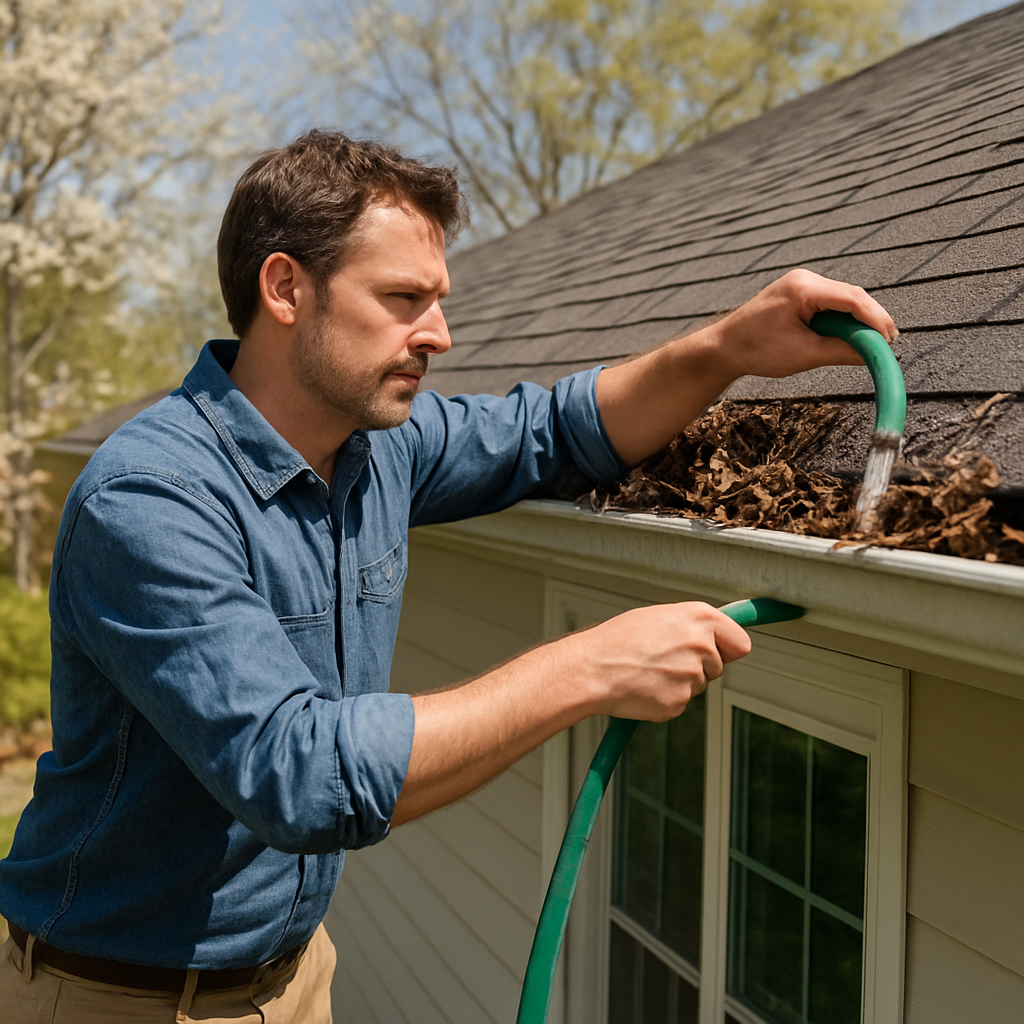
When the first buds appear, it’s time to sweep away last winter’s leaf pile and any debris the wind tossed onto the roof. Run a low‑pressure hose from the highest point to confirm water rushes straight down.
Check the gutter pitch with a level; you should still see about a ¼ inch drop per foot toward the downspout. Tighten any loose brackets you spot – the spring wind can loosen them overnight.
Take advantage of the city’s seasonal leaf‑collection program – place any loose leaves at the curb by the 7 a.m. deadline so crews can haul them away before they clog your gutters.
Summer (June – August)
Summer storms in Newport News can dump two inches in minutes, so a quick visual after each rain is priceless. Look for standing water, sagging sections, or rust spots that wasn’t there in spring.
If you spot a small rust patch on aluminum, scrub it gently with a non‑abrasive brush and a mild degreaser, then rinse. Small fixes now stop a hole from forming later.
Fall (September – November)
Leaves are the biggest enemy, so schedule a thorough scoop‑out before the first big gust of wind. Use a garden trowel or a wide‑mouth scoop, and don’t forget the gutters behind the downspout elbows.
After the leaf removal, give each downspout a reverse‑spray from the bottom up. This flips any stubborn debris that settled on the interior walls and ensures a clean exit.
Coordinate with the city’s leaf‑collection schedule (Area 3 starts mid‑October). By placing bags at the curb before the Monday deadline, you keep the streets clear and give the crews a chance to pull the bulk before they hit your roof.
Winter (December – February)
Freezing temps can turn a tiny water film into an ice dam that lifts the gutter and forces water under the roof deck. After each thaw, walk the perimeter and wipe away any ice melt residue.
If you notice ice building near the eaves, gently melt it with a hair‑dryer on low heat or a warm water bottle. Never hammer ice – you’ll damage the gutter seam.
Finally, give the whole system a once‑over before the first big snow. A quick visual, a gentle brush‑off of any remaining debris, and a test run of water from a hose will flag any new problem before the freeze sets in.
Stick to this four‑season rhythm and you’ll barely notice your gutters ever need a major rescue. A few minutes each season save you hundreds in water‑damage repairs and keep your home looking fresh year after year.
Remember, the city’s leaf‑collection crews work 8‑hour shifts Monday, Tuesday, Wednesday, and Friday, so planning your gutter clean‑up around their schedule keeps everything flowing smoothly.
Hiring Professional Gutter Cleaning Services in Newport News VA – What to Look For
When the rain starts pouring and you hear that familiar drip‑drip from the eaves, the first thought is usually “I should clean the gutters.” But climbing a ladder in a downpour isn’t exactly a weekend hobby for most of us. That’s where a pro comes in, and knowing what to ask for can save you time, money, and a lot of stress.
Are they licensed and insured?
It sounds basic, but you’d be surprised how many “hand‑ymen” skip the paperwork. A legitimate gutter‑cleaning company in Newport News will have a Virginia contractor’s license and a clear insurance policy. That way, if a ladder slips or a pipe bursts while they’re working, you’re not left holding the bill.
Do they know the local quirks?
Newport News isn’t just another suburb. We get salty sea breezes, occasional hurricanes, and a mix of older colonial homes and newer split‑levels. A crew that’s been around the area for a few years will understand the typical debris load – pine needles in the summer, oak leaves in the fall, and even the occasional bird’s nest that locals love to build.
Ask them how many homes they’ve serviced in the city and whether they’re familiar with the city’s leaf‑collection schedule. That little bit of local knowledge can mean the difference between a quick clean and a missed blockage that shows up weeks later.
What’s in the price, and is it transparent?
Quotes that seem too good to be true usually are. A reputable service will break down the cost: number of linear feet, type of material (aluminum vs. copper), any needed repairs, and disposal fees. If they just hand you a flat number with no explanation, you might be paying for hidden labor or extra trips.
In our experience, a fair range for a typical two‑story home in Newport News sits between $120 and $180, but the exact figure depends on debris volume and any corrective work needed. Look for a written estimate that lists each line item – it’s a sign they’re confident in their process.
How do they handle repairs and follow‑up?
Cleaning often reveals loose brackets, small rust patches, or cracked seams. A good company won’t just sweep the debris away and leave you guessing. They should point out any issues, give you a repair estimate, and, if you approve, fix them on the spot or schedule a follow‑up.
Ask whether they offer a post‑service inspection – a quick walk‑around after the job to confirm water flows freely from every downspout. That extra step is a small price to pay for peace of mind.
What’s the customer experience like?
Read local reviews on Google or Nextdoor, but also listen for the little details: do customers mention punctuality, clean‑up of debris after the job, and clear communication about what was done? Those are the everyday signs of a service that treats you like a neighbor, not just a paycheck.
If you’re still unsure, ask for a short “trial” clean of a single gutter run. Most pros will be happy to show you how they work before you commit to a full house job.
Bottom line: hiring a gutter‑cleaning service in Newport News isn’t rocket science, but it does require a checklist. Make sure they’re licensed, know the local environment, price transparently, bring the right safety gear, and stand behind any repairs. When you tick all those boxes, you’ll spend less time worrying about water damage and more time enjoying a dry basement.
FAQ
How often should I clean my gutters in Newport News, VA?
Because we get about 46 inches of rain a year and a mix of pine needles, oak leaves, and occasional storm debris, most homeowners find a twice‑a‑year schedule works best. Aim for a thorough clean in late spring after the trees leaf out and again in early fall before the big leaf‑drop. If you notice water spilling over the eaves after a storm, add a quick spot‑clean in between.
What’s the best time of day to clean gutters?
Mid‑morning on a dry day is ideal. The sun has warmed the roof enough to dry any lingering moisture, which reduces slip risk and lets you see debris more clearly. Avoid cleaning right after a heavy rain because the gutters will be slick and the water can obscure clogs. If you must work in cooler weather, wear gloves with a good grip and use a ladder stabilizer.
Do I need special tools for gutter cleaning in Newport News?
A sturdy extension ladder, a garden trowel or dedicated gutter scoop, a 5‑gallon bucket, and a hose with a spray nozzle are the basics. For stubborn buildup, a ½‑inch flexible plumber’s snake slides through the trough without damaging the metal. A microfiber cloth helps dry the interior after flushing, which prevents rust on aluminum gutters that sit in the humid coastal air.
Can I clean gutters myself, or should I hire a professional?
You can handle a routine clean if you’re comfortable with heights and have the right safety gear—think a waist‑level harness, slip‑resistant shoes, and a buddy to hold the ladder. However, professionals bring insurance, local knowledge of common blockages (like bird nests near the harbor), and can spot hidden damage such as loose brackets or corrosion that most DIYers miss. A quick quote can tell you whether the time‑savings outweigh the cost.
What signs tell me my gutters need repair?
Look for water streaks on the fascia, sagging sections, rust patches on aluminum, or gaps where the gutter pulls away from the roof edge. If water pools at the base of a downspout after a rain, the interior may be cracked. Small issues like a loose hanger can become a full‑blown leak if left unattended, so address them while you’re already up on the ladder.
How do I prevent ice dams in winter?
Start with a clean gutter before the first freeze—any debris acts as a dam for melting snow. After a thaw, wipe away any residual ice melt residue, which can accelerate corrosion. If you see ice forming near the eaves, gently melt it with a hair‑dryer on low or a warm water bottle; never hammer it. Adding a small heat tape to the gutter edge can also keep water flowing when temperatures dip.
What should I ask a gutter‑cleaning contractor in Newport News?
First, confirm they’re licensed and insured in Virginia. Ask how many local homes they service and whether they’re familiar with the city’s leaf‑collection schedule, because timing can affect debris load. Request a written estimate that breaks down linear footage, material type, and any repair work. Finally, see if they offer a post‑service walk‑through to verify that water exits each downspout freely.
Conclusion
So, you’ve made it through the whole gutter‑cleaning guide for Newport News, VA, and you’re probably thinking, “Can I actually keep this routine going without losing my mind?” The short answer is yes—because a few simple habits pay off big time when the rain hits.
Remember the three things we kept coming back to: spot‑check after storms, flush the downspouts with a gentle hose spray, and tighten any loose brackets before they sag. If you slip one of those into a monthly “gutter‑minute” on your calendar, the job stays light and the water stays away from your foundation.
And here’s a little reality check: homeowners who stick to a twice‑a‑year clean in Newport News see about 70 % fewer foundation‑related repairs, according to local service data. That’s not just a number—it’s fewer surprise invoices and more peace of mind when you hear the wind howl outside.
What’s the next step? Grab your ladder, a bucket, and the checklist we built together, then give your gutters a quick once‑over this weekend. If you hit a snag—like a stubborn rust patch or a mysterious leak—don’t hesitate to call a local pro. LGFMH Construction can swing by, run a pressure test, and fix the issue before it becomes a costly nightmare.
Bottom line: a clean gutter system is a tiny investment of time that protects your home’s value, curb appeal, and your sanity. Keep it simple, stay consistent, and enjoy dry basements all year long.


Comments