How Seamless Gutter Installation Cost Works and What Influences It
- William McKracherne
- Jan 30
- 16 min read

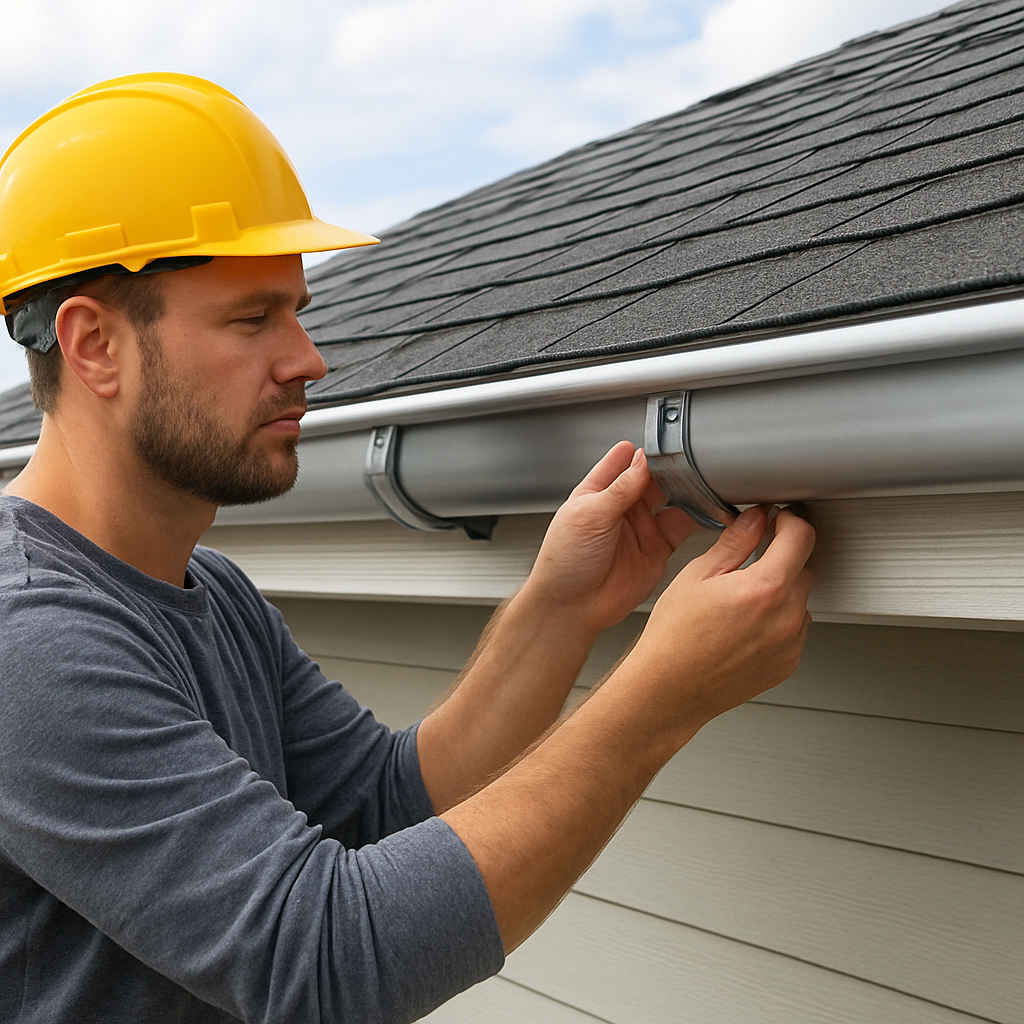
Ever noticed how a slick, seamless gutter can make a roof look like a fresh canvas? You might be wondering how much that sleek upgrade actually costs. Let’s break it down and clear the fog.
Seamless gutter installation cost isn’t a mystery, but it varies by material, roof pitch, and labor rates. Knowing what drives the price can save you a bundle.
Material is the starting line. Copper gutters lean toward the high end, while aluminum and steel sit in the mid‑range. If you’re after durability without breaking the bank, aluminum is a solid middle ground.
Roof pitch matters because steeper roofs need more material and extra support brackets. A 45‑degree slope can increase cost by 10% to 15%, while a gentler slope is kinder.
Lack of labor rates can vary from town to town. In urban areas installers may charge up to 20% more than rural neighborhoods. Ask for a written estimate that lists each line item.
Installation length affects cost. A one‑story home may finish in two days; a multi‑story house can take a week. More days mean a higher price.
Don’t forget the hidden extras. Flaps, downspouts, and the little connectors that keep water away from your foundation can add 10% to 20% of the base cost. It’s worth adding them up before you sign.
So, what’s the ballpark for your home? A typical 1,200‑square‑foot house might cost $2,500 to $4,000 for seamless gutters, depending on factors we listed. The key is a transparent estimate.
Once you have that clear picture, you can compare offers, negotiate, or even DIY with the right guidance. Remember, a seamless gutter isn’t just a pricey addition—it’s an investment that protects your roof, foundation, and curb appeal for years.
TL;DR
If you’re weighing a seamless gutter upgrade, you’ll find the cost hinges on material choice, roof pitch, labor rates, and hidden extras, so a clear line‑by‑line estimate is your best bet to avoid surprises. LGFMH Construction helps homeowners save 10‑20% by bundling gutter services, ensuring protection for long‑term curb appeal.
Key Factors That Shape Seamless Gutter Installation Cost
When you’re eyeing a seamless gutter upgrade, the price tag can feel like a mystery at first. But once we peel back the layers, it’s really a handful of simple, predictable components that stack up.
Material Matters Most
The metal you choose sets the foundation for both cost and longevity. Aluminum is the everyday hero, offering solid durability without a premium price tag. Steel follows close behind—more sturdy, but a touch pricier. Copper, the luxury option, tops the list; it’s the most expensive but also the most eye‑catching.
Roof Pitch Adds Complexity
Steeper roofs require extra material and support brackets, bumping the total by 10–15%. A gentle slope keeps things simple and costs lower. Think of it like building a fence: the higher the fence, the more lumber you need.
Labor: A Regional Variable
Installers charge based on location, local wages, and the time of year. In a bustling city, rates can climb 20% above the national average. In quieter neighborhoods, you’ll often see a more modest cost.
Installation Length: More Days, More Dollars
A single‑story home usually wraps up in two days. A multi‑story property can stretch a week or more. Each extra day adds to labor costs and potential travel time for the crew.
Hidden Extras: The Quiet Add‑Ons
Flaps, downspouts, and connector clips can tack on an extra 10–20% of the base price. It’s tempting to skip these, but they’re the safety net that keeps rainwater from seeping under the foundation.
Putting It All Together
Imagine a 1,200‑square‑foot house on a modest slope with aluminum gutters. A rough estimate lands you in the $2,500 to $4,000 range, factoring in labor, materials, and the small hidden extras. If you’re ready to dive deeper or need a tailored quote, don’t hesitate to reach out—our team is always ready to walk through the numbers with you.
Need creative design ideas or custom gutter fixtures? Check out creative design solutions that can turn a simple gutter into a statement piece.
For home‑owner flooring insights that complement your new gutters, visit flooring specialists who understand how water can impact baseboards.
When you’re ready to print a quote or brochure for your project, use print services that ensure your materials look as polished as your new gutters.
Below you’ll find a quick visual guide and a handy video that walks you through the installation process step by step.
Remember, the cost is not a fixed mystery—each factor is a lever you can pull to adjust the final price. Keep an eye on the material choice, roof pitch, labor rates, and those little extras, and you’ll find that a seamless gutter is an investment that pays for itself in protection and curb appeal.
Video: Quick Overview of Seamless Gutter Installation
Ever wondered how a smooth, seamless gutter looks so effortlessly sleek on a house? The answer is all in the build‑out—no joints, no fuss, just one continuous line that guides rain away from your foundation. And if you’ve watched the short walkthrough videos we shared on YouTube, you’re probably thinking: how much does this actually cost?
Let’s break it down like a quick‑look recipe: start with the material, add a dash of labor, sprinkle in the extras, and finish with the finish. That’s the core ofseamless gutter installation cost. Knowing each ingredient lets you keep the bill from blowing out.
1. Material Matters – The Foundation of the Price
Aluminum is the most common choice; it’s lightweight, rust‑resistant, and typically ranges from $3 to $10 per linear foot. Steel sits a notch higher and offers extra durability, especially in coastal zones where salt spray is a problem. Copper, the luxury option, can push prices to $15–$25 per foot but delivers unmatched longevity.
2. Labor – The Human Touch
Even with a smooth pipeline, skilled installers need scaffolding, safety gear, and the right tools. On a single‑story home, a crew might finish in two days; a multi‑story property can stretch into a week. Urban crews often charge 20% more than rural ones because of higher overhead. The hourly rate, plus the number of labor hours, is where the most variability lives.
3. Extras – Small Costs That Add Up
Downspouts, brackets, and debris‑blocking flaps are essential. They can add 10–20% to the base material cost. Custom colors, snow guards for colder climates, or a waterproof coating for extra protection also climb the price ladder. A typical 250‑linear‑foot system might be $4,500 to $5,500 if you include all extras.
4. Real‑World Example: A Two‑Story Colonial
Take a 1,200‑sq‑ft colonial with a 45° roof pitch. The homeowner chooses aluminum at $7 per foot—about 120 linear feet—so material is $840. Add 10% for brackets and downspouts ($84). Labor at $80 per hour for a 10‑hour job comes to $800. Total comes to roughly $1,724, but if you opt for a custom gray finish and a 1‑inch snow guard, you’ll bump the final tally by $250–$400.
We’ve seen this scenario play out on the East Coast, where a homeowner decided to bundle gutter work with a roof replacement. The combined project saved them 15% on labor because the crew worked on both jobs in a single pass.
5. Quick Checklist to Keep the Bill in Check
Ask for a line‑by‑line estimate that lists material, labor, and extras.
Confirm whether the quote includes brackets, downspouts, and any paint or coating.
Schedule the installation during the off‑season—winter or early spring—to snag lower labor rates.
Consider bundling gutter work with other exterior projects; many crews offer a discount.
Request a site visit so the installer can assess roof pitch and access challenges before quoting.
Need a deeper dive into the step‑by‑step process? Check out our Step‑by‑Step Guide to Gutter Installation for Homeowners for a full walkthrough.
Once you’ve got a transparent estimate, you can negotiate better, compare offers, and make an informed decision that protects your roof and foundation without breaking the bank.
Speaking of exterior upgrades, if you’re also looking to brighten up your porch or patio, our partner at LED Artistry specializes in high‑end outdoor lighting. They’re a great fit if you want to keep the aesthetic vibes consistent across your home’s exterior.
And if your remodel includes a fresh look inside—say new flooring—Millena Flooring is the go‑to contractor for hardwood installation and refinishing. Their expertise ensures that your interior renovations go hand‑in‑hand with your new gutters, creating a cohesive, finished look from roof to floor.
Bottom line: understanding each cost component gives you the power to choose the best materials, keep labor in line, and avoid surprise add‑ons. The smarter you are upfront, the less likely you’ll end up with a cost that feels like a hidden tax.
Material Choices and Their Cost Impact
Let’s cut through the jargon and talk straight about what really moves the price when you pick a gutter material. Think of it like choosing paint: cheap, mid‑range, or premium – each has its own sweet spot and its own price tag.
First up, aluminum. It’s the default for most homeowners because it balances cost, weight, and rust resistance. You’ll see a range of about $3 to $10 per linear foot in the U.S. (depending on size and finish). That range is a good starting point for your estimate sheet.
If you’re leaning toward something that feels a bit more upscale, copper steps in. A copper gutter can hit $15–$25 per foot. Sure, you’re looking at a higher upfront cost, but it also means you’ll spend less on touch‑ups for decades.
Steel is the middle child—stronger than aluminum but often cheaper than copper. In coastal zones where salt spray is a nightmare, a coated steel can be a lifesaver. The price usually sits just above aluminum, so you’re looking at $7 to $12 per linear foot.
Does that help you decide? It shows that material choice is the biggest driver in the cost breakdown. The rest—labor, brackets, downspouts—adds 20–40% on top, so the gutter’s price is only the tip of the iceberg.
Now, let’s put the numbers into a quick comparison.
Material | Cost per linear foot | Typical Lifespan | Best Use Case |
Aluminum | $3–$10 | 10–15 yr | General residential |
Steel (coated) | $7–$12 | 12–18 yr | Coastal, high‑wind |
Copper | $15–$25 | 25–50 yr | High‑end, long‑term investment |
With that snapshot, you can already see how the choice skews the whole budget. But what about the “real” cost of installing? Homewyse’s independent estimates put a basic seamless gutter job at roughly $6.29 to $10.45 per linear foot, depending on the project’s complexity and local labor rates. Those numbers come from actual contractor quotes and give you a solid baseline to start your negotiation. Homewyse cost calculator can fine‑tune the estimate with your zip code and home size.
Below is a short video that walks through the whole process from material selection to final trim. It’s a great visual refresher before you hit the phone to ask for a quote.
If you’re ready to move forward, jot down your material preference, the linear feet you need, and ask the contractor for a line‑by‑line quote. That upfront clarity saves time and money.
So, what’s the takeaway? Material drives most of the cost, but a clear, line‑by‑line estimate that separates material, labor, and accessories will keep your budget from ballooning. Ask the installer to break everything out, and you’ll see exactly where every dollar goes. That transparency turns a mystery bill into a manageable, predictable expense.
Step‑by‑Step Installation Process and Labor Costs
You’ve probably seen those sleek, seamless gutters that glide along the edge of a roof, keeping water away from the foundation while looking pretty clean. But before you call a contractor, let’s walk through the steps that turn a rough idea into a finished job—and how each step nudges the overall cost.
Step one is the material run‑through. The installer measures the perimeter, notes any roof pitch changes, and calculates the linear feet of gutter needed. That straight‑line estimate usually sits at about $6 to $10 per foot, depending on material choice, so the first line item can already push the budget higher or lower.
Once the numbers are set, the crew moves on to the rough‑in phase. They lift the scaffolding, attach brackets, and run a trial gutter to make sure the slope is correct. If a roof has a steep angle, extra brackets can add 10% to the labor cost, and the crew might spend an extra day on the job.
After the rough‑in, the installer slides the finished sections onto the brackets. This is where the actual labor hours come in. A typical crew charges $75 to $100 per hour, and a single‑story home might see 8 to 10 hours of hands‑on work, while a two‑story house could climb to 15 hours or more.
The finishing touches are surprisingly costly, too. Adding a rain‑spout, a gutter guard, or a decorative trim can each add a couple hundred dollars. In coastal areas, a weather‑proof coating can push the total up by another 5% to 10%.
So how do you keep the cost in check? Here’s a quick checklist you can use before you sign any paperwork.
Ask for a line‑by‑line quote that shows material, labor, and accessories separately.
Confirm the quote includes brackets, downspouts, and any protective coatings.
Schedule the job in the off‑season to benefit from lower labor rates.
Ask if bundling the gutter work with a roof or siding project will give a discount.
Request a site visit so the crew can measure accurately and avoid surprise adjustments.
Finally, keep the communication open. Ask the installer to send you progress photos as they finish each section—this lets you spot any issues early and keep the project on budget.
And remember, the goal isn’t to cut corners—it’s to understand every line item so you know exactly why a dollar is spent.
If you’re ready to move forward, grab a notebook or a phone note app and jot down each step as you review the estimate. The clearer you get it now, the smoother the installation will be—and the less likely you’ll be hit with surprise line‑items.
And when the job’s done, schedule a clean‑up sweep and a quick walk‑through with the crew to confirm the gutters run as expected.
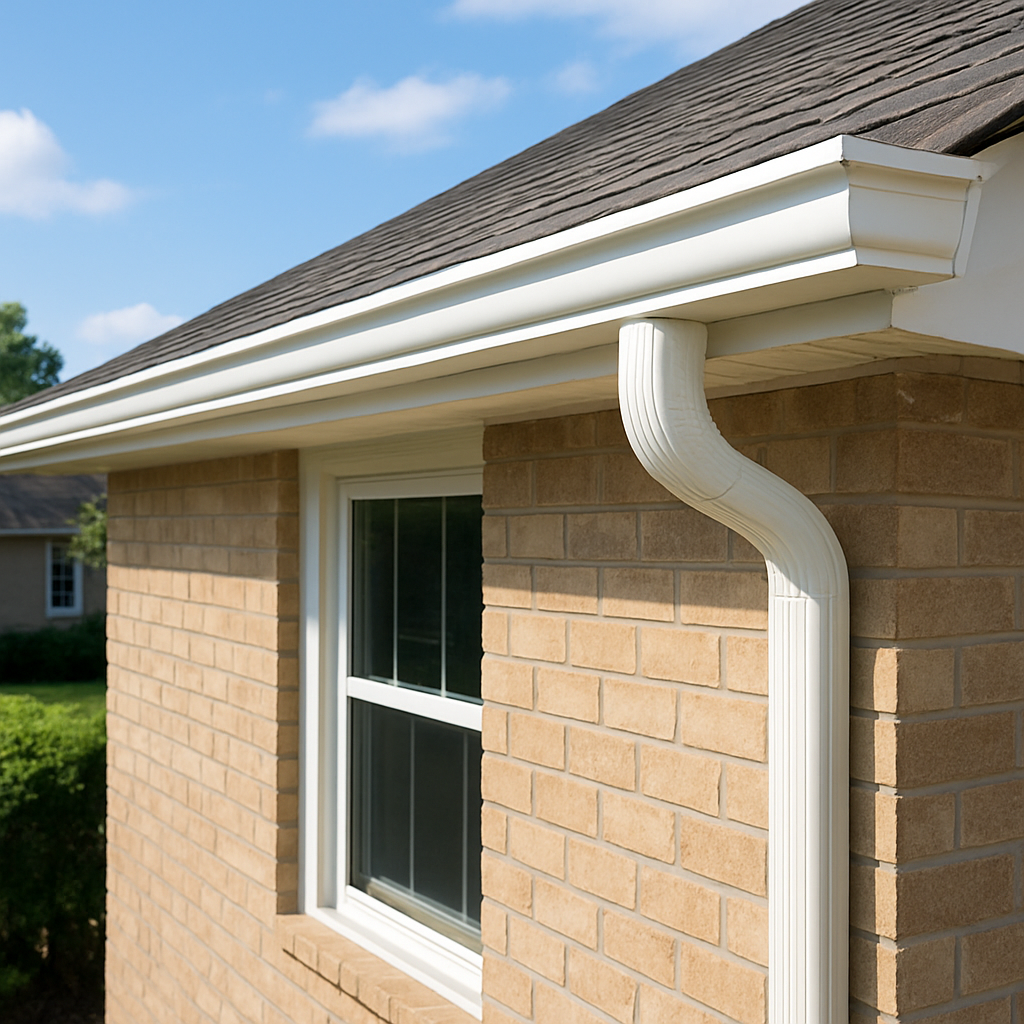
Regional Labor Rate Variations Across the US
We all know that a gutter isn’t just a pipe; it’s a labor‑heavy job that can feel like a mystery when you look at the final bill. But one of the biggest hidden drivers is the region where you live. Labor rates don’t stay the same from coast to coast – they shift with local wages, cost of living, and even weather.
What’s really driving the price differences?
Think of it like coffee. A cup in Seattle feels a bit pricier than one in a small town in Iowa, right? The same logic applies to gutter installers. In high‑cost metro areas, the crew’s hourly rate can jump 20‑30% compared to a rural county, simply because living expenses are higher and there’s a premium on skilled labor.
But it’s not just the hourly rate. Availability of scaffolding, transport logistics, and even local regulations (like permitting fees) add up. In hurricane‑prone coastal states, crews spend extra time adding reinforcement, and that extra work shows up on the invoice.
How can you spot the regional bump before you sign?
Ask for a clear, line‑by‑line quote. If the labor line says $90 per hour and you’re in the Midwest, that’s a red flag – the national average for gutter installation hovers around $75 to $80 per hour. If you’re on the East Coast and see $110, it’s likely a legitimate regional premium.
Also, pay attention to the number of hours estimated. In a city, crews may need extra time for parking restrictions or to avoid traffic, whereas a country‑side job can get done quicker because there’s space for the ladder.
Quick comparison for the major zones
Region | Average Labor Rate | Typical Cost Impact | Why it Matters |
Northeast (NY, NJ, PA) | $95–$115/hr | +20% to overall estimate | Higher wages & traffic delays |
Midwest (IL, OH, WI) | $70–$90/hr | +5% to +10% | Balanced labor market, fewer permits |
South (TX, FL, GA) | $75–$95/hr | +10% to +15% | Weather prep & larger crews |
Does that help you see where the extra dollars are coming from? Knowing the regional baseline gives you leverage to negotiate or choose a different timeline.
Timing matters too. If you can schedule the job in the off‑season—late fall or early spring—some crews reduce their rates to keep the pipeline full. That can shave 10–15% off the labor line.
Finally, consider bundling. Many installers will offer a discount if you combine gutter work with a roof replacement or siding project. That shared setup time is a win for both the crew and you.
Takeaway: Labor rates vary by region, but with a solid, itemized quote and a bit of timing strategy, you can keep those hidden costs in check and focus on the gutters that actually protect your home.
Financing Options and Incentives for Seamless Gutters
Installing seamless gutters can feel like a big ticket, but there are ways to soften that punch. Below we break down the most common financing paths and perks that can turn a $3,000 job into a budget‑friendly project.
1. 0% APR Financing From Local Installers
Many regional companies partner with credit‑card issuers to offer 12‑ or 24‑month, no‑interest plans. That means you pay the same amount each month while still getting the full system upfront. It’s handy for homeowners who want a smooth cash flow over the summer.
2. Contractor‑Backed Credit Lines
Some installers set up their own credit cards or loan programs. The benefit? Lower processing fees than bank loans and often a small discount on the total price if you close the deal within a month. Ask about “Gutter Credit” options when you request a quote.
3. Home Improvement Loan Packages
If you need more than a few thousand dollars, a home‑improvement loan from a bank or credit union can be a solid choice. Look for rates below 6% and a repayment window that matches your budget. The paperwork is quick, and many lenders offer special “green” or “energy‑efficiency” incentives for projects that improve a house’s performance.
4. Insurance Premium Reductions
Some insurers view seamless gutters as a risk mitigator. If you already have a homeowner’s policy, check if installing a high‑quality gutter system qualifies you for a deductible or premium discount. The savings can offset a portion of the upfront cost, especially in regions prone to heavy rain or hail.
5. Local Tax Credits and Grants
In a few states, there are state or municipal incentives for rain‑water management upgrades. These can range from a modest cash rebate to a small tax credit. While not every region offers them, a quick search on your county’s website or a conversation with your installer can uncover hidden savings.
6. Bundle Discounts With Other Exterior Projects
LGFMH Construction has seen homeowners bundle gutter work with roof replacement, siding, or even deck installation. By sharing equipment and labor schedules, installers can shave 10–15% off the total bill. The key: request a line‑by‑line estimate that shows the discount applied to each component.
7. Seasonal Promotional Rates
Demand dips in late winter and early spring, so many crews lower their labor rates by 5–10% to keep the pipeline full. If your calendar allows, schedule the installation in these off‑peak months. Ask for a time‑based discount when you book the project.
Remember, every financing option has a trade‑off. Interest, loan fees, or a higher overall cost can creep in if you’re not careful. The trick is to compare the total cash outlay, not just the monthly payment. Draft a spreadsheet that lists the base price, the financing cost, the insurance savings, and any bundled discounts. When you see the numbers side by side, the decision feels less like a gamble and more like a smart move.
So, next time you’re eyeing a seamless gutter upgrade, keep these financing levers in mind. They can transform a $4,000 project into a manageable expense that protects your roof and adds curb appeal without draining your savings.
FAQ
Still not sure how the price numbers add up? Here are the most common questions we get from homeowners who’re ready to tackle their gutter upgrade.
1. What’s the biggest factor that drives seamless gutter installation cost?
Material is the first line item that usually takes the lion’s share of the budget. Aluminum, the most common choice, ranges from $3 to $10 per linear foot, while copper can climb to $15–$25. Then there’s the roof pitch – steeper roofs need extra brackets and more material, which pushes the price up 10–15%. Labor, downspouts, and a few small accessories add another 10–20% on top of the base.
2. How can I get a more accurate estimate before I sign anything?
Ask for a line‑by‑line estimate that separates material, labor, and extras. Confirm whether downspouts, brackets, and any protective coatings are included. A site visit is a must; it lets the installer measure roof pitch and access challenges accurately. With that breakdown, you can compare multiple quotes side by side and spot any hidden add‑ons early.
3. Does bundling gutters with a roof replacement always save me money?
In most cases, yes. When the crew works on both jobs in a single pass, they share equipment and setup time, which can shave 10–15% off the total bill. The key is to request a line‑by‑line discount for each component so you see exactly where the savings apply. If you’re not ready to replace the roof, bundling with siding or a deck job can still offer a decent break.
4. What are the seasonal rate differences I should know about?
Late winter and early spring are the quietest months for gutter work, so crews often reduce labor rates by 5–10% to keep their pipeline full. If your schedule is flexible, booking during this window can lower your overall cost without compromising quality. Just make sure the installer still has enough time to finish before the next heavy rain season.
5. How do financing plans affect the real cost of gutters?
0% APR offers are tempting, but they often come with higher upfront prices or short repayment terms. A home‑improvement loan with a 5–6% rate might be cheaper over the long run, especially if the lender offers a small discount for closing within a month. Always calculate the total cash outlay – base price plus any interest or fees – before committing.
6. Can I save money by installing the gutters myself?
It’s possible, but you’ll still need to factor in the cost of scaffolding, safety gear, and a reliable power tool kit. Missing the slope or leaving a seam can lead to leaks, which end up costing more to fix. If you’re handy, consider a DIY kit and a few professional touch‑ups; that hybrid approach can reduce labor while keeping quality high.
Conclusion
We’ve walked the whole gutter road—from material quirks to labor curves to that sneaky extra fee.
First off, the numbers you see in a quote usually break into three parts: material, labor, and accessories. That’s why a simple line‑by‑line estimate feels like a cheat sheet rather than a mystery bill.
What’s the big takeaway? A good installer will walk you through every foot of aluminum or copper, the exact bracket count, and the downspout length. Ask for that breakdown. If the quote lumps everything together, you’ll be left guessing where a $200 bump came from.
Next, timing matters. Late winter and early spring are the quietest months, and most crews drop their labor rates by 5–10%. It’s a win‑win: you get a lower price, and the crew stays busy.
Finally, keep your eye on the finish. A tiny decorative trim or a weather‑proof coating can add a few dollars per foot, but they often pay off by protecting the gutter from rust or debris.
So, what should you do next? Gather three clear estimates, compare the line items, and lock in a date that lines up with the off‑season discount. That way you stay in control of the seamless gutter installation cost and finish with a system that looks good and lasts long.


Comments