How to Fix Sticking Sliding Glass Door: A Step‑by‑Step Guide
- William McKracherne
- Mar 13
- 8 min read

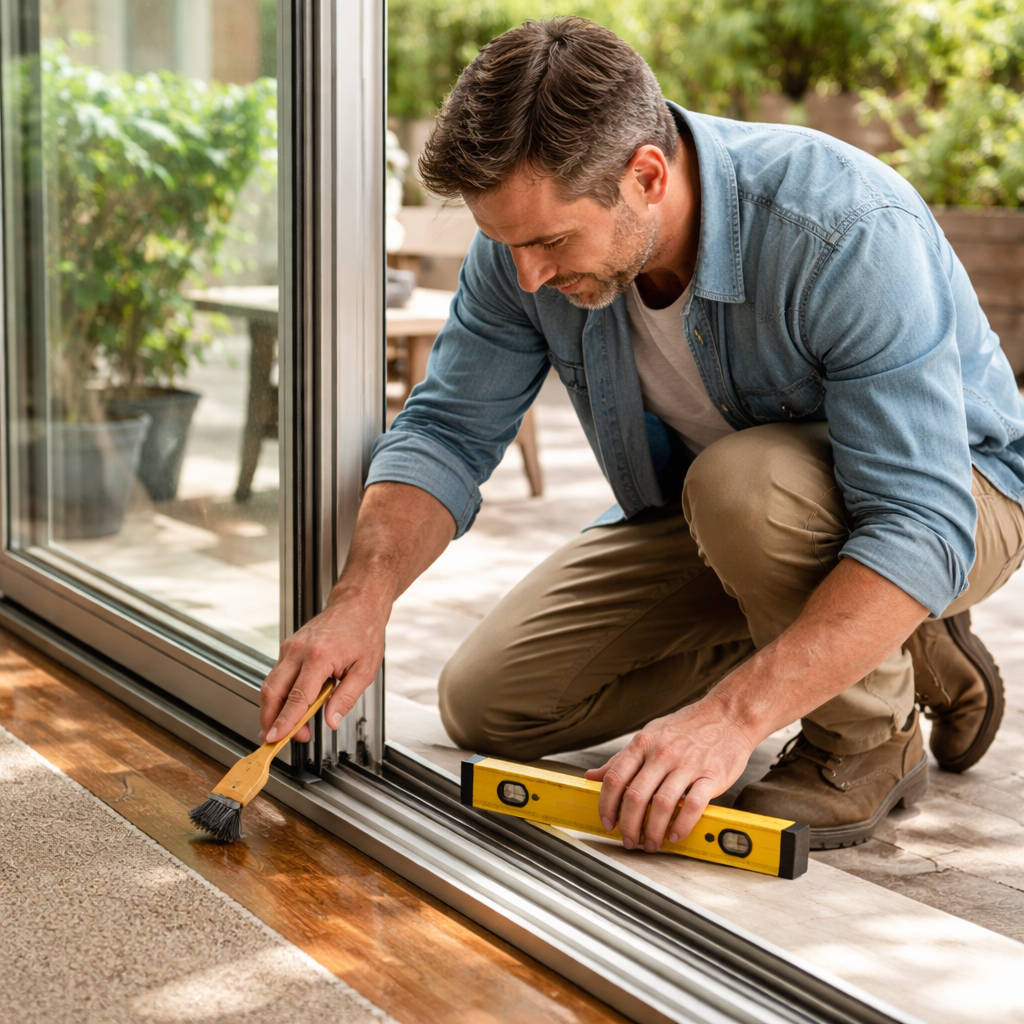
If your sliding glass door sticks, it feels like the whole room is fighting you. You push, it won’t budge, and the seal cracks. That drag can waste energy and let rain leak in.
First, check the track. Dirt, grit, or a broken roller are the usual suspects. A quick sweep with a vacuum and a brush can clear most of the grit. For a deeper look at door components, see our Step-by-Step Guide on How to Replace Exterior Door Threshold.
Next, look at the door’s alignment. When the frame is out of square, the door will bind at one end. Grab a level and place it on the top rail; if it tips, you’ll need to loosen the mounting screws and nudge the frame back into place. Tighten the screws once the rail sits level.
Lubrication is another easy fix. Use a silicone‑based spray, not oil, because oil can attract more dust. Spray the track and rollers, then slide the door back and forth a few times to work the lube in.
If the door still sticks, the weatherstripping may be swollen. Peel it back gently and trim any ragged bits, or swap it for a fresh strip. A clean, smooth seal not only helps the door glide but also keeps drafts out.
Step 1: Inspect and Diagnose the Issue
Before you grab any tools, know that the problem usually starts where the door meets the frame. A stuck slide is often a sign of something simple gone wrong. Skipping this step often leads to bigger repairs later, like a broken frame or water damage.
First, look at the track. Pull out any leaves, sand, or grit with a shop‑vac or a stiff brush. A soft brush reaches into corners where dust hides, and a damp cloth can wipe away stubborn residue. If a roller is cracked, note it for later replacement.
Also, spin each roller by hand. A roller that wobbles or feels gritty likely needs replacement. Listen for a high‑pitched squeak as you turn; that tells you which roller needs attention.
Next, check the door’s alignment. Place a level on the top rail; if it tilts, loosen the mounting screws just enough to shift the frame back into square. Use a rubber mallet to tap the frame gently if it still sits askew, then re‑level. Tighten the screws once the rail sits flat.
If you spot weatherstripping that looks puffy or torn, peel it back and cut away the bad bits. When you fit a new strip, press it firmly along the whole edge so it hugs the glass evenly. A fresh strip will seal better and let the door slide easier.
Take a note of what you fixed so you can repeat the routine each season. Check the door each spring and fall; a quick wipe and a spray keep it humming. A little maintenance keeps the door smooth all year.
Step 2: Clean Tracks and Rollers
Now that the door is level, it’s time to get the track and rollers clean.
Start with a vacuum or a dry brush. Sweep out sand, leaves, and any grit that’s stuck in the bottom of the track. A quick pass with a soft‑bristled brush can pull out pieces a vacuum misses.
Next, wipe the rollers. Grab a lint‑free rag and a little silicone‑based spray. Spray the rag, not the rollers directly, and run it along each roller until the spray disappears. This removes old residue and leaves a thin film that won’t attract dust.
If you see rust or a worn bearing, it’s a sign the roller needs replacement. A common tip is to tap the roller gently with a rubber mallet; if it wobbles, swap it out. You can find replacement rollers at most hardware stores.
Give the track a once‑over with a damp cloth. Don’t soak it — just enough moisture to lift grime. Dry it right away with another clean rag to keep water from rusting the metal.
A narrow toothbrush works great for scrubbing the sides of the track where a rag can’t reach. Spin it gently and wipe away the grit with a dry cloth.
Finally, run the door back and forth a few times. Listen for smooth motion; if it still feels rough, repeat the spray and wipe step. For a deeper look at fixing the frame itself, check out our guide on how to repair rotted door frames.
Step 3: Adjust Roller Height and Alignment
Now the rollers spin, but they might sit too high or too low. That tiny tilt can make the door drag.
First, lift the door just enough to see the rollers. Use a small block of wood under the door so it won’t fall.
Look at the gap between the roller and the top of the track. It should be about the width of a pencil. If the gap is larger on one side, the roller is too high.
Loosen the mounting screws on that side just a turn. Gently tap the roller down with a rubber mallet until the gap matches the other side. Tighten the screws back up.
Do the same for the opposite side if needed. The goal is a level line of rollers that run parallel to the track.
Next, check the side to side alignment. Place a level on the front edge of the door. If it tilts, loosen the bottom mounting brackets a little, nudge the door until the level reads flat, then retighten.
Give the door a few pushes. It should glide without a hitch. If it still feels uneven, repeat the height tweak until the motion feels smooth.
When you’re done, a quick wipe of the rollers with a dry cloth will clear any dust you knocked loose.
Need more help picking the right rollers or other hardware? Our door selection guide breaks down the options.
Step 4: Lubricate and Test Door Movement
Now the rollers sit level, it's time to add some slickness. Grab a silicone‑based spray and hold the can a few inches from the track. A quick mist on the track and each roller does the trick.
Slide the door back and forth a handful of times. The spray will work into the bearings and fill the tiny gaps. If you see a puddle of spray, wipe it off with a dry rag – you don’t want extra film to catch dust.
Next, give the rollers a quick wipe with the same dry cloth. This clears any loose grit you may have knocked loose while you were adjusting the height.
Now test the movement. Place a level on the front edge of the door and watch the bubble. Push the door gently; it should glide smooth and stay level. A smooth push means the lube is spreading evenly.
If the door still feels sticky, check the side‑to‑side alignment again. Loosen the bottom brackets a notch, nudge the door until the level reads flat, then tighten. A little tweak can make a big difference.
Tip: avoid oil‑based lubricants. They attract dust and can make the track feel rough again.
If you notice the door jamb is warped or cracked, you might need to look at repairing a door jamb. A solid jamb lets the lube do its job without extra friction.
Task | Tool | Tip |
Apply lubricant | Silicone spray | Hold 4‑6" from track, mist lightly |
Work in lube | Door itself | Slide 5‑6 times each direction |
Remove excess | Dry lint‑free cloth | Wipe until no film remains |
Step 5: Fine‑Tune and Prevent Future Sticking
Now the door glides, but you want it to keep that feel. A quick check after each season saves you from a repeat of the sticky drama.
First, give the rollers one more spin. If any wobble shows, tighten the mounting screw a hair more or replace the roller. A tight, level set of rollers is the backbone of smooth motion.
Next, wipe the track clean again. Dust and leaf bits love to settle after a rainstorm. Use a dry rag and a little silicone spray, then run the door back and forth three times. This thin film stays put without sucking up grit.
Do you ever wonder why some doors start to stick after a few months? The culprit is often the weatherstrip swelling with humidity. Pull it back gently and trim any soft spots. If the strip looks worn, a fresh piece will keep drafts out and the door moving easy.
Set a simple maintenance habit: once a quarter, run the door a few times, glance at the rollers, and wipe any excess spray. A quick visual check catches loose screws before they bite.
When you’re picking new hardware, think about the material. Stainless‑steel rollers resist rust and stay quiet longer. Our door guide walks you through the best choices for long‑term performance.
Finally, protect the track from debris. A short piece of brush taped to the bottom of the door sweeps leaves away as you open and close. It’s a tiny add‑on that makes a big difference.
Stick to these tiny tweaks and your sliding door will stay smooth for years.
Frequently Asked Questions
Why does my sliding glass door still stick after cleaning?
Even after you sweep out dust, a door can still stick if a roller is low or the track has a tiny bend. The silicone spray you used helps, but it won’t fill gaps where the wheel presses hard. Check the roller height, look for cracks, and make sure the frame is level. Fixing those spots usually clears the drag.
How often should I lubricate the rollers?
You’ll want to re-spray the silicone once every six to twelve months, or sooner if you notice a squeak. A quick wipe after a heavy rain or winter chill also helps because water can pull dust into the track. Just a light mist and a few open-close cycles keep the door moving smooth. Doing this when you do your seasonal home check keeps the rollers from drying out.
Can I use regular oil instead of silicone spray?
Regular oil may seem easy, but it pulls dust like a magnet and makes the track sticky. Silicone spray is designed to stay slick without grabbing grit. If you only have oil, wipe it off with a clean rag and replace it with a proper silicone product. That simple swap saves you extra cleaning later. A thin coat is enough; you don’t need to drench the rollers.
What tools do I need to adjust roller height?
You’ll need a small flat-head screwdriver, a set of Allen keys, and a level. The screwdriver loosens the set screw on each roller, the Allen key helps lift the wheel if it’s stuck, and the level lets you check that the door sits flat across the track. A soft cloth to wipe away grit is handy too. You can find these tools at any local hardware store for a few dollars.
Should I replace the rollers if they look worn?
If a roller shows cracks, flat spots, or feels rough when you spin it, replacement is the safest move. A worn wheel can dig into the track and cause the door to bind, which may damage the frame over time. Swapping in new rollers restores smooth motion and prevents costly repairs down the road. Most hardware stores carry universal rollers that fit most sliding glass doors.
When is it time to call a professional?
You should call a pro if the door still sticks after you’ve cleaned, lubed, and adjusted the rollers, or if the frame is out of square and you can’t tighten it yourself. Also, if you notice rust, broken track pieces, or a warped glass pane, a specialist can fix the issue safely. LGFMH Construction can inspect the whole system and get it moving again.
Conclusion
You've walked through the whole process of how to fix sticking sliding glass door. By cleaning the track, checking rollers, adjusting height, and adding the right silicone spray, most doors glide again.
Remember to test the door after each tweak. If it still drags, a worn roller or warped frame may need a replace.
Keep a small bottle of silicone grease on hand and run a quick check every few months. A little habit stops big problems later.
When the job feels beyond a simple fix, LGFMH Construction can step in. Their crew knows how to repair or replace the hardware safely.
So, what's the next move? Grab your tools, give the track a once over, and watch that door slide smooth again.
By staying on top of cleaning and lubrication, you keep energy bills low and avoid water leaks that come from a stuck door.


Comments