How to Patch Large Hole in Drywall Ceiling: Step‑by‑Step Guide
- William McKracherne
- Mar 13
- 8 min read

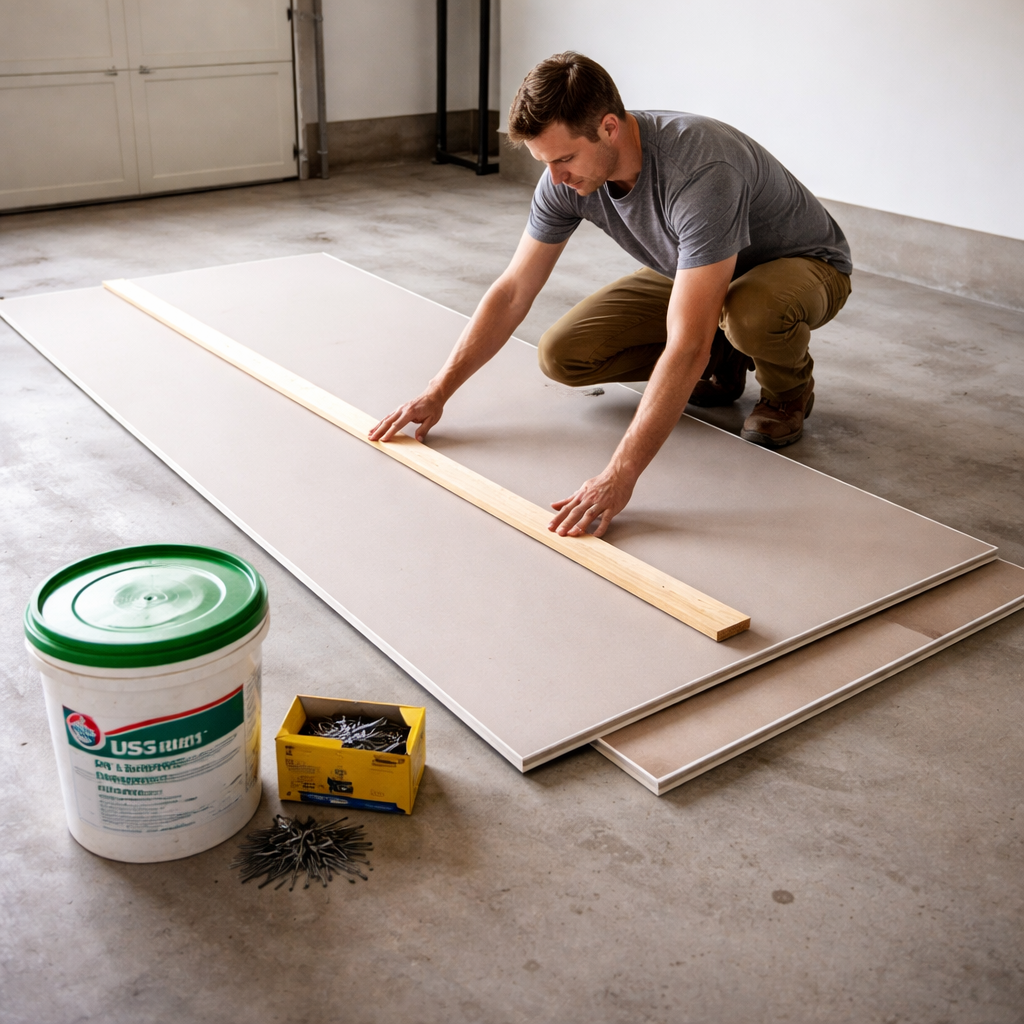
Finding a huge hole in your ceiling feels like a disaster, but it’s fixable.
First, clear the area. Pull away any loose drywall and trim the edges so they’re straight. You’ll want a piece of drywall that’s a few inches bigger than the hole.
Next, cut a backer board—usually a 1x2 piece of lumber—and screw it inside the ceiling through the existing drywall. This gives your patch something solid to cling to.
Now cut the new drywall patch to fit. Snap a drywall saw around the hole, then fit the patch snugly. Screw the patch into the backer board, spacing the screws about an inch apart.
Cover the seams with joint tape, then spread a thin layer of joint compound. Let it dry, sand smooth, and repeat the compound a couple of times until it blends with the rest of the ceiling.
Finish by painting to match the surrounding area. If you need a deeper dive into drywall tools and finishes, our Drywall Installation and Finishing guide walks you through every step.
While you’re up there, think about staying cool when the sun hits the roof. Summer Outfit Ideas: 6 Fresh Looks for Any Weather shows how to dress right for a hot day, so you don’t sweat while you work.
Bottom line: with the right tools, a steady hand, and a clear plan, you can patch a large hole and make the ceiling look brand new again.
Step 1: Prepare the Area and Gather Materials
A hole that looks like a disaster can be tamed with a solid plan.
First, clear the work zone. Pull away any loose drywall, dust, or insulation. Lay down a drop cloth so you don't track debris across the floor. A clean space lets you see the damage and keeps tools from slipping.
Next, gather the basics. You'll need a piece of drywall a few inches bigger than the opening, a 1×2 backer board, a drill, screws, a drywall saw, joint tape, and a small bucket of joint compound. A utility knife, sandpaper, and a sturdy ladder round out the kit. If you're missing anything, a local hardware store can set you up in minutes.
Don't skip safety gear. Pull on a pair of gloves, wear goggles, and use a dust mask. A sturdy ladder with a firm base keeps you steady while you work above head height.
Now take a moment to measure twice. Mark the drywall patch so it overlaps the hole by at least two inches on every side. Cut the backer board to fit snugly inside the opening; this gives the new piece something strong to hold onto.
Lay out each item on the drop cloth in the order you'll need them. Having the saw, screws, and tape right at hand cuts down on trips up and down the ladder.
Before you screw anything in, glance at the ceiling for any wires or light fixtures that might run near the hole. If you spot a cable, turn off the breaker and keep a safe distance.
Make a quick checklist: safety gear, drop cloth, drywall, backer board, screws, saw, tape, compound. Tick each off before you climb up.
Step 2: Cut a Clean Opening and Install Support Backing
Now that you’ve cleared the area, it’s time to cut the hole cleanly. Grab a drywall saw and line it up with the marked outline. Push gently, let the blade do the work, and watch the edge stay straight.
Tip: If the drywall is old, score the line first with a utility knife. This stops the paper from tearing as you cut.
Once the opening is neat, measure a 1‑by‑2 piece of lumber that’s a few inches longer than the hole. This will be your backer board. Hold it up inside the ceiling and drill two pilot holes through the existing drywall.
Drive screws through the pilot holes until the backer sits flush with the ceiling surface. Space the screws about an inch apart, this gives the patch solid support.
Does the backer feel wobbly? Give it a quick shake. If it moves, add another screw or two. A firm board means the new drywall won’t sag later.
Next, cut the drywall patch. Snap a piece that’s slightly bigger than the hole, then trim it with the saw until it fits snugly against the backer. Press the patch into place and screw it into the board, keeping the same one‑inch spacing.
After the patch sits tight, run a strip of joint tape over each seam. The tape helps the compound stick and prevents cracks.
Spread a thin layer of joint compound with a taping knife. Let it dry, sand lightly, and repeat once or twice until the surface blends with the surrounding ceiling.
Need more detail on plaster tools and tricks? Check out our plaster guide for extra tips on getting a smooth finish.
When the final coat is smooth, wipe away any dust, step back, and you’ll see the ceiling looking like new. That’s the satisfying end of a clean cut and solid backing.
Step 3: Apply Joint Compound and Finish the Surface
Now the patch is in place, it's time to hide the seams.
Mix and apply the first coat
Grab a clean taping knife and a bucket of all-purpose joint compound. Scoop a thin layer—about the size of a pancake—onto the knife. Press it over the taped seam, feathering the edges so it blends into the surrounding ceiling.
Let it dry completely; 24 hours is safe, but a warm room may speed things up.
Sand and repeat
When the coat is dry, run a 120-grit sanding block lightly over the area. You want it smooth, not stripped. Wipe away dust with a damp cloth.
Apply a second, slightly wider coat. This time, spread it a bit farther past the first edge. The goal is to make the patch disappear into the rest of the ceiling.
Dry, sand, and wipe again. If you still see a ridge, add a third thin coat and repeat the same steps.
Final touch‑up
Once the last coat feels flush, give it a final fine-grain sand. A light hand prevents new scratches.
Wipe the surface clean, then step back. If the texture matches, you’ve just turned a big hole into a seamless ceiling.
For more tips on getting a smooth finish, check out our drywall finishing guide. It walks you through choosing the right knife, mixing compound, and spotting common mistakes.
A quick tip: keep a small spray bottle of water handy while you sand. A mist helps catch dust and keeps the joint compound from cracking.
If you plan to paint, prime the repaired area with a thin coat of latex primer. This seals the joint compound and helps the new paint grip evenly.
For textured ceilings, dab a little texture patch before the final coat to match the pattern.
Clean your knife and sandpaper after each use to keep the mix smooth.
When you’re done, you’ll have a ceiling that looks as good as new—ready for paint or just to enjoy the room again.
Step 4: Sand, Prime, Paint, and Compare Patch Materials
Now the compound is smooth, it’s time to get the surface ready for paint. A good sand‑prime‑paint routine makes the patch disappear.
Sand until it feels like the rest of the ceiling
Grab a fine‑grit sanding block (120‑150 grit works). Lightly run it over the dried coat. You want the edges to feather into the surrounding area. If you see a ridge, keep sanding until the spot feels even with the rest of the ceiling.
Tip: keep a spray bottle handy and mist the area as you sand. The mist stops dust from flying and stops the joint from cracking.
Prime for a uniform finish
A thin coat of latex primer seals the joint compound and gives the paint something to grip. Use a small roller or brush and cover the patched spot plus a few inches around it. Let the primer dry, usually 30 minutes in a warm room.
When the primer is dry, give it a quick feel. If it still looks glossy, sand lightly again and re‑apply.
Choose the right paint
If your ceiling is flat white, a flat interior paint works best. For textured ceilings, pick a paint that matches the texture level. Apply two thin coats, letting each dry fully before the next.
And here’s a quick way to test color match: paint a small piece of cardboard with your ceiling paint, tape it to the ceiling, and step back. If it blends, you’re good to go.
Compare common patch materials
Material | Best for | Notes |
All‑purpose joint compound | Standard drywall holes | Easy to sand, dries hard |
Lightweight spackle | Small dents or thin patches | Dries fast, less shrinkage |
Premixed patching plaster | Textured ceilings | Matches texture, needs thin layers |
Pick the material that fits the size of your hole and the look of your ceiling. Many DIYers find the all‑purpose joint compound the most versatile.
For a deeper dive on picking the right finish, check out our full drywall finishing guide. It walks you through tools, tips, and common mistakes.
Now you’re set to enjoy a flawless ceiling.
Frequently Asked Questions
What tools do I need to patch a large hole in a drywall ceiling?
You’ll need a utility knife, a drywall saw, a drill with screwdriver bits, a 1x2 piece of lumber, drywall screws, joint tape, joint compound, a 6‑inch taping knife, sandpaper, a primer and ceiling paint. A dust mask and safety glasses keep you safe. Having everything ready saves trips back and forth.
How do I create a strong backing for the patch?
Cut the 1x2 board a little longer than the hole. Slip it inside the opening so it spans the gap. Screw it into the existing ceiling with 1‑inch drywall screws about an inch apart. The board acts like a brace, so the new drywall piece stays firm when you screw it in.
What’s the best way to apply joint compound to hide the seam?
Start with a thin first coat. Spread it with the knife, pressing over each screw head. Feather the edges so the mud tapers into the old ceiling. Let it dry, sand smooth, then add a second, slightly thicker coat that overlaps the first by a few inches. Finish with a light third coat if needed, sand, and wipe dust.
How many coats of paint should I use after the repair?
Two light coats work best. The first coat locks in the primer and evens out any color shift. Let it dry, then roll a second coat that overlaps each pass by a few inches. A small flashlight held at a low angle will show any missed spots.
Can I patch a ceiling hole myself if I’m not handy?
Yes, most homeowners can do it with basic tools and patience. The steps are straightforward: prep the area, add backing, fit the patch, tape and mud, sand, then prime and paint. Take your time, follow each step, and you’ll end up with a smooth ceiling that looks like new.
When should I call a professional like LGFMH Construction?
If the hole is near wiring, plumbing, or HVAC, or if you feel unsure about the structural support, it’s time to get help. A pro can handle tricky spots, ensure safety, and finish the job fast. LGFMH Construction specializes in interior repairs, so they can take the stress off your plate.
Conclusion
Patch a big ceiling hole isn’t magic, it’s a series of small steps you can master. You’ve cleared the area, built a solid backer, cut a snug patch, mudded, sanded, primed, and painted. Each step builds on the last, so the finished ceiling blends right in.
If wiring, plumbing, or doubt shows up, call LGFMH Construction. Their team keeps the job safe and quick.
Now grab your tools, follow the plan, and give that ceiling a fresh look. A little patience today saves you a lot of hassle tomorrow. Ready to start? Your ceiling will thank you.
Before you paint, run a flashlight across the surface; any shadow shows where another thin coat may be needed. A quick touch up now stops a visible patch later, and a well prepped spot holds paint better so the colour stays true for years. For more tips, see our full drywall guide later in this article.


Comments