How to Repair a Cracked Garage Wall (Step-by-Step Guide)
- William McKracherne
- Jun 16
- 5 min read

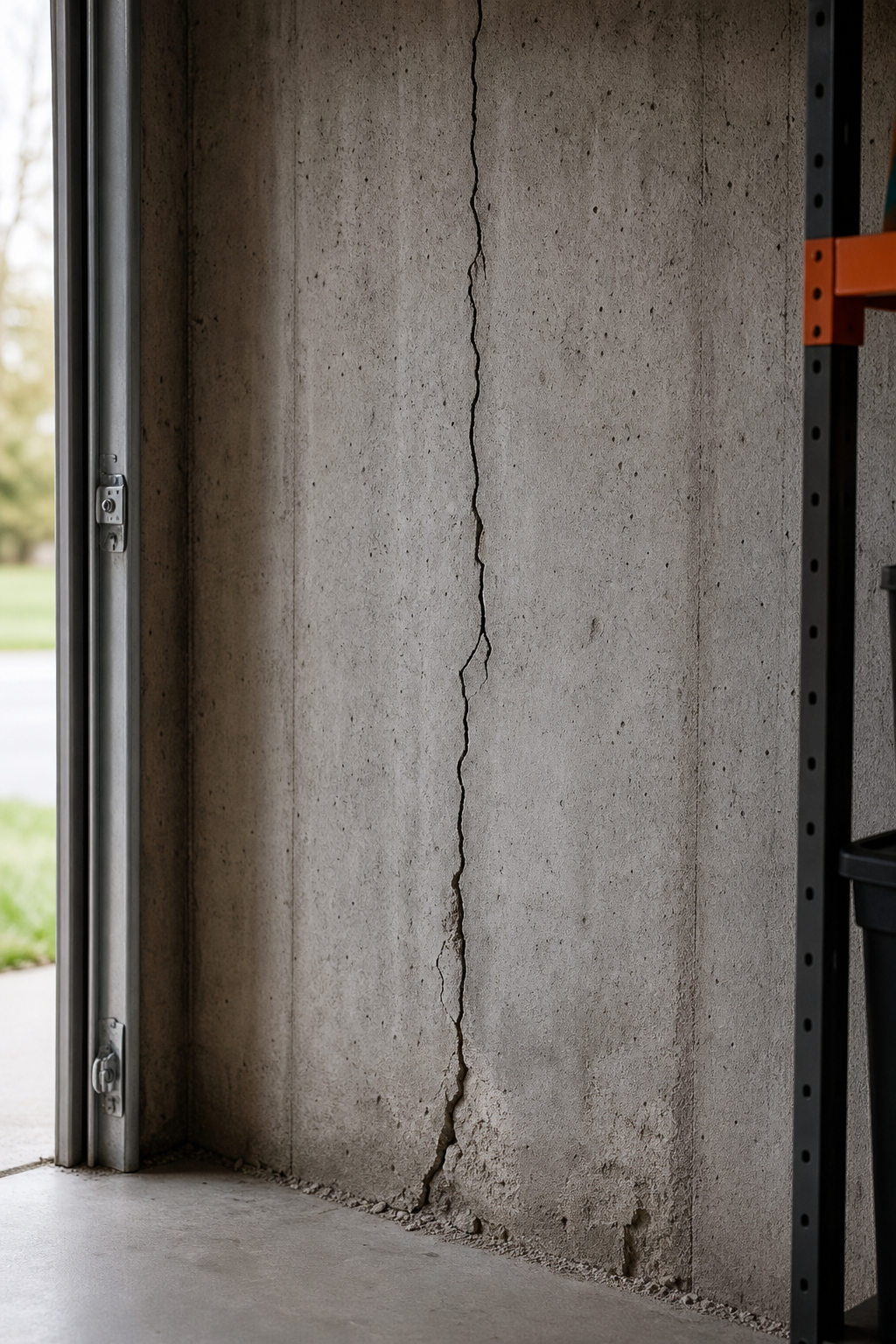
Cracks in garage walls are common, but fixing them doesn't have to be hard. Whether it's a hairline stress crack or a wider gap, you can patch it yourself in one afternoon. Here's exactly how to repair a cracked garage wall, step by step.
Step 1: Assess the Crack and Determine the Repair Method
Before you start, you need to know what you're dealing with. Small hairline cracks (under 1/8 inch) can often be filled with a flexible sealant. Larger cracks or those that are growing may need hydraulic cement or epoxy. Structural cracks (wider than 1/4 inch or with signs of shifting) should be checked by a pro. Use a ruler or crack gauge to measure width. Tap the wall near the crack, hollow sounds mean loose material. For more on evaluating wall damage, check out the LGFMH Construction blog for usable repair tips .
According to Wikipedia , concrete cracks are classified by cause: plastic shrinkage, drying shrinkage, thermal stress, or settlement. Each type may need a different fix. Take a photo and note the date. Check again in a month to see if the crack has widened. That tells you if it's active or stable.
Key Takeaway:Measure and monitor the crack, active cracks need different materials than stable ones.
Step 2: Prepare the Crack Surface for Repair
Good prep makes the patch last. Start by removing loose debris with a wire brush. Vacuum all dust from the crack, a shop vac with a narrow attachment works best. For deep cracks, use a cold chisel and hammer to undercut the edges (make them wider at the bottom) so the patch locks in. Wear safety glasses and a dust mask.
Tool | Purpose |
Wire brush | Remove loose concrete and dirt |
Shop vacuum | Remove fine dust |
Cold chisel and hammer | Undercut edges for mechanical bond |
Safety glasses and mask | Protect eyes and lungs |
If the crack is oily (from car fluids), clean with a degreaser. Then rinse with water and let dry. A clean, dry surface is essential for maximum adhesion. Moisture can ruin the bond, so wait for a dry day or use a heat gun to speed it up.
Pro Tip:For narrow cracks, run a utility knife along the crack to widen it slightly, this helps the filler penetrate deeper.
Step 3: Apply a Bonding Agent to the Crack
A bonding agent (also called a primer or bonding adhesive) helps the patching compound stick. Concrete is porous, and without a bonder, the patch can peel off later. Choose a latex-based bonding agent from a hardware store. Apply it with a brush inside the crack, covering all surfaces. Let it become tacky (about 10 minutes) before applying the patch.
Watch the video above for a visual demonstration of bonding agent application. For more on working with adhesives on walls, to Working with Plaster, which covers surface prep and bonding.
If you're not comfortable doing this yourself, professional services like those from LGFMH Construction can handle it for you. They specialize in interior and exterior repairs.
Step 4: Apply the Patching Compound or Mortar
Now it's time to fill the crack. For small cracks, use a ready-mixed concrete patch like DAP Ready-Mixed Concrete Patch, just squeeze it into the crack with a caulk gun. For larger cracks, mix hydraulic cement (like Rockite, about $8 on Amazon) according to the package directions. It sets in 15 minutes, so work fast. Apply with a putty knife, overfilling slightly.
For deep cracks, pack the material in layers, each layer no thicker than 1/2 inch. Let the first layer set before adding the next. This prevents sagging. TheLGFMH Constructionteam often uses a two-part epoxy for structural repairs because it bonds stronger than cement. If you need a durable fix that lasts, consider their professional repair services.
If the crack is on an exterior wall, choose a patching compound rated for outdoor use to resist weather. For extra reinforcement, you can embed fiberglass mesh tape into the first layer of filler.
Step 5: Smooth and Finish the Repaired Surface
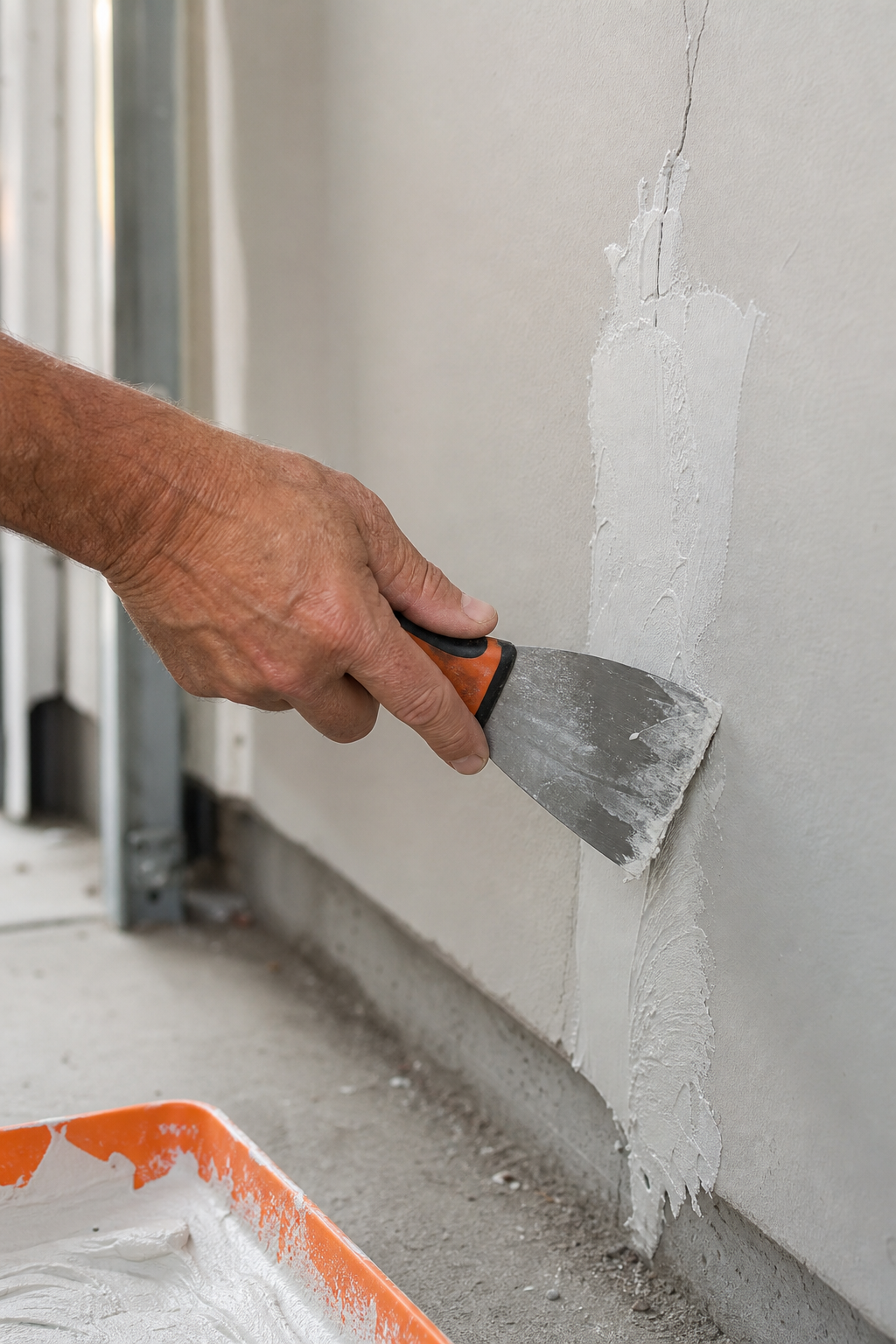
Once the patch is firm but not fully hard (check the product's working time), use a putty knife or trowel to scrape off excess and level it with the wall. Work from the center outward. If you overfill, sand it after it's fully cured. For a smooth finish, you can apply a thin skim coat of joint compound over the patch. For detailed sanding and finishing tips, , the same principles apply to concrete patches.
Let the patch dry completely. Smooth it with 120-grit sandpaper. Wipe dust with a damp cloth. If you plan to paint, apply a concrete primer first, then a matching paint.
Step 6: Cure and Seal the Repaired Crack
Most concrete patches need to cure slowly to gain strength. Keep the area moist for 24-48 hours after applying. Spray a fine mist of water periodically, or cover with plastic sheeting. This is especially important for hydraulic cement. For a durable seal, apply a concrete sealer over the cured patch. Brushes or sprayers work. Choose a silane-siloxane sealer for outdoor walls, it repels water but lets vapor escape. Proper curing prevents shrinkage cracks.
LGFMH Constructionrecommends checking the seal every year and reapplying if water stops beading. If you see new cracks, it may indicate foundation movement, call a professional.
Key Takeaway:Curing and sealing are not optional, they prevent the crack from returning.
Frequently Asked Questions
Can I just use caulk to fix a garage wall crack?
Caulk works for hairline cracks (under 1/8 inch) that don't carry water pressure. For wider cracks, use a concrete patch or hydraulic cement. Caulk won't bond well to concrete long-term.
How do I know if the crack is structural?
Structural cracks are wider than 1/4 inch, run horizontally or diagonally, or show signs of displacement (one side higher). If you see water seeping through, it's likely structural. Call a foundation specialist.
How long does it take to repair a cracked garage wall?
Most DIY repairs take 30 minutes to 1 hour of active work, plus drying time (24-48 hours). Hydraulic cement sets in 15 minutes, but full cure takes longer.
Can I paint over the repaired crack?
Yes, but wait until the patch is fully cured (at least 48 hours). Apply a concrete primer, then use acrylic latex paint. Flex agents in the paint help prevent future cracks from showing.
What if the crack comes back after repair?
Reappearance means the root cause (like settling soil or water pressure) isn't fixed. You may need a deeper solution like carbon fiber reinforcement or drainage improvement. Consult a pro like LGFMH Construction.
Conclusion
Repairing a cracked garage wall is a weekend job most homeowners can handle. Assess the crack, prep the surface, apply a bonding agent, then fill with the right patch. Smooth it out, cure it, and seal it. For complex or structural cracks, trustLGFMH Constructionto do it right. They offer interior and exterior repairs that last. After your wall is fixed, you might also want to keep your car in great shape, check out car review websites for car specs and prices. And if you're running a repair business, appointment booking software can handle appointment booking. For debris removal from large garage projects, dump truck companies in San Antonio can haul away the mess.


Comments