How to Repair Cracked Stucco Exterior Wall in 2026
- William McKracherne
- May 5
- 6 min read

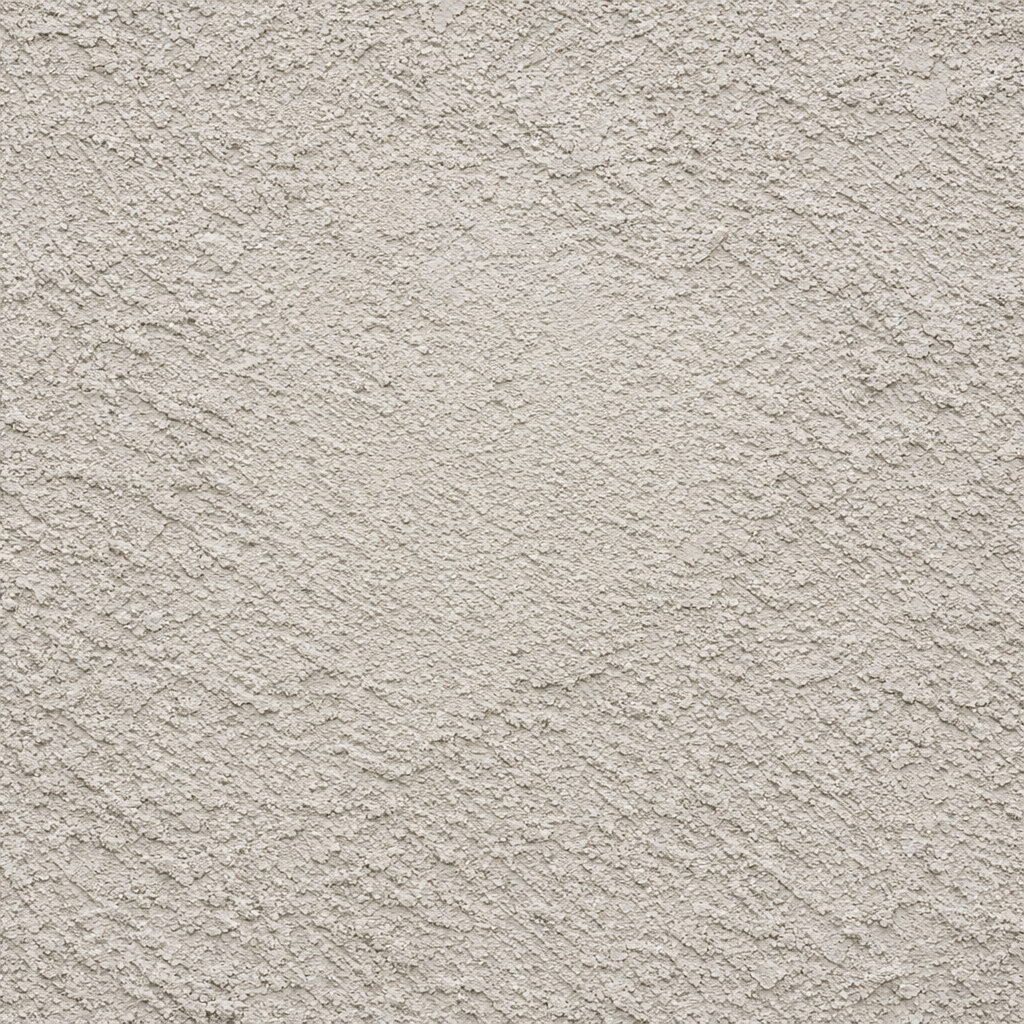
Cracked stucco looks bad and can let water in. Most homeowners don’t know how long the fix takes or what it will cost. In this guide we walk you through how to repair cracked stucco exterior wall from start to finish. You’ll get clear steps, tool lists, safety tips and a realistic timeline.
Step 1: Assess the Damage
Before you pick up a trowel, you need to know what you’re dealing with. Look at the crack from a few feet away. Is it thin like a hairline or wide enough to fit a finger?
Measure the width with a ruler. If it’s less than 1/8 inch, a flexible caulk will work. If it’s wider, you’ll need a pre‑mixed stucco patch.
Next, check the depth. Tap the crack with a screwdriver. If the tool goes in more than a quarter inch, you’ll have to widen the crack a bit so the new material sticks.
Check for any loose pieces. Use a small hammer and chisel to lift out crumbling stucco. You want solid edges that look like a V‑shaped groove. This shape helps the patch hold.
Take photos of the crack. They help you track progress and can be useful if you later call a pro.
Look for signs of water damage around the crack. Stains, mold or soft spots mean you may need to address a bigger problem before you patch.
When you’ve written down the size, depth and any extra damage, you can plan the next steps.
Key Takeaway:Knowing the crack’s width, depth and condition tells you which material to use.
Bottom line:A clear assessment lets you pick the right repair method and avoids surprises later.
Step 2: Gather Tools and Materials
Now that you know what you need, collect the right tools. Having everything at hand saves time and keeps the job clean.
Tool | Use | Why It Helps |
Chisel | Widen crack | Creates a V‑shape for better bonding |
Hammer | Tap out loose stucco | Removes weak bits safely |
Brush | Clean dust | Prevents weak adhesion |
Rubber float | Apply patch | Gives smooth surface |
Trowel (12‑inch) | Shape patch | Controls thickness |
Gloves, goggles, dust mask | PPE | Protects you from dust and chemicals |
Materials you’ll need depend on the crack size. For hairline cracks, a paintable acrylic caulk works. For larger gaps, a pre‑mixed stucco patch like QUIKRETE Pre‑Mixed Stucco Patch is a good choice.
Pro Tip:Mix only as much patch as you can use in 30 minutes. It starts to set fast.
When you buy caulk or patch, check the label for “exterior‑grade” and “paintable”. This ensures the finish will hold up to rain and sun.
Here’s a quick checklist you can print out before you head to the store:
Chisel and hammer
Stiff brush
Rubber float and 12‑inch trowel
Exterior‑grade caulk or pre‑mixed patch
PPE: gloves, safety glasses, dust mask
For safety facts about stucco dust, the CDC notes that inhaling fine particles can irritate lungs. CDC’s construction safety page explains why a mask matters.
When you’re ready, you can start the repair. If you ever feel stuck, a professional service can handle the whole job for you. Siding Fascia Soffit Repair & Replace | Lgfmh Construction offers full exterior repair packages.
Bottom line:Having the right tools and materials ready keeps the repair smooth and safe.
Step 3: Prepare the Crack Area
The surface must be clean and dry before you add any new material. Any dust or loose bits will cause the patch to pop later.
First, widen the crack to at least a 1/4 inch. Use a chisel and hammer to cut a V‑shaped groove. This shape gives the patch a key to lock into.
Next, brush away dust and crumbling pieces. A stiff nylon brush works well. Follow with a vacuum to pull out fine particles.
After cleaning, lightly mist the area with water. You don’t want it soggy, just a thin film. The mist stops the stucco from sucking water out too fast, which can cause cracks.
Let the mist dry for a few minutes. The surface should feel cool to the touch, not sticky.
Now you’re ready to apply the patch. Remember to work in sections that you can finish before the mix starts to set.
"A clean, damp surface is the secret to a strong stucco repair."
Bottom line:Proper cleaning and a light mist give the new material a solid base to stick to.
Step 4: Apply Patching Compound
Mix the patch according to the bag directions. Usually you add water and stir until the mix looks like thick pancake batter.
If you’re using a pre‑mixed product, just give the bucket a good stir. Let it sit for a minute so it “slakes.” This helps the chemicals settle and makes spreading easier.
Load a small amount onto a rubber float. Press the float into the V‑shaped groove, pushing the material deep into the crack.
Use the trowel to smooth the surface. Hold the trowel at a slight angle and pull forward in long, even strokes. Aim for a thickness of about 1/8 inch.
Feather the edges into the surrounding stucco. Imagine you are blending paint, not slapping on a new layer. This helps the repair hide.
24 hoursto cure before painting
Let the patch cure for at least 24 hours. Keep the area out of direct sun while it dries. Sun can dry the surface too fast and cause shrinkage.
After cure, check the patch for any low spots. Lightly sand with a fine‑grit pad if needed, then wipe away dust.
Bottom line:A well‑mixed, well‑applied patch that cures fully will stay solid for years.
Step 5: Texture and Paint
Now the patch looks flat, but the wall still needs the right texture so it blends with the rest of the stucco.
Pick a texture tool that matches the existing finish. A sponge, brush or trowel can create a rough, smooth, or stippled look.
Dip the tool in water, then lightly press it onto the wet patch. Practice on a scrap piece first so you get the right pattern.
When the texture dries, you can prime the area. Use a primer made for masonry. This seals the patch and helps paint stick.
After primer dries, paint with a high‑quality exterior paint. Match the color to the rest of the house. Use a roller for even coverage.
Pro Tip:Paint in the shade or on a cool day to avoid quick drying and brush marks.
Check the finish after it dries. If you see any visible lines, lightly sand and touch up with a thin coat of paint.
When everything looks smooth, clean the tools with water and store them for future projects.
Bottom line:Matching texture and using the right primer and paint make the repair invisible.
Conclusion
Repairing a cracked stucco exterior wall is a doable DIY job when you follow each step. Start with a solid assessment, gather the proper tools, clean and prep the crack, apply a good patch, and finish with texture and paint. The whole process takes about a day for curing, plus a few hours of work.
If you run into unexpected water damage or feel unsure about any step, LGFMH Construction can step in. Their team handles everything from assessment to final paint, so you get a clean look without the guesswork.
Take the time to do each step right and you’ll keep your home dry, beautiful and protected for years.
Frequently Asked Questions
Can I use regular indoor caulk for a stucco crack?
No. Indoor caulk isn’t made for outdoor weather. It will shrink and crack when exposed to sun and rain. Use a paintable exterior‑grade acrylic caulk that stays flexible. This keeps the repair sealed and blends with the stucco.
How long does the patch need to cure before I can paint?
The patch should cure for at least 24 hours. This gives the material time to harden fully. Rushing the paint can trap moisture and cause the patch to fail later.
What if the crack is deeper than 1/2 inch?
Deep cracks need a two‑layer approach. First, fill the bottom half with a thin layer of patch and let it set. Then add a second layer to bring it level with the wall. Feather each layer into the surrounding stucco.
Do I need to remove all the old stucco around the crack?
You only need to remove loose or crumbling stucco. Leaving solid stucco in place saves time and keeps the wall strong. Clean the edges so they are solid and V‑shaped.
Can I repair stucco in winter?
You can, but cold weather slows curing. Aim for a temperature above 40 °F and keep the area out of wind. Use a heater if needed, and allow extra cure time.
When should I call a professional instead of doing it myself?
If you see water stains, mold, or the crack is wider than 1 inch, it may be a sign of deeper damage. A pro can check the structure, fix any hidden issues and finish the job quickly.
How often should I check my stucco for new cracks?
Inspect your stucco at least once a year, especially after big storms. Look for new lines, loose pieces or water spots. Early detection saves time and money.
Is there a way to make the repaired area invisible?
Matching texture is key. Use the same tool and technique you see on the rest of the wall. Then prime and paint with the exact color. A good blend makes the repair disappear.


Comments