How to Replace a Cracked Window Sash
- William McKracherne
- Jun 13
- 5 min read

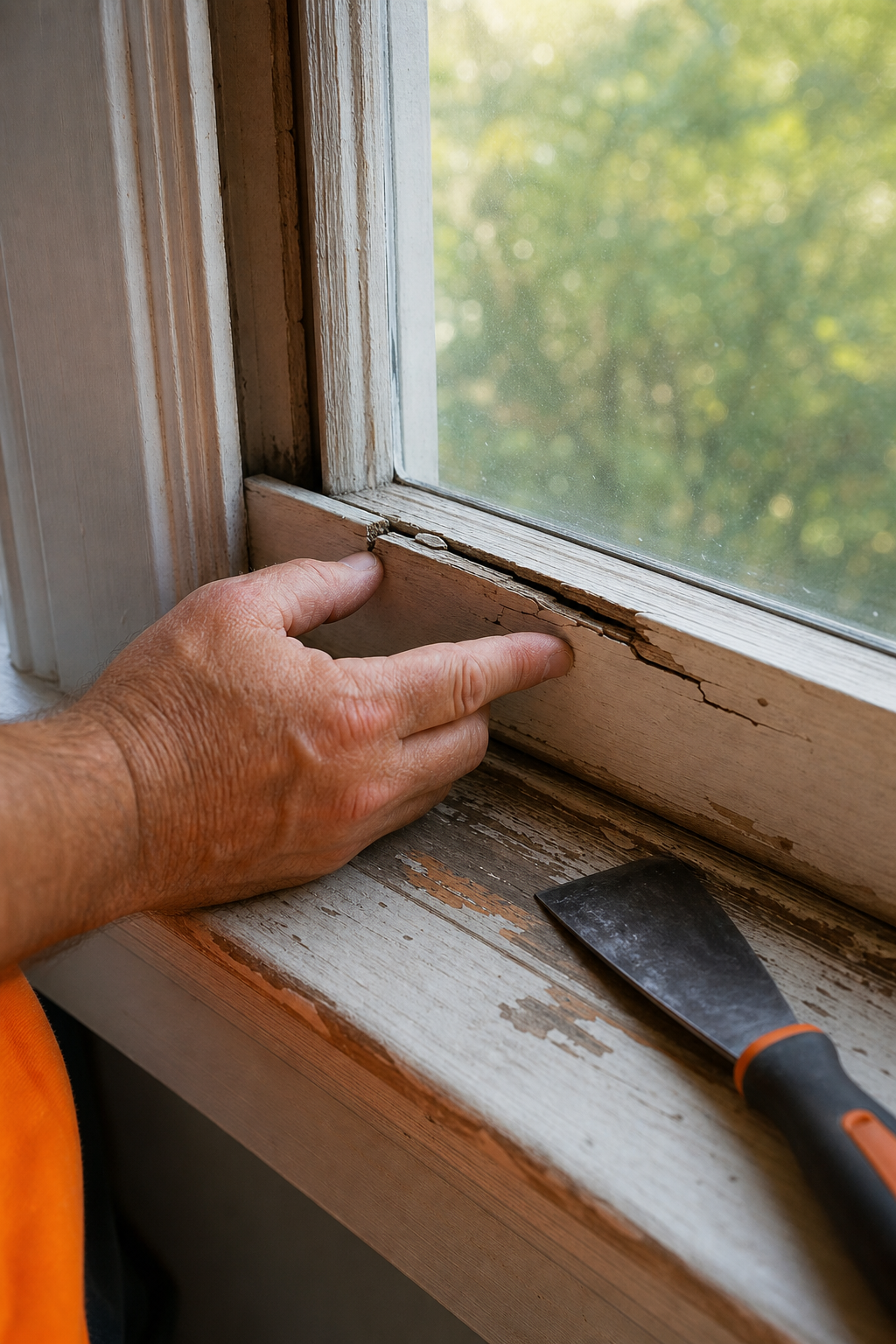
A cracked window sash can let in drafts, raise your energy bill, and make your home look rough. The good news? You can swap it out yourself if you're handy with a few tools. Here's exactly how to replace a cracked window sash, step by step.
Step 1: Assess the Damage and Gather Tools
The first step is to figure out whether you need to replace just the sash or the whole window. Look for rot in the frame, broken glass, or damaged weatherstripping. If the frame is solid and only the sash is cracked or broken, you're in good shape for a DIY repair.
Gather these tools before you start: a flat pry bar, utility knife, hammer, tape measure, screwdriver (straight and Phillips), putty knife, and safety glasses. You'll also need a replacement sash that matches the exact size and style of your current one. If you're unsure about measurements, professional window repair services can help you order the right part.
Key Takeaway:Only replace the sash if the frame is still sound. Otherwise, invest in a full window replacement.
For a detailed overview of sash and sill damage, on window sash repair from Rotten Window Repair.
Step 2: Remove the Old Window Sash
Start by removing any stops or interior trim that holds the sash in place. Use a utility knife to cut any paint seals so you don't tear the wood. Pry the stops off carefully with a flat pry bar. Set them aside in a safe spot, you'll reuse them later.
Once the stops are off, tilt the sash inward. If it's a double-hung window, push the sash to one side to release it from the tracks. Lift it out and set it on a drop cloth. If the sash is heavy, get a helper. Watch this video tutorial on removing window sashes for a visual walkthrough.
By now you should have the old sash out and the opening clean. Brush away any loose paint or debris from the frame.
Step 3: Measure and Order a Replacement Sash
Measure the width and height of the window opening at three points each (top, middle, bottom for width; left, center, right for height). Use the smallest measurement to ensure a snug fit. Record the thickness of the old sash as well. A sash that's too thick won't slide, and one too thin will rattle.
Order a replacement sash from a local hardware store or online supplier. Make sure it matches your window type (single-hung or double-hung) and material (wood, vinyl, or fiberglass). Prices vary widely: according to Fixr, a replacement sash can cost between $250 and $3,000 depending on material and size. If you want to save the hassle, LGFMH Construction can source and install the right sash for you.
Pro tip: order a sash that comes pre-glazed if possible, it saves you the step of setting glass yourself.
Step 4: Install the New Window Sash
Carefully lift the new sash into the opening. For double-hung windows, insert the top sash first, then the bottom. Make sure the sash sits evenly in the tracks. Press it firmly into place, but don't force it.
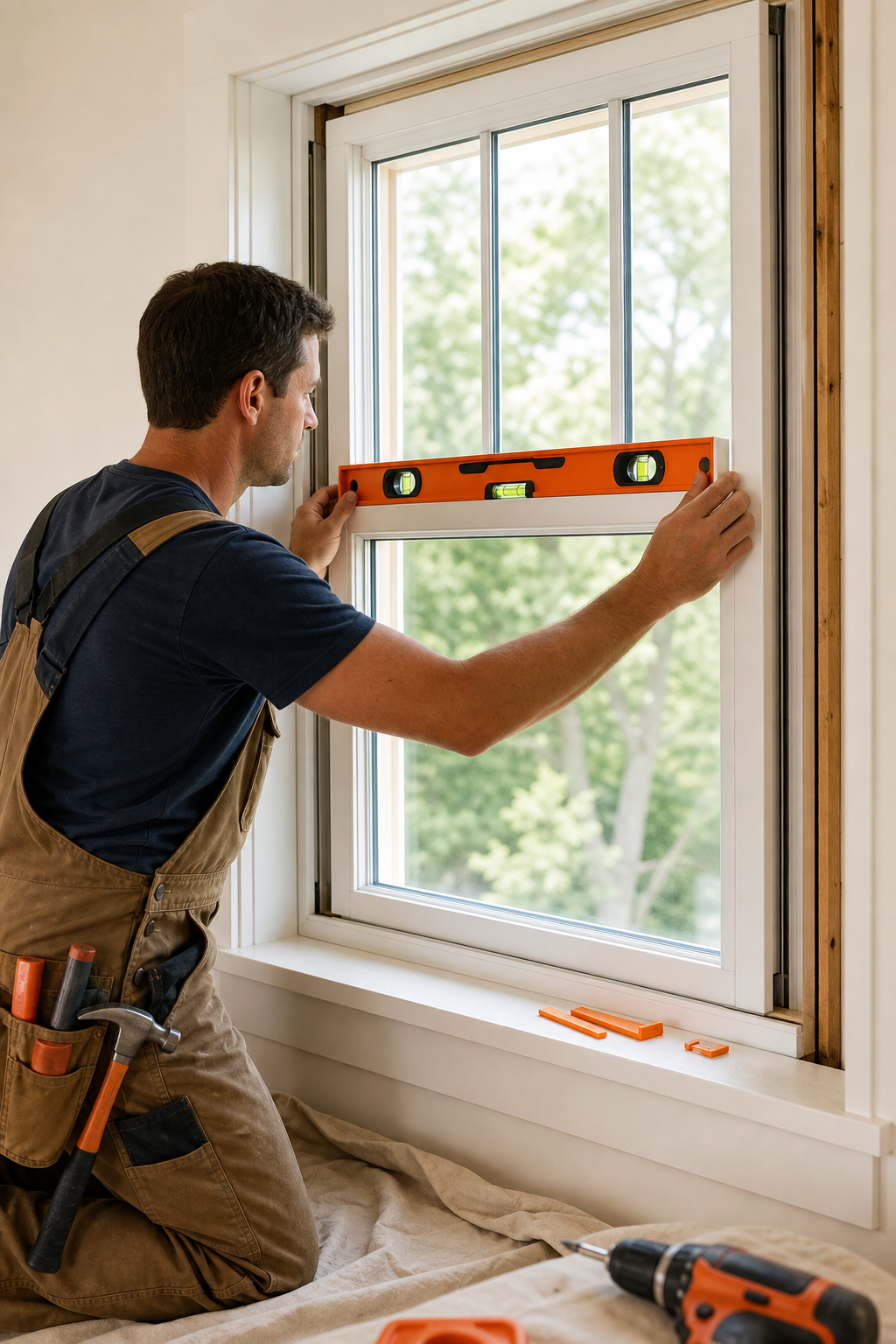
Reattach the interior stops you removed earlier. Use the same screw holes if possible. If the stops are damaged, replace them with new ones to ensure a tight seal. For detailed installation tips, see this video on sash installation.
Check that the sash opens and closes freely. If it sticks, sand or plane the edges lightly, don't remove too much. A well-fitting sash should glide without resistance.
Step 5: Test and Adjust the Sash
Open and close the sash a few times to make sure it operates smoothly. Listen for scraping sounds and look for gaps when closed. If you see daylight around the edges, the sash isn't sitting flush. Adjust the stops on the tight side to compress the sash against the weatherstripping.
You can also use shims under the sash to fine-tune the fit. For double-hung windows, test both sashes independently. A sash adjustment guide on YouTube shows common fixes for sticky or loose sashes.
Pro Tip:Spray silicone lubricant on the tracks at this stage to keep the sash sliding smoothly for years.
Step 6: Finish with Weatherstripping and Paint
Apply new weatherstripping around the sash to seal out drafts. Choose the type that matches your existing one: V-strip, foam tape, or metal. Cut it to length and press it into place along the sides and top of the sash.
If the sash is wood, prime and paint it to match the rest of the window. Use a high-quality exterior paint that resists moisture. Let the paint cure fully before using the window. For a visual demo, check out this weatherstripping installation video.
Once everything is painted and sealed, you're done. Your window should look like new and cut down on drafts.
Frequently Asked Questions
How much does it cost to replace a window sash?
Replacing a sash costs between $250 and $3,000 on average, depending on material, size, and whether you hire a pro. DIY saves the labor fee but requires buying tools and a replacement sash.
Can I replace just the sash or do I need a new window?
You can replace just the sash if the frame, tracks, and sill are in good shape. If the frame is rotted or the window is very old, it's better to replace the whole window.
How do I know my window sash size?
Measure the width and height of the window opening at three points each and use the smallest measurement. Also measure the thickness of the old sash. Most replacement sashes come in standard sizes but can be custom ordered.
Is replacing a window sash a DIY job?
Yes, if you have basic carpentry skills and the right tools. The process takes a few hours. For complex windows or if you're not comfortable, hire a pro like LGFMH Construction.
What is a window sash?
A window sash is the part of the window that holds the glass and can move. In double-hung windows, both sashes slide up and down. In single-hung, only the bottom sash moves.
What tools do I need to replace a window sash?
You'll need a pry bar, utility knife, hammer, tape measure, screwdrivers, putty knife, safety glasses, and a replacement sash. Optional tools include a level, shims, and silicone lubricant.
Conclusion
Replacing a cracked window sash is a manageable DIY project that saves you money and improves your home's comfort. Follow these steps carefully, and you'll have a functional window in no time. If the job feels too big or you run into rot or broken frames, LGFMH Construction offers expert window repair and replacement services. Get a free estimate today.


Comments