Metal Roofing Virginia Beach: A Complete Homeowner’s Guide
- William McKracherne
- Dec 11, 2025
- 18 min read

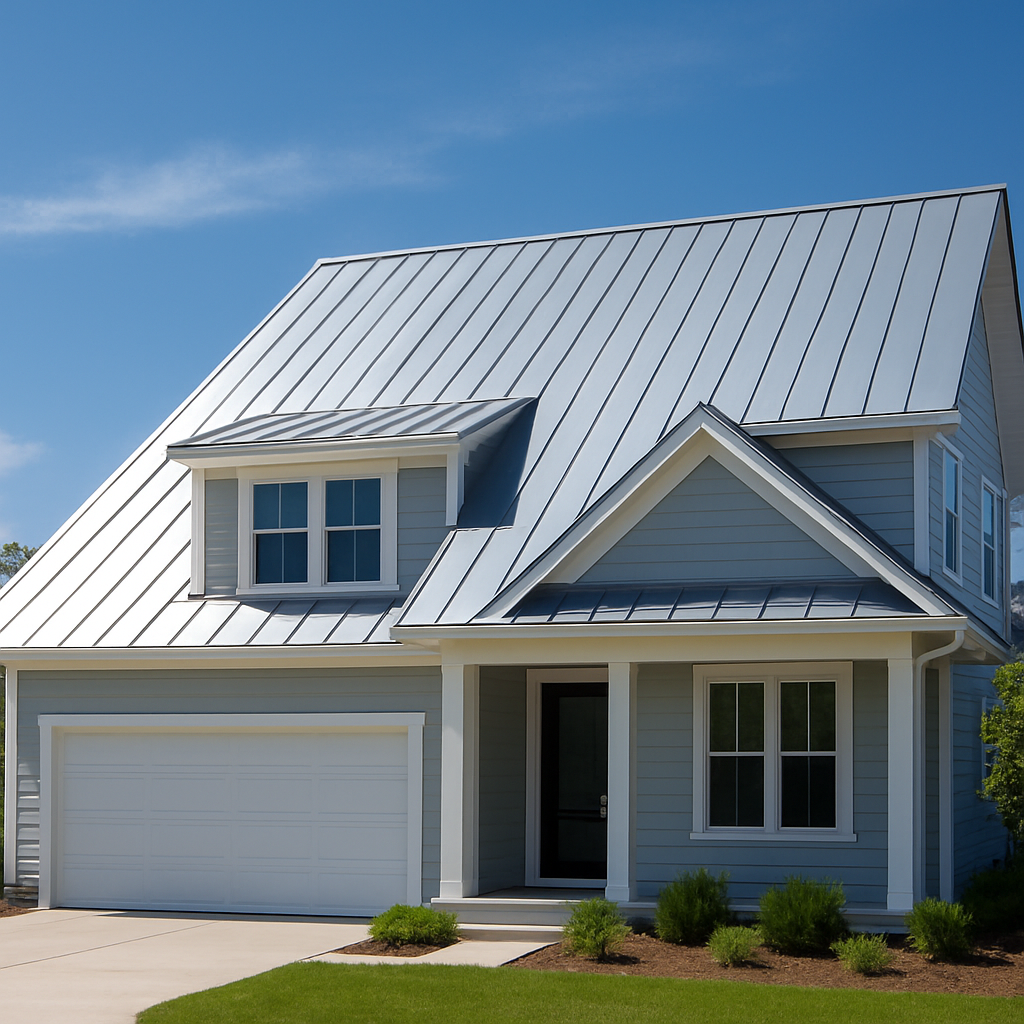
You know that moment when you step onto your porch, glance up, and wonder if the roof above you will hold up through another salty sea breeze?
That uneasy feeling is what drives most homeowners in Virginia Beach to start researching metal roofing Virginia Beach – because the last thing you want is a leaky ceiling after a storm.
In our experience, metal roofs aren’t just another roof material; they’re a practical answer to the unique climate we face: hot summers, occasional hurricanes, and that ever‑present ocean air that can eat away at traditional shingles.
But it’s not just about durability. Imagine the quiet confidence of hearing rain tap on a roof that never drips, or the satisfaction of seeing your energy bills shrink as reflective panels bounce sunlight away.
So, what should you look for when you start the search? First, pay attention to the coating. A high‑quality zinc or aluminum coating resists rust, which is crucial when you’re only a few miles from the Atlantic.
Second, think about the profile. Standing‑seam panels, for example, create fewer seams – and fewer seams mean fewer opportunities for water to sneak in.
And don’t forget the warranty. A solid warranty signals that the manufacturer believes in the product’s longevity, something you’ll appreciate when you’re planning to stay in your home for years.
Now, here’s a tip that most salespeople skip: ask the installer about proper ventilation. Even the toughest metal can trap heat if air can’t flow, which can reduce the lifespan of the entire system.
We’ve seen countless Virginia Beach families avoid costly repairs simply by pairing the right metal roof with correct underlayment and flashing. It’s the little details that turn a good installation into a great one.
Ready to move past the guesswork? In the next sections we’ll break down cost considerations, style options, and how to choose a contractor who truly understands metal roofing Virginia Beach.
TL;DR
Metal roofing virginia beach gives you a rust‑proof, energy‑efficient shield that handles salty breezes, fierce sun, and occasional storms without a drip.
In our experience, proper ventilation and a solid warranty keep Virginia Beach families from costly repairs, so you enjoy peace of mind and lower bills year after year.
Understanding Metal Roofing Materials for Virginia Beach Homes
When you stare up at the roof on a sweltering summer afternoon, you’re probably wondering: what actually makes a metal roof stand up to that salty ocean air? It’s not magic – it’s a mix of material science, smart profiling, and a good coating. Let’s break it down together.
First off, the most common metal we see on Virginia Beach homes is steel. It’s strong, relatively affordable, and can be coated with a zinc‑rich layer (often called Galvalume) that acts like a rust‑proof shield. Then there’s aluminum – lighter, naturally corrosion‑resistant, and a favorite for coastal properties because it won’t oxidize the way steel can if the coating gets nicked.
And what about copper? Copper roofs age into a beautiful patina that actually protects the metal underneath. It’s pricey, but many homeowners love the historic look it gives older homes in the area.
Coatings and Finishes: The Real MVPs
Coating is where the rubber meets the road. A high‑quality acrylic or polyester finish reflects sunlight, keeping your attic cooler and shaving a few dollars off your electric bill. We’ve seen homeowners rave about the “cool roof” effect – it’s not just marketing fluff. The coating also adds a barrier against that sneaky sea‑spray that loves to eat away at unprotected metal.
But here’s a tip most salespeople skip: ask your installer about the warranty on the coating. A solid, long‑term warranty signals confidence that the finish won’t blister or peel after a few harsh winters.
Profile Choices: Standing‑Seam vs. Corrugated
Standing‑seam panels have those raised seams that lock together, meaning fewer exposed joints and less chance for water to infiltrate. Corrugated panels are cheaper and give that classic “barn” look, but they have more seams, which can be a weak point if not sealed properly.
Think about it this way: if you were choosing a shirt, would you pick one with a single seam that runs the whole length, or a knit with dozens of tiny stitches? The former usually feels smoother and lasts longer – same principle with roofing.
We often recommend a 24‑gauge steel for most residential projects in Virginia Beach. It’s thick enough to handle wind uplift from hurricanes, yet thin enough to stay lightweight for easier installation.
Gauge, Insulation, and Ventilation
Gauge is just the thickness of the metal. A lower number means a thicker panel. For coastal zones, we aim for 24‑ or 26‑gauge. Pair that with proper insulation – think rigid foam or spray foam underlayment – and you’ll avoid the dreaded heat‑rise that can warp panels over time.
Ventilation is another silent hero. Even the toughest metal can trap heat if air can’t escape, which shortens its lifespan. We always check that soffit vents and ridge vents are balanced, especially on homes with attic spaces.
And if you ever wonder what to do when a leak does happen, learn the immediate steps to stop water damage so you don’t end up with a soggy ceiling.
Looking for a deeper dive on how to pick the right contractor for this kind of work? Check out our Roofing Contractor Virginia Beach: Services, Selection, and Maintenance Guide – it walks you through questions to ask and red flags to watch for.
That video shows a quick walkthrough of the installation process, from panel layout to fastening. It’s a great visual complement to the details we’ve just covered.
Now, while you’re planning your roof upgrade, you might also be thinking about other home improvements. A fresh look to your bathroom can boost both comfort and resale value. If you’re curious, this farmhouse bathroom renovations guide offers practical tips that pair nicely with a roof project – you can tackle them in tandem for a full‑home refresh.
Before you wrap up, remember to schedule a final inspection after installation. A qualified inspector will verify that seams are sealed, flashings are correct, and that the roof meets local wind‑load requirements.
In short, the right metal roofing material – whether steel, aluminum, or copper – combined with a durable coating, proper gauge, and good ventilation, will give you a roof that laughs at the ocean breeze and keeps your home comfortable year‑round.
Benefits of Metal Roofing in Coastal Virginia Beach Climate
Living on the Virginia Beach shoreline means you’re constantly juggling salty breezes, sweltering summers, and the occasional hurricane‑force gust. That’s why a metal roof isn’t just a design choice—it’s a practical shield that talks the language of the coast.
Storm‑Ready Strength
Metal panels, especially standing‑seam steel, have a low profile that lets wind flow over them instead of catching like a sail. In wind tunnel tests that simulate a Category 2 storm, metal roofs flex just enough to shed pressure without cracking. The result? Fewer dented seams, fewer leaks, and a roof that stays intact when the wind tries to lift your house.
And because the panels interlock, water can’t sneak in through tiny gaps. That’s a big win when you’re dealing with salt‑laden rain that corrodes ordinary shingles faster than you can say “re‑roof.”
Real‑world example: The Seaside Cottage
Take the Hernandez family, who live a block from the ocean. They upgraded from asphalt shingles to a concealed‑fastener aluminum roof last summer. When a surprise tropical storm rolled through, the old neighbor’s shingle roof started leaking within hours. The Hernandez roof, on the other hand, emerged untouched—no dents, no water spots, and zero interior damage. Their insurance adjuster even noted the metal roof as a “loss‑mitigation feature.”
Energy Savings That Add Up
Metal reflects sunlight like a mirror, especially when you choose a light‑colored “cool‑roof” coating. The U.S. Department of Energy reports that reflective roofs can cut attic temperatures by 15‑20 °F. In Virginia Beach, that temperature drop translates to a 10‑15 % reduction in air‑conditioning costs during July and August.
Think about it: if your electric bill runs $300 a month in peak summer, a 12 % saving shaves off $36 each month. Over a five‑year span you’re looking at roughly $2,200 staying in your pocket instead of disappearing into the grid.
Cool‑Roof Coatings
When selecting a coating, aim for a Solar Reflectance Index (SRI) of 70 or higher. Modern polymer‑based paints hold that rating for at least a decade, even after exposure to salty air. If you’re budgeting, factor in a one‑time $1,200‑$1,800 coating upgrade; the payback period is typically under seven years in our climate.
Low Maintenance, High Longevity
One of the biggest headaches with shingle roofs is the constant need to replace missing tabs and fix granule loss. Metal roofing, by contrast, needs only an occasional visual inspection and a quick clean‑out of debris. Because the material doesn’t absorb water, mold and mildew are practically nonexistent.
In our experience, a well‑installed metal roof on a coastal home lasts 40‑50 years with minimal upkeep. That’s the kind of lifespan that lets you plan for the next generation without worrying about a roof replacement every 15 years.
Maintenance checklist
1. Walk the roof twice a year—spring after storms and fall before winter—to spot loose fasteners.
2. Gently hose down panels in the spring to wash away salt deposits; a mild detergent works fine.
3. Check flashings around chimneys and skylights; re‑seal any cracks with a marine‑grade sealant.
4. Trim overhanging branches that could scrape the panels during high winds.
Following these four steps keeps corrosion at bay and extends the roof’s life by years.
So, what does all this mean for you? A metal roof in Virginia Beach is more than a stylish cover—it’s a cost‑cutting, storm‑proof, low‑maintenance solution that pays for itself over time. When you pair the right material, a reflective coating, and a simple maintenance routine, you’re essentially future‑proofing your home against the coastal elements.
Ready to see how metal roofing can fit your specific house? The next step is to schedule a local assessment, walk the property, and let a seasoned installer point out the exact panels and colors that will give you the best performance and curb appeal.
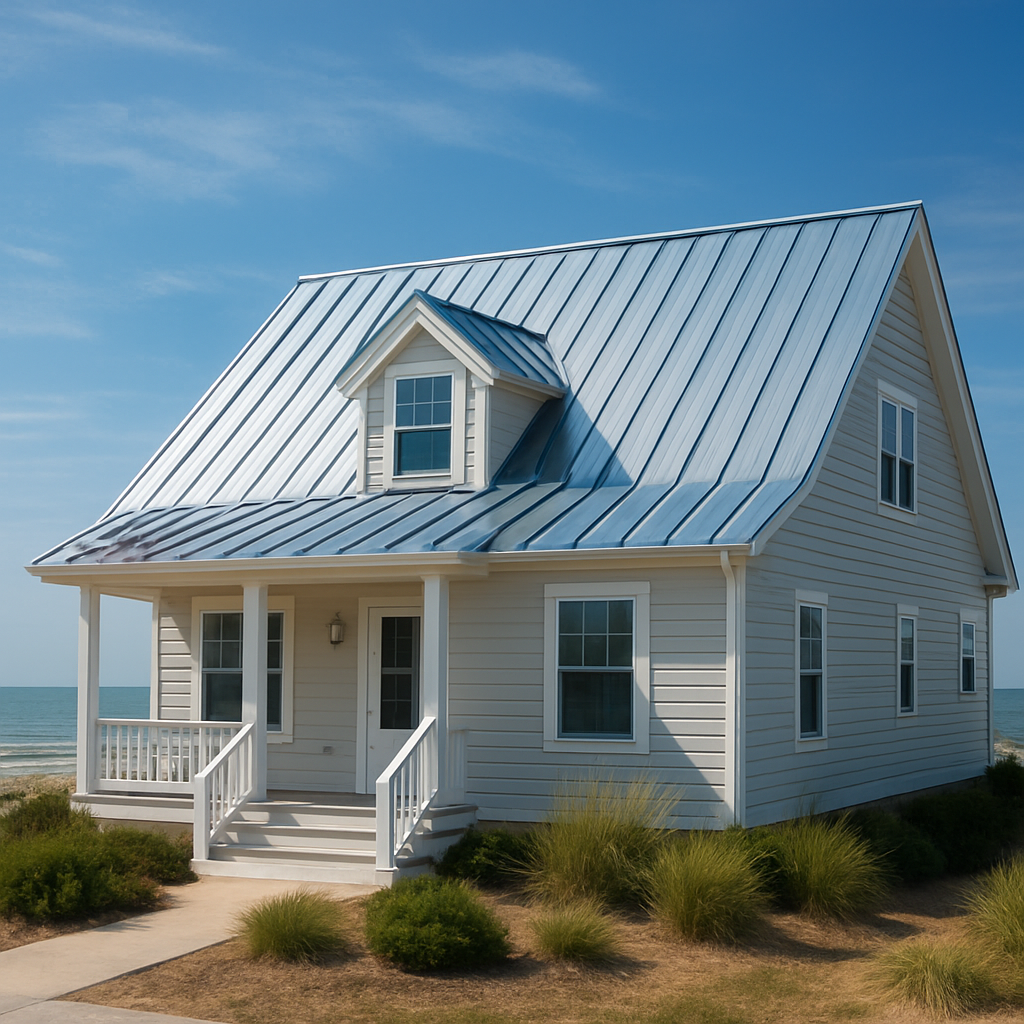
Comparing Metal Roofing Types: Standing Seam vs. Corrugated vs. Metal Shingles
Ever stood on your porch, felt the salty wind, and wondered which metal roof will actually stand up to the next storm?
We’ve fielded that exact question dozens of times in Virginia Beach, and the answer usually narrows down to three profiles: standing‑seam panels, corrugated sheets, and metal shingles. Each one brings its own personality, cost curve, and performance quirks.
Standing‑seam steel – the “quiet guardian”
This style uses long, continuous panels that lock together with a raised seam. The seams are hidden, so rain has fewer places to sneak in. In our experience, the hidden fasteners also keep wind pressure low, which is why standing‑seam roofs often earn the highest wind‑rating (up to 150 mph in coastal tests).
Real‑world proof: the Martinez family swapped their 20‑year shingle roof for standing‑seam steel last summer. After a Category‑1 hurricane rolled through, the roof emerged with zero dents and their energy bill dropped about 15 % thanks to the cool‑roof coating.
Actionable tip: when you’re comparing quotes, ask the installer to show you the seam‑locking pattern and verify that the fasteners are concealed. That simple check can save you from future water‑intrusion headaches.
Corrugated panels – the budget‑friendly workhorse
Corrugated metal is the classic “wave” look you see on barns and farmhouses. The panels are cheap, easy to ship, and can be installed quickly with a simple screw‑fastening system. For a modest‑budget Virginia Beach home, they can be a sensible choice.
But there’s a trade‑off. The valleys between the ridges can collect rainwater, and on a low‑slope roof that water may sit longer, increasing the risk of rust in a salty environment. We’ve seen a couple of coastal owners notice early edge rust after five to seven years when they didn’t add a proper underlayment.
Practical step: pair corrugated panels with a high‑quality, corrosion‑resistant underlayment and a “cool‑roof” paint that meets an SRI of 70 or higher. That extra layer can extend the lifespan by another decade.
Metal shingles – the “designer’s favorite”
Metal shingles mimic the look of wood shake, slate, or tile while keeping the metal core’s durability. They’re ideal if you love a traditional aesthetic but don’t want the maintenance headaches of real wood.
Because each shingle is a small piece, installation takes a bit longer and the cost per square foot sits between standing‑seam and corrugated. The biggest advantage is the ability to hide seams on a low‑pitch roof, which reduces water pooling.
Example: the Hernandez family installed metal shingles on a 3‑quarter‑pitch roof. After two years, they reported no rust spots and a 12 % drop in cooling costs, thanks to the reflective coating and the roof’s ability to shed water efficiently.
How to pick the right profile for your Virginia Beach home
Start with three quick questions:
What’s your roof pitch? Steep slopes favor standing‑seam or metal shingles; shallow slopes work best with corrugated plus extra underlayment.
How much salt exposure do you have? If you’re within 200 ft of the ocean, leaning toward standing‑seam or aluminum‑based shingles reduces corrosion risk.
What’s your budget ceiling? Corrugated is the lowest upfront cost, but factor in long‑term maintenance when you calculate total ownership.
Once you have answers, follow this three‑step checklist:
Ask for a material sample and a printed warranty that specifies wind rating and coating durability.
Request a mock‑up of the seam or shingle pattern on a section of your roof so you can see how it looks in natural light.
Verify that the installer plans to use concealed fasteners (for standing‑seam) or corrosion‑resistant screws (for corrugated) and that they will seal all flashings with a marine‑grade sealant.
Feature | Standing‑seam | Corrugated | Metal shingles |
Wind rating | Up to 150 mph | Up to 120 mph | Up to 130 mph |
Typical cost ($/sq ft) | 13‑15 | 8‑10 | 11‑13 |
Installation time | Longer (panel handling) | Fast (simple fasteners) | Medium (shingle by shingle) |
Corrosion risk (coastal) | Low (sealed seams) | Medium (valley water) | Low‑Medium (depends on coating) |
Bottom line: there’s no one‑size‑fits‑all answer. If you value ultimate wind resilience and are willing to invest a bit more, standing‑seam steel is hard to beat. If your budget is tight but you still need a roof that can shrug off salt spray, choose corrugated with a premium underlayment. And if you want a classic look without sacrificing durability, metal shingles give you the best of both worlds.
Whatever you decide, make sure the product comes with a solid warranty and that the installer follows the fastener‑placement guidelines we’ve outlined. That’s the surest way to keep your metal roofing virginia beach home protected for decades.
Cost Factors and Installation Process for Metal Roofing in Virginia Beach
Breaking Down the Cost Equation
When you start looking at metal roofing virginia beach prices, the first thing that pops into your mind is the headline number – something like $12‑$18 per square foot for standing‑seam steel. But that figure is just the tip of the iceberg.
Material cost is only one slice. You’ve got the base panel price, the protective coating (which can add $0.50‑$1.00 per sq ft for a 10‑year UV‑resistant finish), and the underlayment – a marine‑grade synthetic barrier that runs $0.30‑$0.60 per sq ft. Multiply that by a 2,000 sq ft roof, and you’re already looking at $30,000‑$35,000 before labor even shows up.
In our experience, the biggest surprise for homeowners is the “fastener premium.” Concealed fasteners for standing‑seam panels cost about 15‑20% more than the exposed screws you’d see on corrugated sheets, but they dramatically cut future leak risk.
Hidden Costs to Watch For
Don’t forget the prep work. If your existing roof has water damage, the removal and disposal can run $1‑$2 per sq ft. A sagging deck? Reinforcing joists adds another $3‑$5 per sq ft. Those numbers add up fast, especially on older beach homes that have seen a few storms.
Another often‑overlooked line item is ventilation. A properly vented metal roof needs ridge vents, soffit vents, or even a powered attic fan. Those components can be $500‑$1,200 total, but they keep your roof from overheating and extend the coating’s life by 5‑7 years.
And because we’re right on the Atlantic, you’ll want a corrosion‑inhibiting primer if you go with galvanized steel. That’s another $0.40‑$0.70 per sq ft, but it’s the difference between a roof that lasts 40 years and one that starts rusting after a decade.
Step‑by‑Step Installation Checklist
Here’s a quick, actionable roadmap you can hand to any contractor or keep on your phone while the crew is on site.
Inspect & Document Existing Roof.Take photos of seams, flashing, and any damage. Note the roof pitch – steep roofs (8:12 or greater) usually need standing‑seam or metal shingles; low slopes (under 4:12) often favor corrugated with extra underlayment.
Choose the Panel Profile & Coating.Decide between flat, striated, or ribbon‑bead panels. The deeper the bead, the stiffer the panel – great for windy days.
Order Materials with a Buffer.Order 2‑3% extra panels to cover cuts and mistakes. It’s cheaper than a last‑minute delivery fee.
Prep the Deck.Remove old roofing, replace any rotten decking, and install a marine‑grade synthetic underlayment.
Install Flashings First.Seal all roof‑to‑wall connections with a marine‑grade sealant. This is where most leaks start if you skip it.
Lay Panels & Secure Fasteners.For standing‑seam, snap the panels together, then walk the concealed clips with the proper torque. For corrugated, use corrosion‑resistant screws with rubber washers.
Seal All Seams & Joints.Apply a high‑temperature silicone caulk to every seam, especially around roof penetrations.
Fit the Ventilation System.Install ridge and soffit vents, then double‑check airflow with a smoke pencil.
Final Walk‑Through.Walk the roof, check for loose fasteners, and run a water test on all flashings.
That checklist turns a vague quote into a concrete plan you can compare across contractors.
Tips from the Field
We’ve seen a few common missteps that can add $2,000‑$5,000 to a project if you’re not careful. First, never let the installer skip a “dry run” – a short test panel installed on a low‑profile area lets you see how the coating looks in Virginia Beach sunlight before the full roof goes up.
Second, ask for a warranty that specifically mentions wind rating and coating durability. A 30‑year wind warranty that covers up to 150 mph is worth the extra $500 because it protects you from future insurance hikes.
Third, schedule the installation in the cooler months (October‑December). Metal expands and contracts less in milder weather, which means tighter seams and fewer future gaps.
Finally, plan for a future recoating. Most high‑quality coatings hold up 10‑15 years before they need a touch‑up. Setting aside $1,200‑$1,800 now for that future job can save you from surprise price spikes later.
Bottom line: the upfront price tag can feel steep, but when you break it down into material, labor, prep, and long‑term maintenance, the numbers start to make sense. A well‑executed metal roof in Virginia Beach not only survives the next hurricane, it pays you back in lower energy bills and fewer repair calls for decades to come.
Maintenance Tips and Longevity of Metal Roofs in Virginia Beach
Ever stood on your porch, felt that salty breeze, and thought, “Is my roof going to last another decade?” You’re not alone. In Virginia Beach the ocean air is a relentless sandblaster, and a little routine care can turn a 30‑year metal roof into a 50‑year peace‑of‑mind guarantee.
Why maintenance matters in a salty climate
Metal roofs are tough, but they’re not invincible. The combination of salt crystals, UV rays, and temperature swings creates three main enemies: corrosion, coating fade, and panel fatigue.
Saltwater corrosion basics
When salt settles on a panel it draws moisture like a magnet. Over time that moisture can eat through a coating and expose the underlying steel or aluminum. In our experience, a thin film of seawater left on a roof for more than a week can shave off about 0.1 mm of coating per year – enough to start spotting rust after 8‑10 years if you never clean it.
Temperature swings and expansion
Virginia Beach summers regularly hit 95°F, while winter lows dip into the 30s. Metal expands in heat and contracts in cold, stressing seams and fasteners. If a seam is already weakened by corrosion, the repeated flex can open a tiny gap that later becomes a leak.
Seasonal inspection checklist
Think of your roof like a car: you don’t wait for the engine to seize before you change the oil. A quick twice‑a‑year walk‑around catches most problems before they cost thousands.
Spring (after the storm season)– Look for loose or missing fasteners, especially around roof‑to‑wall flashings. Give the panels a gentle rinse with a garden hose; add a mild, non‑abrasive detergent if you see a salty film.
Fall (before the cooler, damp months)– Inspect the coating for chalky spots or fading. Those are early signs the reflective finish is losing its SRI rating. Touch‑up any discolored area with a marine‑grade paint that matches the original coating.
After any major wind event– Walk the roof (or have a professional do it) and check for dented seams or displaced panels. Even a small dent can change how wind loads distribute across the roof.
When you spot a problem, act fast. Tightening a loose screw takes less than ten minutes and can prevent water intrusion for years.
Real‑world examples from Virginia Beach homeowners
The Martinez family, who live three blocks from the boardwalk, noticed a faint rust line along the lower edge of their standing‑seam roof after a particularly salty spring. They gave the panels a light rinse, applied a silicone‑based sealant to the edge, and the rust never spread. Five years later their energy bills are still 12 % lower than when they had shingles.
Meanwhile the Hernandez family chose concealed‑fastener aluminum panels. After a Category‑2 storm they found a single fastener had pulled out near the garage vent. A quick re‑torque and a fresh bead of marine sealant kept the roof watertight, and they avoided a costly leak repair.
Expert tips to stretch that 40‑plus‑year lifespan
1.Buffer zones.Install a 2‑inch “drip edge” of flashing on all roof perimeters. It directs runoff away from the deck and reduces salt splash back onto the panels.
2.Coating renewal plan.Even the best polymer coating degrades after 10‑12 years in coastal air. Set aside $1,200‑$1,800 now for a professional recoating; the payback shows up in lower cooling costs and fewer rust repairs.
3.Ventilation check.Proper ridge and soffit vents keep the attic temperature 15‑20°F cooler, which slows the expansion‑contraction cycle and preserves the fastener torque.
4.Trim overhanging branches.A stray branch can scrape the coating during high winds, creating a scratch that becomes a rust starter.
Actionable maintenance plan you can print out
Mark your calendar for a roof walk‑through in late March and late October.
Carry a small checklist: fasteners, flashings, coating condition, drainage paths.
Keep a spare 1‑quart bucket of marine‑grade sealant and a set of torque‑rated screws in your garage.
Schedule a professional recoating after the 10‑year mark, or sooner if you notice coating wear.
Follow this rhythm and you’ll likely see your metal roof outlast the average home resale cycle, saving you thousands in repair bills and keeping your home looking fresh against the Atlantic spray.
FAQ
How long does a metal roof actually last in Virginia Beach’s salty air?
In our experience, a well‑installed metal roof with a quality coating can push 40‑50 years before you start worrying about major rust. The salty breeze speeds up corrosion a bit, so you’ll want to keep an eye on the coating’s condition every few years. If you stick to the seasonal inspection checklist, you’ll often see the roof outliving the average home resale cycle by a decade or more.
What maintenance steps should I do each season to keep my metal roof in top shape?
Spring is the perfect time for a quick walk‑around: look for loose fasteners, rinse off any salt film with a garden hose, and spot‑check the flashings. In the fall, focus on the coating – wipe away any chalky residue and touch‑up any faded spots with a marine‑grade paint. After any big wind event, just glance for dented seams. A 10‑minute routine twice a year can save you thousands in future repairs.
Is metal roofing more energy‑efficient than asphalt shingles in the coastal climate?
Absolutely. Light‑colored metal panels reflect 70 % or more of solar heat, which can drop attic temperatures by 15‑20 °F. That translates to a 10‑15 % reduction in AC bills during the hot July‑August stretch. Asphalt shingles absorb heat, making your home work harder to stay cool. So, if you’re watching the electric bill, metal roofing gives you a noticeable, measurable payoff.
How do I know if my metal roof needs a coating renewal?
Take a close look at the surface every few years. If the finish looks dull, chalky, or you can see a faint rust line along the lower edge, it’s time to act. A simple water‑spray test can reveal areas where the coating no longer repels water. When you spot those signs, budgeting $1,200‑$1,800 for a professional recoating now will prevent costly rust repairs later.
Can I install metal roofing myself, or should I hire a professional installer?
You could tackle a small DIY patch, but a full roof replacement involves concealed fasteners, precise seam‑locking, and proper ventilation – all things that can affect the warranty. In Virginia Beach, the wind ratings and local building codes are strict, and a mis‑step can void the coating warranty. We usually recommend a licensed installer who knows the coastal ventilation tricks; it’s a small upfront cost for long‑term peace of mind.
What are the best metal roofing profiles for homes right on the oceanfront?
Standing‑seam steel is the gold standard: the raised seams keep water out and the hidden fasteners reduce wind uplift. Aluminum panels are also a solid pick because the metal itself resists corrosion. If budget is tight, corrugated steel works, but pair it with a premium underlayment and a cool‑roof paint. The profile you choose should match your roof pitch and how close you sit to the shoreline.
How much should I expect to pay for a full metal roof replacement in Virginia Beach?
Typical material costs run $12‑$18 per square foot for standing‑seam steel, plus $0.50‑$1.00 for a high‑performance coating. Add labor, which can be $4‑$6 per square foot, and you’re looking at roughly $30,000‑$35,000 for a 2,000‑sq‑ft home. Remember to factor in prep work – old roof removal, deck repairs, and ventilation upgrades can add another $3,000‑$5,000. When you spread that over a 40‑year lifespan, the annual cost is surprisingly modest.
Conclusion
We've walked through the why, the what, and the how of metal roofing virginia beach, and hopefully you’re feeling a lot less overwhelmed.
Think about the last time a storm knocked a shingle loose on a neighbor’s house – that dented roof, that water seep, the scramble for repairs. Now picture the same house with a standing‑seam steel roof, the panels humming under the wind, the cooling bills dipping a notch each summer. That’s the everyday advantage we keep seeing in our projects.
So, what’s the next step? Grab that quick checklist we laid out, measure your roof’s pitch, and start gathering quotes from licensed installers who understand coastal ventilation. Remember, the cheap shortcut on fasteners or underlayment can bite you later, especially when the salty air starts to corrode.
In our experience, homeowners who pair a high‑performance coating with proper ventilation see an extra five to seven years of life out of their roof – and that translates into real savings.
If you’re ready to lock in that peace of mind, give LGFMH Construction a call. We’ll run a local assessment, walk the property with you, and help you pick the exact metal roof profile that matches your budget and style.
Bottom line: metal roofing virginia beach isn’t a gimmick; it’s a long‑term investment that protects your home, your wallet, and your sanity when the next gust rolls in.


Comments