Pressure Washing Guide: Essential Techniques, Safety Tips, and Cost‑Effective Strategies
- William McKracherne
- Feb 24
- 17 min read

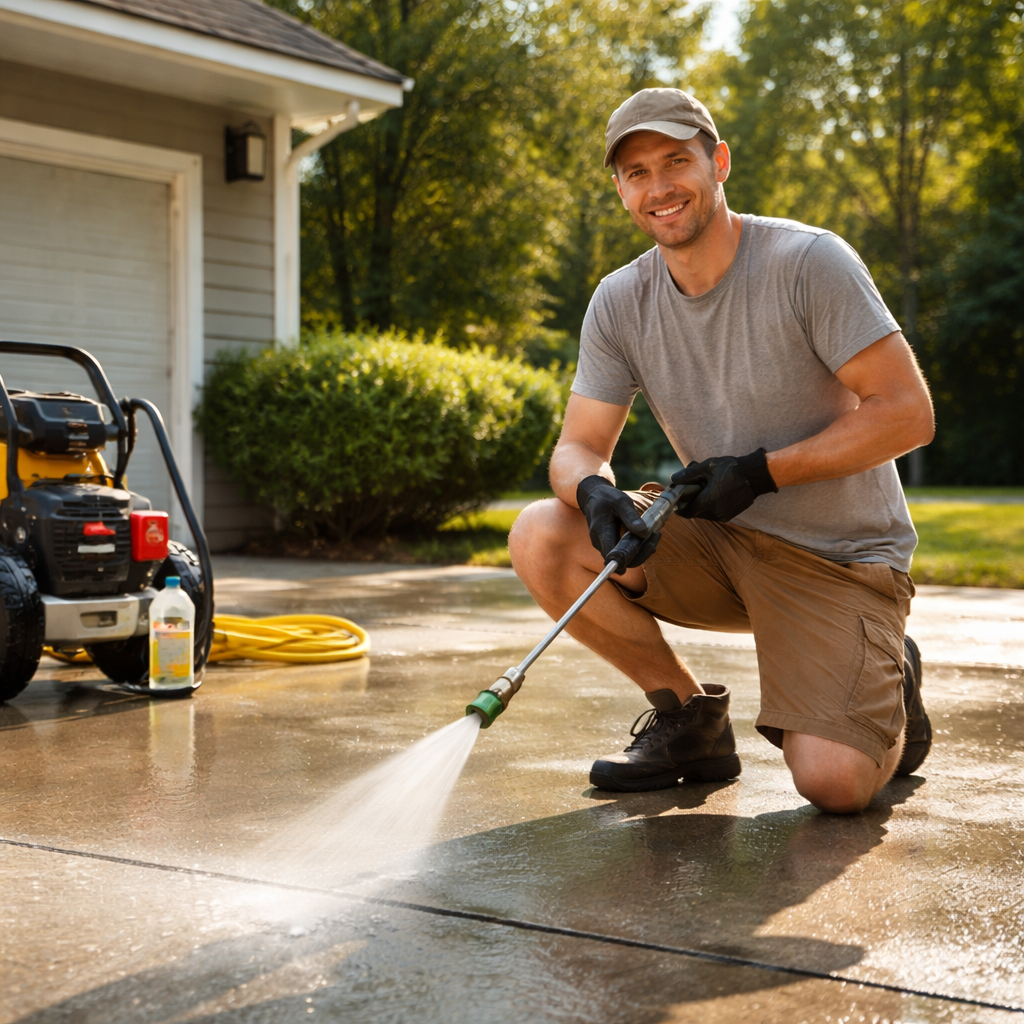
Ever stared at a grimy driveway, a mildew‑stained siding, or a patio that looks like it survived a construction site, and thought, “I wish there was a magic wand for this?”
You’re not alone . Most homeowners discover that a quick rinse just isn’t enough; the dirt has settled deep, and ordinary hoses leave a film that only gets worse over time. That’s where pressure washing steps in – a high‑pressure stream that blasts away years of grime in minutes, revealing the surface underneath.
In our experience at LGFMH Construction, we’ve seen pressure washing turn a tired curb appeal into a fresh first impression, sometimes even adding a few thousand dollars to a home’s resale value. One recent project in Tampa: a 2,500‑sq‑ft deck was covered in salt residue from ocean breezes. After a single pass with the right pressure settings, the wood looked brand‑new, and the homeowner avoided costly replacement.
But before you point a hose at everything, there are a few basics you should get right. First, match the pressure to the material – 1,500 psi is fine for concrete, but wood and painted surfaces need 1,200 psi or less to avoid gouging. Second, pick the correct nozzle: a 0‑degree tip concentrates power for stubborn stains, while a 25‑degree tip spreads the flow for gentle cleaning. Third, always test a small, hidden area to confirm you won’t damage the surface.
Here’s a quick three‑step checklist you can follow right now:
Identify the surface type and choose the appropriate psi and nozzle.
Pre‑wet the area with a garden hose to loosen loose debris.
Start at the lowest pressure, move in smooth overlapping strokes, and increase only if needed.
Safety matters, too. Wear eye protection, keep the spray wand pointed away from people and pets, and never aim at electrical outlets. If you’re unsure about the right settings, our Essential Pressure Washing Guide walks you through each decision point with photos and tips.
So, does pressure washing sound like the shortcut you’ve been looking for? Give those steps a try on a small patch, and you’ll see the difference instantly. When the results speak for themselves, you’ll wonder why you ever settled for a dull, dirty exterior.
TL;DR
If you’re fed up with stubborn grime on driveways, decks, or siding, pressure washing can blast away years of dirt in minutes while protecting surfaces.
Follow our quick three‑step checklist—choose the right psi, pre‑wet, and start low—to achieve spotless results without costly repairs and you’ll see the difference instantly today.
Step 1: Preparing Your Surface and Equipment
Before you even fire up the wand, take a moment to look at the area you’re about to clean. Does the driveway have oil stains that have set in like old coffee rings? Is the deck wood that’s been weather‑worn for years? Recognizing what you’re dealing with helps you pick the right tools and avoid a costly mishap.
Gather the right gear
First off, you’ll need a pressure washer that matches the surface. For concrete, a 1,500–2,000 psi unit is usually safe; for wood, vinyl siding, or painted surfaces, stay under 1,200 psi. If you’re not sure, start low—you can always crank it up later.
Next, swap out the nozzle. A 25‑degree tip spreads the water for gentle cleaning, while a 0‑degree tip is a laser‑like blast for stubborn grime. Keep a spare 40‑degree tip handy for extra‑delicate areas like window frames.
Prep the surface
Give the area a good rinse with a garden hose. This washes away loose debris—leaves, sand, or pet hair—that would otherwise scratch the surface when the high‑pressure stream hits.
While the water’s still running, inspect for loose boards, cracked siding, or any electrical outlets nearby. Tape off outlets and cover delicate fixtures with plastic sheeting. A quick visual scan can save you from a surprise gouge or an electrical short.
And if you spot mildew or algae, apply a biodegradable cleaner now. Let it sit for five minutes; the surfactants will break down the bio‑film, making the pressure wash far more effective.
Safety first
Slip‑proof shoes, safety goggles, and gloves are non‑negotiable. The water jet can bounce back with enough force to cause injury. Keep the wand angled away from people, pets, and anything that could be knocked over.
Check the hose connections for leaks before you start. A leaky hose can drop pressure dramatically, turning a powerful clean into a weak drizzle.
Now that everything’s set, you’re ready for the fun part. Remember, the goal isn’t just to blast away dirt—it’s to protect the material underneath, so take it slow and steady.
Watch the short video above for a visual walk‑through of the setup. Seeing the wand angle and nozzle change in action makes a world of difference when you’re standing on the deck with a hose in hand.
After the video, grab a bucket of clean water and do a quick test strip on a hidden corner of the surface. If the paint or sealant doesn’t peel, you’re good to go. If it does, lower the pressure or switch to a wider‑angle tip.
Once you’ve confirmed the settings, you can start at the far end of the surface and work toward you. Overlap each pass by about 25% to avoid streaks. Keep the wand moving—staying in one spot for too long can etch the material.
When you’re done, give the area a final rinse with plain water to wash away any leftover cleaning solution. Let it dry naturally; if you see water spots, a quick squeegee can help.
That’s the whole preparation checklist—surface check, equipment match, safety gear, and a quick test. Follow these steps, and you’ll set yourself up for a spotless finish without the guesswork.
Step 2: Selecting the Right Pressure Washer Settings
Choosing the right pressure washer settings isn't glamorous, but it's the heartbeat of a clean, safe job. In our experience at LGFMH Construction, if you punt on PSI or nozzle choice, you'll either leave grime behind or risk damaging the surface. So, what should you do next? Start by matching the pressure to the material you're cleaning and the task at hand.
First, identify the surface you're tackling. Concrete driveways generally tolerate higher power, while wooden decks and painted siding need a gentler touch. For most driveways, 1,500 to 1,800 psi hits the sweet spot. For delicate wood, drop to 1,200 psi or lower. If you’re unsure, begin with the lowest setting and test a hidden corner. Does this really work? This quick check acts as your safety net before you blast away grime.
Nozzle choice matters as much as PSI. A 25-degree tip is the workhorse for general cleaning, giving you broad coverage with less risk of gouging. A 0-degree nozzle should be reserved for stubborn graffiti or heavy grime and never on bare wood or painted surfaces. Remember: you’re not fighting gravity; you’re guiding the spray. Does that make sense?
Distance matters too. Keep the wand a safe distance from the surface—roughly 6 to 12 inches for flat concrete, a bit farther for vertical surfaces. Use overlapping passes so you don’t miss spots. If you see streaks or raised fibers, back off the PSI or switch to a wider nozzle.
For tough stains, let the cleaner do the heavy lifting. A mild detergent in the washer's soap dispenser can soften grime before you rinse. Rinse top-to-bottom to prevent new dirt from settling on freshly cleaned areas. And a little patience goes a long way.
Test spots are your best friend. Start on a hidden patch, observe how the material responds, and adjust. If paint bubbles or wood fibers lift, you’ve gone too hard. Dial back, swap to a wider nozzle, or switch to a milder approach.
Think about the surface like fabric you’re cleaning. Some finishes tolerate only gentle misting; others can take a stronger breeze. When in doubt, err on the lighter side and recheck after a small section rather than blasting across the whole surface.
Power is tempting, but control wins trust. Move smoothly, don’t rush, and keep the nozzle moving in consistent arcs. That reduces streaks and prevents pitting or etching on soft materials.
Safety is non-negotiable. Wear eye protection, protect nearby plants, and never aim at electrical outlets or people. If you’re cleaning near outlets, switch off breakers or cover sockets before you begin.
So, what should you do next? Create a simple plan: pick your starting PSI by material, select a sensible nozzle, and test on a hidden corner. If the test looks good, broaden your pass with overlapping strokes and monitor the surface as you go.
For a deeper dive into nozzle ranges, PSI budgets, and step-by-step photos, our Essential Pressure Washing Guide has you covered. It walks you through the decisions with clear visuals and practical tips. Essential Pressure Washing Guide: Step-by-Step Techniques for Spotless Surfaces.
Step 3: Applying Detergents and Pre‑Treatments
So you’ve prepped the surface and picked your pressure settings. Now we get to the part that actually loosens years of grime: detergents and pre‑treatments. Detergents break the oily films that cling to concrete, wood, and siding, while pre‑treatments sit on the stain longer to work their magic. You’ll see a big difference when you apply them thoughtfully rather than blasting everything with water.
Detergents: what to use and how
Detergents: what to use and how
Choose biodegradable, phosphate‑free detergents designed for pressure washing. They’re gentler on plants and soils and rinse away easier. Avoid dish soaps or heavy all‑purpose cleaners—they foam, leave residue, and can attract more dirt over time.
Always follow the label’s dilution directions. If your washer has a dedicated detergent dispenser, fill to the recommended line; if you’re mixing in a bucket, use the manufacturer’s ratios. Test a hidden area first to ensure the cleaner won’t discolor or damage the surface. Apply a light film to a damp surface and keep the wand moving to prevent pooling.
Next, work in manageable sections. Move from one area to the next with overlapping passes, and re‑wet as needed so the cleaner has a chance to work rather than drying out between passes.
Pre‑treatments: tackling stubborn stains
Pre‑treatments: tackling stubborn stains
For oil and grease on concrete, use a degreaser or a heavy‑duty detergent; apply directly to the spot, then let it dwell for 5–10 minutes. For mildew or algae on siding, a mildewcide or oxygen‑based cleaner often does the job without harsh scrubbing. Rust stains need a rust remover appropriate for the material; test first in an inconspicuous area to avoid color loss or etching.
When you’re dealing with plant beds or nearby greenery, protect them by dampening them first or applying cleaner cautiously along the edge so runoff doesn’t linger in the soil. Always rinse cleaners away before they dry on vertical surfaces, or you’ll leave a film that defeats the purpose of the treatment.
Application technique and dwell time
Application technique and dwell time
Apply detergents from bottom to top in a thin, even layer so the solution doesn’t slide off before it can work. Avoid letting cleaners dry on the surface—if you notice streaks, re‑wet and re‑apply a light coat. Give the product time to work; most pre‑treatments need 5–10 minutes of dwell time, longer for tougher stains, but don’t let them dry out.
Rinse planning matters too. After the dwell time, switch to a clean, pre‑wet surface and begin rinsing with a low‑to‑moderate spray angle. Keep the nozzle in motion, overlap each pass, and monitor for color changes, pitting, or fiber raise, which signal you should back off the pressure or switch to a milder option.
So, what should you do next? Start with a small patch, follow the dwell times, then move methodically across the surface. If you stay deliberate, you’ll prevent re‑contamination and keep surfaces looking fresh longer.
For a deeper dive into detergents, pre‑treatments, and technique, our Essential Pressure Washing Guide can help you dial in the specifics. Essential Pressure Washing Guide: Step‑by‑Step Techniques for Spotless Surfaces.
Step 4: Cleaning Common Surfaces (Decks, Driveways, Siding)
Now that you’ve got the right pressure and the detergent is doing its thing, it’s time to tackle the three surfaces that cause most homeowners headaches: decks, driveways, and siding. Each one reacts a little differently to the spray, so let’s break it down the way we do on a typical job in Tampa.
Decks – wood wants a gentle hand
First, walk the deck and sweep away leaves, twigs, and any loose debris. If you skip this step, you’ll end up sandblasting the wood with tiny projectiles.
Set your washer to 1,200 psi or less and attach a 25‑degree nozzle. Keep the wand about 12‑18 inches from the surface and move in the direction of the grain. Short, overlapping strokes prevent streaks and let the water lift the grime without gouging the wood.
Watch for raised fibers – that’s a sign you’re too close or the pressure is too high. Back off a few inches, or switch to a 40‑degree tip for a softer mist. Once the surface looks uniformly wet, give the detergent a five‑minute dwell, then rinse from the far end toward the house so runoff doesn’t pool on already‑clean areas.
Quick tip: after rinsing, sweep the deck again and spot‑clean any stubborn oil spots with a dedicated wood‑safe degreaser. A light sand‑paper pass once the wood is dry can restore a smooth feel without stripping the finish.
Driveways – concrete can take the heat
Concrete loves a higher PSI, but you still want to avoid etching. Start with a 1,500‑to‑1,800 psi setting and a 0‑degree nozzle only on the toughest oil stains; otherwise stick with a 25‑degree tip for even coverage.
Begin at the highest point of the driveway and work downhill. This natural gravity‑assisted flow carries the dirty water away, so you don’t have to chase a mess you just created.
If you notice the water beading up instead of soaking in, you’re either using too low a pressure or the surface is still sealed. Increase the pressure slightly or add a bit more detergent, then let it sit for another few minutes before the final rinse.
When the concrete looks uniformly light‑gray, switch to a low‑pressure rinse to pull any remaining detergent residue out. A clean driveway not only looks better; it also helps sealants adhere better if you decide to reseal later.
Siding – painted or fiber‑cement needs patience
Siding is the most finicky because you’re working on a vertical plane with paint or fiber‑cement that can blister under too much force. Keep the pressure at 1,200 psi or lower and use a 25‑degree tip held about 12 inches from the wall.
Start at the bottom and work upward, overlapping each pass by about 25%. This prevents drip lines and keeps the water from running down onto already‑clean sections.
If you see paint bubbling, you’ve gone too hard – pause, step back, and switch to a 40‑degree tip. For mildew or algae, a mild oxygen‑based cleaner works wonders; spray it on, let it fizz for five minutes, then rinse.
One last habit that saves you time: after the whole house is clean, walk around with a dry microfiber cloth and wipe any stubborn streaks. It’s a tiny extra step that makes the finish look showroom‑ready.
Feeling a bit overwhelmed? That’s normal. The trick is to treat each surface as its own mini‑project, rather than trying to blast everything at once. If you need a visual walk‑through of nozzle choices and PSI ranges, check out our Essential Pressure Washing Guide for step‑by‑step photos and safety tips.
Bottom line: pre‑wet, choose the right pressure, watch the wand distance, and rinse methodically. Follow these simple habits and you’ll keep decks, driveways, and siding looking fresh for years without costly repairs.
Step 5: Safety Practices and Environmental Considerations
Now that you’ve nailed the pressure and detergent settings, it’s time to think about the side of the job most people skim over – safety and the environment. If you’ve ever watched a neighbor’s hose spray a flower bed into a brown mess, you know why a little extra care pays off.
Gear up before you fire
First things first: gear up. A pair of clear safety goggles stops water‑borne debris from turning your eyes into a sandblasted mess. Slip on non‑slip boots so you don’t slide on the slick surface, and wear gloves that can handle both hot water and any chemicals you might mix. A simple ear‑plug or two can make the high‑pressure whine less grating if you’re on a long run.
Watch your surroundings
And don’t forget what’s around you. Keep kids, pets, and any curious critters well out of the spray zone – a short rope or a temporary fence does the trick. If you’re working near an outdoor outlet, flip the breaker off or cover the socket with waterproof tape. When you’re on a driveway that meets a street, use traffic cones or signage so neighbors know you’ve got a high‑pressure stream in action.
Control the water runoff
Next, manage the runoff. The water you blast off a wall can carry detergent, oil, or even loosened paint straight into your garden beds. A quick trick is to lay down a tarp or large sheet behind the work area and funnel the liquid into a bucket. That gives you control over where the water goes and prevents fertilizer‑free runoff from soaking your lawn.
Eco‑friendly cleaning tips
When it comes to chemicals, less is more. Choose a biodegradable, phosphate‑free detergent – they break down in the soil without harming beneficial microbes. Follow the manufacturer’s dilution instructions; over‑mixing not only wastes product but can leave a film that attracts more dirt later. And if you ever end up with a leftover bucket of solution, pour it into a sanitary sewer drain (never a storm drain) or let it sit until the soap breaks down, then rinse with plain water.
Wrap‑up and tidy‑up
Finally, clean up your workspace. After the last pass, wipe down the wand and hoses with a damp rag, store the nozzle caps, and double‑check that no stray cords are coiled near the water source. A tidy setup reduces the chance of accidental slips or short‑circuits the next time you fire up the machine.
Safety Element | What to Do | Why It Matters |
Eye protection | Wear clear safety goggles | Prevents debris‑related eye injuries |
Runoff control | Use a tarp or bucket to capture water | Stops chemicals from contaminating plants and soil |
Chemical disposal | Pour leftover solution into a sanitary sewer, not a storm drain | Avoids water‑way pollution and complies with local regulations |
Before you crank that wand, run through this quick safety checklist: goggles on, boots secure, pets inside, outlet off, tarp set, biodegradable detergent measured, and a bucket ready. If you need a deeper dive, check out our comprehensive safety guide for printable PDFs and step‑by‑step photos.
Step 6: Maintenance, Troubleshooting, and Cost‑Saving Tips
Let’s be real: maintenance isn't glamorous, but it's the secret to long‑lasting results with pressure washing. When you treat your equipment and surfaces right, you shave years off repairs and keep surfaces looking fresh longer. This section lays out simple, actionable habits you can start today.
First, build a tiny, repeatable routine. After every job: inspect hoses for cracks, wipe the wand quickly, and store the unit with hoses relaxed—not kinked. Clean the nozzle and filter monthly; a clogged nozzle is like trying to paint with a clogged brush.
Seasonal checks help too. Before a big project, run a quick test on a hidden patch to confirm settings. Check oil on gas units (if applicable), and ensure the power cord and outlet are in good shape. A few minutes now save headaches later.
Troubleshooting common issues. If pressure drops, trace water supply; kinked hose or dirty filter can starve the pump. If the spray weakens, start at the source: kinked hose, clogged filter, or low water flow. Clean the filter with cold water, straighten hoses, and test again. If the pump is noisy, shut down and check for loose fittings. Never run a unit with insufficient water; it overheats and wears seals.
Surface finishing issues. Streaks, etching, or fiber raising means you’re too close or using too much pressure. Back off, switch to a wider nozzle, and re‑wet before another pass.
Cost‑saving tips. Use biodegradable, concentrated detergents and dilute exactly as directed; avoid extra soap. Work in small sections to minimize water use and avoid re‑wetting fully cleaned areas. Reuse captured runoff where permitted by local rules, and store energy by performing multiple tasks on the same day so you’re not hauling gear back and forth.
Storage and longevity. In warm seasons, store indoors away from sun. In damp climates, dry thoroughly to prevent mold. Regularly inspect seals and replace worn parts; a small investment now prevents big repair bills later.
We’ve seen this play out on real projects. Thoughtful maintenance reduces downtime and keeps surfaces consistently clean, which means you’ll finish jobs faster and with less stress. For a deeper dive, check out our Essential Pressure Washing Guide: Step-by-Step Techniques for Spotless Surfaces.
FAQ
How often should I pressure wash my driveway?
Most homeowners find that a good wash once a year keeps the surface looking fresh and prevents stubborn oil or tire‑track buildup. If you live in a coastal area with salty air or near a busy road, consider a twice‑yearly schedule—early spring and early fall work well because the weather is mild enough for the concrete to dry properly.
Mark the dates in your calendar, and pair the wash with a quick visual inspection for cracks. Spot‑repair any damage before the next rainy season, and you’ll extend the life of the pavement.
Can I use a pressure washer on painted wood siding without damaging it?
Yes, but you have to dial the pressure down and keep the wand a safe distance away. We usually start at 1,200 psi or less with a 15°‑25° nozzle, holding the tip at least 12‑18 inches from the surface. Test a hidden board first; if the paint bubbles or the wood fibers lift, back off a notch and widen the spray angle.
Adding a biodegradable, low‑foaming detergent helps lift grime without forcing you to crank the pressure. Rinse gently and let the siding air‑dry before repainting or applying a sealant.
What’s the difference between PSI and GPM, and why does it matter for home projects?
PSI (pounds per square inch) measures the force of the water jet, while GPM (gallons per minute) tells you how much water flows through that jet each minute. A high‑psi, low‑gpm unit can cut like a scalpel—great for stubborn stains but easy to over‑etch soft surfaces. A lower‑psi, higher‑gpm washer acts more like a garden hose with a boost, giving you a gentle, even clean.
For most residential jobs, aim for 1,200‑1,500 psi paired with 1.5‑3 gpm. That combo gives enough bite to lift dirt without blasting away paint, grout, or wood fibers.
How do I choose the right nozzle for different surfaces?
The nozzle angle determines how concentrated the spray is. A 0° tip is a laser—perfect for spot‑treating oil stains but risky on anything you don’t want to scar. A 15° tip gives a tighter stream for tougher grime, while a 25° or 40° tip spreads the water for gentle cleaning of delicate siding, decks, or brick.
Our rule of thumb: start wide, test, then narrow only if the dirt refuses to move. Switching nozzles is quick, and it saves you from accidental gouging.
Is it safe to use household detergent in my pressure washer?
Most all‑purpose cleaners contain phosphates or harsh chemicals that can damage paint, vegetation, and even your pump’s seals. We recommend a detergent specifically formulated for pressure washers—look for “biodegradable,” “phosphate‑free,” and “non‑toxic” on the label. These cleaners break down grime effectively while staying gentle on surfaces and the environment.
If you’re in a hurry, a mild dish soap diluted 1:4 can work for a one‑off job, but rinse thoroughly afterward to avoid soap residue that can leave streaks.
What maintenance steps keep my pressure washer performing year after year?
After every use, turn off the water, release the pressure, and drain the hose and wand. Wipe the exterior clean, check the oil level (for gas models), and store the unit in a dry spot. Once a month, soak the spray tip in warm soapy water to dissolve mineral buildup, and run a flush cycle with clean water to clear the pump.
Inspect the inlet filter for clogs, tighten any loose hose connections, and replace cracked hoses promptly. A quick 5‑minute post‑run habit can shave off costly repairs and keep the machine humming for years.
Conclusion
If you’ve made it this far, you’ve probably felt that mix of excitement and doubt that comes with pulling the trigger on a pressure washing project.
What we’ve learned together is simple: the right prep, the right settings, and a little bit of care keep the water’s power on your side instead of turning it into a mess.
So, before you store the hose or call it a day, give yourself a quick sanity check – is the surface dry, are the seals dry, and have you wiped down any detergent residue?
A habit of a 5‑minute post‑run routine – drain, dry, oil check, and store in a dry corner – can shave off months of costly repairs, and it’s the same trick we rely on at LGFMH Construction for every job.
Remember, pressure washing isn’t just about blasting away grime; it’s about preserving the curb appeal and protecting the materials you’ve invested in, whether that’s a deck you host summer barbecues on or a driveway that greets you every morning.
Ready to put it all together? Grab a notebook, jot down the pressure, nozzle, and dwell time you used today, and schedule a monthly quick‑look to keep everything humming.
And if you ever hit a snag you can’t solve, give LGFMH Construction a call – we’ll help you get the job done right, without the guesswork.


Comments