Roof Maintenance Checklist: A Practical Guide to Keep Your Roof in Top Shape
- William McKracherne
- Dec 27, 2025
- 20 min read

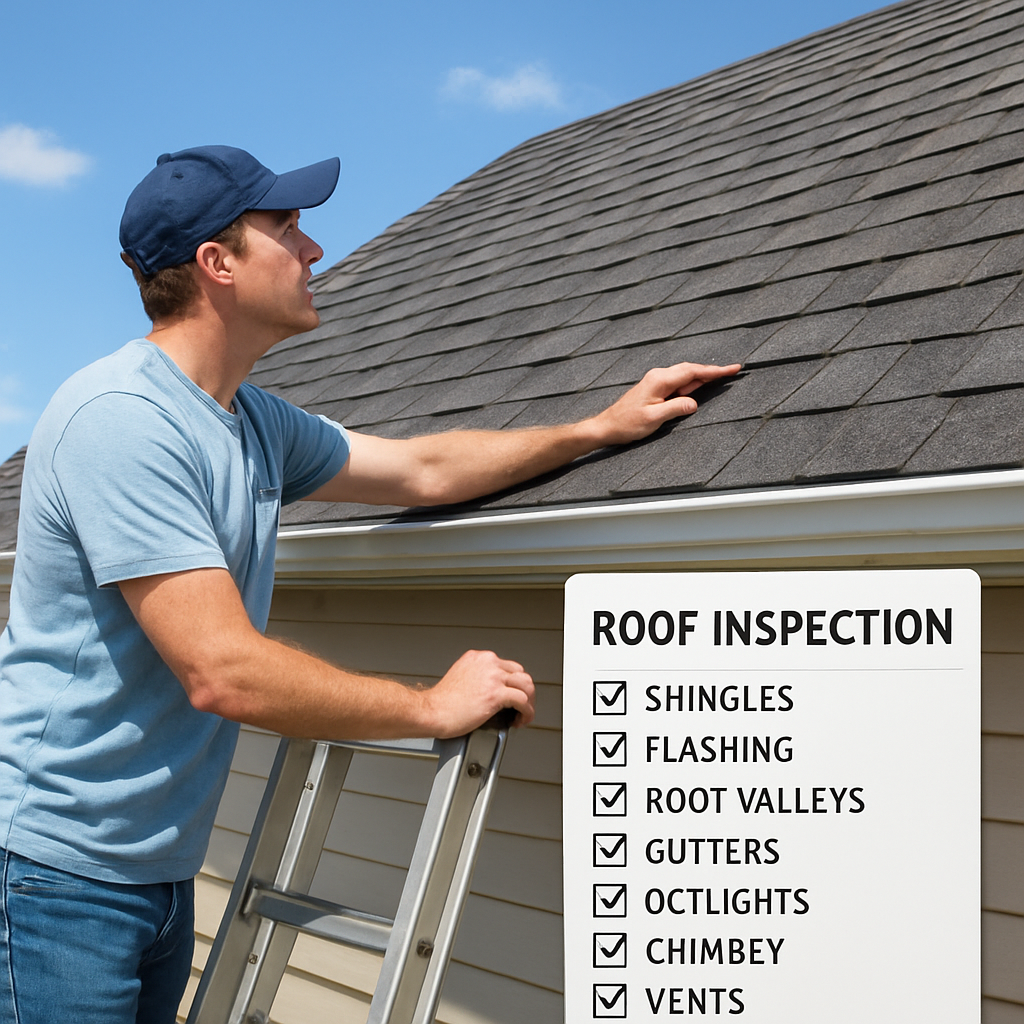
Ever looked up at your roof and thought, “When did this get so messy?”
Maybe you’ve noticed a few shingles missing after the last storm, or the gutters are humming with water you can’t quite hear.
That uneasy feeling is exactly why a solid roof maintenance checklist is a game‑changer for any homeowner.
We get it—balancing work, family, and home upkeep can feel like juggling flaming torches. You don’t have time to guess what needs fixing.
Imagine walking around your house, confident that every nail, shingle, and flashing has been inspected, and you know exactly what to do next.
That’s the peace of mind a roof maintenance checklist brings. It turns a vague “I should check the roof sometime” into a clear, step‑by‑step plan you can actually follow.
So, what does a good checklist look like? First, it starts with safety: sturdy ladder, harness, and a clear view of the sky. Then it walks you through visual cues—looking for cracked shingles, rusted flashings, or clogged gutters.
Next, it flags the hidden spots: the attic vents, chimney caps, and the roof valleys where water loves to collect. Those are the places that often hide leaks until they cause real damage.
And don’t forget the seasonal timing. A spring walk‑through catches winter wear, while a fall review preps you for the next freeze.
We’ve seen homeowners skip these tiny checks, only to face costly repairs later. That’s why we keep a printed copy in the garage, right next to the toolbox.
In our experience, the simple act of ticking off each item on the list saves both time and money, and it makes the whole process feel less intimidating.
Ready to take the guesswork out of roof care? Let’s dive into the essential steps, tools, and tips that will make your roof maintenance checklist a habit you actually stick to.
TL;DR
A roof maintenance checklist turns worries into a step‑by‑step routine that catches loose shingles, clogged gutters, and hidden leaks before they cost you a fortune. Follow our practical tips—safety first, seasonal timing, and quick visual cues—and you’ll protect your home, save time, and avoid expensive repairs in the long run.
Step 1: Inspect the Roof Surface
First thing’s first – grab a sturdy ladder, a safety harness, and a pair of work gloves. If you’ve ever tried to peek at your roof from the ground, you know how deceptive the angle can be. Getting up there safely gives you the whole picture.
Once you’re on the roof, take a slow, deliberate walk. Look for any shingles that are cracked, curled, or missing entirely. Those little gaps are the first signs that water could sneak in when the next rain hits. And don’t just glance at the flat planes; swing your head toward the valleys where two roof planes meet – that’s where water loves to collect.
Next, check the flashing around chimneys, vent pipes, and skylights. If the metal looks rusted, warped, or has gaps, it’s a red flag. A quick tug on the flashing can reveal looseness that isn’t obvious at first glance. Remember, flashing is the roof’s armor; any weak spot can become a leak.
Spotting Hidden Trouble
Now, here’s a trick most homeowners skip: inspect the roof from the attic side. Crawl up and shine a flashlight along the underside of the roof deck. Look for water stains, mold, or daylight seeping through. Those clues tell you where the problem started, even if the exterior looks fine.
Also, give the gutters a once‑over. Clogged gutters can cause water to back up and overflow onto the roof edge, eroding shingle edges over time. A clean gutter is a happy roof – it lets water flow freely away from the structure.
While you’re up there, take a moment to note any loose nails or fasteners. A few missing nails can let wind get under a shingle and lift it, setting the stage for bigger damage later. A quick hammer‑in or a few new screws can save you a costly repair down the line.
When you’ve finished the visual sweep, it’s a good idea to jot down what you saw. A simple checklist helps you track recurring issues and plan maintenance for the next season. For a ready‑made template, check out our Roof Inspection Checklist: A Step‑by‑Step Guide for Homeowners . It walks you through each item and even suggests when to call a pro.
Does this feel like a lot? Think about it this way: spending an hour now can prevent a $5,000 repair later. That’s a solid return on your time.
Got a moment after the video? Let’s talk about why this inspection matters when you’re house‑hunting. A buyer who knows how to read a roof’s health can negotiate better or avoid a bad purchase. For example, the Woodmere NY Homes for Sale guide advises prospective owners to scrutinize the roof before signing any contract.
And if you’re already proud owner of a luxury property, the stakes are even higher. A well‑maintained roof protects not just the structure but the high‑end finishes inside. The Luxury Villas Marbella guide mentions that a solid roof maintenance routine is a key factor in preserving a villa’s resale value.
Finally, snap a few photos of any problem areas. Visual evidence helps you remember exactly what needs fixing and makes it easier to explain the issue to a contractor if you decide you need professional help.
By the end of this step, you should have a clear inventory of what’s good, what needs attention, and what can wait until the next season. That inventory becomes the backbone of your overall roof maintenance checklist.
Step 2: Remove Debris and Moss
Now that you’ve scoped the roof surface, it’s time to get rid of anything that’s weighing it down. Leaves, pine needles, and that stubborn moss‑laden patch aren’t just unsightly—they trap moisture and can pry shingles loose.
Clear the big stuff first
Grab a sturdy leaf blower or a soft‑bristled broom and sweep the roof from the ridge down to the eaves. Work in sections so you don’t push debris back onto a spot you’ve already cleaned. If you see twigs or larger branches, pull them off by hand—just be careful not to step on fragile shingles.
Why not use a pressure washer? Because high‑pressure water blasts granules right out of asphalt shingles, shortening the roof’s life. The Asphalt Roofing Manufacturers Association warns that pressure washing can cause premature failure.
Dealing with algae and moss
Algae shows up as dark streaks, while moss looks like a fuzzy green carpet, especially on north‑facing slopes. Both thrive in damp, shady spots. The simplest, homeowner‑friendly remedy is a 50:50 mix of liquid chlorine bleach and water. Spray the solution onto the affected area, let it sit for 15‑20 minutes, then rinse gently with low‑pressure water.
Here’s a quick checklist for the bleach treatment:
Wear gloves, goggles, and long sleeves.
Cover nearby plants or use a tarp to protect landscaping.
Apply with a pump sprayer, avoiding runoff into gutters.
Rinse with a garden hose set to a gentle flow.
For stubborn moss, a leaf blower can help loosen the loosened growth after the bleach has done its work. In severe cases you may need a second application, but remember: never let the solution dry completely before rinsing, or it will be harder to wash away.
After the roof is clean, take a moment to walk the ridge again. Do you see any spots where the shingle edges are lifting? Moss can pull the leading edge up, increasing the risk of wind‑driven blow‑off. If you notice curling, mark it in your roof maintenance checklist so you can address it before the next storm.
Trimming overhanging branches does two things: it lets more sunlight hit the roof and reduces the leaf litter that feeds moss. Aim to keep a clearance of at least three feet.
Keep your gutters free of debris, too. A clogged gutter forces water to splash back onto the roof, creating the damp environment algae loves. A quick glance at the downspouts every season can save you hours of scrubbing later.
Give the roof a final visual sweep after it dries. Look for any remaining dark patches or loose shingle tabs, and note them in your checklist for later follow‑up.
Finally, consider a one‑time application of zinc or copper strips along the roof valleys if you’re due for a replacement. While we don’t install those ourselves, many homeowners find they dramatically slow down algae spread.
By tackling debris and moss now, you’re not just checking a box on your roof maintenance checklist—you’re extending the life of the entire roofing system. And if you ever feel the job is beyond a weekend project, LGFMH Construction is just a call away to lend a hand.
Step 3: Check Flashing and Seals
Why flashing matters
If you’ve ever seen water streak down a wall after a rainstorm, you know flashing is the silent hero that keeps moisture out.
But those thin metal pieces can get tired, bent, or even cracked over time, turning a tiny leak into a costly repair.
So, how do you make sure your flashing is still doing its job?
Start with a visual walk‑around
Grab a sturdy ladder, stand on a level surface, and scan every ridge, valley, and roof‑penetration.
Look for rust spots, loose seams, or gaps where the metal meets the roof deck. A quick glance can reveal a loose step‑flashing under a chimney or a deteriorated edge around a vent pipe.
Does the flashing look warped? If it’s curling away from the roof, water can pool behind it – and that’s a fast track to corrosion.
Check the sealant
Most modern roofs use a high‑performance, UV‑stable sealant. Give it a gentle poke with a screwdriver; it should feel firm, not crumbly.
If the sealant is cracked or missing, the water can seep behind the flashing and start eating the metal.
In that case, clean the area with a soft brush, apply a fresh bead of compatible sealant, and smooth it with a caulk‑tool or your fingertip.
Common flash failures (and how to fix them)
Corroded step‑flashing:Scrape away rust, treat the metal with a rust‑inhibitor, then repaint with a roof‑grade coating.
Loose metal caps on vent pipes:Tighten the screws or rivets, and re‑seal the joint if the old sealant has cracked.
Broken flashing around skylights:Replace the damaged section with a new piece that matches the roof profile, then seal the seams.
These fixes are usually quick, but if you’re unsure, it’s wise to call a professional who knows how to work safely on steep slopes.
Quick flashing checklist for your roof maintenance checklist
Inspect all ridge and valley flashings for rust or warping.
Verify that flashing around chimneys, vents, and skylights is securely fastened.
Probe sealant joints – they should be intact, not brittle.
Look for any signs of water staining on interior ceilings directly below flashings.
Document any issues in your roof maintenance checklist and plan repairs before the next heavy rain.
And remember, even a small gap can become a big problem when the wind drives rain into the roof assembly.
Expert tip: Use a flashlight from inside the attic
When you can’t get a clear view from the outside, climb up to the attic and shine a bright flashlight up through the roof plane.
Any light that leaks around the flashing is a clear sign of a breach. Mark that spot on your checklist and schedule a repair.
Does this sound like a lot? Not really – it’s just a few minutes of focused attention that can save you thousands later.
When to call in the pros
If you find extensive corrosion, missing sections, or you’re uncomfortable working at height, it’s time to call a roofer.
Professional roofers have the right tools, safety gear, and the know‑how to replace flashing without compromising the rest of the roof.
In fact, the Denver roofing guidelines recommend a thorough flashing inspection at least twice a year for homes in high‑wind zones ( official flashing inspection guidelines ).
And for metal roofs, Sheffield Metals points out that checking flashings and seals is a key part of any metal‑roof maintenance plan ( metal roof flashing maintenance tips ).
Bottom line: a solid look at your flashings now means fewer surprise leaks later, and it keeps your roof maintenance checklist honest and useful.
Step 4: Assess Shingles and Repair Damage
Okay, you’ve cleared the debris and checked the flashings, now it’s time to actually look at the shingles themselves. Those little rectangles are the first line of defense against rain, wind, and whatever else Mother Nature throws at your roof.
Do you ever stare up at a shingle that’s curled at the edge and think, “Is that a problem or just a quirk?” Trust me, that tiny curl can be the gateway for water to sneak under the roof deck.
Spot the obvious trouble spots
Start at the ridge and work your way down the slope, keeping an eye out for four main red flags:
Missing or cracked shingles– a gap the size of a thumb can let a full‑on downpour in.
Granule loss– if the shingle looks bald or you see a pile of dark granules in the gutters, the protective coating is wearing thin.
Curling or buckling– usually a sign of wind damage or improper installation.
Staining or moss growth– dark streaks often mean moisture is lingering too long.
When you spot any of these, grab a piece of masking tape and mark the exact location on a printed roof diagram or a simple sketch. That tiny note will save you from hunting around later.
Real‑world example: The post‑storm scramble
Imagine a homeowner in Denver who just survived a gusty hailstorm. After the rain stopped, they noticed a few shingles missing on the north‑facing slope. Because they’d already logged that spot in their roof maintenance checklist, they were able to call us the next day and we replaced the three damaged shingles before the next freeze. The quick fix saved them from a water‑logged attic and a $2,000 repair bill.
What if you didn’t have a checklist? You might have walked past that gap, only to discover a ceiling stain weeks later. That’s why the “inspect‑then‑note” habit is worth its weight in gold.
Step‑by‑step repair guide
1.Gather tools.You’ll need a sturdy ladder, a utility knife, replacement shingles that match your roof, roofing cement, a hammer, and a few nails (or staples if you prefer).
2.Safety first.Have a friend hold the ladder, wear non‑slip shoes, and consider a safety harness if the pitch is steep. A spotter can also shout “watch out!” when you’re on the edge.
3.Remove the damaged shingle.Slide a pry bar under the shingle’s edge and gently lift it. Cut any remaining nails with the utility knife, then pull the shingle away.
4.Prep the area.Clean away any old roofing cement, and make sure the underlayment is dry. If the underlayment looks torn, replace that section before installing a new shingle.
5.Install the new shingle.Slide it into place, align the tabs, and nail it in at the recommended spacing (usually four nails per shingle). Apply roofing cement under the tabs and press them down firmly.
6.Seal and blend.Use a roofing sealant to feather the edges so water can flow over the repair. If you have a few adjacent shingles that look worn, consider swapping them out as a set – it gives the roof a uniform look and reduces future leaks.
7.Document the fix.Write down the date, location, and what you replaced. Snap a photo. This entry becomes part of your ongoing roof maintenance checklist and makes future inspections a breeze.
When to call a pro
Even the most careful DIYer hits a wall sometimes. If you find extensive granule loss across a large area, or the roof deck beneath the shingles is soggy, it’s time to let a professional step in. The same Owens Corning roof storm damage checklist recommends a professional inspection when damage exceeds a few shingles, especially after high‑wind events ( Owens Corning roof storm damage checklist ).
Also, if you’re dealing with a roof that’s more than 15 years old, the odds are higher that the underlayment needs replacement – a job that’s safer and faster for a licensed roofer.
Tips from the field
— Keep a spare bundle of matching shingles in your garage. It’s cheaper than a last‑minute trip to the store.
— After any repair, run a hose over the area (low pressure) to make sure water flows smoothly and doesn’t pool.
— If you notice moss returning within a month, try copper or zinc strips in the valleys – they create a natural algaecide effect.
And remember, a well‑maintained shingle line not only protects your home but also keeps your resale value up. That’s the real payoff of a diligent roof maintenance checklist.
For a broader view of how often you should schedule a full roof inspection, the Budget Dumpster guide suggests a yearly walk‑through and a second check after any major storm ( roof maintenance inspections guide ).

With these steps in your toolbox, you’ll feel confident that you can spot a problem, fix it, and move on to the next item on your checklist – all without waiting for a leak to ruin your weekend.
Step 5: Schedule Professional Inspection & Decision Guide
You've walked the ridge, cleared the moss, and even patched a few shingle tabs. Now the big question pops up:Do I need a pro, or can I keep it in my own hands?The answer depends on what your roof is actually telling you.
First, take a step back and look at the bigger picture. If you just spotted a few loose tabs after a light rain, a quick DIY walk‑through might be enough. But if water stains are creeping up your attic ceiling or you hear that unmistakable drip‑drip after a storm, it’s time to bring in a licensed roofer.
When to pick up the phone
Here’s a simple rule of thumb: any sign of moisture inside the house, any roof older than 15 years, or any damage that spans more than a handful of shingles should trigger a professional inspection. In our experience at LGFMH, the cost of an early inspection is pennies compared to the flood‑damage bill that can follow a missed leak.
And don’t forget the “what‑if” scenario. Imagine you’re planning to sell your home next spring. A clean bill of health from a certified inspector can boost buyer confidence and even bump the resale price. That’s why many real‑estate agents recommend a pro check before listing.
Choosing the right inspector
Not every inspector is created equal. Look for a contractor with a valid roofing license, insurance, and references from local homeowners. Ask for a written report that includes photos, a clear description of each issue, and a recommended action plan.
Want a quick sanity check? The roof maintenance checklist from Lifetime Quality outlines the exact items a reputable pro should cover—everything from granule loss to flashing integrity.
Decision guide: DIY vs. professional
Below is a compact table that helps you decide who should take the next step based on your roof’s condition.
Scenario | Who should inspect | Key tip |
Minor wear after a single storm | DIY quick walk‑through | Mark any suspicious shingle; schedule a pro if water stains appear. |
Multiple missing shingles or water intrusion | Licensed roofing contractor | Get a written estimate and ask for a warranty on repairs. |
Roof over 15 years old or unusual material (e.g., RV roof) | Professional structural assessment | Consider full roof replacement if >20% of surface shows damage. |
Notice how the table lines up the “when” with the “who.” If you find yourself in the middle column, you’ve got a clear path forward.
Still on the fence? Think about the hidden costs of a DIY misstep: a cracked seal, a broken flashing, or a missed puncture can turn a $200 repair into a $2,000 headache. A professional’s warranty often covers those slip‑ups, giving you peace of mind.
Scheduling the appointment
When you call a roofer, have your roof maintenance checklist handy. Mention the exact locations you noted (north ridge, third shingle from the left, etc.). This shows you’re organized and helps the inspector arrive prepared with the right tools.
Ask for a pre‑inspection estimate—many contractors will give a free on‑site quote if you’ve already documented the issues. That way you avoid surprise fees later.
If you’re dealing with an RV or a specialty roof, the advice from Ronald Mark’s blog on professional roof work can be a good reference point. They stress that “professional installation” often includes a thorough inspection phase that catches hidden damage before the new membrane goes on (see their guide) .
Bottom line: schedule a professional inspection when the stakes are high—water inside your home, an aging roof, or a sale on the horizon. When the risk is low, a quick DIY check can keep you moving forward without breaking the bank.
Take a breath, grab your checklist, and pick up that phone. A few minutes of scheduling now will save you countless hours of worry later.
Step 6: Seasonal Maintenance Checklist
Okay, you’ve already walked the ridge, cleared the moss, and patched a few shingles. Now it’s time to think bigger than a single inspection – you need a roadmap that stretches across the year. That’s what a seasonal roof maintenance checklist is for: a handful of focused chores each season that keep small problems from snowballing into expensive repairs.
Why seasons matter
Every climate has its own rhythm. In Arizona, you get a mild winter, a scorching summer, a brief spring, and a leaf‑laden fall. Each transition brings temperature swings, wind, rain, or dust that can stress shingles, flashings, and gutters. By aligning your checklist with these natural cycles, you catch wear‑and‑tear right when it’s most likely to appear.
Spring – shake off winter’s leftovers
Even if you didn’t see a snowstorm, winter can leave ice dams, condensation, or tiny cracks from freeze‑thaw cycles. Start with a visual sweep from the ridge down, looking for loose tabs or cracked sealant. Next, clear all debris – leaves, pine needles, and that dusty buildup that loves to settle after a cold front.
Don’t forget the gutters. A clogged gutter forces water to back‑up onto the roof deck, and that extra moisture is a perfect invitation for algae in the coming warm months. Give each trough a good rinse, and tighten any loose hangers.
Finally, schedule a quick professional inspection if you notice any water stains in the attic. An expert can spot hidden moisture before it spreads. The Arizona seasonal roof maintenance checklist recommends this spring walk‑through as the first line of defense.
Summer – survive the heat and monsoon
When temperatures climb above 100°F, the roof’s surface expands and contracts daily. That movement can loosen fasteners and crack older shingles. Walk the roof after the hottest part of the day and press gently on a few shingles; any that “give” need replacement.
Arizona’s monsoon season brings sudden, heavy downpours, hail, and gusty winds. Trim any overhanging branches before the first storm hits – a falling limb can become a projectile that shatters tiles. Also, check the roof valleys for loose granules or rusted flashings, because water will funnel right through those weak spots.
Consider a professional inspection if you’ve had a hail event. Even small dents can become leak pathways once the storm passes.
Fall – clean up before the cooler months
Leaves are beautiful, but they’re a nightmare for gutters. As they decompose they create a soggy mat that clogs downspouts and encourages mold growth. Sweep the roof of any remaining foliage, then give the gutters a thorough cleaning.
Fall is also an ideal time to re‑seal any aging flashing you marked earlier in the year. The cooler temperatures make sealant adhere better, and you’ll have a dry window before winter’s occasional ice dam.
Winter – watch for ice and hidden leaks
If you live in a part of Arizona that sees occasional snow, or if a cold snap brings frost, inspect the roof for ice buildup. Lightly brush off snow with a soft broom – never use a metal tool that could gouge shingles. Look for ice dams along the eaves; they trap meltwater and force it under the roofing material.
Inside the attic, check for condensation on the underside of the roof deck. A steady drip or damp insulation signals a breach that needs immediate professional attention.
Putting it all together
The easiest way to keep track is to turn the seasonal tasks into a simple calendar. Mark each quarter with a reminder on your phone or a printable checklist on the fridge. When you finish a task, tick it off, snap a photo, and note the date. Over time you’ll have a documented roof maintenance history that’s gold when you sell the house.
Real‑world example: a Mesa homeowner followed the spring and summer items on this checklist and caught a cracked flashing before the monsoon hit. The repair cost $150, but it prevented a $3,000 water‑damage claim after a later hail storm.
Expert tip from the field
Use a waterproof notebook or a phone app that lets you attach photos to each entry. That way you can compare “before” and “after” images year over year and spot patterns – like a particular side of the roof that always gathers debris.
Remember, a seasonal roof maintenance checklist isn’t a one‑time chore; it’s a habit that saves you time, stress, and money. If you ever feel stuck or need a second set of eyes, LGFMH Construction can step in for a thorough inspection or targeted repair – we’ve helped dozens of Arizona homeowners keep their roofs in shape year after year.
Conclusion
So there you have it—your roof maintenance checklist turned into a habit you can actually stick with.
Feeling a little overwhelmed? Remember, each season only asks for a handful of focused chores, not a full‑blown project.
Start with a quick visual walk after every big storm, clear debris in the fall, check flashings in spring, and give your shingles a gentle press in the summer heat.
Every time you note a problem, snap a photo and jot the date—over time you’ll build a timeline that speaks louder than any warranty.
If you ever hit a snag you can’t safely fix, give LGFMH Construction a call; we’ll inspect, advise, and step in when needed.
Stick to the checklist, stay consistent, and your roof will reward you with years of peace of mind and fewer surprise repairs.
The habit of checking your roof twice a year also adds value when you decide to sell—buyers love a documented maintenance history.
Finally, treat your roof like the skin of your home: a little regular care now prevents costly skin‑care emergencies later.
Set a calendar reminder, keep a waterproof notebook on the fridge, and make the checklist part of your seasonal home‑maintenance routine today now.
FAQ
How often should I run my roof maintenance checklist?
You should inspect your roof at least twice a year—once after the heavy winter storms and once before the summer heat. In addition, give it a quick walk‑through after any major rain, hail or wind event.
Those two scheduled checks plus the post‑storm look keep small problems from turning into costly repairs, and they fit nicely into a seasonal home‑maintenance calendar.
What items belong on a roof maintenance checklist?
A solid roof maintenance checklist covers four main categories: visual inspection, debris removal, flashing and sealant check, and shingle condition.
Start by walking the ridge and noting any cracked or missing shingles, then sweep away leaves, pine needles and moss. Next, examine all flashings around chimneys, vents and skylights for rust or loose seams, and finally test sealant joints with a gentle poke to ensure they’re still firm.
Can I safely clean moss off my roof myself?
Yes, you can tackle light moss growth without hiring a pro, as long as you follow safety basics. Use a sturdy ladder, wear gloves and eye protection, and apply a diluted bleach solution (one part bleach to one part water) to the affected spots.
Let it sit for 15 minutes, then rinse gently with a garden hose on low pressure. Avoid power washers—they can strip shingle granules and shorten the roof’s life.
What signs tell me my flashing needs repair?
Look for rust patches, warped metal, or gaps where the flashing meets the roof surface. If water stains appear on the ceiling directly below a chimney, vent or skylight, that’s a red flag that moisture is slipping past the flashing.
Also, feel the sealant joints—if they feel crumbly or shrink away from the metal, replace or reseal that section before the next rain.
How do I document roof issues effectively?
Grab your phone or a waterproof notebook and note the exact location—north ridge, third shingle from the left, for example. Snap a clear photo and record the date and weather conditions.
Create a simple spreadsheet or use a home‑maintenance app where you can tag each entry with a priority level. Over time those records become a timeline that helps you spot recurring problem spots and makes it easier to get accurate quotes from a contractor.
When is it worth hiring a professional for roof maintenance?
If you notice water intrusion inside the attic, extensive shingle loss (more than a handful), or flashing that’s seriously corroded, it’s time to call a licensed roofer. Also, roofs older than 15 years often need a full underlayment inspection, which requires specialized tools.
A pro can spot hidden damage, provide a warranty on repairs, and ensure the work meets local building codes—saving you headaches down the road.
What’s the best way to integrate the checklist into my yearly routine?
Pick a calendar reminder for each season—spring and fall are ideal checkpoints. When the reminder pops up, pull out your notebook, walk the roof, and tick off each item on the list.
Keep a digital photo folder so you can compare before‑and‑after shots year over year. Over time the habit becomes second nature, and you’ll have a documented maintenance history that adds value when you eventually sell the home.


Comments