Roof Repair Newport News VA: A Complete Guide for Homeowners
- William McKracherne
- Dec 25, 2025
- 20 min read

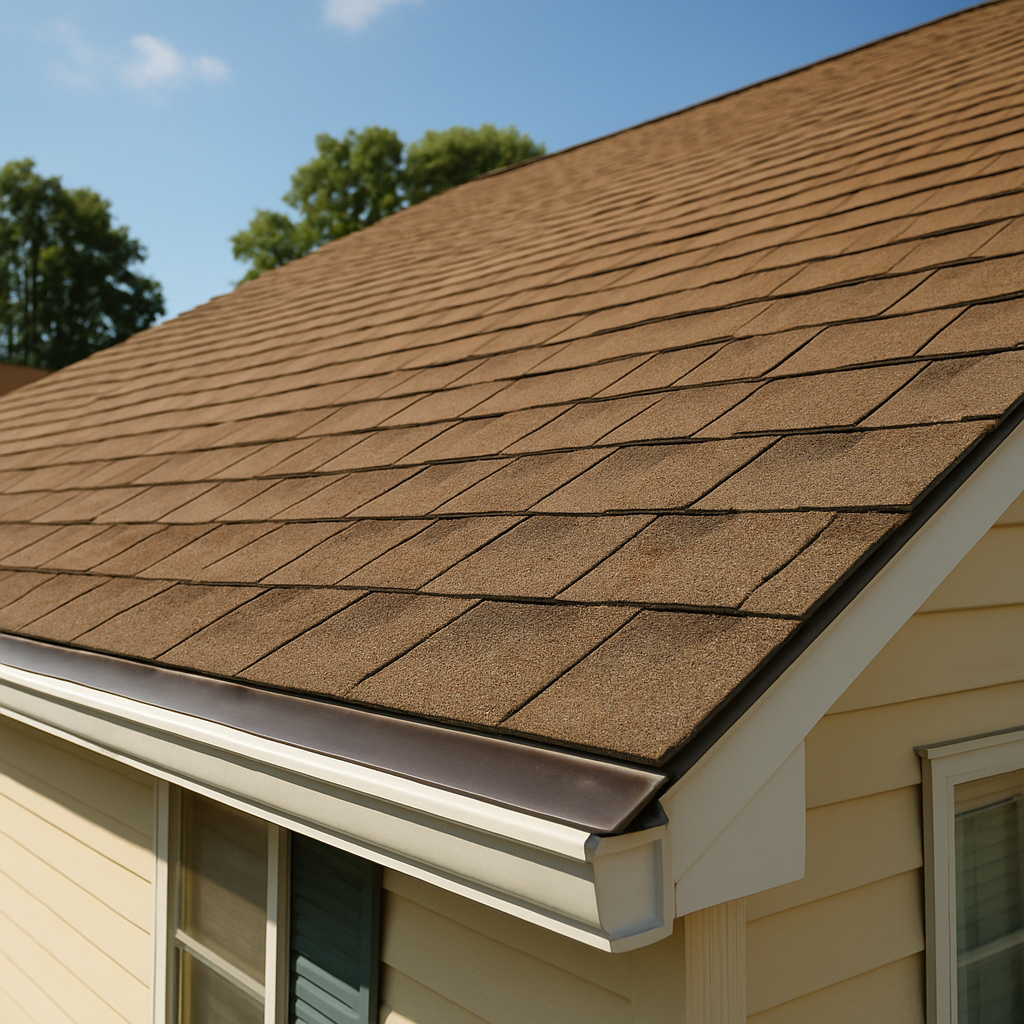
Let’s imagine you’re stepping onto your porch in Newport News, VA, and a sudden drip catches your eye—rainwater sneaking through a tiny gap in the roof. That moment of “uh‑oh” is all too familiar for homeowners here.
You’ve probably wondered, “How badly could this get before it costs a fortune?” The truth is, a small leak can turn into a full‑blown roof failure faster than you think, especially with our salty coastal breezes and occasional heavy storms.
In our experience at LGFMH Construction, the first thing we tell folks is to stop guessing and start looking. A quick visual inspection—checking for missing shingles, cracked flashing, or moss‑filled valleys—often reveals the culprit before water finds its way inside.
But what if you’re not comfortable climbing ladders? No worries. A trusted local contractor can safely get there, and they’ll use a moisture meter to spot hidden damp spots that the naked eye misses.
So, why does “roof repair Newport News VA” matter more than just a generic fix? Because each roof here is exposed to a unique mix of humidity, salt air, and even occasional hurricanes. Those conditions accelerate wear on asphalt, metal, and even newer synthetic membranes.
Here’s a tip that many homeowners overlook: keep gutters clean and free of debris. When gutters overflow, water pools on the roof edge, forcing it under shingles and into the attic. A simple twice‑a‑year sweep can save you hundreds in future repairs.
And if you do spot damage, act fast. The longer you wait, the more moisture seeps into the deck, leading to mold, structural rot, and skyrocketing repair bills.
Think about the peace of mind you’ll gain once the roof is sealed tight—no more surprise drips, no frantic calls in the middle of a storm, just a solid barrier protecting your family and belongings.
Ready to take the next step? Start by walking the perimeter of your home, noting any obvious cracks or loose panels, then give a local pro a call for a thorough assessment. Let’s get that roof back in shape so you can enjoy the seaside breezes without worry.
TL;DR
Roof repair Newport News VA matters because salty air and storms speed wear, so routine inspections, gutter cleaning, and immediate leak fixes stop costly damage. Take action: walk your roof’s edge, mark cracks or loose panels, then contact LGFMH Construction for a professional assessment and your home’s lasting complete protection.
Understanding Common Roof Damage in Newport News, VA
Ever stood on your porch, felt the salty breeze, and wondered why the roof over your head seems to age faster than everything else? That uneasy feeling is real – Newport News weather loves to test a roof’s patience. Between salty air, heavy rain, and occasional gusty storms, the most common problems pop up sooner rather than later.
Typical culprits you’ll see
First up, shingle wear. Asphalt shingles, the workhorse of most homes here, can become brittle when the ocean’s salt spray settles on them. You might notice cracks, missing granules, or edges that curl up like old newspaper. Next, flashing failures – those metal strips around chimneys, vents, and skylights. Over time, flashing can rust or pull away, creating tiny gaps where water sneaks in.
Then there’s moss and algae. They love the shaded, damp spots on your roof, especially in the valleys. When they grow, they hold moisture against the shingles, accelerating rot. And don’t forget about gutter overflow. When gutters can’t channel water away, it pools on the roof’s edge, forcing moisture under the shingles and into the decking.
One of the quickest ways to spot these issues is to grab a ladder and do a visual walk‑around. Look for any cracked or missing shingles, rusted flashing, or dark streaks indicating algae. If you’re uneasy about climbing, that’s where a professional inspection shines – we often start with a Roof Inspection Checklist: A Step‑by‑Step Guide for Homeowners to make sure nothing’s missed.
Why it matters for home buyers
If you’re in the market for a new place, the roof’s condition can make or break a deal. Imagine you’ve found a charming house in Woodmere, but the roof’s already showing signs of salt‑induced wear. A quick look at the Woodmere NY Homes for Sale guide reminds buyers to always factor roof repair costs into the budget. A solid roof not only protects your investment; it also keeps future insurance premiums down.
Keeping documentation straight
When you do a repair – whether you DIY a shingle swap or call a pro – it helps to keep clear records: photos, invoices, and work orders. That paperwork can be priceless when you later sell the house or file an insurance claim. For contractors and handy‑homeowners alike, JiffyPrintOnline offers affordable, custom service order forms that look professional and keep everything organized.
So, what should you check next time you’re out on the roof? Grab a flashlight and inspect the valleys for debris, run a moisture meter along the decking if you can, and make a note of any rusted nails or loose panels. Those small details are the early warning signs that prevent a tiny leak from turning into a full‑blown ceiling collapse.
Here’s a quick cheat sheet you can keep on your phone:
Look for cracked, curling, or missing shingles.
Check flashing around chimneys, vents, and skylights for rust or gaps.
Spot moss, algae, or dark streaks in valleys.
Make sure gutters are clear and directing water away.
Document any findings with photos and notes.
Catch these issues early, and you’ll save yourself from costly emergency repairs later.
After watching the video, you’ll see a live demo of a roof inspection in action – from spotting a leaky flashing to testing the roof deck’s moisture level. It’s the kind of walkthrough that makes the whole process feel less intimidating.
Remember, a well‑maintained roof is the silent guardian of your home’s comfort. Keep an eye on those tell‑tale signs, stay on top of gutter cleaning, and don’t hesitate to call a local expert when you need a second opinion.
Step 1: Inspect Your Roof Thoroughly
Let’s be honest, the moment you see a drip on the ceiling, your gut screams “something’s wrong up there.” Before you panic and start buying cheap patches, the first step in any roof repair newport news va project is a solid, ground‑level inspection. It’s the difference between a quick fix and a months‑long nightmare.
Why does a thorough look matter? In Newport News the salty air and sudden storms turn tiny cracks into full‑blown leaks faster than you’d think. Spotting the problem early saves you from water‑logged insulation, mold growth, and costly structural work.
Gather the right tools
You don’t need a full toolbox—just a sturdy ladder, a flashlight, a moisture meter (or a simple screwdriver for the “tap test”), and a notepad. If you’re uneasy about climbing, a binocular can help you scan the roof from the ground first.
Safety first. Make sure the ladder is on level ground, someone holds the base, and you never work on a wet roof. A quick check of the weather forecast can spare you a slip.
Walk‑around checklist
Start at the eaves and work your way up. Look for missing shingles, cracked or lifted flashing, and any dark streaks that could be algae or moss. Those dark patches are more than an eyesore—they hold moisture against the surface.
Pay extra attention to valleys, roof‑to‑wall intersections, and around chimneys. In our experience, these spots collect debris and become the most common leak sources in the Peninsula.
Grab your flashlight and shine it into the attic on a sunny day. Light leaking through will create a glow on the underside of the roof deck. That’s your “hot spot” that needs closer inspection.
Run the moisture meter (or gently poke a screwdriver) on any suspect area. Readings above the normal range, or a screwdriver that feels soggy, signal a leak that’s already inside the structure.
Document what you find
Jot down the location, type of damage, and take a quick photo with your phone. This record will make it easier when you talk to a contractor and can even help you decide if a DIY patch is safe.
If you discover damage near a vent or a skylight, check the surrounding sealant. Cracked caulk is a silent water path that often goes unnoticed until the rain hits.
After you’ve walked the whole roof, step back and ask yourself: does the damage look isolated, or are there multiple problem areas? Multiple spots usually mean it’s time to bring in a pro who can assess the deck’s integrity.
When to call the experts
If you spot more than three missing shingles, any rusted flashing, or the moisture meter reads high in several places, schedule a professional inspection. Newport News building permits page requires a permit for major roof repairs, so you’ll want to check the city’s building permits page first, ensuring you stay on the right side of code.
Also, if you notice water stains on interior walls, that’s a sign the leak has already traveled inside. At that point, a licensed contractor can coordinate with the city’s waterworks department to ensure proper drainage and prevent future water intrusion.
Bottom line: a meticulous, step‑by‑step inspection gives you the confidence to either tackle a small patch yourself or know exactly what to tell the roofing pro. Either way, you’re protecting your home’s value and keeping the salty Peninsula breezes from turning into a costly water disaster.
Step 2: Choose the Right Roofing Material
Now that you know where the damage lives, the next big decision is what kind of roof will stand up to Newport News’ salty breezes and occasional thunderstorms.
You might be thinking, “Do I stick with the old asphalt shingles or go for something fancier?” The answer isn’t one‑size‑fits‑all, but a few simple questions can point you in the right direction.
Consider Your Climate and Roof Slope
The Peninsula gets a lot of humidity, sea spray, and wind. A material that breathes yet resists moisture is key. Asphalt shingles are affordable and work fine on low‑slope roofs, but they can become brittle when the salt air seeps into the granules. Metal panels—especially galvanized steel or aluminum—handle corrosion better and shed water like a champ. If your home has a steeper pitch, metal’s lighter weight means less stress on the deck.
Budget and Longevity
What’s your comfort zone for upfront cost? Asphalt typically runs $80‑$120 per square, while metal can be $150‑$250. That looks like a jump, but metal often lasts 30‑50 years compared with 15‑20 for shingle. Think of it as a pay‑off: a few extra dollars now can save you a second roof replacement down the line, especially when you’re dealing with roof repair newport news va budgets.
Energy Efficiency and Noise
Do you notice your house gets hot in the summer? Reflective “cool‑roof” shingles or standing‑seam metal can cut attic temperatures by several degrees, lowering AC bills. Metal also dampens rain noise—something many Newport News homeowners appreciate when the wind whistles through the trees.
Maintenance and Appearance
How much time do you want to spend on upkeep? Asphalt may need periodic cleaning of moss and algae, which love the damp valleys we see around town. Metal usually needs only a quick rinse to keep rust at bay, especially if you choose a pre‑coated color that matches the local palette. Aesthetically, metal gives a modern look, while shingle offers a classic, residential feel. Pick the vibe that matches your curb appeal.
Here’s a quick checklist you can run through while you’re on the roof or looking at samples at the local supplier:
Roof slope (low vs steep)
Exposure to salt and wind
Desired lifespan
Budget range
Energy goals
Maintenance willingness
Visual style
If after the checklist you’re still torn, a short chat with a local roofing contractor can clear up the trade‑offs. They’ll know which metal profiles hold up best to the James River’s spray and which shingle brands have the best UV protectors for the Virginia sun.
Don’t forget to verify that any material you pick meets the city’s roofing code and has the proper warranty. A 30‑year warranty on metal can be a lifesaver when the next storm rolls in.
Bottom line: the right material isn’t just about price tags; it’s about fitting the roof to the environment and to your lifestyle. When you choose a product that can shrug off the salty air, you’ll spend less time worrying about roof repair newport news va and more time enjoying the view from your porch.
Step 3: Get Accurate Repair Cost Estimates
Okay, you’ve spotted the problem and you know what material you want. The next thing that keeps most homeowners up at night is the price tag. How do you avoid surprise invoices and still get a fair deal for roof repair Newport News VA?
First, treat every estimate like a conversation, not a receipt. Grab a notebook, a cup of coffee, and a calm mindset. You’ll be asking a lot of questions, and that’s exactly how you keep the process transparent.
1. Gather a baseline of local pricing
Before you dial any contractor, spend a few minutes scrolling through recent roofing cost data for the Peninsula. In Newport News, a typical asphalt shingle repair runs about $150‑$250 per square (100 sq ft), while metal patch work can climb to $300‑$450 per square because of material and labor nuances. These numbers give you a ballpark so you can spot estimates that are too low (potentially cutting corners) or way too high (maybe they’re adding unnecessary upsells).
Does that range feel right for your project? If you’re unsure, jot down the square footage of the area that needs fixing – you can measure it from the roof plan or simply estimate based on the number of shingles that look damaged.
2. Request at least three detailed quotes
Don’t settle for the first number that pops up. Reach out to three reputable roofers in Newport News and ask them to break down their quote into three parts:
Materials:brand, warranty, and whether it’s a pre‑coated metal or a premium “cool‑roof” shingle.
Labor:crew size, estimated hours, and any additional fees for safety equipment or permits.
Permits & inspections:city fees, required inspections, and any post‑repair warranty paperwork.
When the contractor sends the estimate, check that each line item matches the baseline you noted earlier. If something looks off, ask for clarification. A good pro will explain why a certain material costs more or why extra labor is needed for tricky roof pitches.
3. Verify licensing and insurance
Newport News requires a building permit for most roof repairs, and the city’s Building Safety Division will only approve work from a licensed contractor. Ask each quote for the contractor’s license number and insurance certificate. A quick call to the Newport News Commissioner of the Revenue office can confirm the license is active. This step protects you from hidden liabilities if something goes wrong on the job.
Remember that a low price without proper licensing is a red flag. It usually means the contractor is cutting corners on safety or might not carry workers’ compensation, leaving you on the hook for any accidents.
4. Factor in hidden costs
Here’s where many homeowners get surprised: disposal fees, temporary tarps, and post‑repair clean‑up. Ask each contractor to include these in the written estimate. Also, ask whether the estimate covers attic ventilation upgrades – in a humid coastal climate, proper airflow can prevent future mold and extend the life of the repair.
Imagine you get a $2,200 quote that looks great, but the fine print adds $400 for debris removal. That’s $2,600 total, which could be higher than another contractor’s all‑inclusive $2,500 bid. Those details matter.
5. Compare warranties and post‑repair support
Most reputable roofers will stand behind their work with a warranty – often 1‑year labor, plus the manufacturer’s material warranty. Write down the warranty length, what it covers, and whether the contractor handles any future claim paperwork. A longer warranty might justify a slightly higher upfront cost because you’ll avoid out‑of‑pocket repairs down the road.
One of our neighbors in Warwick chose a contractor who offered a 5‑year labor warranty. The extra $150 in the estimate paid off when a small flash‑point leak appeared six months later; the repair was handled at no extra charge.
6. Create a simple decision matrix
Take your notes and score each quote on four criteria: price, transparency, licensing, and warranty. Give each factor a weight that matters to you – maybe warranty is most important, so you give it 40% of the total score. Multiply the scores, add them up, and you’ll see which contractor truly offers the best value, not just the lowest price.
It sounds a bit spreadsheet‑y, but it’s a quick way to keep emotions out of the equation. You’ll feel confident walking into the contract signing knowing you’ve done the math.
So, what’s the next move?
Pick up the phone, set up those three on‑site estimates, and start filling out that decision matrix. The more detail you capture now, the fewer headaches you’ll have when the crew lifts the first shingle.
Bottom line: accurate cost estimates aren’t magic; they’re the result of solid research, clear communication, and a little math. When you follow these steps, you’ll get a realistic budget for roof repair Newport News VA and avoid the dreaded “we’ll call you back with the final price” surprise.
Step 4: Hire a Qualified Roofing Contractor
You've done the inspection, you've chosen a material, and you have a ballpark price. Now the real test begins: finding someone you can trust to actually do the work without disappearing after the first shingle is up.
So, how do you separate the pros from the talkers? In Newport News, the difference often shows up in paperwork, communication style, and the little extras that protect your roof for years to come.
1. Verify licensing, insurance, and bonding
First thing's first—ask for a copy of the contractor’s Virginia license number and check it on the state’s licensing portal. A licensed roofer has met safety, training, and code‑compliance standards that an unlicensed hand simply can't claim.
Next, request proof of general liability insurance and workers’ compensation. Without it, any accident on your property could become your financial burden. If the contractor hesitates, that’s a red flag louder than a missing shingle.
2. Insist on a detailed written estimate
Remember the decision matrix you built earlier? Your estimate should mirror that level of detail: line items for materials (brand, warranty), labor hours, disposal fees, permit costs, and any optional upgrades.
Ask the contractor to break down why a particular product costs more—maybe it's a premium, wind‑rated shingle that meets local code for hurricane zones. When the numbers line up with the baseline pricing you gathered, you’ll feel more confident that no hidden fees are lurking.
3. Check references and past projects
Never settle for a glossy portfolio alone. Call at least three recent customers who lived in neighborhoods similar to yours—Warwick, Oak Grove, or the James River waterfront. Ask specific questions: Did the crew finish on time? Was the roof inspected after the job? Did any leaks appear during the first rainy season?
In our experience, homeowners who received a post‑install walkthrough and a 12‑month follow‑up call report far fewer surprise repairs. That extra step is a simple way to gauge a contractor’s commitment to after‑care.
4. Compare warranties and after‑service support
Material warranties are often 20‑30 years, but labor warranties vary wildly—from “no warranty” to a solid five‑year guarantee. A contractor who backs their install with a written labor warranty signals confidence in their workmanship.
Ask how warranty claims are handled. Do you need to call the installer directly, or does the manufacturer take care of it? A smooth claims process can save you weeks of headaches if a tiny crack shows up after the first winter.
5. Action checklist before you sign
Item | What to Verify | Why It Matters |
License & Insurance | Current VA license number, liability & workers comp certificates | Protects you from legal/financial risk |
Written Estimate | Itemized costs, permit fees, disposal, warranty details | Prevents surprise charges |
References | 3 recent local customers, site photos, post‑install inspection | Confirms quality & reliability |
Warranty | Material + labor warranty length, claim process | Ensures long‑term coverage |
Permits | City of Newport News permit copy, inspector sign‑off | Meets code, avoids fines |
Once you’ve ticked every box, schedule a final walkthrough with the contractor before they start. Walk the perimeter, point out the spots you noted during the inspection, and confirm that the crew has the right safety equipment for working on a coastal roof.
Does this feel overwhelming? It can be, but think of it as a short‑term investment in peace of mind. A qualified contractor who checks all these boxes usually finishes on time, stays within budget, and leaves you with a roof that can handle the salty breezes and occasional hurricanes that Newport News throws at it.
Bottom line: hiring the right roofer isn’t about picking the lowest quote; it’s about assembling a team that respects your home, follows the city’s code, and stands behind their work. Follow the checklist, ask the right questions, and you’ll walk away with a roof repair newport news va solution you can trust for decades.
Step 5: Maintenance Tips to Extend Roof Life
We’ve gotten the roof fixed, but a roof that lasts decades needs regular TLC. Think of it like brushing your teeth – you wouldn’t skip that after a cleaning, right? The same principle applies to roof repair newport news va.
1. Schedule a twice‑yearly visual walk‑around
Mark your calendar for early spring and late fall. Walk the perimeter, glance up from the ground, and note any missing shingles, cracked flashing, or debris piles. A quick photo on your phone helps you track changes over time. In our experience, homeowners who do this catch problems before the first heavy rain of the season.
So, what should you look for? Look for curling edges (a sign of moisture), rust spots on metal flashings, and any moss that’s turning the roof surface into a green carpet. Those little red flags often turn into costly leaks if ignored.
2. Keep gutters and downspouts crystal clear
Gutters are the roof’s plumbing system. When they’re clogged, water backs up and sits on the deck, accelerating rot. Grab a scoop, a garden hose, and a pair of gloves, then clear out leaves, twigs, and that stubborn pine needle mat. If you have trees overhanging the house, consider a lightweight mesh guard – it reduces the cleaning load by about 70%.
Don’t forget the downspout outlets. A simple blockage can cause water to spill onto the fascia, leading to wood rot. A quick test: run water from a hose into the gutter and watch it flow freely out the bottom.
3. Trim overhanging branches
Tree limbs that brush the roof act like a constant sandpaper, wearing down shingles and providing a bridge for squirrels or birds to nest. A good rule of thumb is to keep branches at least 6‑8 feet away from the roof surface. If you notice a branch rubbing after a windy day, cut it back – it’s a small effort that saves you from a big repair later.
Here’s a real‑world example: a family on the Oak Grove side had a maple that grew right over the roof ridge. After a severe storm, the branch snapped and ripped a handful of shingles. They trimmed the tree, replaced the shingles, and haven’t had another leak since.
4. Treat moss and algae before they become a problem
Those damp, shady valleys love moss. While a little green may look harmless, it holds moisture against the roof, speeding up granule loss and shingle brittleness. Use a low‑pressure garden sprayer with a 50/50 mix of water and zinc sulfate (often sold as “zinc strip” or “moss killer”). Apply in the early morning, let it sit for 15 minutes, then rinse off.
If you’d rather avoid chemicals, a simple copper strip installed along the ridge does the same trick – rainwater washes copper ions down the roof, deterring moss growth for years.
5. Inspect and seal roof penetrations annually
Every vent, chimney, skylight, and pipe is a potential leak point. Grab a flashlight, shine it into each opening, and look for cracked caulk, rusted flashing, or gaps where water could sneak in. Re‑apply a high‑quality, UV‑resistant sealant where needed.
One homeowner in Warwick noticed water stains near a roof‑to‑wall vent after a summer thunderstorm. A fresh bead of sealant stopped the leak in its tracks, saving them a $1,200 repair that would have been needed if they’d waited.
6. Keep an eye on attic ventilation
Good airflow in the attic dries out any moisture that does get through the roof. Check that soffit vents aren’t blocked by insulation and that ridge vents are clear. A simple test: on a hot day, feel the attic floor near the vent – it should be cooler than the roof deck.
If you discover stagnant air, install a few extra vent baffles or a powered attic fan. Proper ventilation can extend roof life by up to 20%, according to several industry studies.
7. Document everything – a maintenance log pays off
Create a simple spreadsheet or notebook entry each time you perform a task. Include the date, what you did, and any photos. When it’s time to sell, a well‑kept log shows prospective buyers that the roof has been cared for, often boosting resale value by a few percent.
Bottom line: a roof isn’t a “set it and forget it” system. A handful of quick, recurring chores – visual checks, gutter cleaning, branch trimming, moss treatment, sealant inspections, ventilation checks, and documentation – can add decades to your roof’s life and keep roof repair newport news va projects to a minimum.
FAQ
How often should I schedule roof inspections for my Newport News home?
In our experience a twice‑yearly walk‑around does the trick – once in early spring before the rains and once in late fall after the leaves have cleared. Those quick visual checks let you spot curling shingles, clogged gutters, or flashing rust before a storm turns a minor issue into a leak. If you notice any damage after a big wind event, add an extra inspection right away.
What are the warning signs that my roof needs repair in Newport News, VA?
Look for the little things that scream “something’s off.” Dark water stains on your attic ceiling, a musty smell after rain, or granules collecting in your gutters are classic red flags. Also, check for shingles that feel soft under your hand, flashing that’s turning brown, or moss that’s turned your roof into a green carpet. When you see any of these, it’s time to act before water seeps deeper.
Can I fix a small shingle leak myself, or should I call a pro?
If you’re comfortable on a ladder and have a basic kit – a pry bar, roofing cement, and a replacement shingle – a tiny patch can hold until the next rain. But remember, a loose shingle often means the surrounding area was disturbed, so the repair might be more than it looks. When the damage spreads to multiple shingles, flashing, or the roof deck, it’s safer to let a licensed contractor step in. That way you avoid future headaches and keep your insurance happy.
How does the salty sea air affect roofing materials, and what should I choose?
Salt spray accelerates corrosion, especially on metal flashings and lower‑grade asphalt shingles. That’s why many Newport News homeowners opt for galvanized steel or aluminum roofing panels – they’re designed to shrug off the brine. If you stick with shingles, look for a brand that touts a high‑wind, UV‑protected rating and a thick, polymer‑enhanced granule layer. These choices give you a longer life span and fewer surprise repairs.
What permits are required for roof repair in Newport News, VA?
The city typically requires a building permit for any work that involves structural changes, replacement of more than 20 percent of the roof, or new vent installations. Your contractor should pull the permit and schedule the necessary inspections, but it doesn’t hurt to double‑check the Newport News Building Safety Division website before the crew arrives. Skipping the permit can lead to fines or trouble when you try to sell the house later.
How much does a typical roof repair cost in Newport News, and how can I budget?
For a standard asphalt shingle patch, expect $150‑$250 per square (100 sq ft). Metal repairs run a bit higher, around $300‑$450 per square, mainly because of material costs. To keep the budget in check, get at least three detailed estimates, compare line items, and watch for hidden fees like debris removal or permit costs. Adding a small contingency – say 10 % – helps you absorb any surprise expenses without breaking the bank.
What maintenance routine can extend the life of my roof after a repair?
Think of roof care like brushing your teeth: a quick clean twice a year plus a few after‑storm checks does wonders. Clear gutters, trim branches that brush the deck, and spray a zinc‑strip solution in shady valleys to deter moss. Don’t forget to reseal roof penetrations – vents, skylights, and chimneys – annually. Finally, keep a simple log with dates, photos, and what you did; it’s a lifesaver when you need to show proof of upkeep to a future buyer or insurer.
Conclusion
We’ve walked through everything from spotting the first drip to choosing the right material and hiring a licensed pro, so you now have a clear roadmap for roof repair newport news va.
Remember, a roof isn’t just shingles and nails – it’s the shield that protects your family, your belongings, and your home’s resale value. If you catch problems early, the cost stays in the hundreds, not thousands. A well‑maintained roof also lowers your energy bills by keeping the interior temperature stable.
So, what’s the next move? Grab that notebook, get three detailed estimates, and double‑check the city’s permit page before the crew shows up. A quick check on licensing and insurance can save you a lot of headaches later.
And don’t forget the maintenance routine we outlined: twice‑yearly visual walk‑arounds, clean gutters, trim overhanging branches, and a yearly seal‑check on vents and skylights. A simple log with dates and photos will speak volumes to future buyers or insurers.
In our experience at LGFMH Construction, homeowners who follow these steps enjoy a roof that lasts decades and a peace of mind that’s priceless. Ready to get started? Give us a call or drop us a message – we’re happy to help you keep the roof over your head. Let’s protect your home together.


Comments