Roofing Company Virginia Beach: A Practical Guide to Choosing the Right Contractor
- William McKracherne
- Dec 2, 2025
- 17 min read


Let me be honest: finding a roofing company Virginia Beach that actually cares can feel like hunting for a needle in a sand‑filled backyard.
You’ve probably stood under a leaky ceiling, watched rain carve little rivers across your living room, and thought, ‘Is there anyone out there who gets how stressful this is?’
That gut‑level frustration is exactly why we start every conversation with empathy, not a sales pitch.
When you call a local team, you want to hear a voice that says, ‘We’ve seen this roof before, we know the storm patterns that hit Virginia Beach, and we’ll walk you through every step.’
Imagine a crew that shows up on time, explains why a particular shingle type matches your home’s colonial charm, and even points out a loose soffit before it becomes a costly repair.
That’s the kind of service LGFMH Construction strives for – a blend of craftsmanship and genuine concern for your peace of mind.
But let’s be real: not every contractor in the area measures up, and the market is littered with quick‑fix promises that leave you with a roof that’s more ‘meh’ than ‘marvelous.’
So, how do you separate the hype from the truly reliable?
Start by checking a few tell‑tale signs: do they offer a clear, written estimate? Do they have local references you can call? And most importantly, do they treat your home like it’s their own?
When you see a contractor willing to walk you through the warranty, explain the ventilation benefits, and even suggest a modest upgrade that saves energy, you’ve found a partner, not just a service provider.
That partnership means fewer surprise repairs, a roof that lasts longer, and a homeowner who actually feels confident stepping outside during the next nor’easter.
Ready to stop guessing and start trusting? Let’s dive in and explore what a dedicated roofing company Virginia Beach can really do for your home.
TL;DR
Choosing the right roofing company virginia beach means getting a team that treats your home like their own, offers estimates, and spots problems before they cost you.
We break down signs of reliability, explain why ventilation matters, and show how LGFMH Construction can give you peace of mind during storms.
Understanding Roofing Services Offered by Virginia Beach Companies
So you’ve finally decided it’s time to give your roof some love, but the list of services out there feels like a never‑ending menu. One minute you’re hearing “roof replacement,” the next you’re being told about “thermal‑break skylights” and “EPDM waterproofing.” It’s easy to feel overwhelmed, especially when a storm is looming on the horizon.
Let’s break it down together. In Virginia Beach, a solid roofing company typically bundles three core categories: new roof installation, repair & maintenance, and specialty upgrades. Knowing what each one entails helps you ask the right questions and avoid surprise costs.
New Roof Installation – Choosing the Right System
A fresh roof isn’t just about slapping on a new layer of shingles. It starts with a site‑specific assessment: roof pitch, exposure to salty sea breezes, and local code requirements. Most contractors will recommend asphalt shingles for their balance of price and durability, but you’ll also see options like metal panels, clay tiles, or even low‑slope EPDM membranes for commercial buildings.
Real‑world example: A homeowner in Sandbridge swapped out 20‑year‑old three‑tab shingles for architectural shingles with a higher wind rating. After the next nor’easter, the new roof held up while neighboring houses suffered granule loss. The upgrade added about $1,200 to the project but saved an estimated $300 in future repair bills.
Actionable tip: Ask the installer to provide a wind‑rating chart and a warranty summary. If the warranty covers at least 25 years on the material and 10 years on workmanship, you’re likely looking at a reputable product.
Repair & Maintenance – The Preventative Playbook
Most roof issues start small: a cracked shingle, a loose flashing, or a clogged gutter. In a coastal climate, those tiny problems can turn into water intrusion within weeks. A good roofing company will offer a free inspection, then give you a prioritized repair list with cost estimates.
Case in point: A small office park in Chesapeake had a single missing shingle after a gusty afternoon. The contractor sealed the opening and applied a protective coating. The client avoided a potential interior water stain that could have cost $4,500 in remediation.
Step‑by‑step maintenance plan:
Schedule a semi‑annual visual inspection, ideally before summer humidity peaks and after hurricane season.
Clear debris from valleys and gutters; a handful of pine needles can trap moisture.
Check roof penetrations (vents, skylights, chimneys) for cracked sealant and re‑apply as needed.
Document findings with photos and keep a log for warranty claims.
Specialized Add‑Ons – Ventilation, Skylights, and Green Options
Ventilation is the unsung hero of roof health. Proper intake and exhaust vents keep the attic temperature close to the outside, which reduces moisture buildup and extends shingle life. In Virginia Beach, a well‑ventilated roof can lower cooling costs by up to 10 % during those sticky summer months.
Skylights are another popular upgrade. They flood a room with natural light, but they also create potential leak points. Choose a double‑glazed, UV‑coated unit and make sure the installer tapes the flashing with a high‑temperature sealant.
For the eco‑conscious, green roofs or solar panel mounts are gaining traction. A small photovoltaic array on a single‑family home can shave $150 off a monthly electric bill, while a vegetated roof reduces storm‑water runoff—something municipalities love.
When you’re ready to explore these options, you can browse the full range of services on the LGFMH Construction website . Their portfolio showcases dozens of local projects, from steep‑slope shingle roofs to commercial flat‑roof EPDM systems.
Watching that short video will give you a visual sense of how a professional crew removes old roofing, inspects decking, and installs new underlayment before laying down the final shingles.
To wrap it up, the best roofing company in Virginia Beach breaks its services into clear, manageable phases, backs every recommendation with a written warranty, and offers a roadmap for ongoing maintenance. By matching your home’s unique exposure to the right materials, staying on top of repairs, and adding smart upgrades, you’ll keep the rain where it belongs—outside.
How to Evaluate Roofing Company Credentials in Virginia Beach
When you finally decide to bring a roofing company Virginia Beach into your home, the first thing you probably feel is a mix of relief and nerves. You’ve imagined a crew on your roof, you’ve pictured the dust, the noise, the promise of a dry ceiling—and now you need to make sure the right people are actually showing up.
The easiest litmus test? A current state license from the Virginia Board of Contractors. Ask to see the license number and verify it on the board’s website. If a contractor can’t produce a badge that’s still valid, that’s a red flag louder than a storm siren.
Next, double‑check insurance. A solid roofing company Virginia Beach will carry both general liability and workers’ compensation. Request a certificate of insurance and confirm that the policy covers the full scope of the project, not just a “day‑of” rider.
But what about the stuff you can’t see on paper? That’s where references and past work come in.
Step 1: Talk to Real Customers
Ask the company for at least three recent homeowners in your neighborhood. A reputable crew will gladly give you phone numbers or even arrange a quick visit. When you call, listen for details: Did the crew arrive on time? Did they explain each step? Did the homeowner notice any hidden damage that the contractor fixed before it became a costly repair? Those anecdotes reveal more about professionalism than any glossy brochure.
If a contractor brushes off reference requests or only offers “happy customers” from a generic testimonial page, take that as a cue to keep looking.
Step 2: Inspect the Portfolio
Look for projects that match your house’s style and exposure. In Virginia Beach, a good roof must handle salty sea breezes, high winds, and occasional hail. Spotting a recent shingle replacement on a colonial‑style home or a metal roof on a beachfront condo tells you the crew knows the local climate.
Ask for before‑and‑after photos, and, if possible, a walk‑through of a current job site. Seeing the crew clean the deck, install proper underlayment, and seal flashings gives you confidence that they won’t cut corners.
Step 3: Verify Warranties and Workmanship Guarantees
A strong roofing company Virginia Beach backs its material warranty with a separate workmanship guarantee—usually at least ten years. Ask for a written copy that spells out what’s covered, who’s responsible, and how claims are handled. If the guarantee is vague or only verbal, you’re leaving yourself open to future disputes.
Do you want to be stuck paying out‑of‑pocket for a leak that should be covered? A clear, written warranty saves you headaches later.
Step 4: Check Certifications and Trade Memberships
Look for affiliations with the National Roofing Contractors Association (NRCA) or local chapters of the Virginia Roofing Contractors Association. Those groups require members to adhere to safety standards and continuing education. Certifications from shingle manufacturers (like GAF or CertainTeed) also indicate the crew has been trained on the specific products they’ll install.
Even if a contractor isn’t a member, ask why. Some great local crews focus on hands‑on experience rather than paperwork, but they should still be able to explain their training.
Step 5: Review the Written Estimate and Contract
A detailed estimate should break down labor, materials, disposal fees, and any optional upgrades. Look for line items rather than a lump‑sum “total.” The contract must include the project timeline, payment schedule, and a clause for handling change orders. Never sign anything that leaves the scope ambiguous.
And, of course, never pay the full balance upfront. A common practice is a modest deposit, with the remainder due after a final walkthrough and your sign‑off.
Step 6: Scan Online Reputation
Google reviews, Angie's List, and the Better Business Bureau are quick windows into a contractor’s track record. Pay attention to patterns: multiple complaints about missed appointments or unfinished work are warning signs. Conversely, a steady stream of five‑star reviews that mention “clean site” and “transparent communication” are good indicators.
Do you trust a business that has a perfect score but only five reviews? Probably not. Look for a healthy volume of feedback over the past year.
Putting these steps together creates a checklist you can carry on your phone or print out. When you walk into a meeting with a roofing company Virginia Beach, you’ll be armed with questions, verification methods, and a clear sense of what a professional job looks like. And that confidence? It’s the difference between a roof that protects your family for decades and a quick fix that leaves you scrambling after the next nor’easter.
Comparing Roofing Materials: Shingles, Metal, and Tile
Okay, you’ve got a list of roofing options and you’re wondering which one actually fits your Virginia Beach home. Let’s break it down together, because choosing between shingles, metal, and tile shouldn’t feel like a quiz you missed in high school.
Shingles – The Classic All‑Rounder
Most homeowners in the area start with asphalt shingles. They’re the go‑to for a reason: easy to install, a wide range of colors, and they play nicely with the salty sea breezes.
Real‑world example: The Miller family in Sandbridge swapped their 20‑year‑old three‑tab shingles for architectural shingles with a higher wind rating. After the last nor’easter, their roof held up while the neighbor’s granules blew off. The upgrade added roughly $1,200, but they avoided $300‑plus in future repairs.
Action step: Ask your roofing company virginia beach to show you the wind‑rating chart for the shingles they recommend. A rating of 120 mph or higher is ideal for coastal homes.
Metal – The Low‑Maintenance Powerhouse
Metal roofs have been gaining fans for their durability and energy efficiency. They’re lightweight, reflect solar heat, and can last 40‑plus years with minimal upkeep.
One homeowner in Chesapeake installed a standing‑seam metal roof on a newer ranch‑style house. Within the first summer, their cooling bill dropped about 10 %, and the roof survived a 140‑mph gust without a dent.
Tip: If you’re leaning toward metal, verify that the panels have a proper “snow load” rating even if you rarely see snow. It shows the installer considered structural support.
Tile – The Premium, Long‑Lived Option
Clay or concrete tile feels like a luxury upgrade, especially on Mediterranean‑style homes. Tile can last 50‑100 years, resists fire, and adds serious curb appeal.
Take the case of a historic home in Old Town. The owners replaced aging wood shakes with concrete tile. Not only did the roof survive a recent hurricane, but the property’s resale value jumped an estimated 7 %.
Keep in mind: Tile is heavy. Your roof deck must be reinforced, and installation costs can be 30‑40 % higher than shingles.
Decision‑Making Checklist
Here’s a quick way to weigh the three options against your priorities:
Budget: Shingles < $5,000, Metal < $9,000, Tile < $12,000 (typical range for a 2,000‑sq‑ft home).
Longevity: Shingles 20‑30 yr, Metal 40‑70 yr, Tile 50‑100 yr.
Maintenance: Shingles need occasional cleaning, Metal almost none, Tile occasional inspections for cracked pieces.
Style match: Shingles blend with most colonial or ranch homes, Metal suits modern or coastal cottages, Tile shines on Mediterranean or Spanish‑revival designs.
Does any of that click with what you’re envisioning?
Quick Comparison Table
Material | Typical Lifespan | Average Cost (2,000 sq ft) | Key Pros / Cons |
Asphalt Shingles | 20‑30 years | $4,500‑$6,500 | Affordable, wide style range; lower wind resistance than premium options. |
Metal Roofing | 40‑70 years | $8,000‑$11,000 | Durable, energy‑saving, lightweight; higher upfront cost, can be noisy in rain. |
Clay/Concrete Tile | 50‑100 years | $11,000‑$15,000 | Fire‑resistant, high curb appeal; heavy, requires reinforced deck. |
So, what should you do next? Grab a notebook, jot down which three factors matter most to you—budget, lifespan, or looks—and bring that list to your next consultation with a roofing company virginia beach. Ask them to walk you through each material’s warranty, installation process, and any needed structural upgrades.
Bottom line: there’s no one‑size‑fits‑all answer. The best roof is the one that matches your home’s style, survives the local weather, and fits your wallet. When you’ve compared the facts, you’ll feel confident that the roof over your head is a solid investment for decades to come.
Cost Factors and Financing Options for Roofing Projects in Virginia Beach
When you sit down with a roofing company Virginia Beach, the first thing that pops into your head is usually the price tag.
Is it crazy high? Can you stretch the budget? Those questions are normal, and they’re the gateway to understanding what really drives the cost of a roof in this coastal town.
Material & Labor Basics
First, the material you choose sets the baseline. Asphalt shingles sit around $4‑$6 per square foot, metal panels climb to $8‑$11, and clay or concrete tile can push $12‑$15 per square foot. Those numbers sound like a lot until you factor in the labor rate in Virginia Beach, which averages $2‑$3 per square foot for a crew that knows how to work around salty breezes and high winds.
Real‑world example: The Johnsons in Sandbridge went from a 20‑year‑old shingle roof to architectural shingles. The material cost was about $5,200, labor added $1,800, and the total landed at $7,000 – roughly $3,500 less than the quote they got for a full metal roof, even though the metal option would have lasted twice as long.
Hidden Cost Drivers
Don’t forget the “hidden” items that pop up once the crew lifts the old roof. Roof deck repair, flashing replacement, and extra underlayment for wind resistance can each add $500‑$1,000. In a neighborhood where hurricanes are a yearly concern, many contractors recommend a synthetic underlayment that costs an extra $0.75 per square foot but can save you from costly water intrusion later.
Think about it this way: a $1,000 investment in a better underlayment now might prevent a $5,000 interior repair after a storm. That trade‑off is the kind of thing a good roofing company Virginia Beach will walk you through.
Financing Options You Might Not Know
Now that the numbers are on the table, let’s talk money. Most reputable roofing contractors in the area partner with local banks or credit unions to offer low‑interest home‑improvement loans. A typical 5‑year loan at 4.5% APR can turn a $12,000 project into monthly payments of around $225, which many homeowners find easier than a lump‑sum outlay.
Another option is a “no‑money‑down” financing plan that ties the payoff to the expected energy savings from an energy‑efficient roof. For example, a metal roof can cut cooling costs by 10‑15 %, and some lenders will let you roll those projected savings into the loan terms.
Actionable step: Ask your roofing company Virginia Beach for a written financing breakdown. Compare the APR, total interest paid, and any fees. Write the numbers side by side with your estimated monthly utility savings – that spreadsheet will make the decision crystal clear.
Tax Credits & Rebates
Virginia offers a residential energy efficiency tax credit that can cover up to 10 % of the cost of a qualifying roof material, like metal or cool‑roof shingles. The credit is claimed on your state tax return, and you’ll see the refund appear the following year.
Local utility companies also run seasonal rebate programs. In 2023, a coastal utility gave a $500 rebate to any homeowner who installed a roof with a Solar Reflectance Index (SRI) of 85 or higher. That’s free money that directly reduces your out‑of‑pocket expense.
Tip: Before you sign the contract, ask the contractor to provide the exact product specifications so you can verify eligibility for both the tax credit and any utility rebate.
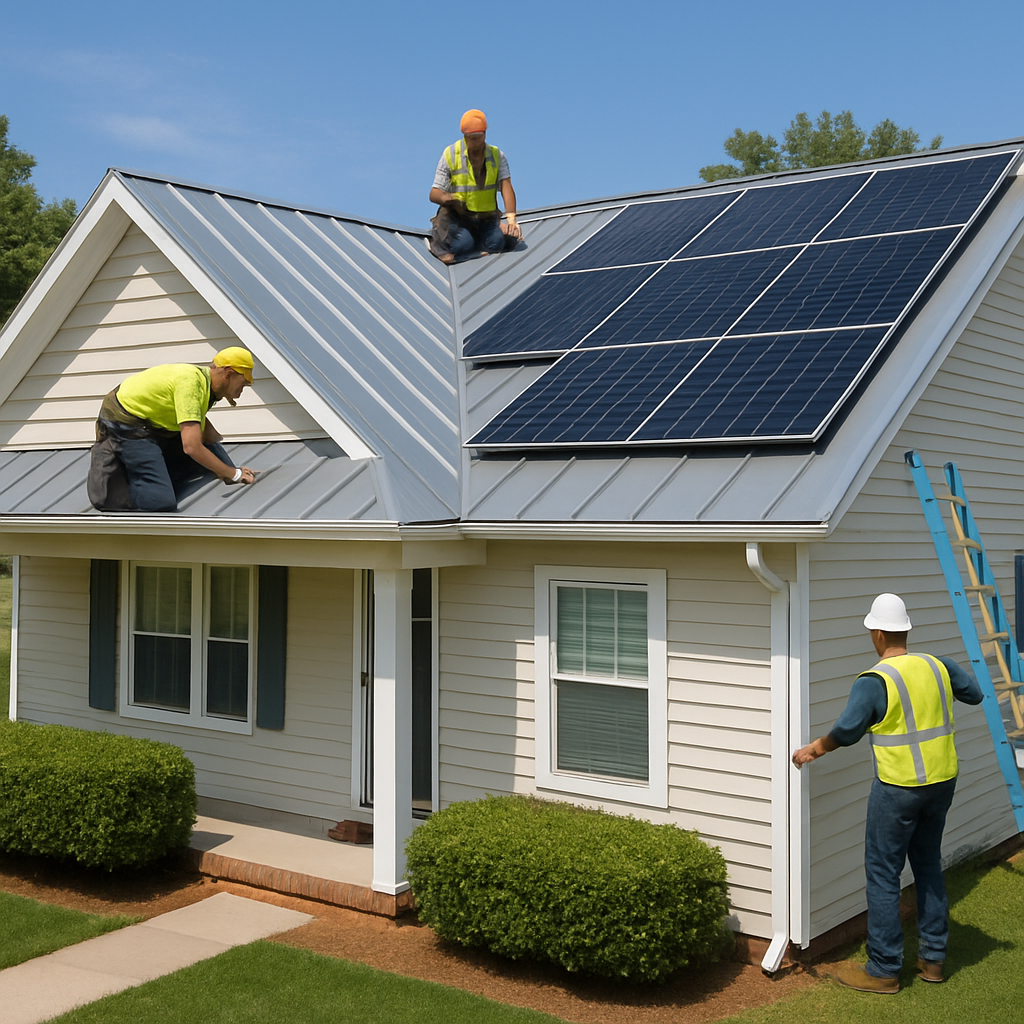
Bottom line: the total cost of a roofing project is a combination of material choice, labor rates, and those “extra” items that protect your home from the unique coastal climate. By breaking each piece down, asking the right financing questions, and hunting for credits, you can turn a daunting price tag into a manageable plan.
So, what’s your next move? Grab a notebook, list the material you like, jot down the hidden costs you’ve heard about, and then call a roofing company Virginia Beach to get a detailed, line‑by‑line estimate with financing options attached.
Maintenance Tips to Extend the Life of Your New Roof
Let’s be real – a brand‑new roof is exciting, but living in Virginia Beach means the salty sea breeze is constantly testing that excitement. You can love the view, but if you don’t give your roof a little TLC, the same breeze can turn into a slow‑acting enemy.
Rinse Away the Salt
Imagine the day after a big storm: you step outside and see a fine white film on the shingles. That’s salt crystals settling, and they’re like tiny sandpaper on your roof’s surface. A simple rinse with a garden hose – preferably in the early morning when the sun isn’t baking the deck – can wash most of that grit away before it starts corroding metal fasteners or breaking down shingle granules. Do it at least twice a year, ideally after a heavy rain and before the summer heat kicks in.
For metal roofs, the effect is even more pronounced. Salt can accelerate oxidation, turning a sleek panel into a dull, rust‑prone one. A gentle soap‑water solution (just a drop of dish soap) followed by a thorough rinse does the trick without stripping the protective coating.
Inspect and Seal Penetrations
Every vent, skylight, chimney, and pipe is a potential entry point for moisture. After a roof install, walk the perimeter with a flashlight and look for any gaps in the flashing or cracked sealant. Those little cracks are where water sneaks in, and in a salt‑laden environment they become breeding grounds for corrosion.
If you spot any, apply a high‑quality, UV‑resistant sealant. It’s a quick fix that can save you from a costly interior repair later. And yes, you should re‑check these spots after each major storm – the wind can shift flashings in ways you wouldn’t expect.
Maintain Ventilation
Ventilation isn’t just about keeping the attic cool; it also helps keep moisture levels low, which reduces the chance of salt‑induced rot. Make sure your intake vents aren’t clogged with debris and that the exhaust vents are clear. A quick visual check every spring and fall is enough to catch leaf build‑up or nesting birds before they become a problem.
Gutter & Drainage Care
Gutters are the unsung heroes of roof longevity. In coastal areas they collect not only rainwater but also that salty spray. If debris clogs the gutters, water backs up and can seep under the shingles, soaking the deck. Clean the gutters at least twice a year and consider installing a gutter guard if you’re tired of the chore.
Also, check the downspouts for proper flow. A slow‑draining downspout can cause water to pool at the roof edge, increasing the time saltwater sits against the roof edge – a recipe for accelerated wear.
Schedule Professional Check‑ups
Even the most diligent homeowner can miss subtle signs of wear. A qualified roofing company Virginia Beach will have a checklist that includes:
Thermal imaging to spot hidden moisture.
Inspection of underlayment for any tears.
Verification that all manufacturer‑recommended fasteners are still secure.
Most reputable crews offer a free or low‑cost annual inspection – think of it as a wellness visit for your roof.
Seasonal Checklist
Here’s a quick cheat‑sheet you can print and stick on the fridge:
Spring:Rinse salt, clean gutters, check vent screens.
Summer:Spot‑check flashing after storms, re‑apply sealant if needed.
Fall:Remove leaves, ensure downspouts are clear, inspect for any wind‑damage.
Winter:Watch for ice dams, keep roof surface clear of snow accumulation.
Following this rhythm keeps the roof in the sweet spot between “just installed” and “needs replacement.”
And remember, the biggest enemy isn’t the wind – it’s the salt it carries. According to local experts on saltwater impact, regular rinsing and sealing are the simplest ways to stave off premature wear.
Bottom line: a roof that’s cared for the right way can outlive the average lifespan by a decade or more. So, grab a hose, keep a checklist handy, and schedule that yearly professional visit. Your home – and your peace of mind – will thank you.
FAQ
What should I look for when hiring a roofing company Virginia Beach?
First, verify they hold a current Virginia contractor’s license and carry both liability and workers’ comp insurance. Next, ask for local references – a good crew will gladly connect you with neighbors they’ve helped. Finally, check that they provide a written estimate breaking down materials, labor, and any warranties. When every line item is clear, you’ll know you’re dealing with a transparent, reliable partner.
How often should I schedule professional roof inspections?
Most experts recommend a full inspection at least once a year, ideally in the spring after the salty winter breezes have settled. If you’ve just had a major storm, call your roofing company Virginia Beach within a week to catch any hidden damage. Pair the professional visit with a quick visual walk‑through yourself – look for missing shingles, rusted fasteners, or debris in the valleys.
Can I combine roof repair with energy‑saving upgrades?
Absolutely. While the crew replaces damaged shingles, ask them to install a reflective “cool‑roof” coating or upgrade to metal panels, which can lower cooling costs by up to 10 %. Adding proper attic ventilation at the same time improves airflow, reduces moisture, and extends the life of both the roof and your HVAC system. It’s a win‑win that many Virginia Beach homeowners find worth the extra upfront investment.
What are the signs that my roof is leaking before water shows up inside?
Watch the attic for damp insulation, musty smells, or water stains on the underside of the deck. Exterior clues include rust on flashing, granule loss around the edges, or water droplets on the underside of eaves after rain. If you notice any of these early warnings, call your roofing company Virginia Beach right away – catching a leak early can save you thousands in interior repairs.
Is a warranty really worth paying extra for?
A solid warranty protects you from unexpected material failures and workmanship issues. Look for at least a 25‑year material guarantee and a 10‑year workmanship guarantee. The extra cost is usually a small percentage of the total project, but it gives you peace of mind that the contractor will stand behind the roof if something goes wrong down the line.
How does saltwater affect my roof and what can I do about it?
Salt crystals act like sandpaper, slowly eroding shingle granules and corroding metal fasteners. The best defense is regular rinsing with fresh water, especially after storms, and applying a protective sealant to vulnerable areas. Many roofing company Virginia Beach crews recommend a yearly underlayment upgrade with a synthetic membrane that resists salt intrusion and extends the roof’s service life.
What financing options are available for a roof replacement?
Many local contractors partner with banks to offer low‑interest home‑improvement loans, often spread over 5‑7 years. Some also provide “no‑money‑down” plans that tie repayment to the expected energy savings from a cool‑roof or metal installation. Before you sign, ask for a written breakdown of interest rates, fees, and total cost so you can compare it against your monthly utility budget.
Conclusion
So, you’ve made it through the whole guide and probably feel a mix of relief and a little lingering doubt about the next step.
Here’s the short version: a trustworthy roofing company Virginia Beach will show you a clear, written estimate, back its work with at least a 25‑year material warranty and a 10‑year workmanship guarantee, and walk you through maintenance tips that keep saltwater from eating away your shingles.
Remember the checklist we built – license verification, insurance proof, local references, a portfolio that matches your home’s style, and a transparent contract that breaks down labor, materials, and any optional upgrades.
When you sit down with a contractor, ask for the wind‑rating chart, request a synthetic underlayment for extra protection, and get a written financing breakdown so you can compare APRs with your expected energy savings.
And don’t forget the simple habit of rinsing your roof twice a year and inspecting flashings after every big storm – those tiny actions add years to the life of your roof.
Your roof deserves the same care you give your family, so treat it like a priority.
Ready to turn knowledge into action? Give LGFMH Construction a call, schedule a free inspection, and let a local partner help you protect your home for the long haul.


Comments