Trim Metal: A Practical Guide to Selecting, Cutting, and Installing Metal Trim for Home and Commercial Projects
- William McKracherne
- Jan 20
- 18 min read

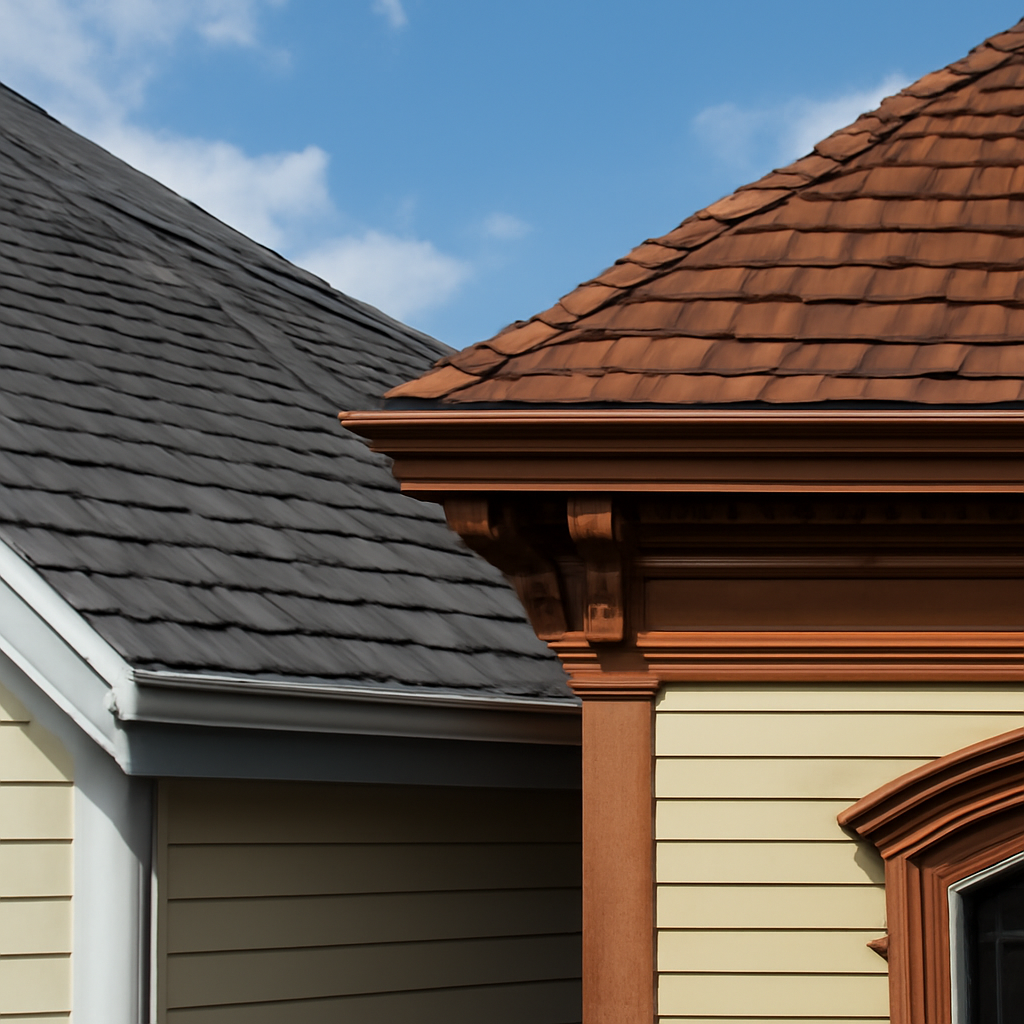
Ever wondered why some roofs look sleek while others feel like a tired old billboard? The trick often lies in the tiny details—specifically, the trim metal that crowns every roof. It’s not just a fashion statement; it’s a frontline defender against wind, rain, and UV glare.
Think of trim metal like the crown on a king’s head—bold, protective, and unmistakable. When it’s installed correctly, it seals gaps, guides water away, and adds a splash of curb appeal that can boost your home’s value in a heartbeat. And when it’s missing or worn, leaks and drafts sneak in like uninvited guests.
What we’ve seen in the field is simple: a fresh batch of 6‑inch aluminum trim that’s flush, properly fastened, and paired with a quality sealant can extend roof life by 10‑15 years. The same goes for zinc or copper, each offering their own aesthetic edge and longevity.
Here’s a quick, step‑by‑step checklist you can run through before your next trim project:
Inspect the existing trim for rust, dents, or loose fasteners.
Measure the length of each ridge—no shortcuts, just accurate cuts.
Choose the right material: aluminum for cost‑efficiency, zinc for durability, copper for a premium look.
If you’re still unsure which material to pick, our Metal Roofing Virginia Beach: A Complete Homeowner’s Guide walks you through pros, cons, and real‑world examples.
And when it comes to writing guides or marketing that talk about trim metal, we’ve discovered that using the right tools can cut your turnaround time by half. That’s why many of our clients now turn to AI writers—just ask about the article that explains How to Use an AI Article Writer to Create High‑Quality Content Fast for their marketing teams.
So, if you’re ready to give your roof the trim it deserves, start by inspecting, choosing wisely, and sealing properly. Your home, your wallet, and your peace of mind will thank you.
TL;DR
A well‑installed trim metal—aluminum, zinc, or copper—acts as a shield against weather, extending roof life by 10‑15 years and adding curb appeal. Inspect for rust, cut precisely, seal, and choose the right material to keep leaks out while your home looks, your wallet and peace of mind will thank you.
Step 1: Identify the Right Trim Metal for Your Project
When you’re staring at a new roof, the first thing that pops into your mind is usually the metal trim – that shiny strip that ties everything together and keeps the rain from creeping in.
But picking the right trim metal isn’t just about picking something that looks good. It’s about picking something that works for your climate, your style, and your budget.
Know Your Environment
Ask yourself, what’s the weather like where you live? In a coastal town with salty air, you’ll need something that resists corrosion. In a desert, you’ll want something that can handle extreme heat.
Different metals respond differently to these conditions. For example, aluminum stays lightweight and rust‑free, but it can dent in a hard storm. Zinc, on the other hand, is tough and self‑sealing, but it costs a little more.
Consider the Aesthetic
Your trim metal should match the vibe of the home. A modern loft might call for sleek aluminum panels, while a colonial could use the warm texture of copper.
Remember that the trim is often the first thing a visitor sees, so it’s worth investing in a finish that compliments the architecture.
Check for Maintenance Requirements
Some metals, like aluminum, need almost no upkeep. Others, like copper, develop a patina over time – which can be beautiful or a maintenance chore, depending on your taste.
Think about how often you’re willing to re‑seal or repaint. A low‑maintenance metal can save you time and money in the long run.
Look at Longevity and Warranty
Good trim metal can extend the life of your roof by 10‑15 years. That’s a huge payoff when you factor in the cost of replacement.
Always check the manufacturer’s warranty. A solid warranty can give you peace of mind if something goes wrong.
Get the Numbers Straight
Ask for a material cost estimate. Aluminum is typically the most budget‑friendly, followed by fiberglass or cellular PVC, and then copper or zinc.
Don’t forget to factor in installation costs – heavier metals can raise labor costs because they’re tougher to lift and secure.
Practical Checklist
Measure roof length and height accurately.
Determine local weather patterns (humidity, salt spray, temperature swings).
Match the trim metal to the architectural style.
Set a maintenance budget and schedule.
Check warranties and return policies.
These quick steps can turn a vague idea into a concrete plan.
Real‑World Example
Take the case of a historic Victorian home in Virginia. The owners wanted to preserve the original look but needed modern protection. They chose 1‑inch copper trim because it blends with the aged look, resists corrosion, and will develop a natural patina over time.
We installed it in a single pass, sealed with a clear polyurethane coat, and the homeowner now enjoys a roof that looks brand new for years.
Do You Know the Difference Between Aluminum and Zinc?
Aluminum is lightweight and easy to install, but it can show dents if hammered. Zinc is heavier, tougher, and can self‑seal after scratches. Your choice depends on your climate and how much time you’re willing to spend on upkeep.
Need more depth? Decoro’s guide to exterior trim materials dives into durability, cost, and finish options for each metal.
They even break down the pros and cons for each material, which can help you decide if a shiny aluminum or a rugged zinc trim fits your project.
How to Verify Your Trim’s Fit
Before you cut, test a small section on a mock‑up or an old panel. Check for gaps, overlaps, and whether the trim slides smoothly over the fascia.
Make sure the metal’s profile aligns with the roof’s pitch and that the fasteners are the correct length to avoid bending.
Final Thought
Choosing the right trim metal is like picking the right jacket for a trip. It has to fit your climate, your style, and your budget. Start with the basics, do a quick on‑site test, and then seal the deal with a reliable material.
Remember: the right trim metal is not just a shield; it’s a statement of quality for your home.
Step 2: Preparing the Metal Surface for Trimming
Before you start trimming, you need to make sure the metal is clean, smooth, and ready to hold the trim. Think of it like getting your skin ready before you apply a fresh layer of sunscreen—if the base is off, the top layer never looks good.
Clean the Surface
Start with a good wash. A quick wipe down with a mild detergent or a dedicated metal cleaner will lift dust, grease, and any light oxidation. Use a soft rag, and don’t forget the corners where water likes to pool. After the wipe, rinse with clean water and let the metal dry completely. A clean surface is the foundation for a long‑lasting trim installation.
While the video shows a quick demo of trimming, the real magic happens in the prep steps that follow. A spotless metal surface keeps paint and sealant from peeling and ensures the trim sits snugly.
For a deeper dive into cleaning and sanding metal before paint, check out this guide on how to prep painted metal for painting . It breaks down each step with practical tips that translate well to trim prep.
Remove Rust and Old Paint
Rust is the silent killer of metal trims. If you spot any flaky or reddish patches, use a rust remover or a light sanding with a 80‑grit pad to lift the corrosion. If old paint is peeling, you’ll want to scrape it off with a plastic scraper or a specialized paint remover. The goal is to expose the bare metal without gouging it.
Don’t rush this part—skipping it can mean your new trim will crack or loosen in a few years. Once you’ve cleared the surface, wipe again to get rid of dust from sanding or scraping.
Scuff and Sand
After the metal is clean, it’s time to scuff the surface. Scuff sanding creates a rough texture that gives the new paint or sealant something to grip. Use a medium‑grit sandpaper—around 120 grit works well for most metal types. Move in the direction of the trim’s slope to avoid creating uneven spots.
Keep the sanding light; you’re not shaving off a layer, you’re just roughening the top. Once the surface feels slightly sanded to the touch, wipe away the dust with a tack cloth or a damp rag.
For a quick list of the best tools to cut and shape metal trims, check out this roundup of essential metal cutting tools . A good set of scissors or a metal‑cutting saw makes the trimming job a breeze.
Prime for a Durable Finish
Now that the metal is clean and scuffed, apply a primer that’s designed for metal. Primer not only locks in the paint but also adds a layer of protection against future rust. Let it cure for the time specified on the product—usually 24 hours for most primers.
Once the primer is dry, you’re ready to lay the trim. The trim will sit flush, seal properly, and resist the weather for years. If you’re unsure about the primer brand, we’ve tested a few in our projects; look for one labeled “metal‑specific” on the label.
Quick Checklist
Clean with detergent, rinse, dry.
Remove rust or old paint with a scraper or rust remover.
Scuff with 120 grit sandpaper; wipe dust.
Apply metal primer and let cure.
Proceed to trim installation.
Doing these prep steps might feel like extra work, but it pays off by making the trim look professional and last for years. A well‑prepared metal surface is the secret behind a trim that looks as good on the fifth year as it did on day one.
Step 3: Cutting and Shaping the Trim Metal
When you’re staring at a fresh batch of trim metal, the first thing that jumps out is the choice of tools. A sharp blade is like a good pair of scissors for a haircut – it makes the cut clean and the rest of the job feel effortless.
So, what makes a good cutting tool for trim metal? Let’s break it down.
Tools That Matter
For most trim jobs, a metal‑cutting saw or a heavy‑duty pair of metal scissors are your go‑to. A CNC machine is overkill for a homeowner but is great for custom profiles or very tight tolerances.
If you’re going the DIY route, a hacksaw with a fine tooth, a reciprocating saw set to metal, or a scroll saw with a fine blade can get the job done.
For the pros, the industry standard is a CNC mill or laser cutter that can produce the exact angle and length you need. The precision of CNC metal cutting is highlighted in the CNC metal cutting guide, which explains how digital controls yield repeatable, tight tolerances.
Choosing the Right Cutting Method
Think of the trim’s profile. If you’re trimming a straight 90‑degree angle, a simple saw or a scroll saw works fine. For beveled edges or decorative cuts, a jigsaw with a fine blade or a CNC laser can give you a smoother finish.
When you cut at the wrong angle, the trim won’t seat flush and can leave gaps where rain sneaks in. That’s why many installers pre‑measure and set the angle on a jig before making the cut.
Shaping for a Seamless Finish
After cutting, you’ll need to shape the trim to fit the roof’s pitch. A small hand file or a Dremel with a metal burr can clean up any burrs left from the saw.
In many cases, a 2‑inch long bevel is all you need to guide water away. A simple trick is to slide the trim over a piece of plywood cut to the same slope and slide the metal along it.
Common Pitfalls and How to Dodge Them
1.Skipping the angle check.Always double‑check that the trim’s slope matches the roof pitch.
2.Over‑tightening fasteners.The trim will bend if you force it. Use a torque wrench to keep it within spec.
3.Ignoring rust spots.Even a small rust patch can cause a future leak. Clean it with a wire brush before you finish.
When to Call the Pros
In our experience, if the trim’s profile is custom or you need to cut a large batch with identical tolerances, it’s worth outsourcing to a CNC shop. That guarantees consistency and saves you a lot of re‑work.
Another red flag is if you’re working with copper or zinc, which can be tricky to cut without leaving a rough edge that attracts corrosion.
Quick Checklist
Measure roof pitch and trim length accurately.
Select the proper cutting tool for the trim profile.
Set the correct angle on a jig or template.
Cut, then file or sand to smooth edges.
Inspect for burrs or rust before installation.
Secure with fasteners at the recommended torque.
Cutting Method | Tool Needed | Best For |
Hand Saw | Metal Scissors or Hacksaw | Straight cuts, small jobs |
CNC Mill | Computer‑controlled CNC | Custom profiles, high precision |
Laser Cutter | Laser cutting machine | Thin sheets, intricate shapes |
So, what should you do next? Grab your measuring tape, set up a quick jig, and take the first cut. If the trim looks good and the angles match the roof, you’re halfway there.
Remember, the quality of the cut sets the tone for the whole installation. A clean edge means the trim sits flush, seals properly, and stays protected for years. Give yourself the time to do it right, and you’ll see the difference in the finished look.
Step 4: Installing and Securing the Trim Metal
Okay, you’ve cut those trim pieces like a pro. Now it’s time to put them on the roof and lock them down. This step is where the finish starts to feel real. It’s not just about pushing metal into place; it’s about making sure every edge sits tight, every fastener is in the right spot, and the seal is airtight.
First off, lay your trim on the roof in a dry run. Think of it as a rehearsal for the big act. Place each section on the fascia, aligning the slope with the pitch you measured in the previous steps. If you can see a gap, you’ll know where to adjust before you nail or screw.
Choose the Right Fastener
When you’re working with metal trim, screws are king. They give you the clamping force you need and they won’t loosen over time like a nail can. For aluminum or zinc, use stainless‑steel or coated screws that match the trim’s finish. For copper, a brass screw keeps the look cohesive. Learn more about the right fastener choice in a practical guide How to install wall trim .
In our experience at LGFMH Construction, we’ve seen that a single undersized screw can pull the trim away after a storm. So, double-check the length and thread pitch before you hammer away.
The Mechanical Bond Advantage
Think of the trim as a piece of armor. The mechanical bond – screws plus a primer or adhesive – is what keeps that armor from shifting. If you’re installing in a high‑traffic area, or where the roof will experience a lot of movement, go for a dual‑fastener approach: a screw in the front and a backing screw behind the trim for extra grip.
For those who like a clean look, you can hide the screws with a metal trim fastener cap. Those little caps look like a second layer of metal but actually just keep the screws from showing.
Seal the Gap, Seal the Roof
Even the best fasteners can leave a micro‑gap. That’s where a high‑performance sealant comes in. A silicone or polyurethane sealant will expand as it cures and fill tiny voids, preventing wind or water from finding a path. Apply the sealant in a steady bead along the trim’s underside, then wipe away any excess before it sets.
If you’re using a two‑part polyurethane adhesive, be sure to keep the trim in place for the set time. A clamp can help hold the trim until the adhesive “green‑strengths.” For detailed glue recommendations, check out a trusted guide on choosing the best trim adhesive Choosing and using the best glue for trim .
Check for Stress Points
After you’ve nailed, take a quick walk around the trim. Look for any signs of stress – a warped section, a loose screw, or a crack. Tighten any fasteners, trim any burrs, and apply a second bead of sealant if needed. A quick inspection now can save you headaches a year from leaks or rot.
Remember, a properly secured trim metal is your roof’s frontline defense. It keeps rain out, directs water off the edges, and protects the fascia from the elements. It also looks great – a clean, flush finish shows you took the time to do it right.
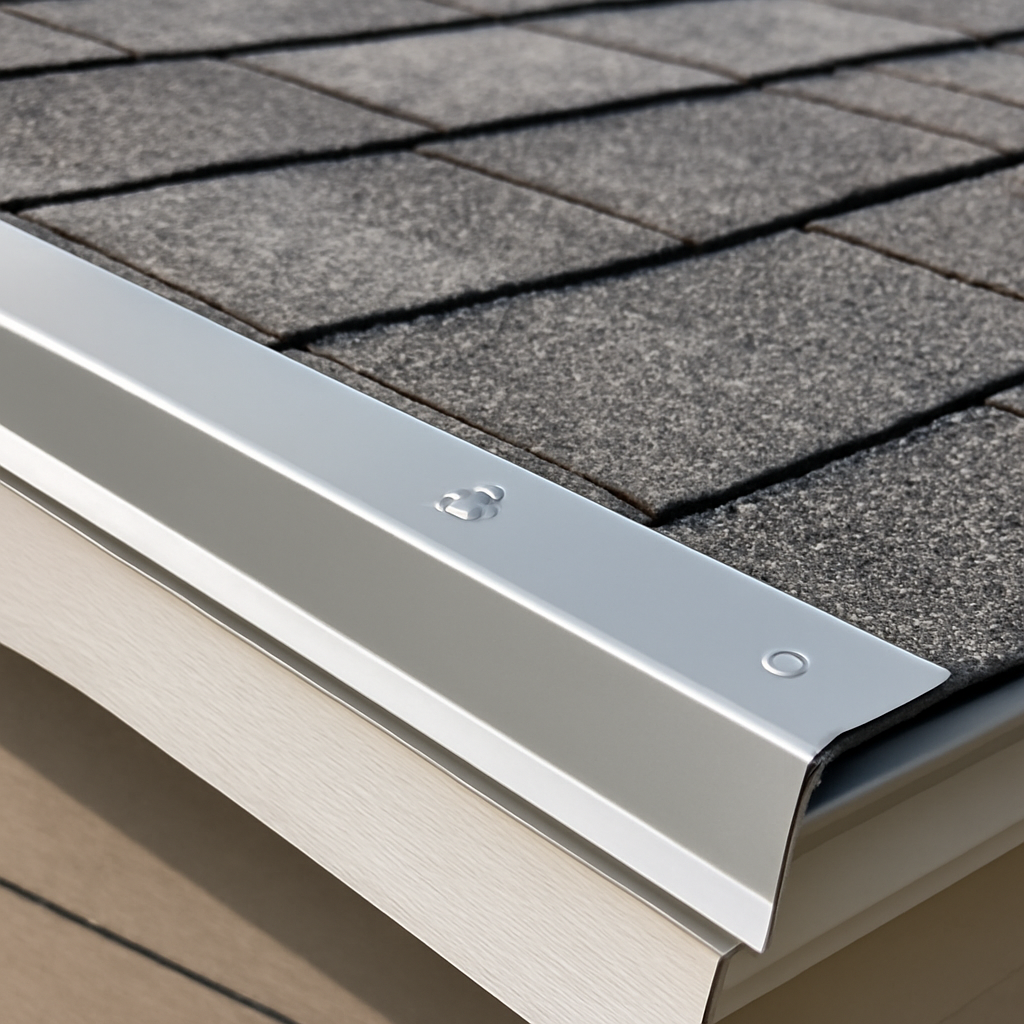
So, what’s the one thing you should do right after you finish the installation? Take a moment to step back and check that the trim lines up perfectly with the roof’s slope. If everything looks good, you can finally breathe a sigh of relief and move on to the finishing touches. The next step will be applying a protective coating, but that’s a story for another day.
Step 5: Finishing Touches – Polishing and Protecting
All that hard work on the roof now feels like the final brushstroke of a painting. The trim metal’s look can make or break the whole roof’s curb appeal.
Polishing isn’t just about making shiny lines; it’s a shield that keeps oxidation, rust, and water stains at bay. When you’re proud of the finish, you’re also proud of the longevity.
Why a Shine Matters
Think about the first time you saw a freshly cleaned car. The glare off the hood made it feel brand‑new. That same reaction happens when your trim metal reflects light cleanly.
A dull trim can trap moisture, accelerating corrosion, especially in coastal climates or where rain is heavy. A well‑polished surface repels water and gives your roof a fresh, professional look.
Polishing Basics
Start with the right grit. A coarse pad will erase deep scratches; a finer grit smooths the metal and prepares it for a final polish.
Wet sanding works best for aluminum and stainless steel because it keeps the surface cool and removes grit particles, reducing scratches. Dry sanding is fine for quick touch‑ups but can heat the metal.
Use a circular motion, keeping the pad flat against the metal. Stop if you feel the pad slipping; a loose pad can create uneven spots.
Tools you’ll need
Silicon carbide sandpaper (10–100 grit)
Water source or spray bottle
Soft rag or tack cloth
Polish or wax (optional)
For a step‑by‑step guide on how to polish metal by hand, this article from eQualle Sandpaper breaks it down into easy‑to‑follow sections.
Protecting the Finish
Polishing alone isn’t enough. A clear polyurethane or marine sealant locks in the shine and adds a protective layer against UV, salt spray, and everyday wear.
Apply the sealant in a thin, even coat, using a small roller or brush. Let each layer dry fully—usually 24 hours—before adding the next. Multiple thin layers perform better than a single thick one.
Once sealed, the trim doesn’t need constant fuss. Just check it once a year for signs of wear, and give it a quick wipe with a microfiber cloth. If you live near the coast, consider a yearly re‑seal every two years; the salt spray can erode even the toughest sealants. Most homeowners find that a simple wipe and a quick touch‑up keeps their trim looking new without the headache of a full re‑coat.
After sealing, give the trim a quick wipe with a microfiber cloth to catch any dust that may settle while the coating cures.
At LGFMH Construction, we’ve seen how a properly sealed trim can stay gleaming for years, even in the salty breeze of Chesapeake Bay.
Take a moment to step back, spot any missed spots, and touch up if needed. A polished, protected trim not only looks great, but also tells your roof that you care about its future.
So, grab your sandpaper, give your trim a fresh shine, and seal it up. The result? A roof that stands out, stands strong, and stays beautiful, season after season.
Step 6: Maintenance and Troubleshooting Common Issues
You’ve put the trim on the roof, sealed it, and you’re proud. But even the best‑sealed trim can develop small problems over time.
In the first year, dust and weather can settle, and the sealant may start to crack if exposed to temperature swings.
So, how do you keep that trim looking fresh without doing a full re‑coat every year? The trick is regular inspection and quick touch‑ups.
Spot the Signs Early
A cracked seal, a soft spot where water seeps in, or a dull patch can mean the coating is losing its bite.
When you notice a crack, don’t wait. A small bead of high‑performance polyurethane can fill the gap in minutes and restore the barrier.
If you’re in a coastal zone, salt spray will bite even the toughest seal. A yearly re‑seal every two years is the best defense.
Routine Cleaning Checklist
Wipe with a microfiber cloth once a month to remove grit.
Use a mild soap solution the first time you clean; it won’t strip the finish.
Rinse thoroughly and let it dry completely before reapplying any sealant.
These steps might sound simple, but they’re the difference between a trim that stays new and one that starts to peel.
When to Call a Pro
If you see rust forming on the metal itself, or if the trim starts to warp, it’s time for a professional inspection.
LGFMH Construction can help with resealing, patching, and even replacement of damaged sections. Our crews know the right fasteners and sealants for every climate.
Common Troubleshooting Scenarios
1. Cracked Sealant
Use a silicone caulk that expands as it cures. It’s flexible and can absorb movement without cracking again.
2. Loose Fasteners
Check all screws for tightness. A simple torque wrench can save you from future gaps.
3. Water Stain
Apply a thin layer of marine paint; it protects the metal and keeps the aesthetic sharp.
4. Corrosion Spots
If you spot a brown patch, clean with a mild rust remover and re‑seal immediately.
These quick fixes are the backbone of long‑term trim care.
Why Documentation Helps
Keep a maintenance log with dates and photos. It gives you a timeline and lets you spot patterns before they become major issues.
A few weeks after a storm, revisit the trim and note any changes. That’s a proactive habit that can save thousands.
Finally, remember that trim metal is an investment in your home’s integrity. Regular upkeep pays off faster than a costly repair.
Ready to roll up your sleeves? Start with a quick wipe, check for cracks, and schedule a yearly touch‑up. Your roof will thank you.
Seasonal check‑ins are your best friends. A quick walk‑through in late winter can spot hidden moisture before the next heavy rain.
If you’re unsure about any sealant type, test a small patch on a hidden area first. A quick cure test can save you a costly mistake later.
Keep it simple.
For more advanced trimming tech, the guide on navigating trim issues with steel studs and router bits offers deeper insight.
For a deeper dive into long‑term trim care, check out the comprehensive guide from Sinriya .
FAQ
What are the most common problems homeowners face with trim metal?
Trim metal can develop loose fasteners, thin paint layers that crack, or rust spots that seep water inside. Weather cycles stress the metal and sealant. Homeowners often miss hidden corrosion because paint looks fine. A quick visual inspection after storms catches these problems before costly leaks.
How often should I check my trim metal for damage?
Check trim twice a year—once in late spring after snow melt, again in late fall before heavy rain. If you’re coastal, do it quarterly because salt spray speeds corrosion. During each visit, look for tiny cracks, loose screws, or discoloration that might hint at water intrusion.
Can I repair a cracked sealant on my trim metal myself?
Repair a cracked sealant: clean the area with a mild solvent to remove old residue. Apply high‑performance silicone or polyurethane that expands a bit as it cures—this flexibility prevents future cracks. Brush a neat bead, let it cure 24 hours, then test with a quick splash of water.
What materials should I avoid in humid climates?
Humid regions: avoid unprotected aluminum and plain galvanized steel—they corrode quickly. Prefer stainless steel, weather‑resistant zinc (which self‑seals), or copper if budget allows. If you must use aluminum, apply a heavy marine‑grade primer and sealant to keep moisture out.
How does the choice of trim metal affect roof longevity?
The metal you pick sets how long your roof stays dry. Aluminum lasts ~30 years if sealed well but can dent from hail. Zinc is heavier, self‑seals, and can last 40 years. Copper, pricey, builds a patina that keeps a roof leak‑free for 50+ years with proper care.
What’s the best way to clean trim metal without damaging the finish?
Clean trim with pH‑neutral soap and warm water using a soft cloth. Skip abrasive pads or harsh chemicals that strip coating. After rinsing, dry with a microfiber cloth. Spot‑treat rust with dedicated remover, then re‑seal that spot with matching primer before reapplying sealant.
When should I replace trim metal instead of just repairing it?
Replace trim when corrosion is widespread—thick rust, pitting, or warping—because patches won’t restore integrity. Also replace if sealant cracks everywhere and the metal is already weakened. A full replacement is cheaper long‑term than patching, just like fixing a leaky roof fully rather than sealing a few holes.
What tools do I need for trim maintenance?
For routine upkeep you only need a few basics: a hand drill with stainless‑steel screws, a silicone brush or caulk gun for sealant, a small file or Dremel to trim burrs, and a microfiber cloth for cleaning. If you’re in a high‑wind area, a torque wrench helps ensure screws stay tight over years.
How do I know if my trim metal is the right size for my roof pitch?
Measure the slope of your roof in inches per foot, then compare it to the trim’s built‑in slope value. Most manufacturers list the angle on the product spec. If your roof is steeper than the trim’s angle, the metal won’t sit flush and water will run off the wrong place. In that case, look for a trim with a higher pitch rating or consider a custom cut.
Conclusion
We’ve walked through every nail, every sealant, every rust spot, and you’re probably thinking, “I can do this myself.”
But the truth is, the smallest slip can mean a leak a season later.
What matters most? Consistency.
Set a quarterly check‑in, jot down dates, grab a microfiber cloth and a quick spray of water.
If you spot a crack, a tiny bead of silicone can seal it before it grows.
And don’t forget the slope—make sure the trim still aligns with your roof after a storm.
Your trim metal isn’t just a decorative edge; it’s a frontline barrier that protects the whole roof.
When the weather turns harsh, you’ll thank the tiny steps you took to keep it sealed.
So, what’s next? Take a photo, mark a calendar, and give yourself that peace of mind.
At LGFMH Construction, we’ve seen how a simple routine can extend a roof’s life by decades.
Keep the trim looking fresh, and the rest of your home will thank you.
Remember, every rust spot you catch early saves you the cost of a full replacement later. Treat your trim metal like a fund—invest a little now, reap a lifetime of peace.
Stay proactive, stay protected.


Comments