Understanding Fascia: A Practical Guide to Health and Performance
- William McKracherne
- Jan 19
- 18 min read

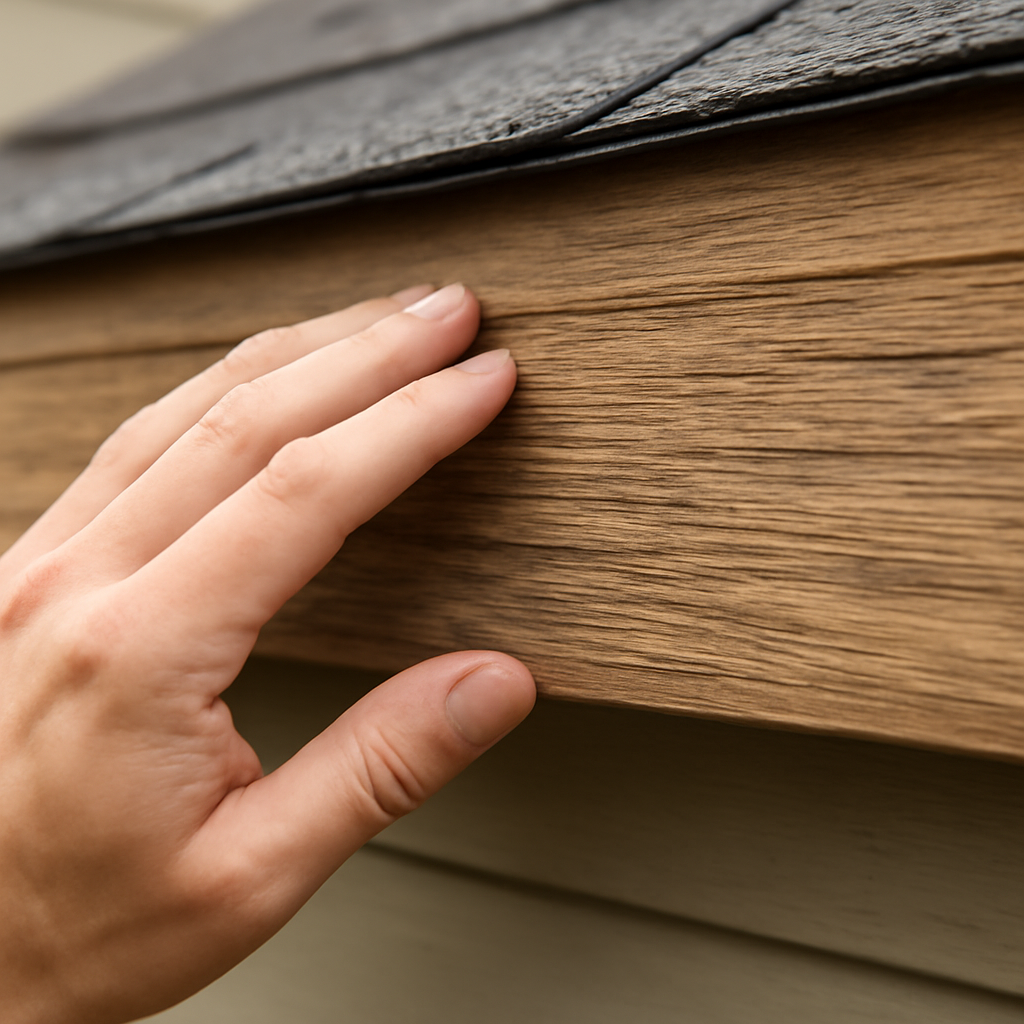
Ever stood on your porch and stared up at that thin board hugging the roof edge, wondering why it matters at all? That's the fascia, the unsung hero that keeps rain, pests, and wind from sneaking into your home’s bones.
Most homeowners think of it as just another trim piece, but the truth is a little more personal. When the fascia starts to rot or warp, you’ll notice water stains on your siding, a musty smell in the attic, or even a squeaky sound every time a gust hits. It’s that moment when you realize the little board you never thought about is actually holding the line between a dry interior and a costly repair.
So, why does fascia deserve a spot in your home‑maintenance checklist? First, it protects the vulnerable edge of your roof where shingles end. Second, it gives your gutters something solid to sit on, preventing them from sagging and spilling water onto the foundation. And third, a well‑kept fascia adds a crisp, finished look that boosts curb appeal – something we’ve seen time and again when homeowners decide to sell.
Think about the last time you tried to clean your gutters. Did you have to crawl on a shaky ladder because the board underneath was rotting away? That’s the kind of hassle a healthy fascia eliminates. It’s like the sturdy frame of a picture; without it, the whole image wobbles.
In our experience at LGFMH Construction, we’ve helped dozens of families spot early signs – like peeling paint, cracks, or insects making a home in the wood. Catching those clues early means a simple repair, not a full replacement that can run into the thousands.
Now, you might be wondering: how do you know if your fascia is on the brink? Look for discoloration, soft spots when you press, or water streaks on the wall below. If any of those ring a bell, it’s time to take a closer look.
We’re not here to scare you, just to give you a heads‑up. By giving fascia a little love now, you save yourself headaches – and money – down the road. Ready to see what a quick inspection looks like? Let’s dive in and explore the simple steps you can take today.
TL;DR
A healthy fascia protects your roof, keeps gutters steady, and stops water and pests from sneaking into your home for your family.
Spot the warning signs—discoloration, soft spots, or water streaks—and a quick inspection or repair can save you costly damage down the road, preserving curb appeal and peace of mind.
What Is Fascia? Anatomy and Functions
When you hear the word "fascia" you might picture a fancy Italian sauce, but in reality it's a thin, web‑like sheet of connective tissue that wraps around every muscle, bone, organ, and nerve in your body. Think of it as the body’s own zip‑tied packaging – it holds everything together while still letting you move freely.
Here’s the thing: fascia isn’t just a passive wrapper. It’s alive, slick with a slippery fluid called hyaluronan, and it constantly adapts to the stresses you put on it. When you stretch, the layers glide over each other. When you sit too long, they can dry out, stick, and start pulling you into that tight, achy feeling you’ve probably felt after a long day at the desk.
There are four major layers to know:
Superficial fascia
That’s the layer right under the skin. It’s thicker around the torso and thinner on your hands and feet. It even contains small bundles of muscle fibers that help form things like the “panniculus” in the belly.
Deep fascia
Deep fascia surrounds your muscles, bones, nerves, and blood vessels. It’s the sturdy sheath that gives your musculoskeletal system its shape. Sub‑types include the visceral fascia that hugs internal organs (like the lungs and heart) and the parietal fascia that lines body cavities such as the pelvis.
Because deep fascia is packed with collagen, it’s strong yet flexible. When it gets stressed – say from repetitive lifting or poor posture – it can tighten up, creating those notorious “trigger points” that feel like tiny knots.
Visceral and parietal fascia
Visceral fascia wraps around organs, letting them glide smoothly during breathing or digestion. Parietal fascia lines the walls of cavities, acting like a protective inner lining. If either layer loses its hyaluronan, friction increases, and you might notice discomfort in places you wouldn’t expect – like a dull ache in your lower back after a heavy meal.
So why does any of this matter for a homeowner like you? Because the same principles that keep your body moving apply to the fascia on your house. The fascia board on a roof is the thin strip that protects the edge, much like the body’s superficial fascia protects the skin. When it rots or warps, the whole system gets out of sync – gutters sag, water seeps, and you end up with costly repairs.
Let’s bring it back to the house. Imagine you’re installing a new gutter system. If the fascia board underneath is compromised, the gutters won’t have a solid anchor and will start to pull away after a few rainstorms. That’s why checking the health of your fascia is the first step before any exterior project.
Here are three practical steps you can take right now to keep both your body’s fascia and your home’s fascia in good shape:
Move daily. Even a five‑minute walk or a quick stretch every hour helps keep hyaluronan flowing. For the house, walk the perimeter of your roof and press gently on the fascia board – it should feel firm, not soft or crumbly.
Hydrate and moisturize. Drinking water supports tissue elasticity, and applying a breathable sealant to your fascia board prevents moisture from seeping in.
Schedule a professional check. If you notice paint bubbling, water stains, or a sagging gutter, call a pro. Our team at Repairs Soffit Fascia | Lgfmh Construction can assess both the board and any hidden damage before it escalates.
And if you’re curious about how fascia concepts translate to clever home upgrades, you might enjoy reading about creative garage apartment ideas for every budget. The same idea of using every layer efficiently applies whether you’re building a tiny living space or simply maintaining the structural “wrappers” of your home.
Bottom line: fascia is the hidden scaffold that lets you move, breathe, and stay dry. Keep it supple, keep it protected, and you’ll avoid the painful knots – whether they’re in your shoulder or on your roof.
Common Fascia Issues and Symptoms
Ever felt that tight knot in your shoulder that just won’t quit, even after a good stretch? That’s a classic sign that the fascia around the muscle is misbehaving. In the same way, a warped fascia board on your roof can create a whole cascade of problems you’ll notice from the inside of your home.
When Your Body’s Fascia Starts Acting Up
One of the most common complaints is persistent muscle pain that doesn’t fade with a simple rest. The medical community calls this myofascial pain syndrome . You might notice:
Localized tender spots—called trigger points—that hurt when pressed.
Referred pain that jumps to other areas, like a shoulder ache that suddenly feels like a neck or upper‑back throb.
Stiffness that worsens after sitting at a desk, driving, or any repetitive motion.
Stress, poor posture, or over‑use of a muscle can all tighten the fascial layers, turning everyday tension into a chronic ache.
So, what does that mean for you on a day‑to‑day basis? If you’ve tried a quick massage, a hot shower, or a few stretches and the pain still lingers, it’s probably time to look deeper—literally—at the fascia.
Home‑Improvement Version: Fascia Board Red Flags
Switching gears to the house, the fascia board is that thin strip you see hugging the roof edge. When it’s healthy, it’s a silent guardian. When it starts to fail, you’ll see clues that are easy to miss if you’re not looking.
Typical symptoms include:
Peeling or bubbling paint along the roofline.
Soft, spongy spots when you press the board—think of it like a bruise on the wood.
Water stains or streaks on the siding directly below the board.
Gutters that sag or pull away from the wall, often accompanied by a rattling sound in the wind.
Even a faint, musty smell in your attic can be a warning that moisture is getting behind that board.
Does this sound familiar? Maybe you’ve noticed a few of these signs but weren’t sure if they were “just paint” or something more serious.
Spotting the Overlap: Why the Same Language Helps
Both your body’s fascia and your home’s fascia board share one thing: they’re all about support and movement. When either one stiffens or degrades, the system it belongs to starts to wobble. That’s why we love to draw the parallel—it makes the warning signs feel a lot more relatable.
Here’s a quick checklist you can run through on a sunny weekend:
Walk the perimeter of your roof and gently tap each board. It should feel solid, not mushy.
Inspect the paint for any bubbling, cracking, or flaking—especially after a heavy rain.
Check the gutters for sagging or gaps where water might be escaping.
If anything feels off, it’s a cue to act before a small issue becomes a costly repair.
That short video walks you through a visual inspection, showing exactly where to press and what a healthy board looks like. It’s a handy reference if you’re more of a visual learner.
What to Do When You Find a Problem
If you discover a soft spot or a persistent muscle knot, the first step is to address the underlying tension. For the body, regular movement, targeted stretching, and maybe a professional massage can release those trigger points. For the house, a quick sealant or a replacement board can stop water from sneaking in.
Remember, the sooner you catch it, the easier the fix. A tiny patch or a few minutes of foam rolling now can save you a big repair bill—or a weekend of aching muscles—later.
Got a list of symptoms you’ve noticed? Jot them down, compare them to this checklist, and you’ll have a clear picture of whether you need a DIY fix or a professional’s help.
Self‑Massage Techniques for Fascia Release (Video)
Alright, you’ve spotted that tight spot in your shoulder or felt a stubborn knot in your lower back, and you’re thinking, “I could call a pro, but what if I just roll it out myself?” That’s where self‑myofascial release (SMR) steps in – a simple, low‑cost toolbox you can keep on the couch or in the garage.
Why a Video Helps
Seeing someone actually move a foam roller or a lacrosse ball does more than reading a list of steps. Your brain picks up the rhythm, the pressure cues, and the subtle adjustments you’d otherwise miss. A quick visual guide can shave minutes off your learning curve and keep you from over‑pressuring a sensitive area.
One of the most straightforward demos is on YouTube , where a trainer walks you through a basic back‑roll and a targeted shoulder release. The video pauses at each “hold” point, so you can feel the tension melt before you move on.
Getting Started – The Basics
1.Warm‑up briefly.A five‑minute walk, gentle arm circles, or a few cat‑cow stretches get blood flowing and make the fascia more pliable.
2.Choose the right tool.A medium‑density foam roller works great for larger muscle groups like the quads or back. For pinpoint work, grab a tennis ball, lacrosse ball, or even a smooth rubber massage ball.
3.Start light.Begin with a soft roll across the entire muscle belly. Think of it as “scanning” the area, not crushing it. If you hit a tender spot, pause and let the pressure sit for 20‑30 seconds – you might feel a slight “burn” that eases into relief.
Step‑by‑Step Routine (10‑Minute Quick Fix)
Back & Upper‑Body Release
Lie on a foam roller placed horizontally under your shoulder blades.
Cross your arms over your chest or support your head with your hands.
Roll slowly from the base of your ribcage up to the top of your shoulders, pausing at any knot for a deep breath.
When you find a tight band, shift slightly to target one side, then the other, holding each spot for 20 seconds.
Shoulder & Neck Release with a Ball
Stand against a wall, place a lacrosse ball between your shoulder blade and the wall.
Lean into the ball, letting your body weight create pressure.
Move your arm overhead in a slow “windshield‑wiper” motion, feeling the fascia stretch.
Stop when you notice a release; hold that position for a few breaths, then repeat on the opposite side.
These moves take about ten minutes, but you can extend the time if you have more knots to chase.
Real‑World Example: The Weekend Warrior
Imagine you spent Saturday assembling a new deck, lifting lumber, and hauling bags of soil. By Sunday morning, your lower back feels like a stiff board. Instead of reaching for ibuprofen, you grab a foam roller, follow the back‑roll steps, and spend a few minutes rolling. Within minutes, the tightness eases, you can bend to tie your shoes without wincing, and you avoid missing a family BBQ.
Another scenario: a home‑owner who’s been cleaning gutters on a ladder all summer notices shoulder soreness. A quick ball‑release before bedtime lets the muscles unwind, preventing the nagging ache that often turns into a doctor visit.
Pro Tips from the Field
•Consistency beats intensity.A 5‑minute SMR session three times a week yields better long‑term flexibility than a 30‑minute marathon once a month.
•Stay hydrated.Fascia is water‑rich; drinking plenty of fluid helps it glide smoother after you’ve rolled it out.
•Avoid bony landmarks.The spine, ribs, and joints can bruise if you press too hard. Keep the roller on muscle tissue.
•Combine with dynamic stretches.After rolling, do a few leg swings or arm circles to lock in the newfound range of motion.
Safety Check – When to Pause
If you feel sharp, stabbing pain, stop immediately. That’s a signal your fascia is irritated, not ready for deeper pressure. Also, skip SMR on inflamed joints or open wounds – those need professional care.
And remember, self‑massage isn’t a replacement for a skilled therapist when you have chronic issues, but it’s a solid first line of defence that keeps you moving and saves you from costly repairs – whether that repair is on your body or your home’s fascia board.
So, grab that roller, hit play on the video, and give your fascia the love it deserves. Your muscles – and your roof – will thank you.
Foam Rolling vs. Professional Myofascial Therapy – Comparison
You've probably wondered whether a cheap foam roller can truly stand up to a seasoned therapist's hands. Trust me, the answer isn't black‑and‑white – it depends on what you need right now.
What each approach actually does
Foam rolling is self‑myofascial release. You press your body against a cylinder, roll slowly, and let the pressure melt away adhesions. The research behind foam rollers shows they lower muscle soreness, boost blood and lymph flow, and can nudge your range of motion up a notch.
Professional myofascial therapy, on the other hand, brings trained hands, deeper palpation, and a tailored treatment plan. A therapist can feel subtle tissue restrictions, adjust pressure in real time, and combine release with guided stretching or activation drills.
Key differences at a glance
Factor | Foam Rolling (DIY) | Professional Myofascial Therapy |
Cost per session | One‑time purchase ($20‑$60) | $80‑$150 per hour |
Accessibility | Anytime, any place | Appointment needed, limited slots |
Depth of pressure | Self‑controlled, limited by body weight | Hands‑on, can reach deeper layers safely |
Customization | General, based on your intuition | Individualized assessment and technique |
Recovery speed | Good for post‑workout relief | Often faster for chronic issues |
Notice how the table lines up with everyday concerns? If you’re juggling a busy schedule, the DIY route wins on convenience. If you’re dealing with persistent pain that hasn’t budged after weeks of rolling, a therapist’s expertise might be the game‑changer.
When foam rolling shines
Imagine you just finished a long day moving furniture. Your quads feel tight, and you need a quick fix before dinner. Grab the roller, spend five minutes on each leg, and you’ll likely feel less stiffness within minutes. The benefits are short‑term, but they stack up when you repeat them consistently.
Foam rolling also doubles as a warm‑up tool. Because it can improve short‑term range of motion without the performance dip that static stretching sometimes causes, athletes often roll before heavy lifts.
When you should book a therapist
If you’ve been battling a nagging shoulder ache for months, or you notice scar tissue after an injury, self‑massage might only scratch the surface. A therapist can locate the exact trigger point, apply sustained pressure, and guide you through corrective exercises that keep the fascia from re‑sticking.
Another scenario: you have a condition like myofascial pain syndrome where pain radiates to other areas. Professional treatment can address the neural component – something a roller can’t fully replicate.
And here’s a subtle but real perk: many people report feeling calmer after a therapist session. The nervous system shifts toward parasympathetic dominance, lowering stress hormones. That mental reset is hard to quantify, but you’ll notice it.
So, what’s the sweet spot? Use foam rolling as your daily maintenance routine, then schedule periodic visits to a qualified therapist for deeper work and to keep your fascia from reverting to old habits.
Bottom line: both methods target the same tissue, but they differ in precision, cost, and how quickly they can resolve chronic problems.

Ready to decide? Start with a simple 10‑minute roll after each workout. Track how your mobility changes over two weeks. If you still feel tight spots or lingering pain, give a local myofascial therapist a call. The combination often delivers the best of both worlds.
Integrating Fascia Care into Daily Fitness Routines
Ever finish a workout and feel like your muscles are still holding onto yesterday’s tension? That’s your fascia sending a little SOS. It’s not just a post‑exercise ache – it’s the connective tissue that’s gotten a bit sticky from sitting too long or moving the wrong way.
Here’s the thing: you don’t need a fancy gym class to keep that tissue happy. A few intentional moves woven into the stuff you already do can make a world of difference. Think of it as a daily “fascia tune‑up” that fits in between the squats and the coffee break.
Start with a fascia‑friendly warm‑up
Before you load the bar, spend 3‑5 minutes on gentle, whole‑body motions. A cat‑cow flow on all fours loosens the spine and hips, while a standing forward fold lets the hamstrings and the fascia that runs along the back of the leg glide together. The goal isn’t to break a sweat – it’s to get the fluid (that hyaluronan stuff) moving.
Does that sound too “yoga‑ish” for a strength session? Not at all. In fact, research shows even low‑intensity stretching beats doing nothing at all when it comes to keeping fascia supple (Greatist) .
Roll it out, but roll it right
Foam rolling is the most popular DIY tool, and for good reason. After you finish your main lifts, grab a medium‑density roller and spend about a minute on each major muscle group – quads, calves, glutes, upper back. When you hit a tender spot, pause, breathe, and let the pressure sit for 20‑30 seconds. That “hold” is where the fascia starts to release.
Pro tip: use your body weight to control pressure, but don’t roll directly over bones. Your spine, ribs, and shoulder blades are hard surfaces that can bruise if you’re too aggressive.
Target the often‑ignored zones
Most people roll the legs, but the feet get left out. A simple toe‑to‑heel stretch on a foam roller or a lacrosse ball under the arch can free up the fascia that runs from toe to heel – a chain that influences everything from your squat depth to your balance on a ladder.
Another hidden culprit is the neck‑shoulder area. A quick “wall‑slide” with a ball pressed between your shoulder blade and the wall can de‑stress the fascia that ties the upper back to the neck. It’s especially handy after a day of looking at screens.
Make it a habit, not a chore
Schedule your fascia work like you schedule your cardio. I like to slot a 10‑minute “fascia circuit” right after my strength training on Monday, Wednesday, and Friday. On rest days, I do a quick 5‑minute flow in the morning – cat‑cow, a few hip circles, and a foot roll. The consistency beats a once‑a‑month marathon.
To keep yourself honest, grab a notebook or a phone note and jot down how you feel after each session. Notice if your hips feel looser, if your lower back stays pain‑free, or if you can reach farther in a stretch. Those tiny data points become the proof that your routine is actually working.
Blend in recovery and nutrition
Fascia is about 70 % water, so staying hydrated is non‑negotiable. Aim for at least half your body weight in ounces of water each day, and consider a splash of electrolytes if you’re sweating hard. Pair that with a diet rich in omega‑3s – think salmon, walnuts, chia seeds – to support the collagen matrix that gives fascia its strength.
And remember, rest isn’t lazy. A good night’s sleep lets the body repair the microscopic tears that happen during rolling and stretching. Think of sleep as the overnight “maintenance crew” for your fascia.
Quick checklist for a fascia‑smart workout
Warm up with 3‑5 min of gentle flow (cat‑cow, forward fold).
After main lifts, roll each major muscle group 1 min; hold on tight spots 20‑30 sec.
Don’t forget feet and neck‑shoulder area.
Hydrate – aim for ounces equal to half your weight.
Log how you feel after each session.
If you follow this routine for two weeks, you’ll likely notice smoother movement, less post‑workout soreness, and a subtle boost in overall performance. Your fascia will thank you, and so will the roof over your head when you notice fewer creaks and tighter joints in the house – a little reminder that the same principle of keeping things flexible applies everywhere.
FAQ
What exactly is fascia and why should I care about it on my house?
Fascia is that thin board that runs along the edge of your roof, just under the shingles. It’s the “wrapper” that gives the roof a clean line, holds the gutters in place, and stops water from sneaking behind the siding. If the fascia rots or warps, you’ll start seeing paint bubbles, water stains, or a sagging gutter – all signs that moisture is getting where it shouldn’t. In short, healthy fascia keeps your home dry, looks tidy, and saves you from expensive repairs down the line.
How often should I inspect my fascia and what should I look for?
A quick visual check twice a year – once in spring after the snow melts and once in fall before the first big rain – is usually enough. Walk the roof edge and press lightly on the board; it should feel solid, not spongy. Look for peeling paint, bubbling spots, soft areas, water streaks on the siding, or any gutter sag. Spotting these early lets you fix a small board before it turns into a full‑scale replacement.
Can I repair fascia myself or do I need a professional?
If the damage is limited to a few cracked spots or a bit of peeling paint, a DIY patch with exterior‑grade sealant and new trim can hold you over. The trick is to work on a stable ladder, sand away rotten fibers, and apply a waterproof primer before the finish coat. However, once the board feels soft, has extensive rot, or the gutters are pulling away, it’s time to call a pro. A professional can replace the board securely and make sure the gutters are re‑anchored correctly, saving you headaches later.
What’s the best material for fascia to resist rot?
Most homeowners stick with pressure‑treated pine or vinyl because they’re cheap and easy to find. In our experience, a high‑grade vinyl board that mimics wood grain gives you the look you want plus a built‑in moisture barrier that won’t rot, split, or attract insects. If you’re willing to spend a bit more, fiber‑capped aluminum combines durability with a sleek finish and can last 30‑plus years with minimal upkeep.
How does fascia maintenance affect my home’s energy efficiency?
A solid fascia board keeps air from leaking around the roof edge, which means your HVAC system doesn’t have to work overtime to heat or cool the house. When the board deteriorates, gaps form and warm air in winter or hot air in summer can escape, driving up utility bills. Sealing or replacing compromised fascia restores that tight envelope and can shave a few percent off your energy costs.
What’s the typical cost to replace fascia and should I budget for gutter work too?
Replacing a standard 8‑foot run of vinyl fascia usually runs between $150 and $300, labor included. If you opt for aluminum or a custom wood profile, expect $400‑$600 for the same length. Most contractors will notice whether the gutters are still securely fastened, and because the two systems share the same attachment points, it’s wise to budget an extra $100‑$200 for gutter adjustments or a full clean‑and‑reset. That way you avoid a second trip later.
How can I tell if my fascia needs a sealant versus a full replacement?
A sealant works great when the board is still solid but the surface has cracked paint or small gaps where water could slip in. Run your hand along the edge; if you feel a firm, dry wood or vinyl, wipe it clean and apply a high‑quality exterior sealant. When you press and the board gives way, feels spongy, or you see rot spreading under the paint, that’s a clear sign the entire piece should be swapped out rather than just topped off.
Conclusion
We've walked through how fascia on your home works, what to look for, and why a quick fix now saves you big headaches later.
So, what’s the next step? Grab a ladder, give each board a firm press, and note any soft spots. If the board feels solid, a fresh coat of sealant will do.
Remember, a healthy fascia board is the silent guard that keeps water, bugs, and drafts out. It’s the same principle that keeps your muscles supple – a little maintenance goes a long way.
Quick checklist
Inspect twice a year – spring and fall.
Press for firmness; replace anything spongy.
Seal cracks with exterior‑grade sealant.
Budget $150‑$300 per 8‑foot vinyl run, plus $100‑$200 for gutter tweaks.
In our experience, homeowners who act on the first warning avoid costly roof repairs and keep their energy bills in check.
Think about the peace of mind you’ll have when the rain hits and the gutters stay put, the paint stays smooth, and you don’t have to scramble for emergency repairs. That small investment today pays off in years of quiet, dry living.
Got a question or need a hand? A quick call to LGFMH Construction can get the job done right, so you can get back to enjoying a dry, comfortable home.


Comments