Understanding Shudders: A Practical Guide to Recognizing and Managing Sudden Body Reactions
- William McKracherne
- Jan 18
- 17 min read

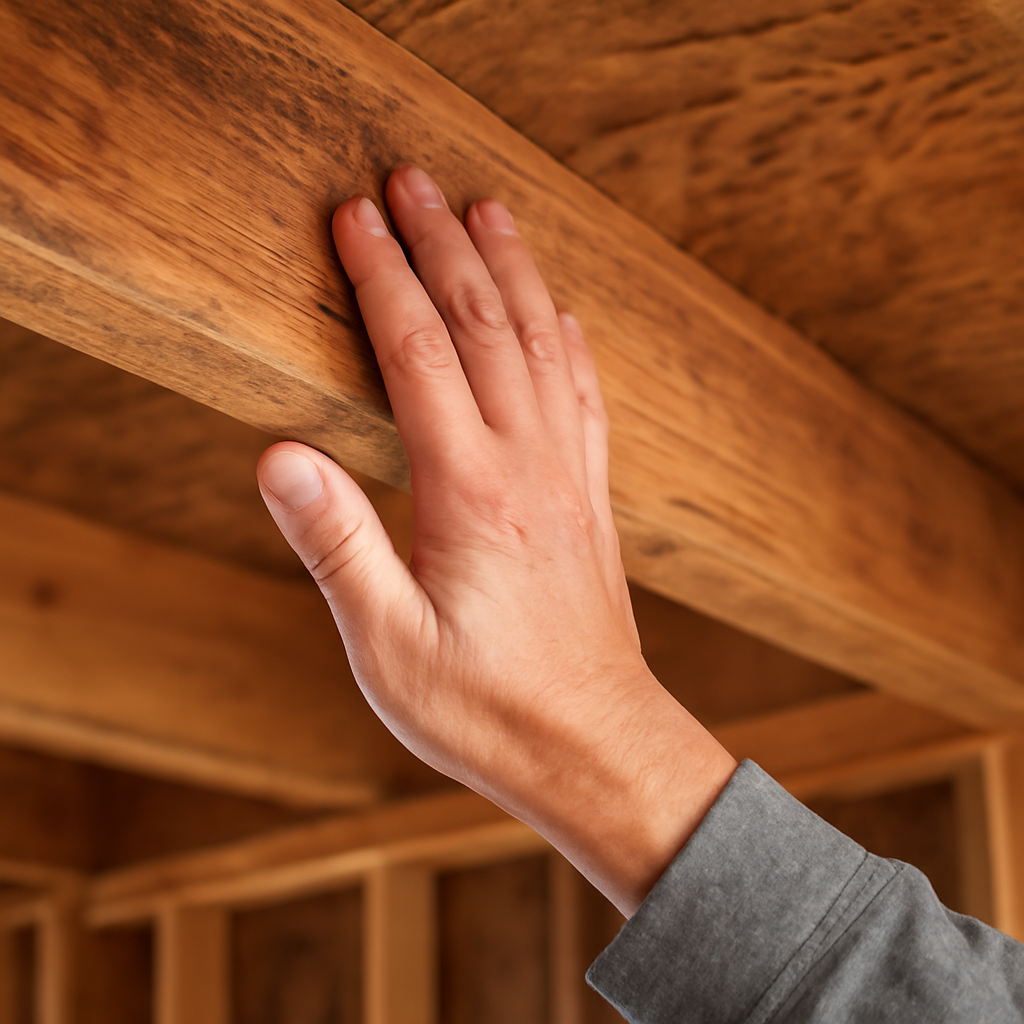
Ever felt that sudden jolt under your feet, like the house itself just gave a little shudder?
It’s that unsettling moment when you hear a low rumble, the walls seem to vibrate, and you wonder if something’s wrong with the structure.
We’ve seen homeowners freeze mid‑coffee, eyes widening, as the whole home seems to shiver for a split second.
So, what actually causes those shudders, and how can you tell if they’re harmless or a warning sign?
In many cases, a shudder is simply the result of wind gusts or a passing truck, but when it repeats or feels unusually strong, it could point to loose roofing panels, a shifting foundation, or even a hidden water leak weakening the framing.
Think about the last time a storm slammed your roof – did you notice a brief tremor? That’s often the roof flexing under pressure, and if the fasteners aren’t secure, those vibrations can become more pronounced over time.
Here’s the thing: ignoring a persistent shudder can let a minor issue snowball into a costly repair.
Imagine you’re about to host a family gathering, and the house starts to shake just as you’re setting the table. Not exactly the vibe you want.
What we recommend is a quick visual check: look for any loose shingles, listen for creaking sounds, and feel for any movement when you gently push on the ceiling joists.
If anything feels off, it’s a good idea to have a professional inspection – a trained eye can spot hidden damage before it spreads.
At LGFMH Construction, we’ve helped dozens of homeowners catch these early signs and reinforce the structure before winter hits.
So, the next time your home gives you a little shudder, don’t just brush it off. Take a moment, investigate, and if needed, call in the experts to keep your home steady and safe.
Ready to learn the step‑by‑step process for spotting and fixing shudders? Let’s dive in.
TL;DR
If your home gives a sudden shudder, it could signal loose roof fasteners, hidden water damage, or a shifting foundation that, left unchecked, may lead to costly repairs. Quickly inspect for loose shingles, listen for creaks, feel joist movement, and call a trusted professional like LGFMH Construction to assess and reinforce before the problem escalates.
What Triggers Shudders in the Body?
Ever wonder why your house sometimes feels like it just gave you a tiny jolt? That little shudder is rarely a random quirk – it’s usually a symptom of something moving underneath the surface.
First off, think about the wind. A strong gust can slap the roof, flexing the decking for a split second. If the roof nails or shingles aren’t snug, that flex turns into a noticeable vibration. In our experience, a loose shingle can act like a tiny hinge, amplifying the wind’s force.
Heavy traffic and ground‑borne vibrations
Living near a busy road or a railroad line adds another layer. Trucks, buses, or passing trains send low‑frequency waves through the soil. Those waves travel up through the foundation and can make the whole structure tremble. A neighbor once told us their home shuddered every time the 5‑a.m. freight train rolled by – a classic case of ground‑borne vibration.
One quick way to test this is to stand in a hallway, close the doors, and listen for a faint hum when a big truck passes. If you feel a subtle shake, note the timing – it’s a clue that external vibrations are at play.
Temperature swings and material expansion
Materials expand and contract with temperature changes. In the heat of summer, metal roof panels can swell a few millimetres; in winter, they contract. If there’s a gap or a weakened fastener, that movement can create a shudder you feel on the ceiling. The same goes for wooden framing – wood swells with humidity, then shrinks when it dries.
Practical tip: after a big temperature swing (say, a hot day followed by a sudden cool night), walk the perimeter of your home and gently tap the walls. A hollow or reverberating sound can indicate a loose connection.
Plumbing and HVAC systems
Even the things you don’t see can cause tremors. A water hammer – a sudden stop of water flow – can send shockwaves through the pipes, rattling joists. Similarly, an unbalanced HVAC fan can vibrate the attic space, especially if the unit isn’t level. A homeowner we helped noticed a shudder every time the furnace kicked on. A simple re‑balancing of the fan blade solved it.
To catch this, listen for a rhythmic thump that matches your furnace’s cycle. If you hear it, turn the system off for a few minutes and see if the shudders stop.
Foundation movement and soil settlement
Perhaps the most serious trigger is a shifting foundation. Clay soils expand when wet and contract when dry, creating heave or settlement. Over time, this can loosen footings, making the entire house sway slightly. A common sign is a door that sticks or a floor that feels uneven.
Actionable step: place a level on several floors and note any variance greater than 1/8 inch. If you spot unevenness, it’s worth calling a structural specialist before the issue worsens.
Hidden water damage
Water that seeps into the framing rots wood, weakening its ability to hold fasteners. The result? A once‑solid beam can flex under normal loads, producing that tell‑tale shudder. Look for water stains on ceilings, musty smells, or peeling paint as red flags.
When you spot any of these, run a moisture meter along the joists. If readings are high, it’s time for a professional assessment.
All of these triggers share one common thread: they’re often detectable early with a few simple checks. By staying observant, you can catch a problem before it spirals into an expensive repair.
For a deeper dive into roof‑related causes, check out our Essential Roofing Guide for Homeowners . It walks you through the exact steps to inspect fasteners, assess wind damage, and keep your roof solid.
Need some inspiration for turning a spare garage into a sturdy, shudder‑free living space? Creative Garage Apartment Ideas for Every Budget offers practical layouts that consider structural stability from the get‑go.
And if you’re a cat lover, remember that a heavy cat jumping onto a weakened joist can exacerbate shudders. The 10 Essential Cat Scratching Post Tall Choices for Active Cats guide helps you choose sturdy furniture that won’t add extra stress to your framing.
Bottom line: shudders are rarely harmless. They’re a whisper from your home telling you something’s moving. Use the checks above, stay proactive, and when in doubt, bring in a trusted pro.
How to Identify Different Types of Shudders
Ever felt that quick jolt under your feet and wondered whether it’s just the house sighing or something more serious? You’re not alone – most homeowners mistake a harmless vibration for a bigger problem, and then they miss the chance to catch an issue early.
What we’ve learned at LGFMH Construction is that not all shudders are created equal. By zeroing in on the source, you can decide whether a simple tighten‑up will do, or if a deeper investigation is needed.
Roof‑related shudders
If the shudder happens right after a windy gust or a heavy rain, start up on the roof. Look for loose shingles, dented panels, or fasteners that have backed out. A quick “tap‑and‑listen” test – lightly knocking on a shingle and listening for a hollow echo – often reveals a panel that’s no longer locked in place.
Tip: When you feel the vibration inside, stand directly below the roof ridge and give the ceiling joist a gentle push. If the joist wiggles, the roof is probably feeding the shudder down into the framing.
Foundation‑related shudders
Shudders that come on after a long dry spell or a heavy rainstorm are usually foundation‑talk. Check your doors and windows; do they stick or slam shut unexpectedly? Place a level on the floor in several rooms – a variation of more than 1/8 inch could signal settlement.
Imagine you’re hosting a dinner and the floor gives a slight bounce when a guest leans on a chair. That’s a classic sign that the footing is shifting under load.
Mechanical‑system shudders
Sometimes the culprit lives in the walls. Turn off your HVAC for a few minutes; if the shudder stops, you’ve likely got an unbalanced fan or a water‑hammer in the pipes. Listen for a rhythmic thump that matches the furnace cycle – that’s the system “talking” to your framing.
And don’t forget the dishwasher or washing machine. A wobbling appliance can transmit forces straight into the joists, especially on the second floor.
Thermal‑expansion shudders
Temperature swings can make metal roof panels or steel studs expand and contract. After a hot afternoon, run your hand along a metal ridge; if it feels tight, the material is expanding. When night cools down, the same piece contracts, sometimes creating a brief shudder.
Quick check: on a day with a big temperature swing, tap the wall in a few spots. A dull, resonant sound often points to a joint that’s losing its grip.
Traffic‑induced shudders
If you live near a busy road or a railroad, the ground‑borne vibrations travel up through the slab and into the framing. Stand in a hallway, close the doors, and feel for a low rumble when a truck passes. Notice a pattern? That’s external traffic feeding the shudder.
One easy experiment: place a small piece of cardboard on the floor and watch it wobble as a heavy vehicle rolls by. If it moves, the vibration is making it into your home.
So, how do you bring it all together? Start with the most obvious source – the roof – then work your way down. Document each test, note the timing, and compare what you feel to the conditions outside.
After watching the video, take a few minutes to walk the perimeter of your home with a flashlight and a level. Mark any spots that feel loose, sound hollow, or show uneven readings. Those are the places you’ll want a professional like LGFMH Construction to take a closer look at before the shudder turns into a structural sigh.
When to Seek Medical Attention for Shudders
You’ve probably felt the house tremble and thought, “That’s weird, but maybe it’s just the wind.” But what if the shudder leaves you feeling a little queasy, light‑headed, or even with a racing heart? That’s a sign the vibration is doing more than rattling the drywall—it’s affecting you.
Most homeowners notice a quick jolt and brush it off. The truth is, repeated low‑frequency vibrations can trigger physiological responses, especially for people with vestibular sensitivities, migraines, or anxiety disorders. If you notice a pattern, it’s worth paying attention.
Signs Your Body Is Reacting
Here’s what I mean: you might feel a flutter in your chest right after a shudder, or you might get a sudden headache that fades once the vibration stops. Some folks report a subtle nausea that feels a lot like motion sickness, even though they’re standing still. You might also catch yourself holding your breath or tensing up the shoulders whenever the house sighs.
Think about the last time you were in a quiet room and a distant truck passed by, sending a low hum through the floor. If you found yourself instinctively bracing for impact, that’s your nervous system reacting to an unexpected stimulus. It’s normal, but when it happens often, it can wear you down.
Red Flags That Need a Doctor
Not every shudder warrants a medical visit, but certain symptoms should never be ignored. Below is a quick checklist you can keep on the fridge or in your phone notes:
Persistent dizziness or loss of balance that lasts more than a few minutes after the shudder.
New or worsening migraines that coincide with vibration events.
Chest pain, shortness of breath, or a rapid heartbeat that starts with the shudder and doesn’t subside quickly.
Feeling faint, blurred vision, or tingling in the limbs.
Heightened anxiety or panic attacks that seem triggered by the house’s movements.
If any of these show up, it’s time to call your primary care physician or an urgent‑care clinic. Explain that the symptoms line up with structural shudders—you might be surprised how often doctors have heard similar stories from homeowners.
When to Call a Structural Professional First
Sometimes the safest route is to address the source before the symptoms get worse. If you notice shudders only during heavy traffic, strong winds, or when a specific appliance kicks on, start by documenting the timing. A simple log—date, time, weather, and what you were doing—helps both the contractor and your doctor see the pattern.
When the shudder feels strong enough to move pictures on the wall or makes doors slam shut, that’s a clear cue to get a structural inspection. Fixing loose roof fasteners, reinforcing joists, or stabilizing the foundation can eliminate the vibration and, in turn, the health triggers.
In our experience, homeowners who pair a quick medical check‑up with a prompt structural repair see the symptoms fade within days. It’s a two‑pronged approach: treat the body while you treat the house.
So, what should you do next? First, listen to your body. If the shudder leaves you feeling anything beyond a momentary startle, write it down and reach out to a health professional. Second, schedule a home assessment with a trusted contractor—LGFMH Construction can walk you through the most common sources and recommend a fix.
Remember, you don’t have to live with a house that makes you feel uneasy. A little investigation now can prevent a cascade of health worries later.
Managing Everyday Shudders: Lifestyle and Home Remedies
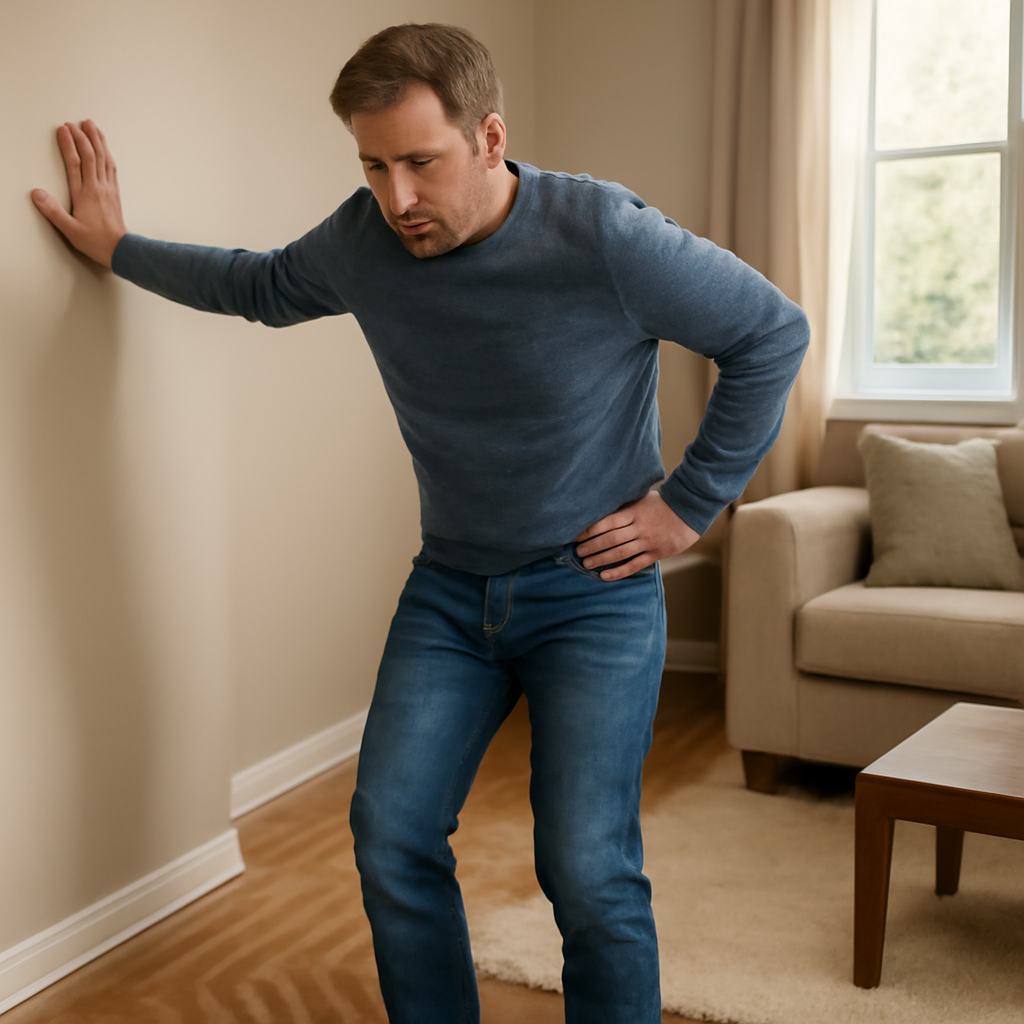
So you’ve felt that odd jolt again – the floor trembles, the picture on the wall sways, and you wonder if you’ve just imagined it. It’s easy to chalk it up to a passing truck, but when it becomes a regular annoyance, it starts to mess with your peace of mind.
First, take a breath. You’re not alone; we’ve seen homeowners swear they’re “just getting old” only to discover a simple habit or tiny fix can quiet those shudders. Let’s walk through a few everyday tweaks you can try before you call in a contractor.
Adjust Your Daily Rhythm
Did you know that the time of day can affect how much vibration you feel? Heavy traffic peaks in the morning and evening, and HVAC systems often kick on at night. If you can, shift noisy activities – like running the dishwasher or the dryer – to off‑peak hours. You’ll notice fewer “surprise” shakes when you’re cooking dinner instead of when the street’s buzzing with rush‑hour trucks.
Another low‑effort habit: keep the interior doors closed when you’re not moving through them. Open doors act like sound‑boxes, amplifying vibrations from the floor joists. A quick habit of closing them can dampen the perceived shudder.
Simple Home Remedies
Here are a handful of things you can do with tools you probably already have:
Place rubber matting or anti‑vibration pads under heavy appliances (washer, dryer, fridge). The pads absorb low‑frequency tremors before they travel up into the framing.
Check the water heater’s mounting bolts. A loose bracket can let the tank “dance” whenever the burner fires.
Swap out old, warped door hinges for self‑closing, ball‑bearing models. They reduce the “slam‑back” effect that can echo through the house.
And don’t forget the simple act of “re‑tightening” – grab a screwdriver and give a quick turn to any visible deck screws or roof flashing screws you can safely reach from the attic. A screw that’s half‑out can be the source of a whole‑house tremor.
Mind‑Body Strategies
Even if you’ve mitigated the physical source, the sensation of shudders can still trigger anxiety. Try a short grounding exercise when you feel a tremor: plant your feet firmly, take three slow breaths, and name three things you can see, hear, and feel. It tricks the brain into focusing elsewhere, reducing the physiological response.
If you notice headaches, light‑headedness, or a racing heart after a shudder, jot it down in a journal. Over time you’ll see patterns – maybe it’s always after the furnace kicks on, or after a thunderstorm – and you can adjust your routine accordingly.
When Lifestyle Fixes Aren’t Enough
So, what if you’ve tried the pads, the timing changes, and the grounding tricks, but the house still feels like it’s doing a tiny shimmy every time a truck passes? That’s a cue to bring in a professional. A structural assessment can pinpoint hidden loose joists, compromised fasteners, or foundation settlement that no DIY fix will solve.
In our experience, a quick home‑check followed by a targeted repair cuts down on both the vibrations and the stress they cause. It’s a win‑win: you get back a calm living space, and you avoid a bigger repair bill down the line.
Quick Comparison Table
Remedy | What It Targets | Ease of Implementation |
Rubber anti‑vibration pads | Appliance‑induced shudders | Very easy – just place under each appliance |
Adjust appliance use times | Traffic‑ and HVAC‑related tremors | Easy – shift laundry or dishwasher to off‑peak |
Re‑tighten visible fasteners | Loose decking or roof screws | Moderate – requires ladder or attic access |
Grounding breathing exercise | Physiological response to shudders | Instant – no tools needed |
Bottom line: start with these low‑cost, low‑effort tweaks. If the shudders persist, a professional inspection is the safest next step. You deserve a home that feels steady, not shaky, and a little attention now can keep the larger problems at bay.
Shudders in Special Populations: Children, Seniors, and Athletes
Ever notice that little jolt that makes a child’s toy wobble, a senior’s mug tremble, or an athlete’s plank feel off‑balance? Those moments are more than annoying—they can actually affect how each group experiences a home.
Kids and the Curious Brain
Kids are naturally sensitive to change. A sudden shudder while they’re drawing can break their concentration, and the lingering “what was that?” feeling can turn a playful mood into anxiety. In our experience, younger children often describe the sensation as “the house hiccuped.”
Because their vestibular system is still developing, repeated low‑frequency vibrations can interfere with balance training they get at school or in sports. A quick way to spot a problem is to ask: does the child pause mid‑game or stare at the wall after a shudder?
Practical tip: place a soft rug or foam mat in the play area. The extra cushioning absorbs a portion of the vibration, making the floor feel steadier. It’s a cheap fix that buys peace of mind while you investigate the source.
Seniors and the Comfort Factor
Seniors often have reduced bone density and slower reflexes, so a shudder that feels like a gentle nudge to a younger adult can feel like a jolt to them. That’s why you sometimes hear older homeowners say, “I feel the whole house shake, and my knees just give out.”
Beyond the obvious fall risk, there’s a hidden health angle: chronic exposure to low‑frequency vibrations has been linked to increased blood pressure and heightened stress hormones in older adults. If a senior mentions feeling uneasy after a shudder, it’s worth noting the time of day and any concurrent activities (like a dishwasher cycle).
Simple mitigation: install anti‑vibration pads under heavy appliances and make sure bedroom furniture sits on level ground. Adding a sturdy grab bar near the bathroom can also give seniors a reliable point of support when a shudder catches them off‑guard.
Athletes and Performance Precision
For athletes, especially those who train at home, a shudder can throw off form. Imagine doing a plank and feeling the floor ripple just as you hit that perfect hold—your core engagement drops, and the risk of injury creeps up.
High‑intensity interval training (HIIT) or weightlifting sessions demand a stable platform. Even a subtle vibration can affect proprioception, the body’s sense of position, leading to misaligned reps. That’s why many performance‑focused clients ask us to assess the rigidity of their training space.
What works? A layer of rubber under free‑weight racks or a dedicated vibration‑dampening mat for cardio equipment. It’s inexpensive, and the benefit shows up instantly in smoother lifts and steadier balance drills.
Common Checks Across All Groups
Regardless of age or activity level, the first step is to identify when and where shudders occur. Keep a simple log: date, time, weather, and what was happening in the house. Patterns often reveal whether the culprit is traffic‑induced ground vibration, a HVAC fan, or an appliance kicking on.
Next, do a quick “hand‑shake” test. Place your hand on a ceiling joist or floor joist while the suspected source runs. If you feel a pulse, you’ve found a transmission point. Tightening the fastener (if you can safely reach it) or adding a pad can stop the vibration in its tracks.
Finally, remember that not every shudder needs a full‑blown structural repair. Often, a combination of cushioning, strategic timing, and a bit of re‑tightening does the trick. But if the tremor feels strong enough to move furniture or cause discomfort for children, seniors, or athletes, it’s a cue to call a pro—like LGFMH Construction—to evaluate the framing and foundation.
Bottom line: shudders affect everyone differently, but a little awareness and targeted fixes can keep your home safe, comfortable, and performance‑ready for every member of the family.
Conclusion
So, you’ve walked through the why and the how of those odd house shudders, and you probably feel a little more in control now.
Remember, the first clue is always the timing – a passing truck, a furnace kicking on, or a sudden gust. A quick log and a “hand‑shake” test often point you straight to the culprit.
And if the tremor moves a picture, rattles a shelf, or makes a child pause mid‑game, that’s your signal to tighten a fastener or slip a rubber pad under the offending appliance.
But don’t ignore the moments when the shudder feels strong enough to unsettle seniors or throw off an athlete’s balance – those are the cases that merit a professional inspection.
In our experience at LGFMH Construction, a focused check‑up followed by a targeted repair usually eliminates the problem before it spirals into costly structural work.
So, what’s the next step? Grab a notebook, note the pattern, try a simple fix, and if the house still shivers, give a trusted local pro a call. A steady home means peace of mind for everyone under the roof.
Keep an eye on any new noises, and don’t wait for the next big shake to act – a few minutes of attention now can save you weeks of worry later.
FAQ
What actually causes shudders in a home and how can I tell if they’re harmless?
Most shudders are just the house reacting to external forces – a passing truck, a gust of wind, or an HVAC fan kicking on. If the vibration lasts only a second, happens at predictable times, and you don’t see any new cracks or moving fixtures, it’s usually benign. The red flag is when the jolt moves pictures, rattles shelves, or makes a floor feel like it’s bouncing.
How can I tell if a shudder is coming from the roof versus the foundation?
Start by watching the timing. Roof‑related shudders often follow a strong wind or rain, and you’ll feel them strongest right under the roof ridge. Tap a few ceiling joists – a hollow echo suggests a loose panel above. Foundation shudders, on the other hand, tend to happen after a heavy truck passes or during a dry‑to‑wet soil swing, and you might notice doors that stick or floors that feel uneven.
What simple tests can I do myself to pinpoint the source of a shudder?
Grab a notebook and note the exact moment a shudder occurs – note weather, traffic, and which appliance was running. Then try the “hand‑shake” test: place your hand on a ceiling joist while the suspected source (like the furnace) runs. If you feel a pulse, you’ve found a transmission point. Another quick check is to stand in a hallway, close doors, and feel for a low‑frequency rumble when a nearby truck passes.
When should I call a professional instead of trying a DIY fix?
If the shudder moves anything heavier than a picture frame, or if you spot new cracks in walls, doors that won’t close, or a floor that feels uneven, it’s time to bring in a pro. Also, any shudder that repeats after you’ve tightened screws or added rubber pads likely signals a deeper structural issue – foundation settlement or compromised framing that needs a qualified inspection.
Are there low‑cost fixes I can try before hiring a contractor?
Absolutely. Slip anti‑vibration pads under heavy appliances like the washer, dryer, or fridge – they absorb low‑frequency tremors. Tighten any visible deck or roof screws you can safely reach, and check that water‑heater mounting bolts are snug. Adding a small rubber gasket under a loose HVAC unit can also quiet a lot of noise. These quick wins often stop the shudder in its tracks.
How do shudders affect vulnerable residents like seniors or kids?
For seniors, even a mild jolt can feel like a loss of balance, increasing fall risk and stress hormones. Kids may pause mid‑play, wondering if the house just hiccuped, which can spark anxiety. If you notice a child or older adult reacting strongly – gripping railings, stepping back, or showing signs of dizziness – treat the shudder as a safety issue and prioritize a professional assessment.
What maintenance routine helps prevent shudders from returning?
Make a quarterly walk‑through habit: check roof fasteners, look for loose shingles, listen for rattling HVAC fans, and run a level on each floor to spot unevenness. Keep an eye on moisture – any damp spots on ceilings or walls could mean hidden rot that weakens framing. Document any patterns you see and address them early; a small repair now saves a big structural job later.


Comments