Understanding the Cost to Replace a Garage Door Frame in 2026
- William McKracherne
- Mar 13
- 9 min read

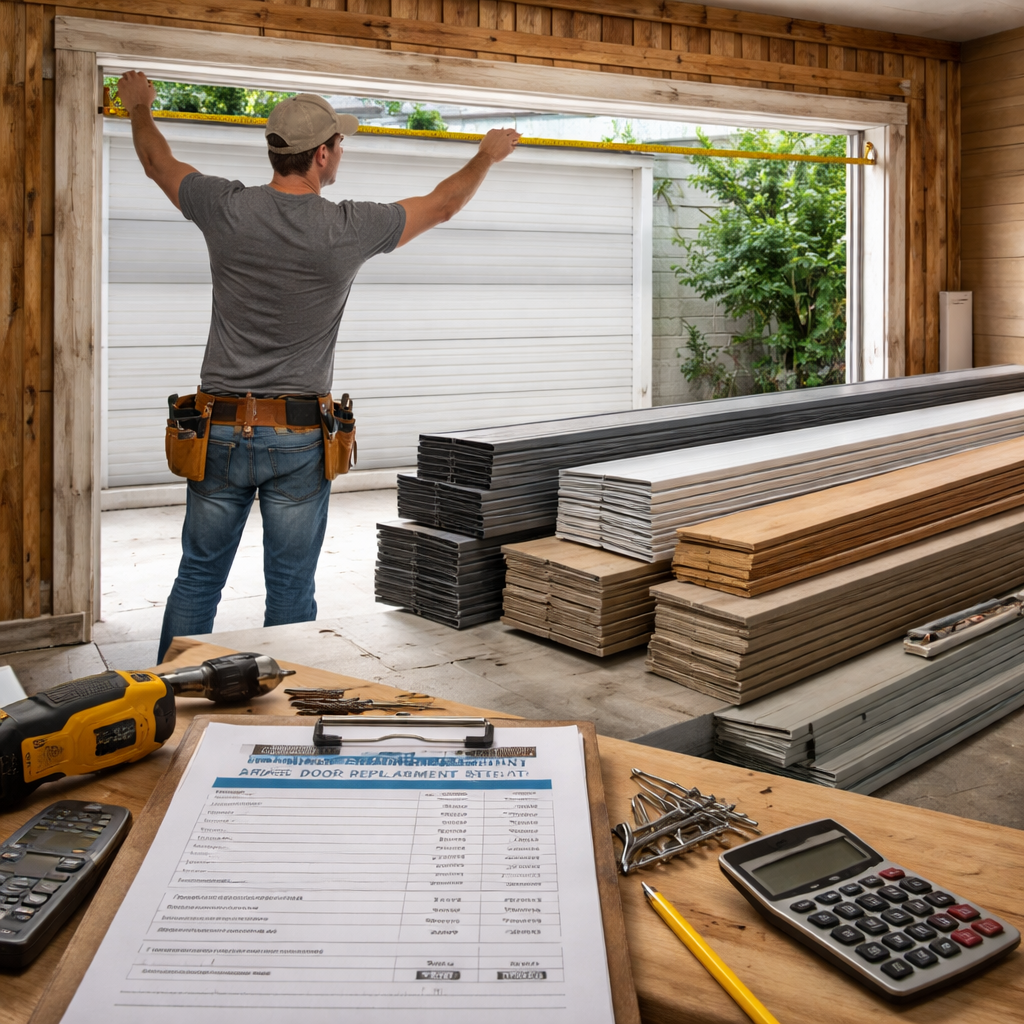
A new garage door frame can cost more than you think.
Most homeowners see a price tag between $1,200 and $3,500, but the exact number depends on a few simple things.
First, the material matters. Steel runs cheap, wood feels warm, and aluminum sits in the middle. Each choice changes both the price and the lifespan.
Second, labor adds up fast. A seasoned crew will charge $70‑$100 per hour, and a typical install takes 4‑6 hours. If you live in a tight city lot, the crew may need extra time to move the truck, which bumps the bill.
Third, permits and disposal can sneak in. Some towns require a small permit fee, and getting rid of the old frame costs $100‑$200.
Here’s a quick way to keep the cost in check:
Ask three local contractors for written quotes.
Compare steel vs. wood costs for your climate.
Check with city hall if a permit is needed.
Ask if the crew will haul away the old frame.
And if you ever run into a rotted piece before you replace the whole frame, our step‑by‑step guide on how to repair a rotted door frame can save you time and money.
With those steps, you’ll know exactly what to expect and can avoid surprise bills.
Assessing Damage and Deciding to Replace
When the frame starts to rot or bend, you feel a knot in your stomach. That feeling tells you the cost to replace garage door frame may be coming soon.
Key warning signs
Water stains on the wall, cracks that grow each season, or a door that drags on the floor are clear clues. If the wood feels soft to the touch or the metal shows rust, the structure is losing strength.
Take a quick look from the inside. Pull the door open a few inches. Does it wobble? Does the frame flex when you push?
Repair vs. replace
Small rot can be cut out and a new piece glued in. A few rust spots can be sanded and painted. Those fixes may save a few hundred dollars.
But when the frame is warped, split in several places, or the damage covers most of the perimeter, a patch won’t hold. In those cases, a full replacement is the safer bet.
After you watch the video, ask yourself three things: Is the frame older than 15 years? Does the damage affect the door’s ability to open safely? Can you afford the repair without cutting corners?
If you answer yes to any of those, plan for a new frame. Get at least three written quotes, ask if the crew will haul away the old piece, and check if a permit is needed in your city. LGFMH Construction offers a full replace service and can take care of the permit for you.
Choosing to replace now may feel like a big spend, but it protects your home’s value and keeps the door working for years.
Choosing Materials and Estimating Material Costs
Picking the right material is the first thing that can swing the cost to replace garage door frame up or down.
Steel runs the cheapest, usually $30-$50 per square foot, and it won’t rust if you add a coat of paint. Wood looks warm, but you’ll pay $50-$80 per square foot and you may need extra treatment in humid spots. Aluminum sits in the middle, about $45-$65, and it resists dents but can dent easier.
First step: measure the opening. Write down the height and width, then add a few inches for overlap. Multiply those numbers to get the square footage. That gives you a base material number you can plug into a price sheet.
Next, add about 10% extra for waste. Cutting errors, off-cuts, and edge trim all add up. If you buy 100 sq ft of steel, order 110 sq ft to avoid a second trip to the store.
Climate matters, too. In salty coastal air, steel needs a rust-proof coating, which can add $0.50 per foot. In cold zones, wood may warp, so you might choose aluminum instead. Think about the long-term cost, not just the sticker price.
Don’t forget fasteners, sealant, and trim. Those small items can add $100-$200 to the bill. Ask your contractor for a line-item list so you see exactly where each dollar goes.
Need a quick fix for a rotted piece while you plan the full swap? Check out our guide on repairing a rotted door jamb for a step-by-step approach.
Labor Costs: Hiring Professionals vs DIY
When you think about thecost to replace garage door frame, labor is the biggest surprise. A pro will charge $70‑$100 an hour, and most jobs need 4‑6 hours. That means $280‑$600 just for the crew.
DIY looks cheaper at first. You might only spend $30‑$50 on a rental tool kit and a few days of your own time. But remember, you’ll also need a helper, a safe way to lift heavy panels, and a plan for disposal. Those hidden bits can add up fast.
Ask yourself: do you have the right tools? A heavy‑duty hoist, a power drill, and proper safety gear cost money. If you need to buy them, you’re looking at $150‑$250 before you even start.
Then there are permits and inspections. Many cities charge $50‑$150 for a simple frame permit. A professional will usually bundle that into the quote, but DIY means you track it yourself.
Time is money, too. A pro finishes in a day, freeing you up for work, kids, or a weekend project. DIY can stretch a week or more, especially if you hit a snag like a mis‑measured opening.
So how do you decide? Make a quick checklist:
Do you have the tools and safety gear?
Can you get a permit without hassle?
Is your schedule flexible enough for a multi‑day job?
Do you feel comfortable handling heavy steel or wood?
If the answers are mostly “no,” hiring a crew may save you stress and extra dollars. If you’re handy and can spare the time, DIY can shave a few hundred off the total.
Need a clear roadmap for a DIY project? Check out our step‑by‑step guide on replacing an exterior door threshold. It walks you through budgeting, tool rental, and safety tips, so you can gauge whether the labor savings are worth the effort.
Additional Expenses: Permits, Disposal, and Finishing
Most cities ask for a small permit when you replace a garage door frame. The fee usually sits between $50‑$150, but you won’t know the exact number until you call the building department. Some places let you pay online; others require you to show up in person. If you’re DIY, add a few extra hours to your schedule for that paperwork.
Old frames don’t just disappear. You’ll need to haul them to a landfill or a recycling center. Many municipalities charge $100‑$200 for disposal, and some will only take metal, not wood. A quick tip: ask the junk hauler if they accept the frame for free in exchange for a small tip. That can shave $50 off the bill.
Finishing work is the part most people forget until the paint is dry. You’ll need primer, paint, and a few sheets of trim to seal the edges. A gallon of exterior‑grade paint runs $30‑$45, and a pack of trim costs $10‑$20. If you hire a pro, labor for this step can add another $150‑$300.
So how do you keep these extras from blowing your budget? Write a simple checklist: permit fee, disposal cost, paint and trim, plus a small buffer for unexpected fees. That way you see the true cost to replace garage door frame before you start.
Need a deeper look at how disposal rules vary by county? Our Virginia Beach roof replacement guide breaks down local fees that often mirror garage projects.
Remember, a clear budget keeps the project on track and avoids surprise costs later.
Total Cost Breakdown and Budgeting Tips
The cost to replace a garage door frame can balloon if you look at the whole picture at once. Split it into bite‑size pieces and you’ll see where you can save.
First up, permits. Most towns charge $50‑$150 for a simple frame permit. It’s a flat fee, so add it early to avoid surprise invoices.
Next, disposal. Hauling away the old frame runs $100‑$200, but many junk haulers will take it for free if you tip them a little. That tip can shave $50 off the bill.
Finishing work is the hidden expense most folks forget. Primer, paint, and trim run $30‑$45 for a paint gallon and $10‑$20 for a trim pack. If you hire a pro for the finish, expect another $150‑$300 in labor.
Here’s a quick budgeting checklist: permit fee, disposal cost, material cost, finish cost, plus a 10% buffer for the unexpected. Write it down and watch the numbers stay under control.
Need help choosing the right material so you don’t overpay? Check out our door guide for selecting the best door material. It breaks down steel, wood, and aluminum in plain terms.
Item | Estimated Cost | Tip |
Permit | $50‑$150 | Call city hall first; some allow online payment. |
Disposal | $100‑$200 | Ask the hauler for a free take‑back with a small tip. |
Paint & Trim | $40‑$65 per gallon/pack | Buy a gallon and a pack together for bulk discount. |
FAQ
What factors drive the cost to replace a garage door frame?
The main things that push the cost are the material you pick, how big the frame is, and how hard it is to get to the garage. Steel runs cheap but may need a rust‑proof seal, wood feels warm but costs more, and aluminum sits in the middle. Labor adds up fast, especially if the crew must move a truck or work on a high roof. Permits and disposal fees add a small extra line item.
How can I get an accurate estimate for the cost to replace a garage door frame?
The best way to lock down a real number is to gather three written quotes that break material, labor, and extra fees apart. Measure the total length of the frame in feet, note the per‑foot price for the material you want, and add about 10% for waste. Ask each contractor if permits, disposal, or travel are included. Compare the totals and look for any big gaps, they often point to hidden costs.
Is it cheaper to do the garage door frame replacement myself?
Doing it yourself can shave off the hourly labor bill, but you still pay for tools, a lift, and your own time. If the frame is a simple steel rectangle and you have a friend to help, you might save a few hundred dollars. However, add the cost of a dumpster, safety gear, and any mistakes you might need to fix later. Weigh the saved cash against the risk and effort.
What permits are usually needed and how much do they add?
Most cities ask for a small building permit when you replace a garage door frame. The fee typically ranges from $50 to $150, but it can be higher in places with strict code checks. Call your local building department or check their website before you start so the cost doesn’t surprise you later. Include this line item in every quote you collect.
How long does a typical garage door frame replacement take?
Most crews finish a standard frame swap in one full workday, about 8-10 hours. The timer can stretch if the garage is tight, the roof is high, or the old frame needs extra demolition. Make sure your contractor plans for clean‑up and disposal within that window. Knowing the timeline helps you schedule other home projects around it.
What are common mistakes that raise the cost to replace a garage door frame?
Skipping the written quote and going on a verbal estimate is a big trap, you’ll get surprise line items later. Forgetting to add waste material can push the material total up by 10-15%. Not checking if the permit is covered means you’ll have to pay it yourself. Finally, using cheap sealant that peels quickly adds future repair costs.
Conclusion
You've seen how each line—material, labor, permit, disposal—adds up to the cost to replace garage door frame.
Pick the material that fits your climate, get three written quotes, and ask for a clear break‑down of fees. That way you can spot hidden costs before they bite.
Remember, a small permit fee or a missed waste line can push the bill higher. A quick checklist helps you stay on track.
If you’d rather skip the math, LGFMH Construction can walk you through the estimate and handle the permit and clean‑up.
Adding a 10% contingency to your budget is a smart safety net. It covers unexpected rust removal or extra travel time.
Take the next step: measure your frame, write down the numbers, and call a pro for a written quote. You’ll know exactly what to expect and avoid surprise bills.
In the end, clear numbers give you confidence and keep your garage ready for years to come.


Comments