Understanding what is soffit on a house: A Complete Guide
- William McKracherne
- Dec 2, 2025
- 19 min read

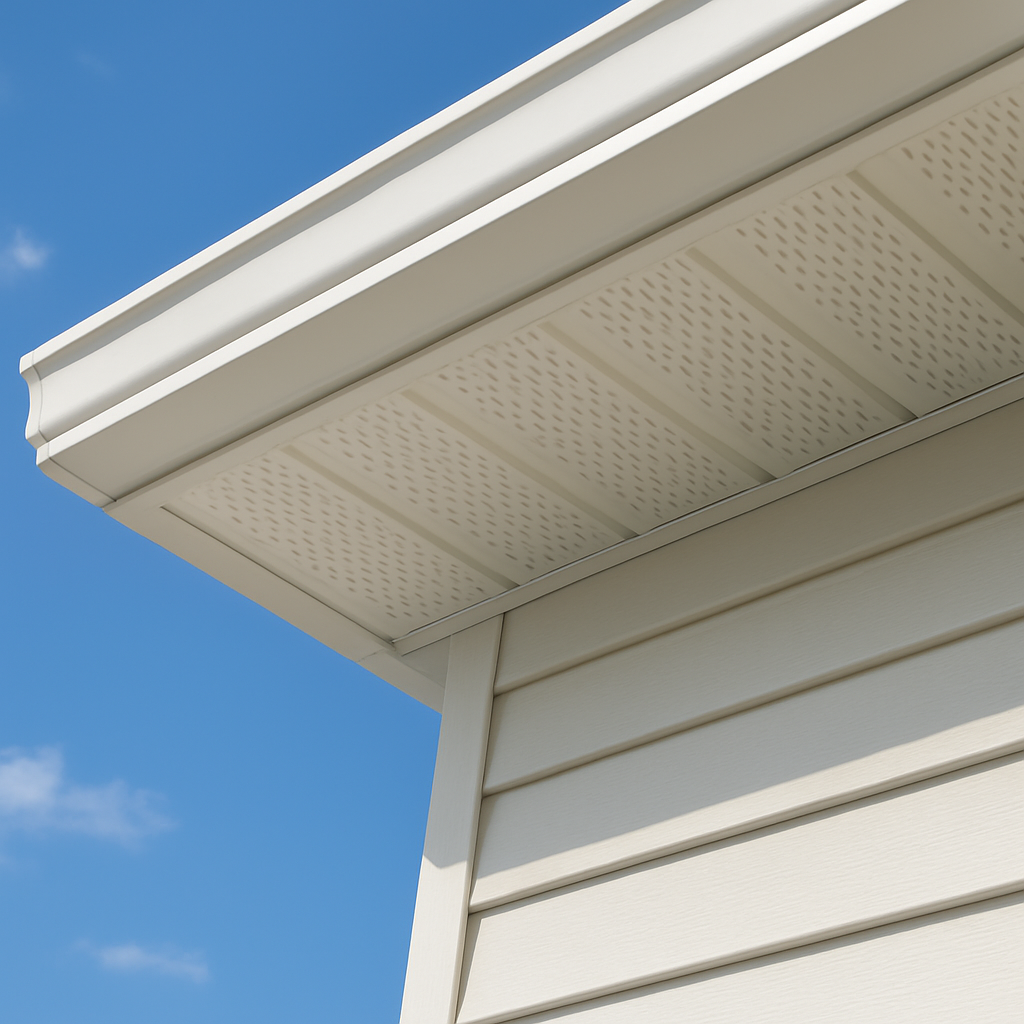
Ever stood on a ladder, stared at the narrow band that hugs the edge of your roof, and wondered what that white strip actually does?
That strip is the soffit – the often‑overlooked piece of wood or vinyl siding that lives between the fascia board and the exterior wall, tucked right around the trim of every house.
Most of the time you’ll see it painted a clean white, but it comes in all sorts of materials and finishes, and many versions are perforated with tiny holes.
Why does it matter? First, it gives your home a finished look, hiding the messy gap between roof and wall and tying the whole facade together.
Second, those little ventilation slots let air flow through the attic, keeping it cool in summer and dry in winter, which in turn helps your roof shingles last longer.
And let’s not forget the critter factor – a solid soffit stops squirrels, raccoons, and even the occasional bird from sneaking up into your attic where they can cause damage.
So, if you’ve ever dealt with a damp, musty smell or noticed roof shingles curling, the culprit is often a blocked or missing soffit.
Fixing it is usually as simple as swapping out the old board for a new vinyl piece with proper ventilation holes, then sealing the edges so wind and moisture stay outside where they belong.
Think of it like the breathing mask for your house; without it, the structure can’t get enough fresh air and starts to suffocate.
Next time you’re walking by a house and you spot that neat white band, you’ll know it’s doing far more than just looking good.
Ready to check your own soffit? Grab a flashlight, peek up from the ground, and see if there’s any visible damage or missing panels – a quick visual check can save you a lot of hassle down the road.
TL;DR
A soffit is the white, ventilated board that bridges your roof’s edge and wall, keeping attic air flowing, stopping critters, and giving your home a polished look.
Check it yearly; a simple visual inspection can prevent costly moisture damage and extend roof life, plus improve energy efficiency and reduce bills.
What Is Soffit? Definition and Purpose
Ever glance up at the white strip hugging the edge of your roof and wonder, “what is soffit on a house?” You're not alone. That low‑profile board does way more than just finish the look.
Definition – the hidden board
In plain terms, a soffit is the horizontal panel that fills the space between the fascia (the vertical board that holds the gutters) and the exterior wall. It lives on the underside of the eave, so when you look up you see a smooth, often perforated surface. Historically it was wood, but today you’ll find vinyl, aluminum or even composite versions, all painted white or a color that matches your siding.
Why it matters: three core purposes
First, aesthetics. A solid soffit hides the unsightly gap where the roof overhang meets the wall, giving your home a clean, finished appearance. It’s the visual bridge that ties roof to siding together.
Second, ventilation. Those tiny holes you see aren’t just decorative—they’re intake vents that let fresh air flow into the attic. As the HowStuffWorks guide explains , proper soffit ventilation pulls cool air in during summer and pushes warm, moist air out, keeping roof shingles cooler and preventing mold growth according to HowStuffWorks . Think of it as the house’s breathing mask.
Third, pest protection. A well‑installed soffit creates a barrier that keeps squirrels, raccoons and even insects from sneaking into your attic. When the vents are covered with mesh or the panels are intact, critters can’t wedge their way in, saving you from costly damage as noted by home experts .
Real‑world examples
Picture a suburban home in Virginia Beach with vinyl soffits that have 1/8‑inch perforations. In the scorching July heat, the attic temperature stays 20 °F cooler than a similar house without vents, extending the lifespan of the shingles by years.
Now imagine a winter scenario in the Midwest. A homeowner noticed mold spots on the underside of the roof deck. The culprit? Blocked soffit vents that trapped humidity. Once the vents were cleared and a few new vented panels installed, the moisture level dropped dramatically and the musty smell vanished.
Actionable checklist – is your soffit doing its job?
Look for a uniform, white or color‑matched board under the eave.
Check the perforations: they should be evenly spaced and not clogged with debris.
Inspect for cracks, rot, or peeling paint—signs of water intrusion.
Listen for drafts or buzzing insects near the soffit area.
Confirm that the fascia and gutters are securely fastened to the soffit.
Note any missing panels and plan to replace them before the next rain.
How to inspect your soffit in 5 minutes
Grab a ladder, a flashlight, and a pair of gloves. First, walk around the house and glance up—if you see a solid board with tiny holes, you’ve got a soffit. Second, run your hand along the surface; any soft spots could mean rot. Third, shine a flashlight into the vents; you should see clear airflow, not cobwebs or nests. Fourth, spray a light mist of water on the exterior; if water seeps through, the seal might be compromised. Finally, note any missing panels and plan to replace them before the next rain.
That quick video walks you through a visual inspection, showing exactly where to look for cracks and how to clear clogged vents without tearing the whole board apart.
Bottom line: a soffit isn’t just a cosmetic trim—it’s a critical component that protects, breathes, and beautifies your home. If any of the checklist items raise a red flag, consider contacting a trusted contractor to repair or replace the panels. A few minutes of attention now can save you thousands in roof repairs later.
Materials Used for Soffit
When you’re picking a soffit, you’re really choosing a thin piece of the house’s skin that does three big jobs: looks good, keeps critters out, and lets the attic breathe. The material you pick decides how long that skin lasts and how easy it is to keep it looking fresh.
Wood – classic but high‑maintenance
Wood was the original choice for soffit because it’s easy to work with and you can paint it any color you like. Cedar, especially, has a nice grain and resists insects a bit better than pine. The downside? Nature fights back. Rain, snow, and UV rays will eventually cause the wood to rot, split, or peel if you don’t stay on top of painting and sealing.
So, if you love the warm, natural look and don’t mind a yearly touch‑up, wood can still be a solid option. Just remember you’ll be checking it more often than a metal board.
Vinyl – low‑cost, low‑maintenance
Vinyl soffit is popular because it arrives ready to install and doesn’t need painting. It’s light, cheap, and the perforated versions give you that needed ventilation right out of the box.
But vinyl has a soft spot, too: extreme temperature swings. In a hot summer, the plastic can swell and buckle; in a freeze, it may crack. You’ll also notice a faint sheen that can look cheaper than wood or metal, especially on older homes.
If you’re on a budget and want a “set‑and‑forget” solution, vinyl works as long as you’re okay with its quirks.
Aluminum – durable and fire‑resistant
Aluminum steps up the game. It won’t rot, warp, or attract termites, and it’s naturally fire‑resistant. That makes it a great pick for homes in wildfire‑prone areas.
The trade‑off is appearance. Over time the finish can turn chalky and fade, so many homeowners repaint it every few years to keep the color from looking tired. Still, the low‑maintenance vibe often outweighs the cosmetic fade.
Fiber cement – the best‑of‑both‑worlds
Fiber cement soffit blends cement, sand, and cellulose fibers into a panel that feels like wood but behaves like metal. It resists rot, warping, and temperature extremes, and it holds its color without the chalky fade you see on aluminum.
Because it’s engineered, you can get smooth surfaces or a textured, cedar‑style look without the upkeep of real wood. It also accepts perforations for ventilation just like vinyl or aluminum, so you get airflow without sacrificing durability.
According to Nichiha’s guide on soffit materials , fiber cement “delivers a durable, low‑maintenance solution that keeps its color year after year,” making it a top choice for homeowners who want long‑term performance.
Quick material checklist
Wood – natural look, needs regular paint/seal.
Vinyl – affordable, easy install, temperature‑sensitive.
Aluminum – strong, fire‑resistant, may fade.
Fiber cement – durable, color‑stable, low upkeep.
One more tip: before you buy, double‑check your local building code – many jurisdictions actually require vented soffit to meet energy‑efficiency standards, so you won’t have to retrofit later.
Bottom line: match the material to your climate, budget, and how much time you want to spend on upkeep. If you’re looking for a set‑and‑forget option that still looks premium, fiber cement often wins the race. And if you’re handy and enjoy a yearly paint day, wood can give your home that timeless charm.
How Soffit Protects Your Home
When you glance up at that neat white strip hugging your eave, you might think it’s just for looks. But behind that simple board lies a multitasking superhero that guards your roof, your attic, and even your peace of mind.
Shielding the structure from weather’s worst
First off, the soffit acts like a rain‑guard for the rafters. Those wooden or metal beams that hold up your roof are constantly exposed to wind, sleet, and snow melt. Without a solid soffit, water can sneak behind the shingles, soak the rafters, and start a slow‑burn rot process. As Rain‑Flow explains , the soffit and its surrounding components are the “first line of defense” that keeps moisture away from the underlying structure.
Imagine a house in the Midwest that gets a foot of snow every winter. When the sun warms the roof, that snow melts, runs down the decking, and if the soffit is missing or cracked, the water pools against the rafters. Within months you’ll see mold spores, soft wood, and a pricey repair bill. A well‑installed soffit channels that water off the edge, preserving the integrity of the roof frame for years.
Keeping the attic breathable
Second, think of the soffit as the intake valve for your attic’s ventilation system. Those tiny perforations aren’t decorative; they pull fresh, cooler air in, which then exits through ridge or gable vents. That constant airflow does three things: it lowers attic temperature, it dries out any moisture that sneaks in, and it reduces the chance of ice dams forming on the roof in winter.
One real‑world example: a homeowner in Arizona noticed her energy bill spiking every summer. A quick inspection showed the soffit vents were clogged with dust and bird nests. After cleaning the vents and installing a few extra perforated panels, the attic temperature dropped about 15 °F, and her AC run‑time decreased noticeably.
Stopping unwanted guests
Third, a solid soffit is a physical barrier that keeps squirrels, raccoons, and even insects from slipping into the attic. Those critters love the dark, warm space under the roof, but a continuous board with properly sized vents (often covered with mesh) makes it hard for them to wedge themselves in.
Consider a family in Virginia Beach who kept finding shredded insulation in the attic. The culprit turned out to be a single broken soffit panel that let a raccoon slip in during a storm. Replacing that panel and sealing the surrounding edges eliminated the nightly “rustling” and saved the family from months of pest‑control bills.
Actionable checklist – make your soffit work for you
Inspect the board for cracks, rot, or missing sections at least once a year, preferably after a big storm.
Run a flashlight through the perforations; you should see clear airflow, not cobwebs or debris.
Clean any blockages—dust, leaves, or nests—using a soft brush or a low‑pressure garden hose.
Seal the edges where the soffit meets the fascia with a high‑quality exterior caulk to keep water from seeping behind.
Install mesh screen over vents if you have a known critter problem; it lets air through but stops paws.
When replacing panels, choose a material that matches your climate—fiber cement for durability, vinyl for budget, or aluminum for fire‑resistance.
And here’s a quick tip: if you’re already planning a roof or siding project, bundle the soffit upgrade. Doing it all at once saves labor costs and ensures the new board lines up perfectly with the fascia and gutters.
Bottom line: the soffit isn’t just a cosmetic trim. It protects the roof’s skeleton, keeps the attic breathing, and blocks unwanted visitors—all while giving your home that polished, finished look. Give it a once‑a‑year glance, clear any clogs, and you’ll avoid a cascade of bigger problems down the road.
Installation Process: Step-by-Step Guide
What you’ll need before you start
Grab a ladder or scaffold, a cordless drill, a hammer, a tape measure, a utility knife, safety glasses, and a pair of work gloves. You’ll also need J‑channel, vented soffit panels (12‑ft lengths work best), corrosion‑resistant nails, a trim‑nail punch, and a high‑quality exterior caulk. If you’re swapping wood for aluminum, add a tin snip and a circular saw with a fine‑tooth blade.
Quick tip: lay out all your materials on a tarp so you can see what you have and what you might still need. It saves a lot of back‑and‑forth trips up the ladder.
Step 1 – Take down the old soffit and gutters
First, gently remove the gutters. They’re heavy, but you’ll often be able to reuse them if they’re in good shape. Loosen the gutter hangers, slide the gutter away, and set it aside on the ground.
Next, pry off the existing soffit panels. Use a flat pry bar and work slowly to avoid snapping the framing behind them. If you hit a nail head that’s rusted, a nail puller will save you a lot of frustration.
Step 2 – Inspect and prep the framing
Run a screwdriver into each piece of fascia and rafter tail. If it feels spongy, that piece is rotted and should be replaced with a new 1×6 pine board. A solid backing is essential because you’ll be driving nails into it later.
Once the wood is sound, give the whole eave a quick brush‑down with a soft‑bristle broom. You want a clean surface for the new J‑channel to sit against.
Step 3 – Install the J‑channel
Measure the length of each soffit run, cut the J‑channel to size, and nail it directly to the existing soffit framing. Keep the channel tight against the house so there’s no gap for water to sneak behind.
Fasten the channel every 16 inches with 1‑1/4‑inch stainless‑steel trim nails. A trim‑nail punch helps you drive the nail flush without flattening the head.
Step 4 – Cut the soffit panels
Lay a panel on a workbench, measure the distance from the inside of the J‑channel to the outer edge of the fascia, then mark the cut line a quarter‑inch short. This tiny clearance lets the panel sit snugly without binding.Use a circular saw with a fine blade for straight cuts and tin snips for the little notches around vent openings. The Family Handyman explains how to make clean cuts and keep the perforations evenly spaced , which is key for consistent airflow.Step 5 – Hang the panelsStart at one end of the eave. Slip the first panel into the J‑channel with the tongue facing the direction you’ll be installing. Use a carpenter’s square to make sure it’s square to the house.Nail the outer edge of the panel into the bottom of the fascia, placing a nail in each of the V‑grooves and the lip flange. For panels wider than two feet, add a center nailer for extra support.Continue panel by panel, overlapping the tongue of each new piece into the groove of the previous one. The overlapping creates a seamless look and keeps drafts out.Step 6 – Seal the jointsAfter the last panel is in place, run a bead of exterior‑grade caulk along the top edge where the soffit meets the roof deck and along any seams you can see. This keeps wind‑driven rain from seeping behind the board.If you live in an area with heavy snowfall, consider a silicone‑based sealant that stays flexible in freeze‑thaw cycles.Step 7 – Re‑attach gutters and finishSlide the gutters back onto their hangers, making sure they sit flush against the new soffit. Re‑seal any gutter‑to‑soffit joints with a bead of caulk.Give the whole perimeter a final visual check: are all panels level? Do the seams line up? Is there any visible gap?Pro tip – when to call a proIf you discover extensive rot in the fascia or notice that the roof deck itself is sagging, it’s smarter to pause and bring in a contractor. Our team at schedule your soffit installation online and can assess structural issues before you spend a weekend on a ladder.And that’s it – a full step‑by‑step walk‑through that turns a confusing attic‑vent mystery into a weekend DIY win. You’ve just given your house a fresh breath of air, a cleaner look, and an extra line of defense against critters. Now sit back, enjoy the cooler attic, and maybe even notice a lower energy bill next summer.Maintenance Tips and Common IssuesNow that your soffit is snugly in place, you might think the job is done. But a soffit is like the lungs of your house – it needs regular check‑ups to keep breathing easy.Ever wondered why some homes start leaking or develop a musty smell even after a fresh soffit install? Most of the time it’s not a brand‑new problem; it’s a maintenance gap.Common issues you’ll run intoFirst up, water intrusion. If the sealant dries out or a nail backs out, rain can sneak behind the panel and start rotting the fascia. That’s the kind of sneaky damage that shows up months later as soft wood or peeling paint.Second, cracked or warped panels. Wood soffit loves to swell in summer heat and shrink in winter freeze‑thaw cycles. Over time you’ll see tiny cracks that let wind and critters in. Common problems with wood soffit often include exactly this kind of warping.Third, clogged vents. Dust, leaves, or a bird’s nest can block those little perforations, choking the attic’s airflow. When the attic stays hot, your roof shingles age faster and you may see higher energy bills.Finally, pest intrusion. A single broken board is an invitation for squirrels, raccoons, or even wasps to set up shop in the attic. Once they’re in, they can damage insulation and create noisy night‑time concerts.Quick maintenance checklistWalk the perimeter once a year, preferably after a big storm, and look for water stains, loose nails, or missing caulk.Run a flashlight through each vent; you should see clear airflow, not cobwebs or nests.Gently press the panel surface. Soft spots usually mean rot or water damage.Check the edge where the soffit meets the fascia – any gaps are a red flag for wind‑driven rain.Inspect for animal activity: fresh droppings, gnaw marks, or rustling sounds.Does that sound like a lot? It’s actually a five‑minute walk with a ladder and a flashlight. The payoff is preventing a $5,000 roof repair down the line.DIY fixes you can tryIf you spot a tiny crack, a bead of exterior‑grade silicone caulk can seal it before moisture gets in. For larger gaps, replace the offending panel – most vinyl or aluminum pieces snap into the existing J‑channel without a full teardown.When vents are clogged, a soft‑bristle brush or a low‑pressure garden hose usually does the trick. Just be careful not to bend the perforated metal; a gentle spray from about a foot away works best.For wood soffit that’s started to rot, the safest route is to cut out the damaged section and install a new piece of aluminum or fiber‑cement soffit. These materials resist rot, insects, and fire, meaning you’ll spend far less time on maintenance.And if you ever feel uneasy standing on a ladder, remember that safety comes first. A quick call to a local contractor can save you a bruised shoulder and a costly mistake.When to call a proYou know you need a professional when you discover extensive rot in the fascia, the roof deck feels soft, or the soffit has sagged noticeably. Those are signs of structural issues that go beyond a simple DIY patch.Also, if you’re swapping materials – say, moving from wood to aluminum – a pro can ensure the new panels align perfectly with your gutters and flashing, preventing future leaks.Bottom line: a little preventive love now keeps your soffit, attic, and roof healthy for years. Schedule a quick visual inspection each spring and fall, clear any blockages, and seal any gaps you find. Your house will thank you with a drier attic, fewer critter parties, and a longer‑lasting roof.Soffit Types ComparisonWhen you finally ask yourself, “what is soffit on a house and which one should I pick?” you’re really juggling three things: looks, durability, and how well it lets the attic breathe. The good news is you don’t have to pick blind. Below is a quick walk‑through of the four most common soffit families, plus a handful of real‑world quirks that usually surface after a season or two.Wood – classic charm, high upkeepWood soffit has been the default for generations because it’s easy to mill and you can paint it any color you fancy. It gives a warm, natural finish that blends seamlessly with historic homes. The downside? It’s a magnet for rot, insects, and the occasional warping when the weather swings.If you love the look, be ready to repaint or reseal every few years. A soft spot under the panel is a red flag – that’s where moisture has started to eat away at the board.Vinyl – budget‑friendly but temperature‑sensitiveVinyl is the go‑to for homeowners on a tight budget. It arrives pre‑perforated, so ventilation is built in, and it’s light enough to handle without a crew. The trade‑off shows up in extreme heat or cold: the plastic can expand, buckle, or crack, and it tends to fade over time.According to a side‑by‑side analysis, aluminum generally outlasts vinyl, which means you might end up swapping panels sooner than you’d like as Rollex points out in its comparison .Aluminum – tough, fire‑resistant, low‑maintenanceAluminum soffit scores high on durability. It won’t rot, it resists termites, and it’s naturally fire‑resistant – a solid choice if you live in a wildfire‑prone zone. The finish is baked on, so color fade is minimal, and a garden hose will clean it right off.One thing to watch: the seams can creak if the panels aren’t snugly fastened, which may let tiny critters slip through. A quick caulk bead along the edges usually solves that.Fiber cement – the best‑of‑both‑worldsFiber cement, like Hardie® soffit, blends the look of wood with the longevity of metal. It’s non‑combustible, resists moisture, and holds its color for decades thanks to ColorPlus® Technology. The material also tolerates the swing between hot summers and icy winters without warping.James Hardie notes that these panels come with a 30‑year limited substrate warranty and superior UV resistance, making them a low‑maintenance option for the long haul according to the manufacturer .Quick decision matrixTypeProsConsWoodNatural look; easy to paintRot, insects, frequent maintenanceVinylAffordable; pre‑perforatedTemperature expansion, fading, shorter lifespanAluminumDurable; fire‑resistant; low‑maintenancePotential seam noise; higher upfront costFiber cementLooks like wood, resists rot/fire, long warrantyHeavier; professional installation often recommendedSo, which one feels right for you? Think about your climate first. If you’re in a humid Gulf Coast, fiber cement or aluminum will shrug off moisture better than vinyl. If you live in a historic district where curb appeal matters, wood might win you extra brownie points – just budget for a paint refresh every few years.Next, weigh the long‑term cost. Vinyl’s low entry price can be deceptive if you end up replacing panels every decade. Aluminum and fiber cement have higher upfront costs but usually pay for themselves in fewer repairs.Finally, consider the DIY factor. Vinyl and aluminum are the easiest for a weekend homeowner with a ladder and a drill. Fiber cement often needs a helper or a pro because of its weight and the need for precise cuts.Bottom line: there’s no one‑size‑fits‑all answer. Match the material to your budget, climate, and how much time you want to spend on upkeep, and you’ll have a soffit that looks good, keeps critters out, and lets your attic breathe for years to come.ConclusionSo, what is soffit on a house? It's that white strip you glance at and barely notice, but it’s really the unsung hero keeping your home breathing, looking sharp, and keeping critters out.When you match the material to your climate—fiber cement on the humid Gulf Coast, aluminum where fire‑risk looms, vinyl for a tight budget—you've already set yourself up for years of low‑maintenance peace of mind.Remember the quick checklist we walked through: inspect for cracks, clear clogged vents, seal any gaps, and swap out any broken panels before the next storm. A five‑minute walk around the house every spring and fall can save you thousands in roof repairs later.Got a DIY itch? You can patch tiny cracks with silicone caulk or snap a new vinyl panel into the existing J‑channel. Still, if you spot rot in the fascia or sagging soffit, call a pro—those are signs the problem has gone deeper.Bottom line: a well‑chosen, well‑maintained soffit does three things—beautifies, ventilates, and protects. Treat it like you would a houseplant: a little attention now means a healthier home for years to come.If you’re ready to give your home a fresh breath, start by checking the vent holes this weekend. A quick clear‑out and a bead of caulk can make a world of difference, and you’ll feel the satisfaction of a job well done.FAQWhat is soffit on a house and why does it matter?At its core, soffit is the board that fills the gap between the fascia and the exterior wall, usually a white, perforated strip you see under the eave. It does three things: it hides an unsightly joint, lets fresh air into the attic, and blocks squirrels, raccoons, and insects from sneaking in. In short, it’s the house’s hidden breath‑keeper and critter‑deterrent.How can I tell if my soffit is working properly?First, walk around the house with a flashlight and look for even perforations—no clumps of leaves or cobwebs. Next, press gently on the panel; a solid board feels firm, not spongy. And if you notice damp spots on the interior ceiling or a musty smell, that’s a red flag that ventilation isn’t doing its job.Do I really need vented soffit, or can I get away with solid panels?You can install solid panels, but you’ll lose the natural airflow that keeps attic temperatures down and moisture out. Without that inlet, hot air builds up, shingle life shortens, and mold loves the damp environment. Most building codes even require vented soffit in energy‑efficient homes, so it’s usually the safer, longer‑lasting choice.What material should I choose for my climate?If you live in a humid Gulf Coast, fiber‑cement or aluminum resists rot and corrosion better than vinyl. In dry desert zones, vinyl’s cheap price works fine as long as you watch for expansion cracks. And if fire‑risk is a concern, aluminum’s non‑combustible nature gives you extra peace of mind.How often should I clean my soffit vents?Give them a quick once‑a‑year check after the biggest storm season. Grab a soft brush or a low‑pressure garden hose and clear out leaves, dust, or bird nests. It only takes five minutes, and the payoff is a cooler attic, lower energy bills, and fewer critter parties up top.Can I patch a cracked soffit myself, or do I need a pro?Small hairline cracks can be sealed with a bead of exterior‑grade silicone caulk; that stops water from seeping behind the panel. But if the board is warped, missing sections, or the fascia is rotted, it’s time to call a professional. A proper replacement ensures the new piece lines up with the gutters and maintains structural integrity.What are the warning signs that my soffit needs replacing?Look for peeling paint, water stains on the interior ceiling, soft spots when you press the board, or a buzzing sound that means insects have made a home inside. And if you spot a gap where the soffit meets the fascia, wind‑driven rain will sneak in and start a rot cascade. When any of these show up, plan a replacement before the next rainstorm.


Comments