What to Expect from a Roofing Company Chesapeake VA
- William McKracherne
- Dec 25, 2025
- 17 min read

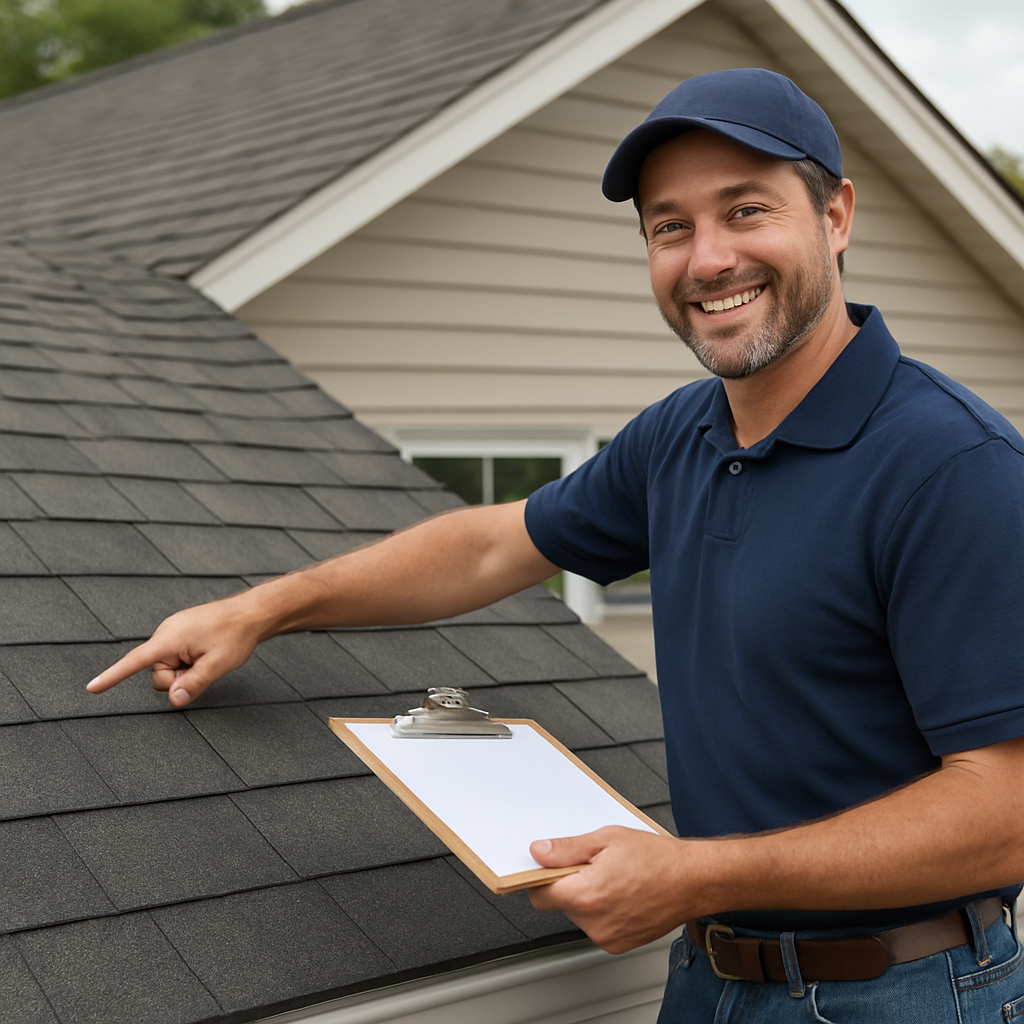
Ever stood on your porch, glanced up at the roof, and thought, “Is that shingle about to jump off any second?” You’re not alone. Most Chesapeake homeowners feel that little knot in their stomach when a storm rolls in.
We get it. A roof isn’t just a blanket for your house; it’s the first line of defense against rain, wind, and the occasional wayward branch. When it starts leaking or looks worse for wear, the anxiety spikes – especially when you’re juggling bills, kids’ schedules, and maybe even a dog that loves to chew on cords.
So, what does a reliable roofing company in Chesapeake, VA actually do? It’s more than just climbing up and slapping on new shingles. It’s about spotting the hidden damage, understanding the local weather patterns, and recommending solutions that protect your home without breaking the bank.
Here’s the thing: not every contractor treats every roof the same. Some will push the most expensive material, while others might cut corners. In our experience, the best approach is a thorough inspection, clear communication, and a plan that matches your home’s style and your budget.
Imagine you’ve just noticed a small water stain on the ceiling after a heavy rain. You could ignore it and hope it goes away, or you could call a local expert who walks you through the cause, shows you the exact area on the roof, and explains why a specific repair will keep the problem from coming back.
That’s the peace of mind we aim for at LGFMH Construction – a straightforward, honest process that leaves you feeling confident about the roof over your head.
Ready to stop worrying about the next downpour? Let’s dive into what you need to know about choosing the right roofing company in Chesapeake, VA, and how to keep your home safe and dry.
TL;DR
Choosing the right roofing company chesapeake va means trusting a local team that inspects hidden damage, respects your budget, and guides you through a clear repair plan.
We’ll help you avoid costly surprises, keep your home dry, and give you confidence that your roof will stand up to Chesapeake’s storms.
Why Choose a Local Roofing Company in Chesapeake VA
Ever wondered why the neighbor across the street always seems to have a roof that looks brand‑new, even after a big storm? It’s not magic – it’s the advantage of working with a local roofing company that knows Chesapeake’s quirks inside and out.
When you call a local crew, you’re getting folks who grew up driving those same streets, watched the same hurricanes roll in, and learned the hard way which shingle really stands up to the humidity. That personal history translates into faster response times, because they’re already nearby and can show up the same day you notice a leak.
Local knowledge means smarter material choices
Think about it: a roofing company that’s based in the area has actually seen how the salty air from the nearby Chesapeake Bay corrodes certain metals faster than others. They’ll steer you toward corrosion‑resistant underlayment or recommend architectural shingles that handle wind uplift better than a generic 3‑tab option.
We’ve helped many homeowners avoid costly premature replacements simply by matching the right product to the local climate. If you want to dive deeper into the differences between shingle types, our Architectural Shingles vs 3 Tab guide breaks it down in plain language.
Personalized service, not a cookie‑cutter contract
Big national chains often hand you a one‑size‑fits‑all estimate that looks the same for a bungalow in Norfolk and a colonial in Chesapeake. A local roofing company can walk your yard, point out the exact spot where a storm‑driven branch scratched a shingle, and explain why a targeted repair makes more sense than a full roof tear‑off.
That level of detail builds trust. You’ll get a clear, itemized quote that respects your budget instead of surprise fees that appear later.
And because they’re part of the community, they care about reputation. A local roofer’s next job often comes from a neighbor’s referral, so they’re motivated to leave your home looking better than when they arrived.
Quick, hassle‑free insurance navigation
Dealing with insurance after a storm can feel like a maze. A local roofing partner knows the typical claims process in Virginia, can provide the proper documentation, and even suggest the best timing for repairs to keep your coverage intact.
That local expertise can shave days off the approval timeline, meaning you’re back under a solid roof faster.
Here’s a quick tip: before you file a claim, take photos of the damage from multiple angles and keep a written note of when you first noticed the issue. A local roofer can help you organize that evidence for the adjuster.
Seeing a professional walk through a roof inspection on video can demystify the process and show you exactly what to expect when the crew arrives.
Bottom line: choosing a local roofing company in Chesapeake VA means you get climate‑smart material recommendations, personalized service, faster response, and smoother insurance handling—all backed by people who genuinely care about the neighborhood you call home.
Key Factors to Evaluate When Selecting a Roofing Contractor
Let’s be real – the moment you notice a missing shingle, the anxiety spikes. You start Googling, scrolling through endless ads, and wonder: how do you know which crew will actually protect your home?
That’s the exact spot where a few simple checkpoints can save you from a costly nightmare. Below are the things we always double‑check before signing a contract with any roofing company chesapeake va.
License, insurance, and bonding
First thing’s first: make sure the contractor is fully licensed in Virginia and carries both liability insurance and workers’ compensation. A quick ask for a copy of the certificates (and a glance at the expiration dates) can tell you a lot about how serious they are.
Why does this matter? Without proper coverage, any accident on your roof could become your financial burden. Imagine a crew member slipping, the insurance policy lapses, and suddenly you’re on the hook for medical bills.
Local experience and weather know‑how
Chesapeake isn’t just another suburb – the area gets heavy rain, gusty winds, and occasional hail. A contractor who has patched roofs after the last big storm will know which shingle brands hold up when the wind is screaming.
Do you remember the neighbor who got a roof leak after a July thunderstorm? The local crew spotted a cracked flashing that the out‑of‑state team missed. That extra knowledge saved the family $1,200 in water damage.
So, ask: "How many roofs have you repaired in Chesapeake over the past two years?" If the answer is “just a few in another county,” keep looking.
Transparent estimates and material specs
A clear, itemized estimate is non‑negotiable. It should break down labor hours, material types, and any optional upgrades. Beware of vague numbers like “$10,000 total” with no details – that’s a red flag.
When you see a line for “architectural shingles” versus “3‑tab shingles,” you instantly know the performance level and expected lifespan. If the contractor can’t explain the difference, you’re probably not dealing with a pro.
Warranty and post‑install support
A solid warranty shows confidence. Look for at least a 10‑year workmanship guarantee on top of the manufacturer’s material warranty. Ask how claims are handled – does the same crew come back for repairs, or do they push you to the manufacturer?
Quick tip: write down the warranty start date on the contract and keep a copy handy. When the sun finally shines again, you’ll appreciate that safety net.
Communication style and responsiveness
Ever been left on hold for hours while a crew decides whether to show up? Communication is the hidden cost of any project. A responsive contractor will return calls within a day, give you a clear timeline, and keep you posted on weather delays.
Ask yourself: "Do I feel comfortable asking them about progress?" If you’re already doubting, that discomfort will only grow.
Does this all sound overwhelming? It doesn’t have to be. Grab a notebook, run through the checklist below, and you’ll walk away with confidence.
Factor | Why It Matters | Quick Check |
License, insurance, bonding | Protects you from liability and ensures legal compliance. | Ask for up‑to‑date certificates; verify with state board. |
Local experience & weather knowledge | Ensures materials and techniques suit Chesapeake’s storms. | Request recent Chesapeake project references. |
Transparent estimate & material specs | Prevents hidden costs and lets you compare options. | Look for itemized line items and brand names. |
Warranty & post‑install support | Provides a safety net if something goes wrong later. | Confirm length of workmanship guarantee. |
Communication & responsiveness | Reduces stress and keeps the project on schedule. | Test response time with a quick phone call. |
Still wondering how to put this into practice? Watch the short video below – it walks you through a real‑world roof inspection and highlights the red flags we just mentioned.
After the video, take a moment to jot down the contractor’s answers to the five questions above. If any answer feels fuzzy, keep looking. Your home’s roof is a long‑term investment; you deserve a partner who treats it with the same care you do.
One last tip: the Chesapeake design‑build construction guidelines outline local code requirements that any reputable roofing company must follow. A contractor who can reference those specifics is already a step ahead.
When you cross‑check each factor, you’ll move from “maybe” to “absolutely confident” in your choice. And that peace of mind? It’s priceless when the next storm rolls in.
Understanding Roofing Materials and Their Lifespan in Chesapeake
When you stand on your porch and stare up at the roof, the first question that pops into your head is usually “how long is this going to last?” In Chesapeake, the answer depends less on brand hype and more on the material’s ability to survive salty breezes, heavy rain, and occasional hail.
Asphalt Shingles – The Workhorse
Most homes here start with three‑tab or architectural asphalt shingles. They’re affordable, easy to install, and blend well with neighborhood styles. A typical three‑tab shingle will give you about 15‑20 years of service, while the thicker architectural version can push that to 25‑30 years if you keep up with regular maintenance.
What we’ve seen in the field is that the biggest enemy isn’t the sun—it’s the moisture that seeps into cracked tabs after a storm. A quick visual check after any heavy rain can catch lifted edges before they turn into leaks.
Metal Roofing – Durable but Different
Metal panels are gaining traction in Chesapeake because they shrug off wind‑uplift and shed rain like it’s nothing. When properly installed, a steel or aluminum roof can last 40‑60 years, sometimes even longer. The trade‑off is a higher upfront cost and the need for a qualified installer who knows how to handle thermal expansion.
For those curious about specific products, manufacturers like McElroy Metal offer a broad palette of colors and profiles that meet local wind‑uplift requirements.
Clay and Concrete Tile – The Classic Look
Tile roofs are beautiful and fire‑resistant, but they’re heavy. In older Chesapeake neighborhoods, you’ll often find tile on homes built before the 1990s. If the roof structure can support the weight, tile can easily reach 50 years or more. The downside? Cracked tiles are a hassle to replace, and the porous nature of clay can hold moisture if not properly sealed.
Slate – The Premium Choice
Slate is the king of longevity. A well‑installed slate roof can survive a century or more, and it ages gracefully. However, slate is pricey, brittle, and requires a roof deck that can bear its weight. Most homeowners in Chesapeake opt for slate only when the budget aligns with the historic character of the home.
Flat Roof Systems – Built‑Up and Modified Bitumen
Flat roofs are common on porches, additions, or small commercial structures. Built‑up roofing (BUR) and modified bitumen each promise 15‑30 years, but they demand diligent inspection of seams and drainage. A ponding water issue for even a few weeks can accelerate wear dramatically.
So, how do you decide which material is right for you? Start by asking yourself three quick questions: Do you want low‑maintenance durability or a classic aesthetic? How much weight can your home’s framing handle? And, what’s your budget for the next 20‑30 years?
Practical Tips to Extend Your Roof’s Life
Schedule a professional inspection at least once a year, preferably after the fall storm season.
Keep gutters clean; standing water on the roof deck is a silent killer.
Trim overhanging trees – branches can gouge shingles or dent metal panels.
Apply a reflective coating on metal roofs to reduce heat‑related expansion.
For asphalt shingles, replace any that are cracked, curled, or missing before the next rain.
Remember, the material you choose isn’t a set‑and‑forget decision. It’s a partnership between the product and the care you give it. A local roofing company in Chesapeake, VA, like LGFMH Construction, can help you match the right material to your home’s style, budget, and the unique weather patterns we face.
Bottom line: knowing the expected lifespan of each roofing option lets you budget smarter, plan maintenance, and avoid surprise replacements when the next storm rolls in.
How to Get Accurate Roofing Estimates and Avoid Hidden Costs
Ever gotten a quote that sounded too good to be true, only to see the price jump once the crew pulls out the ladder? You’re not alone. Most homeowners in Chesapeake have felt that knot in their stomach when the estimate sheet starts looking like a mystery novel.
So, what should you do next?
Step 1 – Ask for a Full, Itemized Breakdown
First, demand a line‑by‑line list. It should show labor hours, material brand, fastener type, and any optional upgrades. If you see a vague "roof work – $12,000," press for specifics. A reputable roofing company chesapeake va will explain why architectural shingles cost more than three‑tab, and how that difference translates into a 10‑year longer warranty.
Tip: write the items down in a spreadsheet. When you compare three contractors, you’ll spot hidden fees like "cleanup surcharge" or "disposal fee" that pop up only after the work starts.
Step 2 – Verify Material Specs and Warranty Terms
Materials drive cost. Ask for the exact product name, warranty length, and the manufacturer’s performance data. A common surprise is a low‑cost shingle that only carries a five‑year warranty, which ends up costing more when you replace it twice in a decade.
In our experience, homeowners who choose a product with a solid 30‑year warranty end up saving roughly 20 % on long‑term maintenance. It’s not magic; it’s just fewer trips back to the roof.
Step 3 – Get a Physical Inspection Before the Quote
Never accept a phone‑only estimate. A qualified inspector should climb up, walk the ridge, and point out things like cracked flashing, sagging decking, or rusted metal fasteners. Those hidden issues are the real cost drivers.
Real‑world example: The Johnsons in Greenbrier thought a simple shingle replacement would be $4,500. After a thorough on‑site inspection, the crew discovered water‑logged decking that needed replacement, adding $2,300. Because the issue was caught early, they avoided a future roof collapse that could have cost $15,000 in structural repairs.
Step 4 – Ask About Local Grants or Rebate Programs
Chesapeake’s South Norfolk Residential Rehabilitation Grant Program can offset part of the material cost for qualifying homeowners. The program covers roof, siding, windows, and more, provided you match a portion of the funding. You can learn the details on the Chesapeake Land Bank Authority website . Even a modest grant can shave a few thousand dollars off an estimate.
Pro tip: ask your roofing company chesapeake va if they have experience filing the paperwork. Those who have done it before can usually streamline the process for you.
Step 5 – Compare Timeline and Payment Terms
Fast jobs can be tempting, but a rushed schedule often hides extra labor costs later. Ask how many days the crew expects to be on the roof, and whether they’ll bill for overtime. A clear timeline helps you budget cash flow and avoid surprise invoices.
Also, look for a payment schedule that ties milestones to completed work – for example, 30 % down, 40 % after decking is replaced, and the final 30 % once the warranty paperwork is signed.
Step 6 – Document Everything
Take photos of the existing roof condition, keep a copy of the signed estimate, and note any verbal promises in an email to the contractor. If a hidden cost shows up later, you’ll have a paper trail to negotiate.
Did you know? Homeowners who keep detailed records are 45 % more likely to get a warranty claim honored, according to a recent industry study.
Step 7 – Trust Your Gut, But Double‑Check the Math
If a contractor seems evasive when you ask about a line item, that’s a red flag. Walk away, get another quote, and compare the numbers. The cheapest estimate isn’t always the best, but the most transparent one usually saves you money in the long run.
Bottom line: an accurate estimate is a combination of clear itemization, on‑site inspection, warranty knowledge, and awareness of local funding options. Follow these steps, and you’ll keep hidden costs from sneaking up on your budget.
Maintenance Tips to Extend the Life of Your Roof
Ever notice a tiny curl on a shingle after a rainstorm and think, “Is that the first sign of trouble?” You’re not alone. Those little clues are the roof’s way of whispering that it needs a little TLC before a major problem shows up.
Inspect After Every Heavy Storm
First thing’s first: walk the perimeter of your house when the sky clears. Look for loose or missing shingles, and check the flashing around vents and chimneys. In our experience, a family in Greenbrier once ignored a single lifted shingle after a July thunderstorm. Two weeks later, water seeped into the attic, costing them over a thousand dollars in water damage. Spotting that lift early would have saved a lot of hassle.
Action step: grab a ladder (or ask a neighbor) and spend five minutes scanning the roof from the ground. If you see any movement, mark the spot with a piece of tape and call your roofing company right away.
Keep Gutters and Downspouts Clear
Standing water on the roof deck is a silent killer. When gutters fill with leaves, rain can back up and sit on the roof for days, accelerating shingle decay. A quick visual check after the first big leaf fall of the season can prevent that.
Tip: set a reminder on your phone for a quarterly gutter clean. If you’re not comfortable on a ladder, a local roofing company chesapeake va can handle the cleaning as part of a maintenance visit.
Trim Overhanging Branches
Branches that brush the roof are like tiny sandpaper – they wear down shingles and can even puncture metal panels. One homeowner we helped had a maple that overgrew the roof edge; a single limb snapped during a wind gust and ripped out a row of shingles. The repair cost was double what a simple pruning would have been.
Do this: walk around your yard and note any limbs within six inches of the roof. Have a tree service trim them back, or use a pole saw if you’re comfortable.
Schedule a Professional Check‑Up Once a Year
Even if you’re diligent, the roof can hide problems that only a trained eye will catch – like hidden rot in the decking or subtle rust on fasteners. A professional inspection typically takes a couple of hours, and the roofer will give you a written checklist of what needs attention.
Real‑world example: a couple in Norfolk had a roof that seemed fine for years. When they finally booked an annual inspection, the contractor found a small area of water‑logged decking under the eaves. Replacing that section added ten more years to the roof’s lifespan.
Make it a habit: schedule the inspection for early fall, after the hurricane season, so any needed repairs can be done before winter.
Document What You Find
Take photos of any damage you notice and keep a simple log. Note the date, weather conditions, and what you observed. This documentation becomes priceless if you ever need a warranty claim or insurance adjustment. Homeowners who keep a photo log are far more likely to get quick approvals.
Pro tip: create a folder on your phone called “Roof Health” and drop every picture there. Add a brief note – “June 12, 2025 – loose shingle on north slope after storm.”
Apply Protective Coatings When Appropriate
For metal roofs, a reflective coating can reduce heat‑related expansion and add a layer of protection against rust. It’s an extra step, but many Chesapeake homeowners report fewer fastener failures after a coating is applied.
If you have asphalt shingles, consider a high‑quality sealant on the edges and around roof penetrations. It’s not a substitute for proper flashing, but it can buy you a few extra seasons.
Bottom line: roof maintenance is a series of small, intentional actions rather than a once‑in‑a‑blue‑moon chore. By inspecting after storms, clearing gutters, trimming trees, getting an annual pro check, documenting everything, and using protective coatings when needed, you’ll add years to your roof’s life and keep that knot in your stomach at bay.

Conclusion
At the end of the day, picking a roofing company chesapeake va is really about peace of mind. You’ve seen how local weather, code quirks, and honest communication can make or break a roof project, and you know the small steps—photo logs, gutter sweeps, annual check‑ups—add up to big savings.
So, what’s the next move? Grab a notebook, write down three contractors you’ve heard about, ask for a detailed, itemized estimate, and compare how each explains the work. If a crew can point to recent Chesapeake storms they’ve survived, that’s a good sign they understand the real‑world wear your roof will face.
Remember, a roof isn’t just a set of shingles; it’s the barrier that keeps your family dry, your energy bills stable, and your home’s value intact. A few minutes of due diligence now saves you headaches—and dollars—down the road.
Ready to take the guesswork out of the equation? Give LGFMH Construction a call, schedule that free on‑site inspection, and let a trusted local partner walk you through the plan that fits your budget and your peace of mind.
When you protect your roof today, you protect the comfort of tomorrow and that’s a promise worth keeping for your family.
Frequently Asked Questions
How can I verify that a roofing company chesapeake va is properly licensed and insured?
Start by asking for a copy of the contractor’s Virginia license number and liability insurance certificate. You can cross‑check the license on the state’s licensing board website and confirm the policy’s expiration date. A reputable crew will also show workers’ compensation coverage, which protects you if someone gets hurt on your roof. If they hesitate or can’t produce the paperwork, that’s a red flag and you should keep looking.
What does a thorough on‑site roof inspection include?
When a local roofer climbs up, they’ll walk the entire surface, looking for cracked or missing shingles, damaged flashing, and signs of water intrusion in the attic. They’ll also check the roof deck for rot, verify ventilation, and measure the slope to confirm the right underlayment. Expect a photo log or a short video with notes – that way you can see exactly what they found and why they recommend a particular repair or replacement.
How can I compare estimates without hidden fees popping up later?
Ask each contractor for a line‑by‑line, itemized quote that lists labor hours, material brand, fastener type, disposal fees, and any optional upgrades. Look for consistent pricing on the same shingle grade or metal panel across all bids. Write the numbers into a simple spreadsheet; if one estimate includes a “cleanup surcharge” that isn’t in the others, you’ve found a hidden cost. Clarify any vague line items before you sign.
Do I need special permits or code approvals for a roof project in Chesapeake?
Yes. The city requires a building permit for any roof replacement or major repair, and it enforces a higher wind‑uplift rating for homes near the waterway. A knowledgeable roofing company chesapeake va will handle the paperwork for you, submit the plan to the city’s design‑build guidelines, and schedule the final inspection. Making sure the permit is in place protects you from fines and ensures the work meets local safety standards.
What maintenance steps should I follow after my new roof is installed?
First, keep the gutters clear for the first 90 days while the roof settles; debris can trap moisture and damage the underside. Walk the roof twice a year – after fall storms and before summer heat – to spot loose shingles or cracked flashing. Trim any branches that come within six inches of the surface, and schedule a professional check‑up at least once a year. Document any findings with photos for warranty purposes.
How long does a typical roof replacement take, and what should I expect during the process?
Most residential roofs in Chesapeake are completed in three to five days, depending on size and weather. The crew will start with a protective tarp, then remove the old material, inspect the deck, and install the new underlayment before laying shingles or metal panels. You’ll hear some noise and see a few trucks, but the work area is fenced off for safety. Ask the contractor for a daily schedule so you can plan around deliveries and any necessary access to your home.


Comments