Best Sealant for Fixing Cracked Stucco Exterior: Top 5 Picks
- William McKracherne
- May 16
- 8 min read

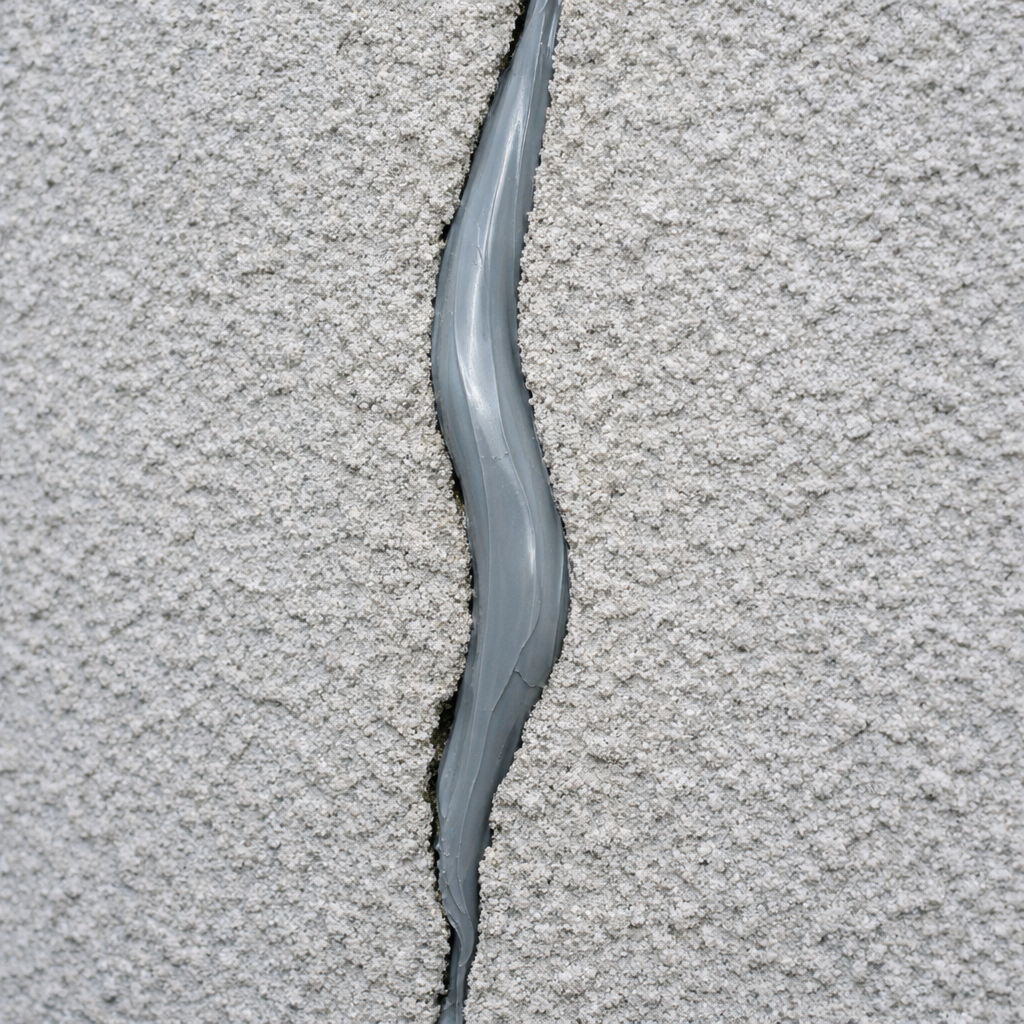
Cracked stucco looks bad and lets water sneak in. It can ruin walls if you ignore it. This list shows five sealants that actually seal cracks and stand up to weather. You'll learn what each product does, how easy it is to use, and which one fits your repair best .
1. Flex Seal Stucco Repair Sealant , Strong waterproof bond
Flex Seal makes a thick, rubbery seal that sticks to stucco and blocks water. The formula is meant for outdoor use, so it won't shrink when the sun heats the wall.
Why it works: The sealant contains a polymer blend that expands slightly as it cures. That tiny movement lets it fill the crack fully and keep the seal tight even when the house shifts.
How to apply:
Clean the crack with a brush. Remove loose bits and dust.
Cut the tip of the Flex Seal tube at a 45‑degree angle.
Press the tube slowly and fill the crack from one end to the other.
Smooth the surface with a putty knife. The sealant stays tacky for about 10 minutes, giving you time to shape it.
Let it cure for 24 hours before painting.
The seal dries to a black, rubber‑like finish. If you need a color match, you can paint over it with exterior acrylic paint.
Pro Tip:Lightly mist the crack with water before you apply Flex Seal. A damp surface helps the sealant bond better.
Pros: excellent water block, works in hot sun, easy to use.
Cons: dark color may need paint, not the thinnest tube for hairline cracks.
Key Takeaway:Flex Seal gives a strong waterproof bond that lasts even when the house moves.
Bottom line:Choose Flex Seal if you need a tough, water‑proof fix and are okay with painting over a dark seal.
2. DAP 3-in-1 Concrete & Stucco Sealant , Quick cure
DAP’s 3‑in‑1 sealant claims to cure fast and stick to both concrete and stucco. The tube squeezes out a creamy paste that levels itself, so you don’t need a lot of skill.
What the video shows
The demo walks through cleaning the crack, applying the sealant, and smoothing it with a putty knife. The sealant sets in about 30 minutes, so you can paint the next day.
Key points from the product page:
Adheres to cured concrete, brick, and stucco.
Paintable within 2 hours.
Resists shrinking and cracking for up to 5 years.
30minutes to skin‑dry
Because DAP mixes a quick‑cure acrylic with a flexible binder, it works well on vertical walls where run‑off can be a problem.
Pros: fast cure, easy to sand, paintable soon after.
Cons: not as thick as some rubber‑based sealants, may need a second coat for deep cracks.
Key Takeaway:DAP’s quick‑cure formula gets the job done fast without sacrificing flexibility.
Bottom line:Pick DAP if you want a sealant that dries fast and can be painted in a day.
3. Quikrete Stucco Fix Sealant , Easy application

Quikrete’s Stucco Fix sealant is sold in a 10‑oz squeeze tube. The brand says it’s both waterproof and UV‑resistant, which is rare in the market.
Why UV matters: Sunlight can break down many acrylics over time. The UV blocker in this sealant keeps the polymer from turning brittle, so the crack stays sealed for years.
How to use:
Vacuum the crack to remove dust.
Moisten the area lightly with a spray bottle.
Apply the sealant in a steady line, filling the crack fully.
Use a putty knife to feather the edges into the surrounding stucco.
Let it cure 24 hours before painting.
The sealant dries to a light gray that blends well with most exterior colors. It can be sanded if you need a smoother finish.
Pro Tip:Work in sections of about 12 inches. This lets you keep a wet edge and avoid lap lines.
Pros: UV resistance, waterproof, matches typical stucco color.
Cons: Slightly pricier than basic acrylic caulks.
"The only product in our sample that lists both waterproof and UV protection, making it a solid choice for sunny climates."
Key Takeaway:Quikrete offers the only UV‑resistant sealant in the group, ideal for sun‑baked exteriors.
Bottom line:Choose Quikrete when UV exposure is a top concern and you need a seal that stays flexible.
4. Sashco Stucco Sealant , Premium flexibility
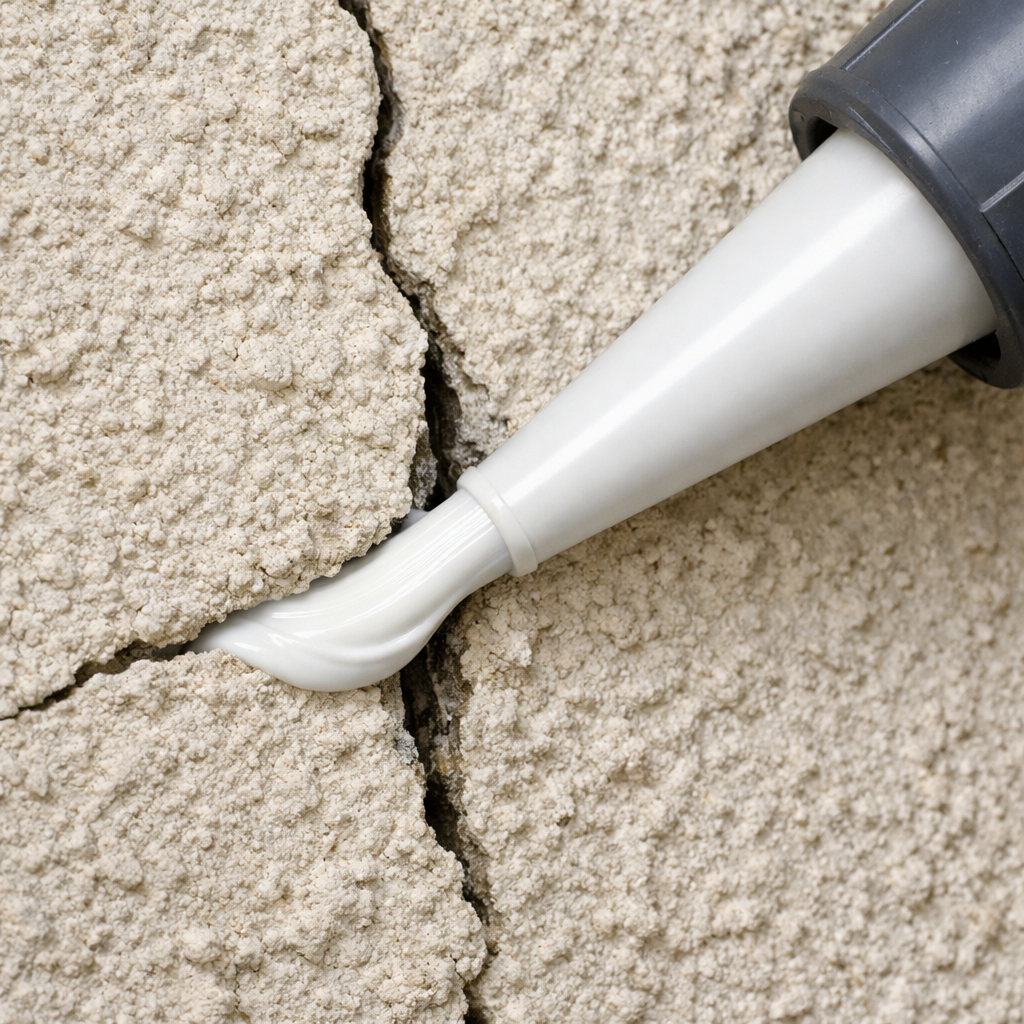
Sashco makes a clear, silicone‑based sealant that stays soft for months. That softness means the seal can move with the house without cracking.
The product is labeled as "premium" because it passes a 10‑year outdoor durability test on the maker’s site.
Application steps are similar to other squeezable sealants:
Clean the crack with a wire brush.
Apply the sealant in a continuous bead.
Tool the bead with a wet finger or a small spatula.
Allow 48 hours to fully cure before painting.
Because the sealant is clear, it works well on light‑colored stucco where a dark filler would stand out.
10years of outdoor durability
Pros: stays flexible, clear finish, long‑term weather guard.
Cons: higher cost, needs longer cure time.
Key Takeaway:Sashco gives a flexible, clear seal that won’t crack as the house moves.
Bottom line:Pick Sashco if you need a clear, long‑lasting seal that moves with the wall.
5. Loctite Polyurethane Sealant , Versatile durability

Loctite’s polyurethane sealant works on many surfaces, including stucco, wood, and metal. The polymer forms a tough film that resists water and abrasion.
Polyurethane is known for holding up under temperature swings. That means the seal stays solid in hot summers and cold winters.
Steps to apply:
Scrape away loose stucco and dust the crack.
Mix a small amount of the sealant with a filler stick (the product comes with a built‑in applicator).
Press the mix into the crack, over‑filling slightly.
Smooth the surface with a damp rag.
Cure time is 48 hours before paint.
The seal dries amber, but a coat of exterior paint hides the color.
Pro Tip:Warm the tube in your hands for a minute before use. The sealant flows easier in cooler weather.
Pros: strong adhesion, works on many materials, resists oil and chemicals.
Cons: stronger odor, longer cure.
Key Takeaway:Loctite offers a tough, all‑weather seal that handles many repair scenarios.
Bottom line:Use Loctite when you need a heavy‑duty seal that can handle both stucco and other substrates.
What to Look For When Choosing a Stucco Sealant
Picking the right sealant is about matching the product to the crack type and the climate. First, decide if the crack is a hairline gap or a wider opening. Hairline cracks need a thin, paintable caulk that can move. Wider cracks benefit from a thicker filler that can be textured to match the stucco.
Next, check for water resistance. The research shows only about 38 % of sealants mention any water‑resistance claim. Look for words like “waterproof” or “weather‑resistant.” A seal that blocks water stops moisture from getting behind the stucco and causing mold.
Flexibility is another key. As homes settle, the wall shifts. A flexible acrylic or silicone seal will stretch a bit and keep the crack sealed. The data shows less than half of products call out flexibility, so you may need to read the fine print.
UV protection matters in sunny regions. Quikrete’s 10‑oz sealant is the only one in the sample that lists UV resistance. If you live where the sun beats down hard, that extra protection can keep the seal from becoming brittle.
Paintability lets you blend the repair with the rest of the wall. Most exterior paints work over acrylic and silicone, but some polyurethane formulas need a primer.
Finally, think about price and how easy the product is to apply. A tube with a built‑in tip saves time, while a bucket of filler may be cheaper for large jobs.
For a quick checklist, see Essential Guide to Working with Plaster: Techniques, Tools, and Tips . It walks you through surface prep, mixing, and finishing, all of which apply to sealant work as well.
Pro Tip:Always test the sealant on a small hidden spot first. This shows how well it bonds and whether paint adheres.
Bottom line:Match the sealant to crack size, demand water/UV resistance, and choose a product that stays flexible and paintable.
Sealant Comparison Table
Product | Water Resistance | Flexibility | UV Resistance | Paintable | Best For |
Flex Seal Stucco Repair | Waterproof | High (rubber blend) | — | Yes | Heavy‑duty waterproof fixes |
DAP 3‑in‑1 Concrete & Stucco | Weather‑resistant | Medium | — | Yes (2‑hr paint) | Fast cures on vertical surfaces |
Quikrete Stucco Fix (10 oz) | Waterproof | Medium | Yes | Yes | UV‑exposed exterior cracks |
Sashco Stucco Sealant | — | Very High (silicone) | — | Yes | Clear, flexible repairs on light stucco |
Loctite Polyurethane | Water‑resistant | High | — | Yes (after primer) | Multi‑material, heavy‑duty jobs |
Use the table to see which seal lines up with your needs. The UV column is the one that sets Quikrete apart.
"When a sealant lists UV resistance, it usually means the formula has added UV absorbers that protect the polymer from sun damage."
Key Takeaway:Compare water block, flexibility, and UV protection to pick the right seal for your crack.
Bottom line:The table makes it easy to spot the best match for your stucco repair.
FAQ
Can I paint over these sealants?
Yes. Most acrylic‑based sealants, including Flex Seal, DAP, and Quikrete, are paintable after they cure. Polyurethane sealants like Loctite may need a primer before paint. Always follow the manufacturer’s paint‑over time guide to avoid lifting the seal.
How deep can I fill a crack with these products?
For hairline cracks (under 1/8 inch), a thin caulk works fine. For wider cracks up to ½ inch, the thicker fillers like Quikrete or Sashco give enough body to fill the gap without sagging. Deeper gaps may need a two‑step approach: a backing material first, then the sealant on top.
Do I need to remove old paint before applying sealant?
It’s best to scrape away loose paint and any flaking stucco around the crack. A clean surface helps the sealant bond. You don’t have to strip all paint, just the loose bits and dust.
Which sealant works best in hot, sunny climates?
Quikrete’s 10‑oz Stucco Fix lists UV resistance, making it the top pick for sunny areas. The UV blocker keeps the seal from becoming brittle under intense sun, which is a common failure mode for other acrylics.
How long does it take for the seal to become fully waterproof?
Flex Seal and DAP cure to a skin‑dry state in 30 minutes to a few hours, but full waterproof strength usually develops after 24 hours. Polyurethane products need about 48 hours before they reach peak water resistance.
Can I use these sealants on interior stucco walls?
Yes. All the listed sealants work indoors, but you may not need UV protection inside. For interior jobs, a low‑odor, quick‑dry product like DAP can save time. Just ensure the room is well‑ventilated while you work.
Is it safe to apply sealant in rainy weather?
It’s best to apply sealant when the surface is dry and the weather is mild. Rain can wash away uncured sealant and prevent proper adhesion. If rain is forecast, wait for a dry window of at least 24 hours.
Do I need any special tools to apply these sealants?
A basic caulk gun works for most squeeze‑tube products. For thicker fillers, a putty knife or a small trowel helps shape the repair. A utility knife can trim excess sealant once it’s dry.
Conclusion
Fixing cracked stucco doesn’t have to be a hassle. The five sealants above each bring something different, waterproof strength, fast cure, UV protection, clear flexibility, or all‑material durability. Look at the crack size, the climate, and whether you need a clear or paintable finish. Use the comparison table to spot the right fit, then follow the simple prep steps we laid out. A good seal stops water, keeps the wall looking neat, and saves you from bigger repairs later. If you need a hand with larger jobs or want a professional finish, LGFMH Construction can help you get the job done right.


Comments